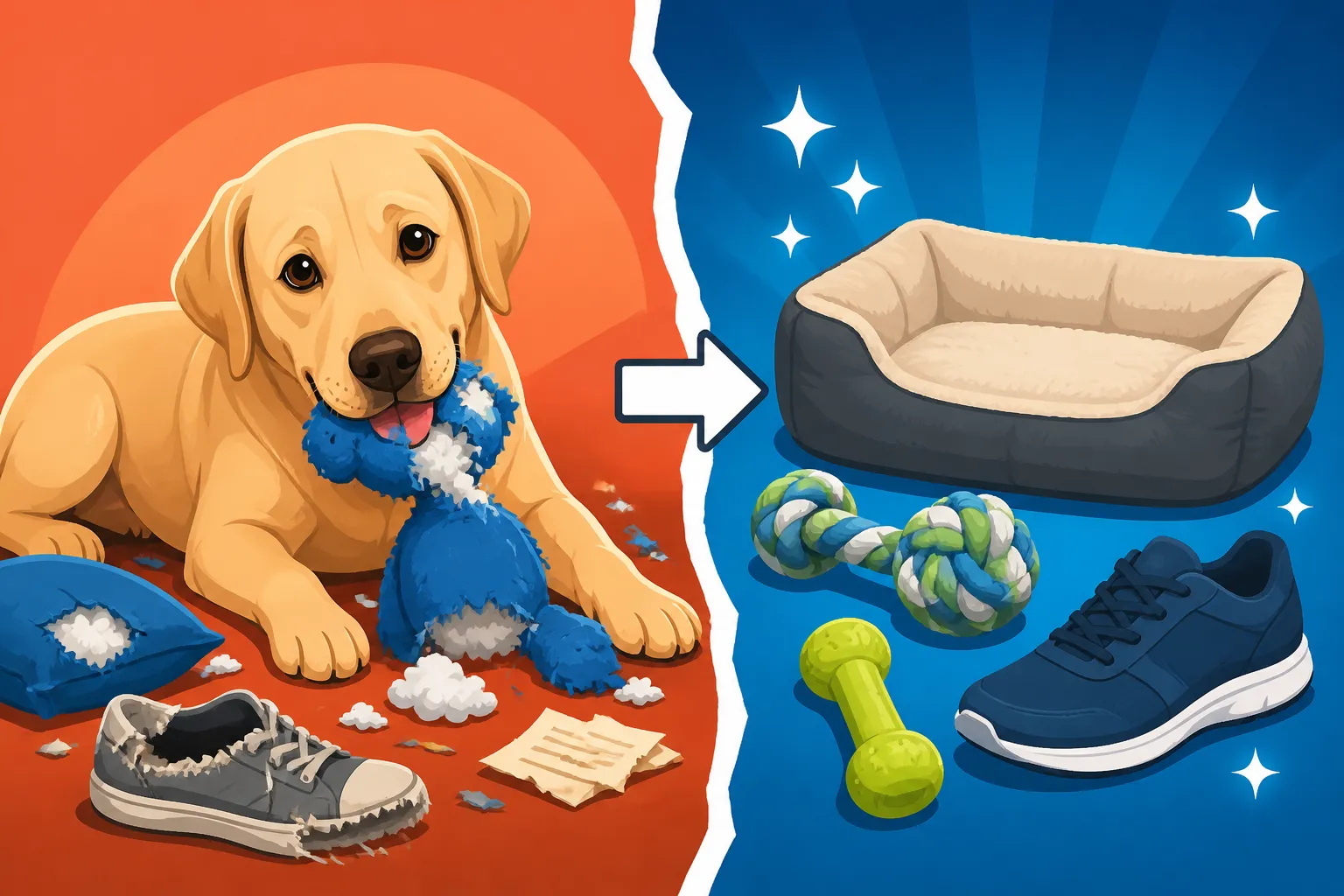
Replacing What a Labrador Destroys
It's a familiar sight for many Labrador owners: you leave your beloved dog alone for just a little while, and you return to discover a scene of utter devastation. Whether it's chewed furniture, shredded cushions, or a newly excavated hole in the backyard, the feeling of frustration, exasperation, and frankly, bewilderment, is incredibly real. This isn't just about replacing items; it's about understanding why your usually sweet-natured companion turns into a furry force of nature and how you can safeguard your home and your sanity. This comprehensive guide will delve deep into the reasons behind destructive Labrador behavior, offer practical prevention tips, and walk you through the process of replacing what gets destroyed.
Understanding Why Your Labrador Becomes a Wrecking Ball
Before we can even begin to tackle the aftermath of Labrador destruction, we need to get to the root of why it happens. It’s not usually out of spite, though it can certainly feel that way when you’re staring at the remains of your favorite armchair. Labradors are incredibly intelligent, active, and mouth-oriented dogs, and their destructive tendencies almost always stem from an unmet need or an instinctual drive.
Puppy Teething and Exploration
Ah, puppyhood! Those adorable, land-shark phases where everything seems to be fair game for a good chew. When you bring home a Labrador puppy, you're essentially bringing home a tiny, four-legged explorer whose primary tool for interacting with the world is their mouth. Just like human babies, puppies experience discomfort as their adult teeth emerge, and chewing provides relief. They also use their mouths to investigate new textures, smells, and objects. If they don't have appropriate outlets for this natural urge, your furniture, shoes, or even your walls become the next best thing.
This stage is crucial for setting boundaries. A young Labrador doesn't inherently know the difference between their durable rubber chew toy and the leg of your dining table. It's up to us, as their guardians, to gently but firmly guide them toward acceptable chewing items. Ignoring this phase or failing to provide suitable alternatives can set a dangerous precedent for destructive habits in adulthood. Remember that their teeth are sharp, and their curiosity is boundless, making them surprisingly effective at dismantling household items.
Boredom and Lack of Mental Stimulation
Perhaps the most common culprit behind a destructive Labrador is sheer, unadulterated boredom. Labradors were originally bred for demanding work, retrieving game in the field and water all day long. This heritage means they come pre-programmed with a high drive for activity, problem-solving, and a need to do something. If a Labrador's intelligent mind isn't stimulated, and their body isn't adequately exercised, they will find their own entertainment – and that usually involves exploring the structural integrity of your belongings.
Imagine being stuck in a house all day with nothing to do. You'd probably find a way to entertain yourself, right? A Labrador might decide that dissecting the couch cushions is a fascinating puzzle, or that digging up the prize-winning roses in the garden offers an exciting challenge. Mental stimulation is just as important as physical exercise. Simple walks, even long ones, often aren't enough to tire out a clever Labrador. They need jobs, training sessions, and interactive toys to keep their brains engaged and prevent boredom from turning into destructive behavior. For more ideas on keeping their minds busy, you might find our guide on mental work for a bored Labrador useful.
Anxiety and Stress-Related Chewing
Sometimes, destruction isn't about boredom or puppy antics; it's a symptom of deeper emotional distress. Labradors, for all their robust nature, can suffer from anxiety, particularly separation anxiety. If your Labrador only chews and destroys when you're not home, and exhibits other signs like excessive drooling, pacing, barking, or scratching at doors, it's a strong indicator that their destructive behavior is rooted in panic or fear of being left alone.
This isn't just "bad behavior" that can be punished away. An anxious Labrador is genuinely distressed, and chewing offers a coping mechanism, a way to self-soothe or try to escape. Addressing anxiety requires a different approach than simply redirecting chewing. It involves building confidence, gradually increasing alone time, and sometimes even working with a professional dog behaviorist. Ignoring these signs can lead to escalating anxiety and more severe destructive patterns, making life miserable for both you and your dog.
Underexercised Energy
A tired dog is a good dog – this old adage holds particularly true for Labradors. These dogs are athletes. They possess incredible stamina and need a significant amount of physical exercise to be truly content and well-behaved indoors. A quick stroll around the block twice a day simply won't cut it for most Labradors, especially younger ones or those from working lines. When they have too much pent-up energy, it has to go somewhere, and often, it manifests as destructive chewing, digging, or general hyperactivity.
Think about it: if your Labrador has spent an hour running, swimming, or playing an intense game of fetch, they're far more likely to come home, drink some water, and collapse for a nap. If they haven't had that outlet, they're going to look for ways to burn off steam, and your sofa might just look like a giant, inviting chew toy. Ensuring they get vigorous, breed-appropriate exercise daily is one of the most powerful deterrents against destructive behavior. Our article on exercise a Labrador needs each day delves deeper into tailoring activity levels.
Instinctive Chewing and Mouthiness
Beyond teething, boredom, and anxiety, Labradors simply have a strong, inherent drive to use their mouths. They were bred to retrieve items gently, carrying them back to their handlers without damage – hence the famous "soft mouth." But this also means they are highly oral dogs. They love to carry things, chew on things, and interact with the world through their mouths. This isn't necessarily destructive, but it can quickly become so if they don't have appropriate items to mouth and chew on.
For instance, many Labradors enjoy carrying objects around the house, whether it's a favorite toy, a remote control, or even a shoe. While this might seem endearing at first, if they aren't taught what's appropriate to carry and what isn't, those "carried" items can quickly become "chewed" items. Understanding that this mouthiness is a fundamental part of their Labrador nature helps us to manage it by always providing acceptable, durable chews and redirecting inappropriate chewing whenever it occurs. You'll find more insights into this in our guide on Labrador puppy mouthing and how to redirect it.
Common Targets of Labrador Destruction and What to Expect
When a Labrador decides to redecorate, no object is truly safe. They have a knack for finding the most valuable, sentimental, or difficult-to-replace items and turning them into confetti. Knowing the common targets can help you prioritize your "Labrador-proofing" efforts.
Furniture and Home Interiors
This category often hits the hardest because it involves big-ticket items. Sofas, chairs, coffee table legs, baseboards, and even door frames are prime targets for a bored or anxious Labrador. They might start by simply "testing" a corner, then escalate to full-on deconstruction. I've heard stories of Labradors meticulously stripping wallpaper, chewing through drywall, and even dismantling cabinet doors. The cost of replacing or repairing furniture can quickly add up, turning a minor behavioral issue into a significant financial strain.
Consider a beautiful, upholstered armchair. A Labrador might start by nibbling a loose thread, then decide the entire cushion is a fantastic new chew toy. The foam, the fabric, the internal structure – all become fair game. Baseboards often suffer from a combination of teething and attention-seeking behavior, while doors can bear the brunt of a frustrated Labrador trying to "dig" their way out when left alone. These aren't just aesthetic damages; they can compromise the structural integrity of your home's elements or render furniture unusable, leading to expensive repairs or complete replacements.
Personal Items and Clothing
This is where the emotional toll can be high. Your favorite pair of running shoes, a sentimental photo album, prescription eyeglasses, or even your phone can become a Labrador’s chew toy. They often seem to gravitate towards items that smell strongly of their human, making your shoes, socks, and dirty laundry particularly enticing. It’s not about being vindictive; it’s about seeking comfort in your scent or simply finding something novel and interesting to investigate.
I once knew someone whose Labrador decided a brand-new, expensive leather wallet was the perfect chew, along with all the contents. Credit cards, IDs, and cash were all reduced to a soggy, chewed mess. Another family had their Labrador eat a wedding photo album, which was, understandably, devastating. These items aren't just expensive to replace; some are irreplaceable. The sheer frustration of coming home to find your essentials destroyed is a feeling most Labrador owners can unfortunately relate to, making "putting things away" a mantra.
Yard and Garden Mayhem
While indoor destruction is often more visible, Labradors can be equally destructive outdoors. Digging is a natural canine behavior, and for a high-energy Labrador, it can be an incredibly satisfying way to burn off energy, explore scents, or simply create a cool spot to lie in on a hot day. The problem is, they rarely choose an inconspicuous spot. Your perfectly manicured lawn, prize-winning flowerbeds, or even the roots of young trees can become a Labrador's personal excavation project.
Beyond digging, Labradors might chew on sprinkler heads, patio furniture, garden hoses, or even attempt to "prune" your bushes with their powerful jaws. Fences, too, can become a target if a Labrador is trying to escape or just enjoys the sensation of chewing on wood. The constant need for vigilance and repair can turn maintaining a yard into a full-time job. I've seen backyards that look like moonscapes after a persistent Labrador decided to re-landscape, leading to costly re-sodding, replanting, and fence mending.
Prevention Strategies to Safeguard Your Home and Wallet
The best defense against Labrador destruction is a good offense. Proactive measures are far more effective and less stressful than constantly reacting to the damage. By understanding their needs and managing their environment, you can significantly reduce the likelihood of destructive incidents.
Providing Appropriate Chews and Toys
This is foundational. Your Labrador needs an endless supply of appropriate, durable chew toys. Not just one or two, but a rotating selection to keep things interesting. These should be sturdy enough to withstand powerful jaws, engaging enough to hold their attention, and safe. Avoid toys that can be easily shredded and ingested, especially if your Labrador is a strong chewer. Brands like Kong, Nylabone, and Goughnuts offer a range of virtually indestructible options designed specifically for power chewers.
It's also essential to understand that not all chews are created equal. Some are designed for quick gratification (like edible chews), while others are meant for long-lasting engagement. Offer a variety! Puzzle toys that dispense treats, like those from Chewy, can be fantastic for mental stimulation, turning mealtime into a game. Rotate these toys regularly so they always feel "new" and exciting. If your Labrador starts chewing on something inappropriate, immediately redirect them to an approved chew toy with a cheerful "No, chew this!" and lavish praise when they comply. This consistent redirection is key to teaching them what's acceptable. For advice on durable options, see our article on chew toys that survive a Labrador.
Ensuring Ample Exercise and Mental Engagement
As mentioned, a tired Labrador is a well-behaved Labrador. Aim for at least 60-90 minutes of vigorous exercise daily, broken into several sessions. This could include fast-paced walks, running, swimming, or playing fetch. Labradors are natural retrievers, so throwing a ball or a dummy in a secure area can be a fantastic way to burn off energy. Beyond physical activity, don't forget their minds. Incorporate daily training sessions, even short 10-15 minute bursts of obedience work, trick training, or nose work.
Puzzle feeders and slow-feeder bowls, which can be easily found at pet supply stores like Chewy, turn meal times into a mental challenge, extending eating time and providing valuable brain work. You can also hide kibble or treats around the house for them to "hunt" for, simulating their natural foraging instincts. These activities are critical for preventing boredom and the subsequent destructive behaviors that arise from a lack of appropriate outlets for their energy and intelligence. Regular, engaging activities make a massive difference in their overall demeanor.
Crate Training as a Safe Haven
Crate training isn't about punishment; it's about providing your Labrador with a safe, secure den that they view as their own personal space. When introduced correctly and positively, a crate can be an invaluable tool for preventing destruction, especially when you can't actively supervise your dog. It gives you peace of mind knowing that when you step out, your Labrador isn't able to destroy your home or, more importantly, ingest something harmful.
The key to successful crate training is making the crate a positive experience. Fill it with comfortable bedding, safe chew toys, and never use it for punishment. Feed meals in the crate, and use it for short, positive periods before gradually increasing the time. A properly sized crate allows your Labrador to stand, turn around, and lie down comfortably. Many owners find that a crate is indispensable during puppyhood and adolescence, giving their Labrador a secure place when they're unsupervised, preventing both damage to the home and potential harm to the dog from chewing on dangerous items. Learn more about this crucial practice in our guide to crate training a Labrador puppy.
"Labrador-Proofing" Your Living Space
Until your Labrador is reliably past the destructive phases (which, let's be honest, can extend well into their adolescent years), assume everything is a potential chew toy. This means proactive management of your environment. Put away shoes, remote controls, books, plants, and anything valuable or potentially dangerous. Child locks on cabinets can prevent access to cleaning supplies or pantry items.
Consider baby gates to restrict access to certain rooms when you can't supervise. If your Labrador targets furniture, use bitter apple spray on areas they chew, or physically block access. For persistent baseboard chewers, you might even temporarily cover them with heavy-duty plastic protectors. In the yard, make sure fences are secure and consider creating a designated "digging pit" filled with sand or loose soil, where they are allowed to dig, redirecting their natural instincts away from your prize-winning petunias. This "out of sight, out of mouth" approach is incredibly effective. Our article on what a bored Labrador chews first can help you identify common temptations.
When Prevention Fails: Replacing and Repairing the Damage
Despite your best efforts, sometimes destruction still happens. It's part of living with a Labrador. When it does, the next step is assessing the damage and deciding how to replace or repair it, ideally without breaking the bank.
Budget-Friendly Replacement Options
Let's face it, Labradors are expensive enough without factoring in the cost of replacing chewed items. When something valuable gets destroyed, look for cost-effective solutions. For furniture, consider slipcovers for sofas and chairs, which are much cheaper to replace than an entire piece of furniture. If a wooden leg is chewed, rather than buying a new table, look for replacement legs online or at hardware stores, or consider refinishing the damaged one.
For personal items, check second-hand stores or online marketplaces for replacements. For instance, if your Labrador chewed your favorite mug, a replacement might be found for a few dollars. If they destroyed a remote, sometimes universal remotes are a much cheaper alternative to brand-specific ones. It's all about being resourceful and not immediately jumping to the most expensive solution. Embrace DIY where possible and look for affordable alternatives that serve the same purpose without the premium price tag. For everyday items that frequently become targets, consider buying them in bulk from places like Chewy to save money.
Repairing Minor Damage and DIY Solutions
Not all destruction requires a full replacement. Many minor damages can be repaired with a bit of elbow grease and the right tools. For chewed wooden furniture or baseboards, wood filler can repair gouges and scratches, followed by sanding and a fresh coat of paint or stain. Fabric tears on upholstery can sometimes be mended with fabric glue or a patching kit, especially if the damage is in a less visible spot.
If your Labrador chewed through a simple electrical cord (unplugged, we hope!), sometimes splicing and insulating the wires can fix it, though caution is advised with anything electrical – if in doubt, replace it. For small holes in drywall, a patch kit is relatively inexpensive and easy to use. Learning a few basic home repair skills can save you a significant amount of money over time. There are countless online tutorials and resources for tackling common household repairs that a curious Labrador might inflict.
Here's a quick comparison of common chewed items and potential solutions:
| Item Destroyed | Quick Fix / DIY Repair | Replacement Cost Range (Estimated) | Notes |
|---|---|---|---|
| Sofa Cushion / Upholstery | Fabric patch, slipcover | $50 – $500+ | Consider durable, washable fabrics for future purchases. |
| Wooden Table Leg | Wood filler, sanding, stain/paint | $20 – $150 (for single leg) | Check hardware stores for universal replacement legs. |
| Baseboard / Door Trim | Wood filler, paint | $10 – $30 per foot | Install chew guards or use bitter deterrent sprays. |
| Shoes / Slippers | Fabric glue (minor), discard | $30 – $200+ | Keep footwear secured in closets or high shelves. |
| Remote Control | Universal remote (if original too damaged) | $10 – $50 | Keep out of reach, especially during unsupervised times. |
| Garden Hose / Sprinkler | Hose repair kit, new sprinkler head | $15 – $50 | Roll up hoses; install metal sprinkler heads. |
| Small Hole in Drywall | Drywall patch kit, paint | $5 – $20 | Address underlying boredom or anxiety. |
When to Seek Professional Help and Costs Involved
There are times when DIY just won't cut it, or the damage is simply too extensive or specialized. For major furniture damage, such as a broken frame or extensive upholstery tears, a professional furniture repair person might be necessary. Likewise, significant electrical damage, plumbing issues (from chewed pipes), or large structural damage to walls or flooring should always be handled by qualified professionals to ensure safety and proper repair.
The costs associated with professional help can vary wildly depending on the extent of the damage and your location. For example, a furniture re-upholstery job can cost several hundred to over a thousand dollars. Electrical repairs might be $100-$300 for a simple fix, but much more for complex issues. This is where having an emergency fund for your Labrador comes in handy. While pet insurance typically doesn't cover property damage, having savings for these unexpected costs can prevent a major financial headache. You might find our article on how big an emergency fund a Labrador needs quite informative.
Long-Term Management and Training for a Non-Destructive Labrador
Stopping destructive behavior is an ongoing journey, not a one-time fix. It requires patience, consistency, and a commitment to understanding and meeting your Labrador's needs.
Consistent Training and Reinforcement
This is paramount. From the moment you bring your Labrador home, establish clear rules about what they can and cannot chew. Use positive reinforcement to reward appropriate chewing. When you catch them chewing on a forbidden item, calmly redirect them to an acceptable chew toy and praise them when they switch. Consistency across all family members is crucial – everyone needs to be on the same page. A Labrador who learns that sometimes chewing the couch is okay (when you're not looking) but not okay (when you are) will become confused.
Enroll in obedience classes or work with a professional trainer if you're struggling. A well-trained Labrador is a more confident and less anxious Labrador. Basic commands like "leave it" and "drop it" are invaluable tools for preventing destruction and teaching impulse control. Keep training sessions short, fun, and engaging to leverage your Labrador's intelligence and eagerness to please. Our guide on Labrador chewing through adolescence offers specific strategies for those challenging months.
Addressing Underlying Behavioral Issues
If your Labrador's destruction is linked to anxiety, boredom, or excessive energy, simply giving them more chew toys might only be a band-aid. You need to address the root cause. For separation anxiety, this might involve desensitization exercises, increasing mental stimulation before you leave, or even medication prescribed by a vet in severe cases. Creating a consistent routine, including feeding, exercise, and training times, can provide a sense of security for an anxious dog.
Consider enriching their environment with more interactive toys, regular playdates, or even doggy daycare a few times a week to break up long periods alone. For Labradors prone to overeating due to their genetics (some have a POMC gene deletion), a structured feeding plan and ensuring they feel satisfied, not just full, can also help. Sometimes, even diet plays a role; a high-quality food like Ollie might contribute to better overall satiety and health, reducing restless energy that leads to destructive habits. If you suspect an underlying medical or behavioral issue, consult your veterinarian or a certified professional dog behaviorist. Ignoring these issues will only lead to continued destruction and a less happy dog. For more on behavioral issues, check out separation anxiety in Labrador Retrievers.
Considering Pet Insurance for the Unexpected
While pet insurance typically doesn't cover damage your pet inflicts on your home or belongings, it does provide a crucial safety net for the inevitable vet bills that come with Labrador ownership. A destroyed item is one thing, but what if your Labrador swallows something they shouldn't have? A foreign body ingestion can lead to emergency surgery, easily costing thousands of dollars. Similarly, conditions like hip and elbow dysplasia, cruciate ligament tears, or cancer can result in incredibly high veterinary expenses.
Having a robust pet insurance policy, perhaps from a reputable provider like Healthy Paws, can alleviate the financial stress of these emergencies and allow you to make decisions based on your Labrador's health, not your wallet. While it won't replace your chewed sofa, it will ensure you can afford the life-saving treatment if your destructive chewer accidentally ingests a sock. Investing in pet insurance is investing in your Labrador's long-term health and your peace of mind, protecting against some of the most expensive and heartbreaking scenarios. You can learn more about this in our guide on pet insurance for a Labrador Retriever.
Disclaimer
This article is for general informational purposes only and does not constitute professional advice. Laws, prices and regulations vary by location and change over time. Consult a qualified professional for guidance on your specific situation.