Fixing Bad Habits in an Older Labrador
Older Labrador behavioral changes can signal health issues or cognitive decline, requiring veterinary care and empathetic management strategies.
Work with the temperament you have.
House-training and crate work, recall, leash manners, separation anxiety, and the behaviors this breed is wired for.
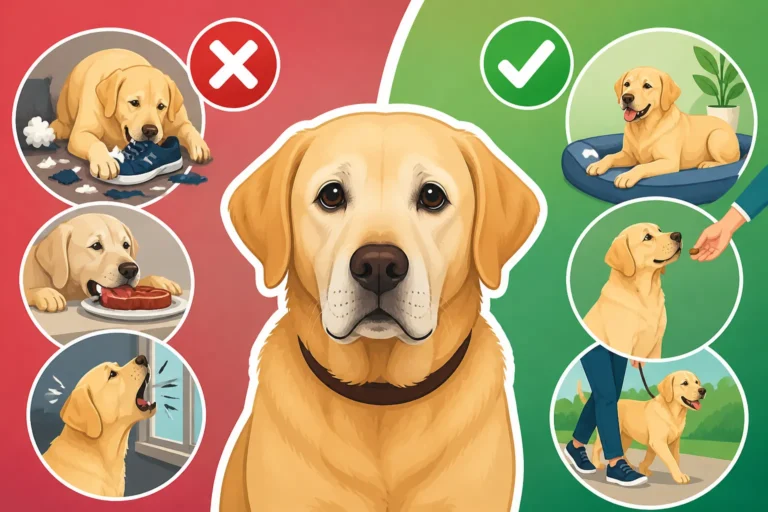
Older Labrador behavioral changes can signal health issues or cognitive decline, requiring veterinary care and empathetic management strategies.

Retraining an adult Labrador covers unknown pasts, setting stable environments, and managing common behaviors like anxiety.
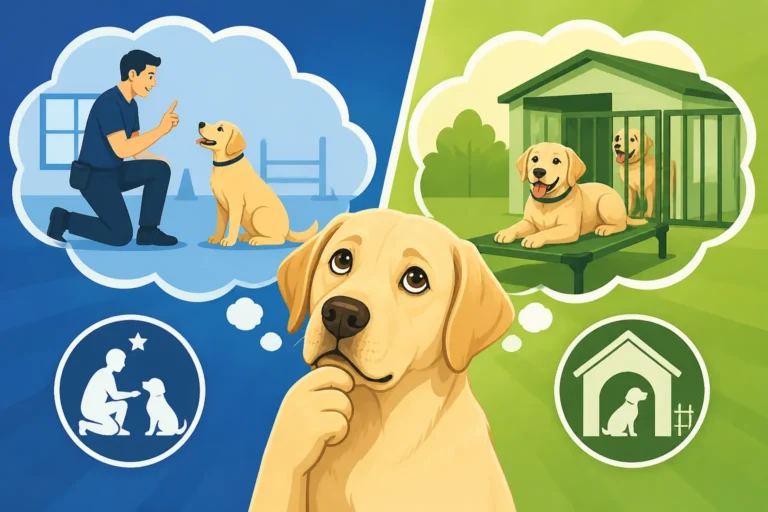
Board and train programs for Labradors explain what to expect and whether this intensive approach suits your dog.

Questions to ask dog trainers reveal methods, manage puppy biting, and help choose the right professional for Labradors.
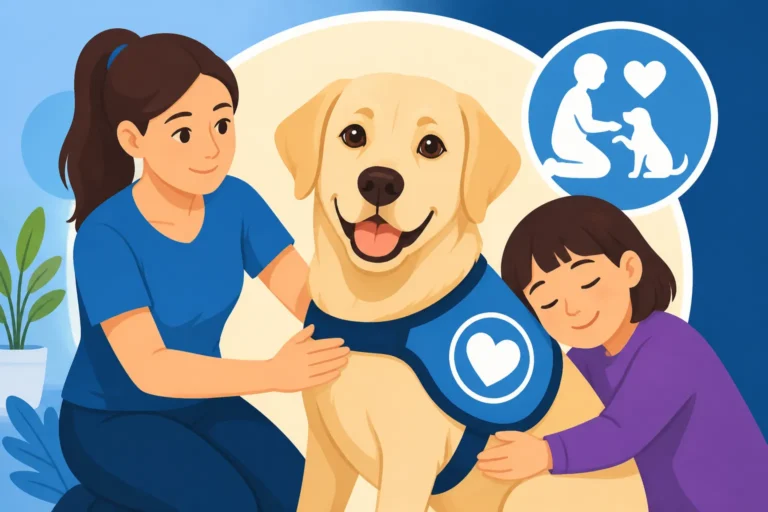
Therapy dog training for Labradors covers core requirements, certification, temperament traits, and differences from service animals.
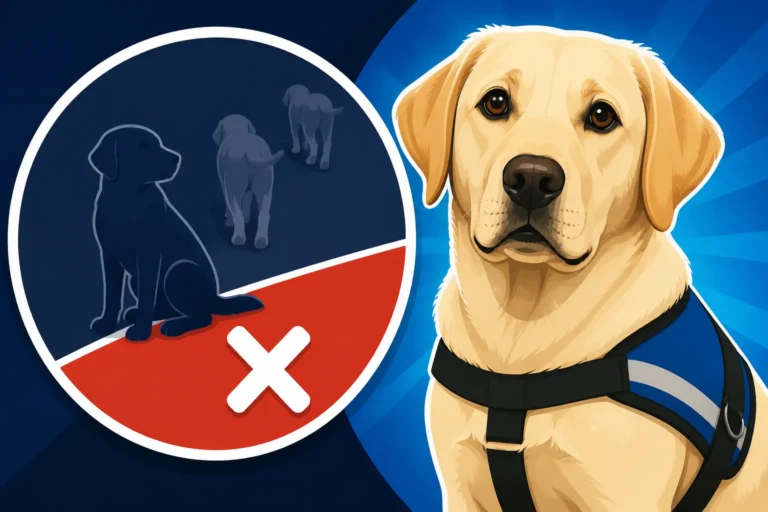
Labrador service dog washout rates reach up to seventy percent because candidates face rigorous training standards and strict criteria.
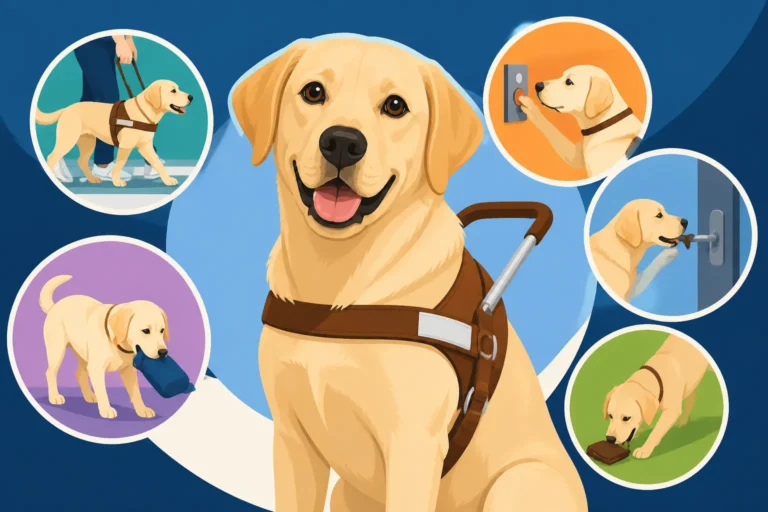
Labrador guide dog tasks include navigating busy streets, avoiding obstacles safely, and making critical decisions for handlers.
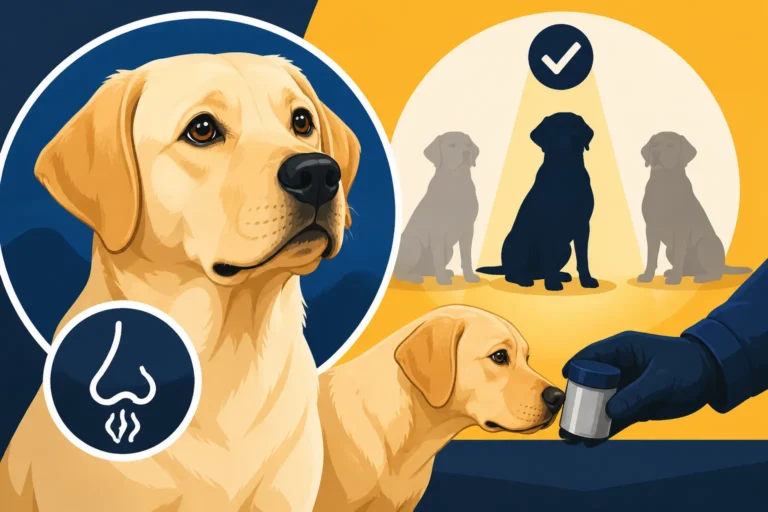
Labrador scent detection selection relies on intelligence, 300 million olfactory receptors, high toy drive, and stable temperament.

Force fetch training for Labradors uses pressure to build reliable retrieves, helping owners decide if the method is necessary.
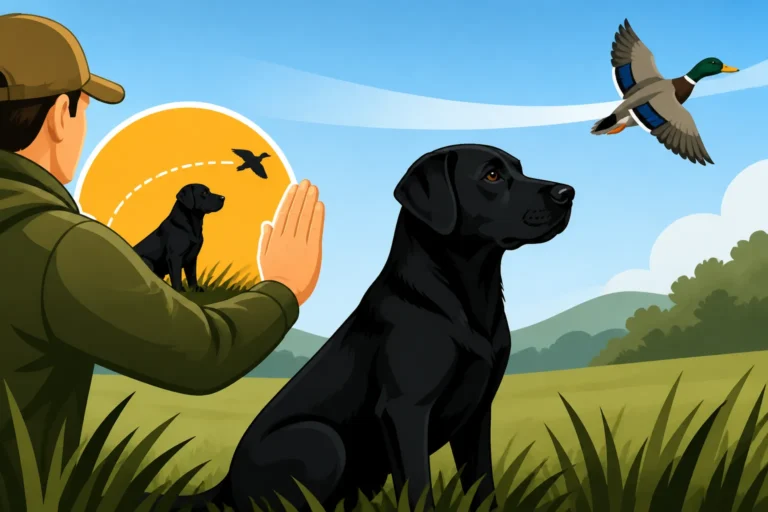
Labrador steadiness training builds impulse control so dogs wait patiently for the cue to retrieve without chasing bumpers early.