Where the Labrador Retriever Came From
The history of the Labrador Retriever traces back to the St. John’s Water Dog that worked with fishermen in Newfoundland, Canada.

The history of the Labrador Retriever traces back to the St. John’s Water Dog that worked with fishermen in Newfoundland, Canada.

Labrador Retriever history, temperament, physical traits, and unique needs help you decide if this breed fits your home.

Portion control helps manage Labradors that constantly overeat due to a genetic POMC gene mutation causing perpetual hunger.

Labrador nutrition management across all life stages, controlling portions for joint health, growth rates, and the genetic appetite mutation.

Labrador temperament details explain working heritage traits, energy levels, soft mouth habits, and strong water affinity.
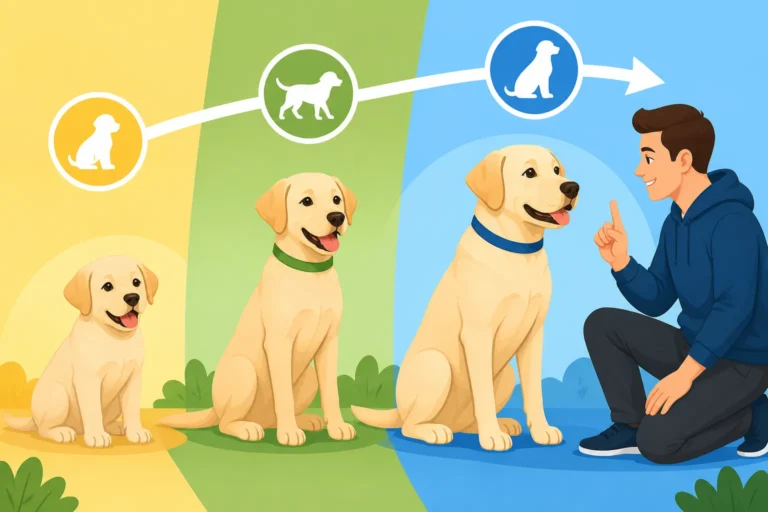
Labrador Retriever puppy training schedules, house rules, and basic obedience methods help owners raise well-behaved dogs.

Labrador puppy purchase costs from a reputable breeder range from $1,000 to $2,500, and rescue adoption fees cost $200 to $600.

Labrador puppy prices range from one thousand to over three thousand dollars, reflecting breeding practices and regional costs.

Exercise-Induced Collapse in Labrador Retrievers is a genetic neuromuscular disorder caused by a DNM1 gene mutation affecting muscle function.

Labrador lifespan averages ten to twelve years, with veterinary data showing a median of twelve years influenced by genetics and coat color.

Labrador Retriever health challenges, genetic research advancements, and responsible breeding practices shape the future of this beloved dog breed.

Labrador show breeding and its history, examining how appearance, temperament, and health evolved over time in the working dog.
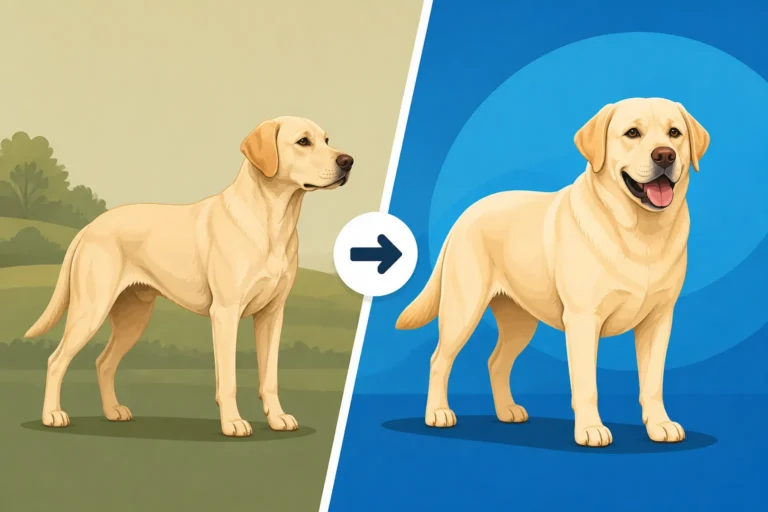
Fifty years of breeding transformed Labrador Retriever physical appearances, temperaments, and health profiles through divergent show and field lines.

Breeder arguments over the modern Labrador stem from historical splits between working lines and show lines in Newfoundland and England.

Labrador field trials test natural gundog abilities through marked and blind retrieves, demanding precision, memory, and obedience.

Labradors serve as guide dogs through their calm temperament, high intelligence, and sturdy physical build for handlers.

Labrador Retriever genetics, stable temperament, and three hundred million olfactory receptors explain airport detection dominance.
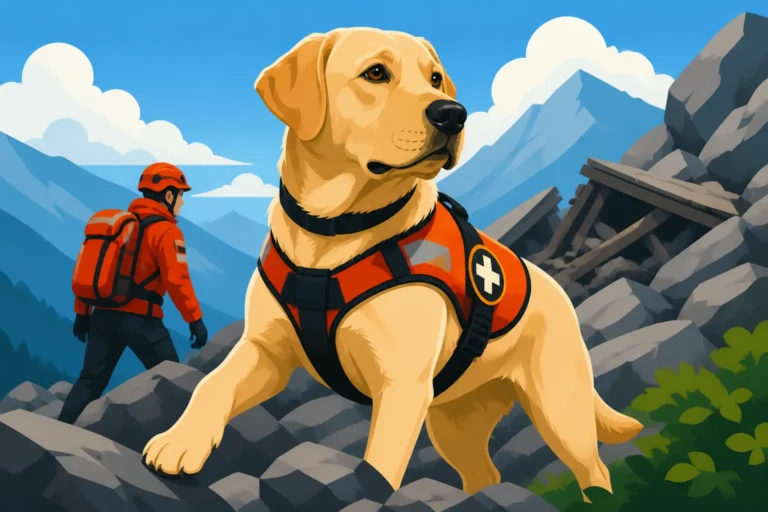
Labradors in search and rescue work rely on exceptional scenting ability, ideal temperament, and sturdy physical attributes for missions.

Labrador DNA tests reveal genetic ancestry, breed purity, hidden mixed breeds, and crucial health risks for better care.

American Kennel Club papers track Labrador Retriever ancestry, confirming purebred status without guaranteeing health or temperament.