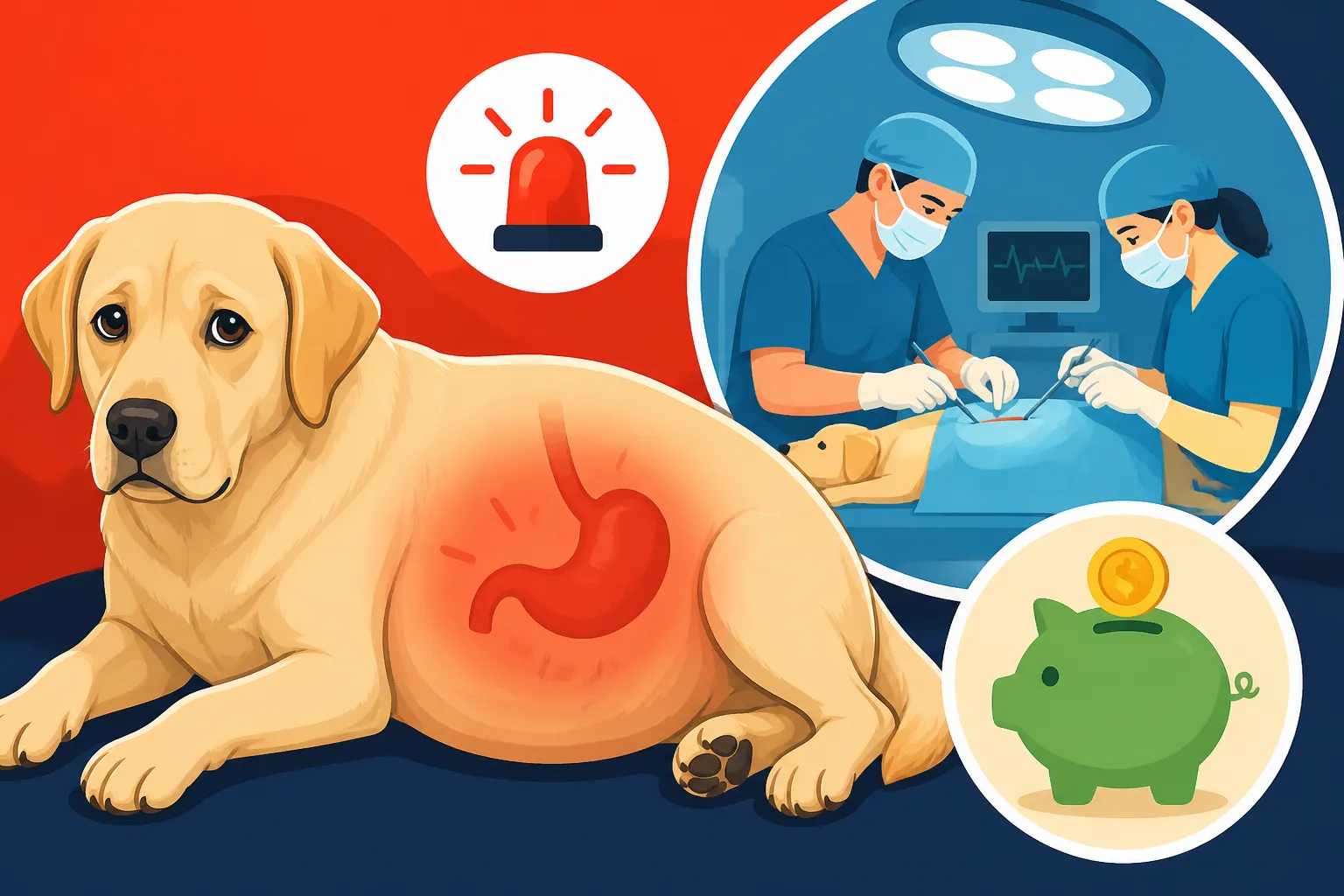
Emergency Bloat Surgery Prices for a Labrador
The moment you realize something is seriously wrong with your beloved Labrador can be utterly terrifying, especially when it's something as sudden and severe as bloat. Many of us have experienced that sickening dread, the frantic rush to the emergency vet, and the immediate, overwhelming fear not just for our dog's life, but also for the daunting financial cost that comes with such a critical, time-sensitive emergency. This guide is here to shed light on what you can expect in terms of emergency bloat surgery prices for a Labrador, and how to navigate this difficult situation.
The Terrifying Reality of Bloat in Labradors: Recognizing the Emergency
Bloat, medically known as Gastric Dilatation-Volvulus (GDV), is every deep-chested dog owner's nightmare, and Labradors, with their athletic builds and deep chests, are unfortunately at a higher risk. This isn't just an upset stomach; it's a rapidly progressing, life-threatening condition where the stomach fills with gas and often twists, cutting off blood supply to vital organs and potentially leading to shock and death within hours. The urgency of this situation cannot be overstated, and understanding the signs is the first, crucial step.
Spotting the Subtle (and Obvious) Signs of GDV
Recognizing bloat early can literally be the difference between life and death for your Labrador. It often starts subtly, which can be deceptive. You might notice your dog seems restless, pacing, and unable to get comfortable, perhaps trying to vomit but nothing comes up – this is known as unproductive retching. They might lick the air, drool excessively, or seem anxious. As the condition progresses, the signs become more obvious.
Their abdomen, especially on the left side, may become visibly distended and hard to the touch, like a taut drum. Your Labrador might whimper or cry out if you gently press on their belly. Their gums can become pale or bluish, and their breathing may become rapid and shallow. Remember, Labradors are famously stoic, and sometimes the only sign is a general "off" feeling or a reluctance to move. It’s important to know how to identify these subtle cues, as ignoring even minor symptoms can have dire consequences. If you even suspect bloat, drop everything and head to the emergency vet immediately.
Why Labradors Are Particularly Vulnerable to This Life-Threatening Condition
Labradors, like other large and deep-chested breeds such as Great Danes, German Shepherds, and Standard Poodles, have a particular anatomical predisposition to bloat. Their chest cavity is deeper than it is wide, allowing their stomach more room to swing and twist when filled with gas. This is a primary factor in their increased risk.
Beyond anatomy, certain lifestyle and feeding habits associated with Labradors can also contribute. Rapid eating, consuming one large meal a day, excessive exercise before or after eating, and even stress can be potential triggers. Many Labrador owners have noticed their dogs inhale their food at lightning speed, a habit that definitely warrants attention to prevent bloat. While genetics play a role, environmental factors and how we manage our dogs' daily routines are also critical in understanding and mitigating the risk. Learning about the specific factors that increase Labrador Bloat Risk and Deep Chests can help you take proactive steps.
Breaking Down the Costs: From Emergency Stabilization to Surgical Intervention
When your Labrador experiences bloat, the financial cost is often the last thing on your mind, but it quickly becomes a pressing concern. Emergency bloat surgery is a complex procedure with many associated expenses, starting from the moment you walk through the vet's door. These costs can vary wildly depending on your location, the specific veterinary facility, and the severity of your dog's condition.
The Immediate Veterinary Assessment and Pre-Surgery Expenses
The first wave of costs hits immediately upon arrival at the emergency veterinary clinic. Your vet’s priority will be to stabilize your Labrador, assess the situation, and prepare them for surgery. This initial phase can include several critical diagnostic tests and treatments.
Expect blood work to check organ function and overall health, X-rays to confirm GDV and assess the extent of the twist, and IV fluid administration to combat shock. Pain medication and antibiotics will also be administered, and the veterinary team might attempt to decompress the stomach using a tube or a needle (trocarization) to relieve pressure. These initial steps are vital but aren't cheap. In a major metropolitan area like Dallas or Seattle, these emergency intake and stabilization procedures alone can range anywhere from $800 to $2,000, before a single incision is made. The sooner you act, following Emergency Steps When a Labrador Bloats, the better the chances of successful stabilization.
The High Stakes of the Bloat Surgery Itself: What You're Paying For
The core of the expense for GDV is the surgical procedure itself, known as a gastropexy. During this surgery, the twisted stomach is carefully untwisted, the gas and fluid are removed, and then the stomach is permanently tacked to the abdominal wall. This "tacking" procedure, a gastropexy, is crucial for preventing future episodes of bloat. However, if the stomach or spleen has been severely damaged due to lack of blood flow, parts of these organs may need to be removed, further increasing the complexity and cost of the operation.
The surgeon's fee, the anesthesiologist's time, the use of the operating room, and the specialized equipment all contribute to the significant price tag. Depending on where you live and the specific veterinary hospital – for example, a university veterinary teaching hospital in a region like the Northeast or California might charge more than a smaller emergency clinic in a rural area – the cost for the actual surgery can range from $3,000 to $7,000. This estimate doesn't yet include the post-operative care, which is equally critical and adds substantially to the final bill.
Navigating Post-Operative Care and Potential Complications
The journey doesn't end when your Labrador leaves the operating room; post-operative care is just as intensive and costly. Your dog will typically need to stay in the ICU for several days for continuous monitoring. This involves IV fluids, constant pain management, anti-nausea medications, and antibiotics. The veterinary staff will be vigilant for potential complications such as cardiac arrhythmias, peritonitis, or further tissue damage, which can arise even after successful surgery.
Every hour your Labrador spends in the ICU, every dose of medication, and every diagnostic test performed (like follow-up X-rays or blood work) adds to the total. If complications occur, such as a heart issue requiring cardiology consults or further procedures, the costs can quickly escalate. You might be looking at an additional $1,000 to $4,000 for a typical 2-4 day hospital stay, easily pushing the total cost of emergency bloat treatment well over $5,000, and sometimes even into the $10,000+ range. This is why having a clear understanding of your Routine Vet Spending on a Labrador and preparing for potential emergencies is so vital.
Here's a quick overview of estimated costs for different stages of bloat treatment:
| Cost Component | Estimated Range (USD) | What it Covers |
|---|---|---|
| Emergency Exam & Intake | $150 – $400 | Initial assessment, physical exam, emergency fee. |
| Diagnostics (X-rays, Bloodwork) | $500 – $1,500 | Confirming GDV, assessing organ function, ruling out other issues. |
| Stabilization & Meds | $200 – $600 | IV fluids, pain relief, antibiotics, stomach decompression attempts. |
| Surgical Procedure (Gastropexy) | $3,000 – $7,000 | Anesthesia, surgeon's fee, operating room, untwisting stomach, tacking. |
| Post-Operative ICU Stay | $1,000 – $4,000+ | 2-4 days of monitoring, IVs, pain management, medications, re-evaluations. |
| Total Estimated Cost | $4,850 – $13,500+ | The full range for an uncomplicated to complex bloat emergency. |
| Prophylactic Gastropexy | $800 – $2,000 | Elective surgery to prevent bloat (often done with spay/neuter). |
Financial Strategies and Prevention: Easing the Burden of Bloat Treatment
Facing a bloat emergency with your Labrador is traumatic enough without the added stress of crushing veterinary bills. Fortunately, there are ways to prepare financially and even proactive measures you can take to prevent this terrible condition from occurring in the first place.
How Pet Insurance Can Be a Lifeline for Unexpected Veterinary Bills
One of the most effective ways to mitigate the financial shock of a bloat emergency is to have a good pet insurance policy in place before a crisis hits. Policies like those offered by Healthy Paws can cover a significant portion of emergency veterinary expenses, including diagnostics, surgery, and post-operative care. However, it's crucial to understand the details of your policy.
Most pet insurance plans have waiting periods, and pre-existing conditions are almost universally excluded. This means you need to enroll your Labrador when they are young and healthy. If you sign up after your dog has already suffered a bloat episode or shown symptoms, that specific condition may not be covered. While it's an ongoing monthly expense, the peace of mind and the ability to say "yes" to life-saving treatment without hesitation are invaluable. When choosing, consider deductibles, reimbursement percentages, and annual limits. It’s worth exploring different providers and their coverage for Pet Insurance for a Labrador Retriever to find the best fit for your family and your budget.
Exploring Other Financial Avenues and Proactive Prevention
If pet insurance isn't an option or doesn't cover the full extent of the bill, there are other financial avenues to explore. Many veterinary clinics work with third-party financing options like CareCredit, which offers deferred interest payment plans. Some clinics also have their own payment plans or can connect you with local charities that offer financial assistance for veterinary emergencies. A dedicated emergency savings fund for your Labrador is also a smart strategy, even if it feels like Labrador Puppy Health in the First Year is the only thing you need to save for. Life throws curveballs, and a separate fund, even a few hundred dollars, can make a significant difference.
Beyond financial preparation, proactive prevention is the best defense against bloat. Consider feeding smaller, more frequent meals throughout the day instead of one large meal. Using a slow-feeder bowl from retailers like Chewy can significantly slow down enthusiastic eaters. Avoid strenuous exercise an hour before and after meals. Some owners even soak their Labrador's kibble to reduce air intake. Perhaps the most effective preventative measure for at-risk breeds is a prophylactic gastropexy, an elective surgery where the stomach is surgically tacked to the abdominal wall to prevent it from twisting in the future. This is often performed concurrently when a Labrador is spayed or neutered. Discussing Whether a Labrador Should Have a Gastropexy with your veterinarian is highly recommended, especially if your Labrador is still young. Thoughtful management of Feeding a Labrador Through Every Life Stage can also play a huge role in preventing bloat and promoting a long, healthy life, helping to ensure How Much Longer a Lean Labrador Lives.
Disclaimer
The information provided in this article is for general informational purposes only and is not a substitute for professional veterinary advice, diagnosis, or treatment. Always seek the advice of your veterinarian or other qualified health provider with any questions you may have regarding a medical condition. While we strive to provide accurate and up-to-date information, costs can vary significantly based on location, facility, and individual circumstances.