Labrador Dental Disease and Tartar
It’s a scenario many Labrador owners know all too well: you lean in for a loving sniff, and instead of fresh doggy breath, you’re hit with a smell that could peel paint. More than just an unpleasant odor, that distinctive bad breath is often the first, most obvious sign of an underlying issue – dental disease and tartar buildup, which can silently wreak havoc on your beloved Lab's health. This guide will take a deep dive into understanding, preventing, and treating dental problems in Labradors, helping you keep their pearly whites (and overall well-being) in top shape.
The Silent Threat: Understanding Dental Disease in Labradors
Dental disease in dogs, much like in humans, begins subtly and progresses over time, often without obvious signs of pain until it's quite advanced. Labradors, with their love for chewing and their often hidden pain responses, are particularly susceptible, making it crucial for owners to understand this common health challenge.
What Exactly is Tartar and Plaque?
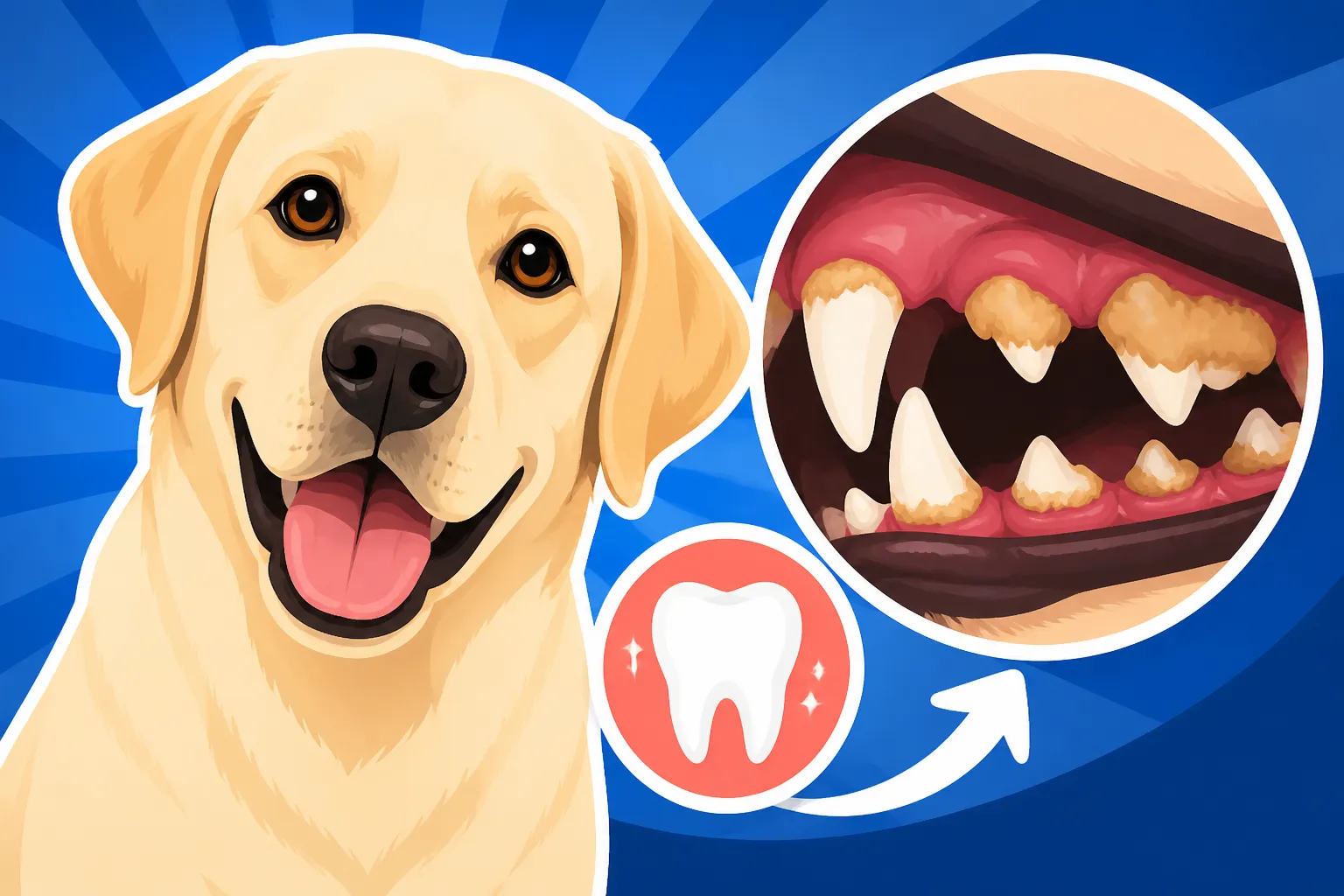
It all starts with plaque, a sticky, colorless film of bacteria that constantly forms on your Labrador's teeth. Every time your dog eats, microscopic food particles combine with saliva and bacteria in the mouth to create this film. If plaque isn't removed regularly, it hardens into a rough, yellowish-brown substance called tartar (or calculus). This is where the real trouble begins.
Tartar is incredibly difficult to remove with just a toothbrush; it requires professional scaling. Once tartar forms, it creates a rough surface that traps even more plaque and bacteria, accelerating the cycle. This buildup isn't just unsightly; it irritates the gums, leading to inflammation and infection. Labradors, known for their strong jaws and love of carrying things, often have mouths that are constantly working, and if their oral hygiene isn't maintained, plaque and tartar can accumulate rapidly.
Beyond Bad Breath: The Stages of Periodontal Disease
Periodontal disease is the general term for infection and inflammation of the structures supporting the teeth. It progresses through several stages, and bad breath is merely the tip of the iceberg.
- Stage 1: Gingivitis. This is the mildest form. You might notice your Lab’s gums are slightly red or swollen, particularly along the gum line, and they might bleed easily when touched. There’s plaque buildup, but no significant attachment loss of the gum to the tooth. At this stage, it’s often reversible with thorough cleaning and improved home care.
- Stage 2: Early Periodontitis. Here, plaque and tartar are more significant. The gums are clearly inflamed, and the infection has started to extend below the gum line. There's minor bone loss and pockets are forming between the gum and tooth. Your dog might start showing subtle signs of discomfort or reluctance to chew hard foods.
- Stage 3: Moderate Periodontitis. The infection is more advanced, with moderate bone loss (25-50% of the tooth root) and deeper periodontal pockets. Teeth may start to become noticeably loose. Your Labrador might be in significant pain, which they will likely try to hide, but you might observe changes in their eating or playing habits.
- Stage 4: Advanced Periodontitis. This is severe, with extensive bone loss (over 50% of the tooth root), significant gum recession, and pus. Teeth are often very loose or even falling out. At this stage, your Lab is in chronic, severe pain, and tooth extraction is almost always necessary. This level of infection has serious implications that extend far beyond the mouth.
Systemic Health Risks of Untreated Dental Disease
The idea that dental disease is "just a tooth problem" is a dangerous misconception. The mouth is a gateway to the rest of the body. When bacteria thrive in your Labrador's inflamed gums, they don't stay confined to the oral cavity. They can easily enter the bloodstream, traveling to vital organs and causing widespread health issues.
These circulating bacteria can contribute to or exacerbate problems in the heart, kidneys, and liver. For instance, they can lead to infections in the heart valves (endocarditis), putting a strain on the cardiovascular system. In the kidneys and liver, the constant presence of bacteria can contribute to inflammation and damage over time, potentially impacting their filtering functions. Untreated dental disease can significantly impact your Labrador Lifespan and What Changes It, leading to a reduced quality of life and potentially shaving years off their life. It's a preventable issue that has profound implications for their overall health and longevity.
Recognizing the Signs: When Your Labrador Needs Dental Attention
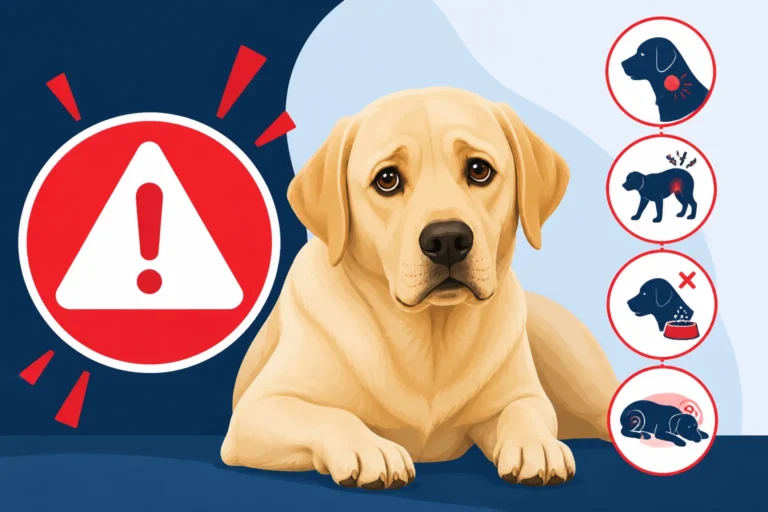
One of the biggest challenges in managing dental disease in Labradors is their incredibly stoic nature. They are champions at hiding pain, a trait likely inherited from their working dog ancestors who needed to endure discomfort to perform their duties. This means that by the time you notice overt signs, the dental problem is often quite advanced.
Subtle Clues Your Labrador Might Be Hiding Pain
Because Labradors are so good at masking discomfort, you need to become a detective, looking for very subtle shifts in their behavior. Don't wait for them to cry out; that likely won't happen.
- Changes in Eating Habits: Is your Labrador suddenly hesitant to eat their kibble, or do they drop food frequently? Are they chewing on one side of their mouth? Perhaps they show less enthusiasm for their favorite hard chew toy or crunchy treats. These are big red flags. They might still eat out of sheer Labrador food drive, but they’ll eat differently or more slowly.
- Paw-Licking or Facial Rubbing: If your Lab is constantly pawing at their mouth, rubbing their face against the carpet or furniture, or frequently licking their lips, it could be an attempt to alleviate oral discomfort.
- Behavioral Shifts: Any unexplained changes in temperament – becoming more withdrawn, irritable, or less enthusiastic about play – could signal chronic pain. It's easy to dismiss these as "getting older" or "just being a Lab," but it's essential to consider pain as a factor. For more on this, you might find our guide on Reading Pain in a Stoic Labrador helpful.
- Excessive Drooling: While some Labradors are naturally droolers, an increase in drooling, especially if the saliva is blood-tinged, can indicate oral pain or infection.
Visual Indicators of Dental Trouble
While subtle behavioral cues are important, direct visual inspection of your Labrador's mouth, if they tolerate it, can confirm your suspicions. However, remember that if your dog is in severe pain, they might resist, and you shouldn't force it.
- Tartar Buildup: The most obvious sign is a yellow, brown, or even greenish-black crust on the surface of the teeth, especially noticeable on the back molars and the canine teeth. This is calcified plaque that can't be brushed off.
- Red, Swollen, or Bleeding Gums: Healthy gums are typically pink and firm. Gums that are puffy, inflamed, bright red, purple, or bleed easily when you gently touch them (or when your dog chews) are a clear indication of gingivitis or more advanced periodontal disease. Look for redness along the gum line where the tooth meets the gum.
- Missing or Broken Teeth: Sometimes, dental trauma or advanced disease can lead to broken or missing teeth. Fractured teeth, especially those where the pulp is exposed, are incredibly painful and can lead to abscesses. Labradors love to chew, and sometimes they pick inappropriate items (like antlers or rocks) that can cause a tooth to chip or break.
- Receding Gums: In more advanced stages, the gums may recede, exposing the root of the tooth, which is incredibly sensitive and prone to further decay.
- Growths or Bumps: While less common, sometimes benign or malignant growths can appear in the mouth. Any unusual lump or bump should be examined by a vet immediately.
Observing these signs means it's time for a veterinary visit. Delaying professional care will only allow the disease to progress, increasing your Labrador's pain and the eventual cost of treatment, which can significantly impact the Annual Cost of Keeping a Labrador Retriever. Early intervention is always best.
Proactive Prevention: Keeping Your Labrador's Teeth Healthy at Home
The best offense is a good defense when it comes to your Labrador's dental health. While professional cleanings are often necessary, a consistent and proactive home care routine can significantly delay the onset of severe dental disease and improve their overall quality of life. Think of it as investing in their long-term comfort and well-being.
The Power of Daily Brushing
Brushing your Labrador's teeth daily, or at least several times a week, is the single most effective way to prevent plaque from turning into tartar. It sounds daunting, especially with a strong, energetic Lab, but with patience and positive reinforcement, most dogs can learn to tolerate and even enjoy it.
- Start Slow and Make it Positive: Begin by simply letting your Labrador lick dog-specific toothpaste off your finger (never use human toothpaste, as it contains ingredients like Xylitol that are toxic to dogs). Once they associate the taste with a positive experience, introduce a finger brush or a soft canine toothbrush.
- Focus on the Outside: You don't need to scrub the inside surfaces of the teeth. The most critical areas for plaque and tartar buildup are the outside surfaces, especially the upper molars and canines. Gently lift their lip and brush in small, circular motions.
- Short and Sweet: Aim for short sessions, 30-60 seconds, initially. As your Lab gets used to it, you can extend the time. Always end with praise and a favorite treat. The goal is to remove plaque before it hardens, so even a quick brush is better than none. For a detailed step-by-step guide, check out our article on Brushing a Labrador's Teeth at Home. Consistency truly is key here.
Dental Chews and Appropriate Toys
While not a substitute for brushing, certain dental chews and toys can play a supportive role in mechanical plaque removal. They work by scraping against the tooth surface as your Labrador chews, helping to dislodge soft plaque.
- Veterinary Oral Health Council (VOHC) Approved Products: Look for products with the VOHC seal. This means they have met specific standards for plaque and/or tartar reduction in clinical trials. Brands like Greenies, Dentastix, and some types of OraVet chews are often VOHC-approved.
- Size Matters: Always choose dental chews appropriate for your Labrador's size and chewing style. A chew that's too small can be a choking hazard, while one that's too soft won't offer much benefit.
- Avoid Harmful Items: Be cautious with extremely hard chews like antlers, hooves, bones, or even some very dense nylon toys. While Labradors love to chew, these can cause slab fractures (broken teeth), which are incredibly painful and often require costly extractions. If you can't easily indent it with your thumbnail, it's likely too hard for your dog's teeth. Our guide on Dental Chews That Work for Labradors provides more insights into safe and effective options.
- Interactive Toys: Some toys, like those designed to dispense treats, can encourage chewing and mental stimulation, but ensure they are durable and won't splinter.
Diet's Role in Oral Health
The food you feed your Labrador can also contribute to their dental health, though it's typically a minor factor compared to brushing and professional cleanings.
- Dental-Specific Kibble: Some veterinary diets are specifically formulated to help reduce plaque and tartar. These kibbles often have a unique shape, texture, or fiber matrix that gently scrubs the tooth surface as the dog chews, or they may contain ingredients that bind to calcium in saliva, preventing tartar formation. Ask your vet if a dental diet, such as those offered by Hill's Prescription Diet t/d or Royal Canin Dental, would be beneficial for your Lab.
- Crunchy vs. Wet Food: While it's often believed that dry kibble is better for teeth than wet food, the reality is more nuanced. Standard kibble offers very little abrasive action to remove plaque. However, sticky wet food can sometimes contribute to plaque buildup if teeth aren't cleaned regularly. A balanced approach considering all aspects of your Labrador’s nutrition, as discussed in Choosing Dog Food for a Labrador Retriever, is best.
- Limited Treats: Be mindful of sugary or starchy treats, which can contribute to plaque formation. Stick to healthier, low-calorie options or use small pieces of their regular kibble for training rewards.
By incorporating these home care practices, you're not just preventing bad breath; you're actively contributing to your Labrador's long-term health and comfort, delaying the need for more invasive (and expensive) procedures.
Professional Dental Care: What to Expect at the Vet
No matter how diligently you brush your Labrador's teeth at home, some level of plaque and tartar will inevitably accumulate below the gum line and in hard-to-reach areas. This is where professional veterinary dental cleanings become absolutely essential. It's not just about aesthetics; it's a critical medical procedure.
The Importance of Regular Veterinary Dental Cleanings
A professional dental cleaning goes far beyond what you can do at home. It's a comprehensive procedure performed under general anesthesia, allowing your veterinarian to thoroughly assess and treat your Labrador's entire oral cavity.
- Thorough Examination: Anesthesia allows for a complete oral examination, including probing around each tooth to check for periodontal pockets (a sign of gum disease) and examining the tongue, palate, and inner cheeks for any abnormalities.
- Dental X-Rays: This is a game-changer. Just like in human dentistry, X-rays reveal the hidden problems below the gum line that aren't visible to the naked eye. This can include bone loss, abscesses, unerupted teeth, or fractured tooth roots. Many serious issues, such as painful root infections, would be missed without X-rays.
- Scaling and Polishing: Using specialized ultrasonic scalers and hand instruments, the veterinary team removes plaque and tartar from above and below the gum line, much like your own dental hygienist. After scaling, the teeth are polished to smooth out any microscopic scratches, which makes it harder for plaque to adhere in the future.
- Anesthesia Concerns: It's completely normal to feel apprehensive about your Labrador undergoing anesthesia. However, modern veterinary anesthesia is very safe, especially with proper pre-anesthetic screening. Your vet will conduct blood tests to assess organ function and create a tailored anesthesia plan for your Lab, monitoring vital signs closely throughout the procedure. The risks of untreated dental disease often far outweigh the minimal risks of anesthesia. Our article on How Often a Labrador Needs Dental Cleaning delves deeper into establishing a routine schedule with your vet.
Costs and Considerations for Dental Procedures
Professional dental care, especially when extractions or advanced treatments are needed, can be a significant expense. It's a realistic concern for many pet parents, and understanding the potential costs can help you plan.
- Varying Costs: A routine dental cleaning without extractions typically ranges from $300 to $800, but this can vary widely based on your geographic location, the veterinary clinic's pricing, and the extent of pre-anesthetic diagnostics. If extractions are necessary, the cost can easily climb to $1,000 to $3,000 or more, especially for complicated extractions or multiple teeth.
- Factors Influencing Price:
- Severity of Disease: The more advanced the periodontal disease, the more time, specialized tools, and potential extractions will be needed.
- Number of Extractions: Each tooth extraction adds to the cost, especially if it's a multi-rooted tooth or requires surgical techniques.
- X-Rays: Full-mouth X-rays are crucial and are an additional cost, though many clinics now include them in their standard dental packages.
- Medications: Post-operative pain medication and antibiotics (if infection is present) will also add to the final bill.
- Managing Costs with Pet Insurance: This is where pet insurance can be a lifesaver. Providers like Healthy Paws often cover a significant portion of unexpected dental procedures due to accident or illness, as long as the condition isn't pre-existing and preventive cleanings aren't always covered unless they lead to an extraction. While some policies might not cover routine cleanings, they typically cover the more expensive, unforeseen treatments like extractions or root canals needed due to disease. It's definitely worth looking into Pet Insurance for a Labrador Retriever to help buffer these costs. Even if you're thinking about things like Whether Insurance Covers Labrador Hip Dysplasia, dental issues can be just as costly, so comprehensive coverage is something to consider.
Here's a general table of estimated costs, but remember these are just averages and can fluctuate:
| Procedure Type | Estimated Cost Range (USD) | Notes |
|---|---|---|
| Routine Cleaning (no extractions) | $300 – $800 | Includes examination, scaling, polishing, anesthesia, monitoring |
| Single Simple Extraction | Add $50 – $200 per tooth | For incisors or small, single-rooted teeth |
| Single Complex Extraction | Add $200 – $600 per tooth | For molars, canines, or surgically challenging teeth |
| Full Mouth Dental X-rays | $150 – $300 | Often bundled with cleaning, crucial for assessing root health |
| Antibiotics/Pain Medication | $30 – $100 | Post-procedure medication |
Post-Procedure Care and Long-Term Management
After your Labrador's dental procedure, they might be a little groggy from the anesthesia. Your vet will provide specific instructions for their recovery:
- Soft Food: If extractions were performed, your Labrador will need to eat soft food for several days to a week to allow the extraction sites to heal.
- Pain Management: Your vet will likely prescribe pain medication to keep your Lab comfortable, especially after extractions. It's crucial to administer these as directed.
- Monitor Healing: Keep an eye on the extraction sites (if any) and your Lab's overall demeanor. Report any excessive bleeding, swelling, or signs of severe discomfort to your vet immediately.
- Reinforce Home Care: Once your Labrador has fully recovered, it's vital to get back on track with home dental care – daily brushing, appropriate dental chews, and possibly a dental-friendly diet. This will help maintain the benefits of the professional cleaning for as long as possible. Think of professional cleanings as a reset button, and home care as the ongoing maintenance. Establishing good habits early will make a world of difference for a Labrador, even as they become a Caring for a Senior Labrador.
Addressing Specific Dental Challenges in Labradors
While routine dental disease is the most common issue, Labradors can face other specific dental challenges that require prompt attention. Knowing what to look for and when to act can prevent further complications and discomfort for your dog.
Broken Teeth and Trauma
Labradors are often enthusiastic chewers, and unfortunately, this can sometimes lead to dental trauma, most commonly broken teeth. A broken tooth is not just a minor inconvenience; it can be incredibly painful and a gateway for infection.
- Common Causes: The most frequent culprits are chewing on hard objects like antlers, real bones, ice, rocks, or even some types of very hard nylon toys. Accidents, like running into something or being hit by a car, can also lead to tooth fractures.
- Symptoms: Signs of a broken tooth can include sudden sensitivity to cold or hot, reluctance to chew on one side of the mouth, dropping food, pawing at the mouth, or swelling on the face below the eye (indicating an abscessed tooth root). Sometimes, you might visibly see the chip or crack in the tooth. A common type of fracture is a "slab fracture" on the upper premolars, often caused by chewing hard items.
- Urgency of Veterinary Care: If you suspect your Labrador has a broken tooth, it's crucial to see your vet as soon as possible. If the fracture exposes the pulp cavity (the center of the tooth where the nerves and blood vessels are), bacteria can enter, leading to a painful infection and abscess.
- Treatment Options: Depending on the severity and location of the fracture, treatment options include:
- Extraction: This is the most common and often most cost-effective solution, especially for molars or severely damaged teeth.
- Root Canal Therapy: For valuable teeth (like canine teeth or strategic molars), a root canal can save the tooth, but it's a more specialized and expensive procedure typically performed by a veterinary dental specialist.
Retained Baby Teeth in Puppies
While usually seen more in smaller breeds, Labradors can occasionally experience retained deciduous (baby) teeth. This occurs when the permanent adult tooth erupts without pushing out the corresponding baby tooth, leading to two teeth occupying the same space.
- Why It Happens: This can be due to genetic factors, overcrowding in the mouth, or the adult tooth simply not erupting in the correct position to resorb the root of the baby tooth. In Labradors, while less common than in chihuahuas or poodles, it still happens and can be overlooked. Our comprehensive guide on Labrador Puppy Health in the First Year covers various developmental issues, including dental ones.
- Complications: Retained baby teeth can cause several problems:
- Malocclusion: The adult tooth can be forced into an abnormal position, leading to an incorrect bite (malocclusion) that can cause pain, trauma to opposing soft tissues, or premature wear of other teeth.
- Plaque and Tartar Buildup: Two teeth in one socket create a tight, narrow space where food particles and bacteria can easily become trapped. This makes it incredibly difficult to clean and significantly accelerates plaque and tartar accumulation, increasing the risk of early periodontal disease.
- Oral Trauma: The retained baby tooth can rub against the gum or palate, causing painful ulcers or sores.
- When Removal is Necessary: If a retained baby tooth is present after the adult tooth has erupted and is causing any of the above complications, it typically needs to be surgically extracted by a veterinarian. This is usually done around 4-6 months of age, often coinciding with a spay or neuter procedure if scheduled. Early intervention is key to prevent long-term dental problems. You can learn more about this specific issue in our article on Retained Baby Teeth in a Labrador Puppy.
By being vigilant about these specific challenges, alongside a strong routine of daily home care and regular professional check-ups, you can ensure your Labrador enjoys excellent oral health, contributing significantly to their overall well-being and happiness for many years to come.
Disclaimer
Please remember that this article is intended for informational purposes only and is not a substitute for professional veterinary advice. Always consult with a qualified veterinarian for any health concerns or before making any decisions about your Labrador's care and treatment.