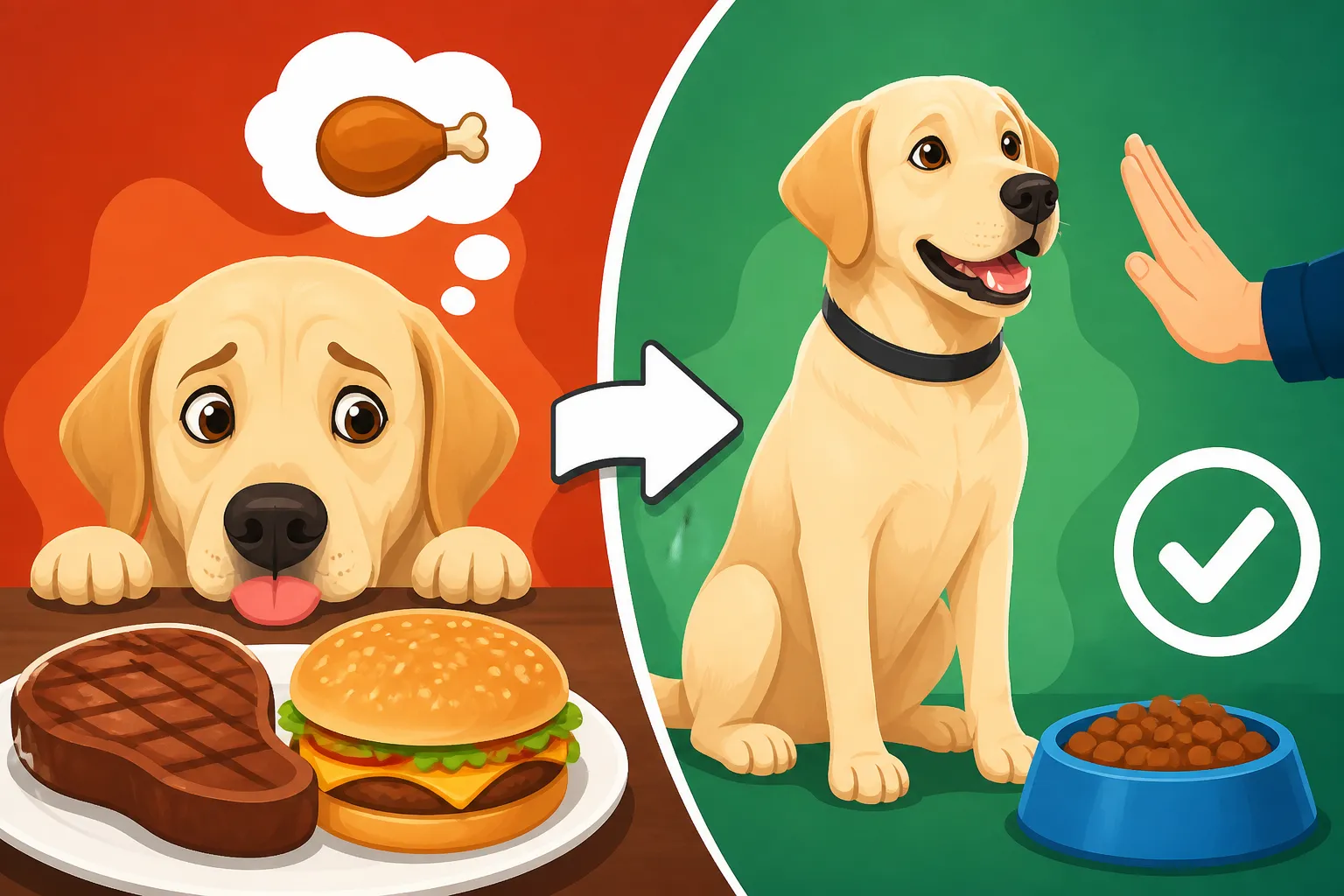
Whether a Food-Obsessed Labrador Can Be Trained Out
If you live with a Labrador, you know their love for food isn't just a quirky trait – it's a deep-seated, often all-consuming passion that can lead to constant begging, counter-surfing, and even ingesting dangerous items. This guide aims to help you understand why Labradors are so food-driven and provides practical, empathetic strategies to manage their insatiable appetites and improve their behavior around food.
Understanding the Labrador's Deep-Seated Food Drive
It's easy to feel frustrated when your Labrador stares intently at your dinner plate or tries to sneak a bite off the kitchen counter the moment your back is turned. You might wonder if you're doing something wrong, or if your dog is just exceptionally stubborn. The truth is, a Labrador's intense focus on food isn't simply bad manners; it's often rooted in their genetics and historical purpose. Understanding this can shift your perspective from frustration to a more compassionate and effective training approach.
The Genetic Link to Labrador Appetite
For many Labrador owners, it feels like their dog has a bottomless pit for a stomach. This isn't just an illusion; science has actually confirmed a significant genetic component to the Labrador's prodigious appetite. Researchers have identified a specific gene mutation, known as the POMC gene deletion, that plays a crucial role in regulating hunger and satiety in Labradors. Dogs with this mutation essentially don't feel "full" in the same way other dogs do, or their brains don't process the signals to stop eating as effectively. It’s like their internal "off switch" for hunger is a bit broken.
Studies have shown that Why a Quarter of Labradors Overeat by Genetics – roughly one in four Labradors carries at least one copy of this gene mutation. Those with two copies of the mutation are particularly prone to obesity and exhibit an even stronger drive to seek out and consume food. This isn't a character flaw; it's a biological predisposition that makes them constantly feel hungry, even right after a meal. This profound genetic influence means that a food-obsessed Labrador isn't just being "naughty"; they are literally wired to be hyper-focused on food. Understanding The POMC Gene and Labrador Appetite can help us approach their behavior with more patience and a realistic understanding of the challenge.
Beyond Hunger: Scavenging and Resourcefulness
While genetics play a huge role, a Labrador's food obsession also stems from their inherent nature as retrievers and their impressive intelligence. These dogs were bred for generations to work alongside fishermen, retrieving fallen fish and game, which meant they needed to be highly attuned to their environment and incredibly resourceful. This history translates into a modern-day Labrador who is a master scavenger and opportunist. They don't just eat when they're hungry; they eat because food is available, because it smells interesting, or because they've learned that persistence pays off.
This scavenging instinct is why they're so adept at Labrador Counter Surfing and Food Theft or rooting through trash bins. They remember where they found food last time, and they'll try again and again. Their powerful noses make them excellent at detecting even the smallest crumb or stray treat. Combine this natural drive with the genetic predisposition to feel perpetually hungry, and you have a dog that views nearly everything as a potential snack. It's not personal; it's just a Labrador being a Labrador.
Practical Strategies for Managing Food Obsession
Training a food-obsessed Labrador isn't about "training out" their inherent drive – that's often impossible due to their genetics. Instead, it's about managing that drive through consistent training, environmental management, and thoughtful dietary choices. The goal is to teach them appropriate behaviors around food, reduce opportunities for undesirable scavenging, and help them feel as satisfied as possible within healthy limits.
Teaching Impulse Control Around Food
One of the most crucial aspects of managing a food-obsessed Labrador is teaching them impulse control. This means training them to wait patiently, to leave food when asked, and to understand that not all food belongs to them. It requires patience and consistency, but it's entirely achievable. Start with basic commands like "leave it" and "wait."
- "Leave It": This command is invaluable. Start by placing a low-value treat on the floor, covering it with your hand. When your Labrador looks at you (not the treat), mark the behavior (with a clicker or "yes!") and reward them with a different, higher-value treat from your other hand. Gradually uncover the treat, then place it further away, always rewarding for looking at you. Practice with various distractions and in different environments. This teaches them that ignoring temptation leads to a better reward. If your Labrador already tries to eat inappropriate items, practicing Teaching a Labrador to Drop It Reliably is also critical for safety.
- "Wait": Use "wait" before meal times, before going through doors, or before taking a treat. Hold their food bowl down, say "wait," and only release them with an "okay" or "go ahead" cue when they are calm. Gradually increase the duration they have to wait. This builds patience and self-control, crucial for a dog that wants to gobble everything immediately.
Consistency is key. Every family member needs to be on board with these commands and enforce them every single time. Letting them get away with counter-surfing "just this once" undoes weeks of training.
Securing the Home Environment
Training alone won't work if your Labrador constantly has access to forbidden foods. Environmental management is just as important, if not more so, for a food-obsessed dog. Think of it as "Labrador-proofing" your home.
- Kitchen and Dining Area: This is ground zero for many food-related issues. Never leave food unattended on counters or low tables. If you can't supervise, confine your Labrador to another room or a crate. Ensure trash cans have secure, Labrador-proof lids – some Labs are incredibly clever at figuring out latches! Labrador-Proofing a Kitchen might involve installing child locks on lower cabinets or using baby gates to block access during meal prep.
- Pantry and Storage: Keep pantry doors closed and secure. Store dog food, treats, and human snacks in heavy-duty, chew-proof containers that your Lab can't open or knock over. Many Labs will go to extreme lengths to get into a bag of kibble, sometimes eating until they're dangerously bloated.
- Outdoor Spaces: Be vigilant in your yard for dropped food, compost, or anything else your Labrador might try to eat. If you go for walks, always supervise what they sniff and try to mouth. Having a strong "leave it" command is essential for preventing them from eating potentially toxic items found on the ground.
These preventative measures greatly reduce the opportunities for your Labrador to practice unwanted behaviors and reinforce their food obsession.
Using Food Puzzles and Slow Feeders
A Labrador's mealtime can be over in seconds, leaving them feeling unsatisfied and immediately looking for more. Slowing down their eating and engaging their brains can make a huge difference in their contentment and reduce begging behaviors.
- Slow Feeder Bowls: These bowls have ridges, mazes, or pillars that force your Labrador to eat around obstacles, significantly extending mealtime. This simple change can prevent gulping, which is not only unhealthy but also leaves them feeling less satiated. Slow Feeder Bowls for a Gulping Labrador are a fantastic, low-effort solution.
- Food Puzzle Toys: Instead of just feeding meals in a bowl, use a portion of their kibble in puzzle toys like Kongs, treat-dispensing balls, or snuffle mats. These toys make your Labrador "work" for their food, engaging their minds and instincts. This mental stimulation can be just as tiring as physical exercise and helps redirect their food drive into an appropriate, enriching activity. Filling a Kong with wet food and freezing it can provide a long-lasting, satisfying challenge. Learn more about Puzzle Feeders That Slow a Greedy Labrador and why they're so effective.
- Interactive Feeding: You can also use mealtime as a training opportunity. Instead of putting down a whole bowl, use their daily kibble ration for short training sessions throughout the day. This makes them earn their food, reinforces good behavior, and makes mealtime a more engaging experience.
Dietary Management and Lifestyle Adjustments
Beyond training and environmental control, what and how you feed your Labrador plays a monumental role in managing their food obsession. A well-managed diet can contribute significantly to their overall health and sense of well-being, even for a dog genetically predisposed to constant hunger.
Choosing the Right Food and Portions
The type and amount of food your Labrador receives are critical. Because Labradors are prone to weight gain, and that "full" signal is often weak, precise Portion Control for a Food-Obsessed Labrador is paramount.
- High-Quality, Appropriate Food: Consult with your vet about the best food formula for your Labrador's age, activity level, and any health concerns. Sometimes, a food with higher fiber content can help dogs feel fuller for longer. If your Labrador is prone to being overweight, a weight-management formula might be recommended. You can learn more about Whether a Weight Control Diet Costs More and its benefits.
- Accurate Measuring: Ditch the guesswork! Use a kitchen scale to weigh your Labrador's kibble at each meal, or at the very least, a precise measuring cup. Even small overestimations daily can lead to significant weight gain over time. Many owners underestimate how much food they're actually giving.
- Limited Treats: Treats are a common culprit in overfeeding. Be mindful of How Many Treats a Labrador Can Have Daily and always factor them into their overall calorie intake. Opt for low-calorie, healthy options like small pieces of carrot, green beans, or their own kibble during training sessions. Avoid human table scraps entirely, as this reinforces begging and can lead to digestive upset or even toxicity.
Remember, Labrador Obesity and the Years It Costs is a serious concern, greatly impacting their lifespan and quality of life. Maintaining a healthy weight is one of the kindest things you can do for your food-obsessed Lab.
The Role of Exercise in Satiety
Physical activity is not just good for burning calories; it's also vital for a Labrador's mental and physical well-being, and it can play a role in managing their appetite. A tired Lab is often a less food-obsessed Lab.
- Regular, Vigorous Exercise: Labradors are energetic dogs, and they need plenty of opportunities to run, swim, and play. Daily walks are good, but they often need more vigorous activity like fetch, swimming, or running with you. Exercise burns off excess energy that might otherwise be directed towards seeking food out of boredom.
- Mental Stimulation: Don't forget that mental exercise is just as important as physical. Scent work, training sessions, and puzzle toys tire out their brains. A Labrador that has spent time thinking and problem-solving is often more content and less likely to obsess over food. Engaging their keen intelligence with activities like "find the treat" games (using their regular kibble) can be incredibly satisfying for them and less about pure hunger.
- Timing of Meals: Some owners find success feeding their Labrador after a good exercise session. This way, they're settling down and can digest their food more calmly, and the activity might help them feel more "earned" and satisfying.
When to Seek Professional Help
While many food-related behaviors can be managed with consistent training and environmental changes, there are times when a Labrador's food obsession might require professional intervention. Don't hesitate to reach out if you're feeling overwhelmed or if your dog's behavior poses a significant risk to their health or your household.
Identifying Problematic Food Behaviors
It's one thing for a Labrador to beg for a treat, but it's another entirely for their food obsession to become dangerous or extreme. Keep an eye out for these more problematic behaviors:
- Pica: This is the ingestion of non-food items. While Labradors might mouth things, repeatedly eating rocks, socks, toys, or other inedible objects can lead to serious blockages and require emergency surgery. A food-obsessed Labrador might resort to pica if they're constantly looking for something to chew and swallow.
- Resource Guarding: If your Labrador becomes aggressive or possessive over food, toys (that they might think are food), or even empty bowls, this is a serious issue. Growling, snapping, or biting when someone approaches their food is a sign of resource guarding and needs professional guidance immediately.
- Extreme Counter-Surfing or Raiding: While common, if your Labrador is constantly and aggressively attempting to get food, even when you're present, or if they're damaging property to get to food (e.g., tearing open cupboards), it’s a sign that their drive is overwhelming their ability to control themselves.
- Rapid, Uncontrolled Weight Gain: Despite your best efforts, if your Labrador is rapidly gaining weight or becoming obese, it’s a health concern that needs immediate attention.
Consulting with Your Veterinarian and Trainers
Your veterinarian should always be your first point of contact for any health or behavior concerns. They can rule out underlying medical conditions that might contribute to increased appetite, such as Cushing's disease or certain metabolic disorders. They can also provide guidance on appropriate diet and weight management. Having a good pet insurance plan, like one from Healthy Paws, can be a huge relief if your Lab ever does manage to ingest something harmful or needs long-term care for obesity-related illnesses.
For persistent behavioral issues, especially those like resource guarding or severe anxiety around food, a certified professional dog trainer or a veterinary behaviorist can offer tailored strategies. They can observe your Labrador's specific behaviors, assess the root cause, and develop a comprehensive training plan that addresses your dog's unique needs. They can also advise on specific training tools and techniques that might be more effective for your particular situation. Remember, you don't have to tackle this challenge alone!
Food-Related Behavior and Management Summary
Effectively managing a food-obsessed Labrador involves a multi-pronged approach combining understanding, training, environmental control, and diet.
| Behavior/Challenge | Underlying Cause (Often) | Management Strategy | Key Takeaways |
|---|---|---|---|
| Constant Begging & "Starved" Look | Genetic predisposition (POMC gene), learned behavior | Impulse control training ("wait"), consistent feeding schedule, ignore begging | Labs are wired for hunger; don't give in to sad eyes. |
| Counter-Surfing & Table Raiding | Scavenging instinct, opportunism, lack of boundaries | Environmental management (no food left out), "leave it" command | Prevention is easier than cure. Secure all food sources. |
| Gulping Food at Mealtime | High food drive, poor satiety signals | Slow feeder bowls, puzzle feeders | Slowing consumption aids digestion and can increase satiety. |
| Eating Inappropriate Items (Pica) | Extreme food drive, boredom, nutrient deficiency (less common) | Strict supervision, "leave it" command, adequate mental/physical exercise | Dangerous behavior; requires diligent management and potentially vet consult. |
| Overweight/Obesity | Overfeeding, lack of exercise, genetic predisposition | Precise portion control, vet-approved diet, regular vigorous exercise | Weight management is crucial for health and longevity. |
| Resource Guarding | Instinctual protection of valuable resources, fear, insecurity | Professional behaviorist consultation, desensitization, counter-conditioning | Serious safety issue; seek professional help immediately. |
Disclaimer
This article is intended for informational purposes only and does not constitute veterinary advice. Always consult with a qualified veterinarian or certified professional dog trainer for any health or behavior concerns regarding your Labrador Retriever.