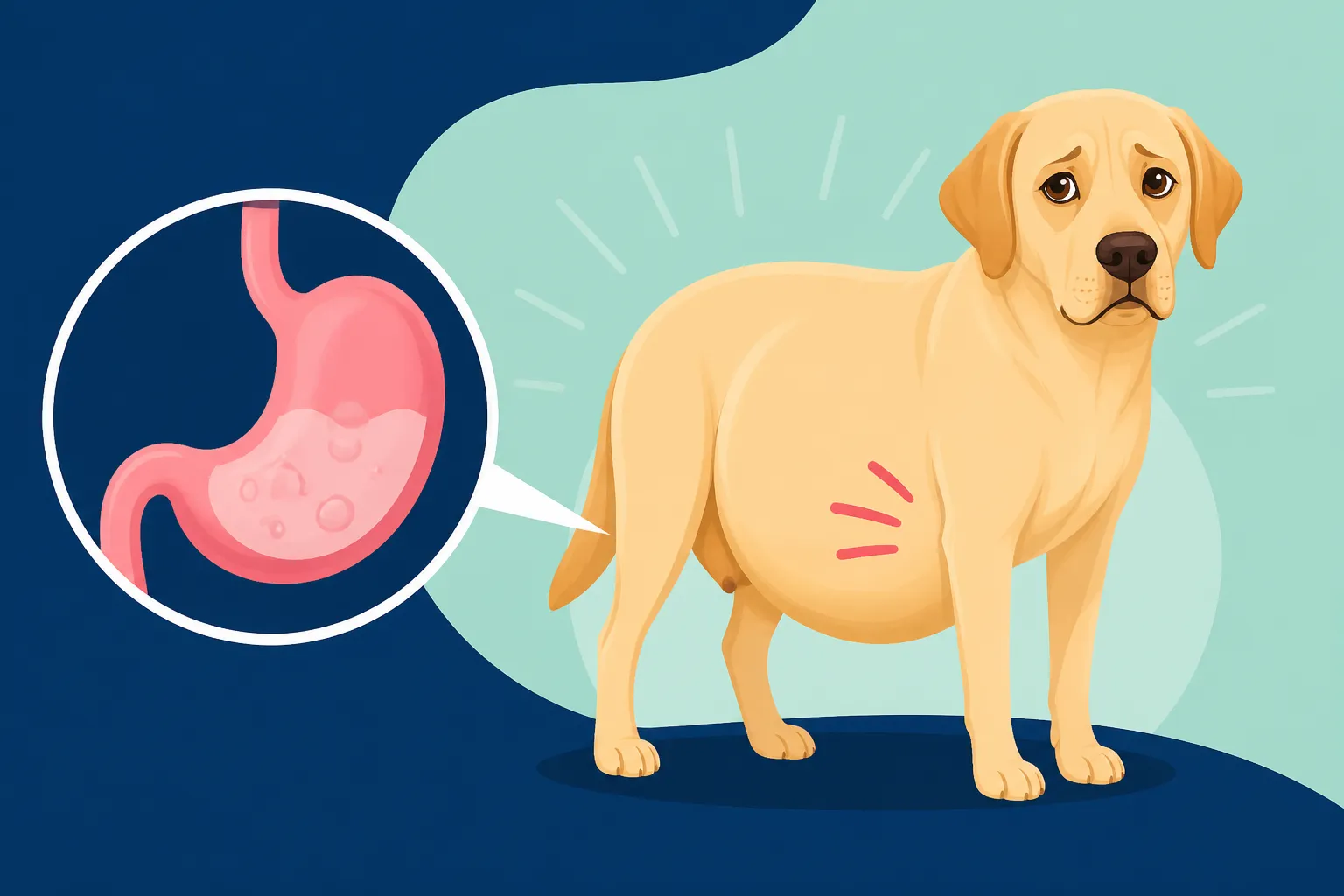
Bloat Symptoms in a Labrador Retriever
It’s every Labrador owner's worst nightmare: you notice your cheerful, energetic companion suddenly restless, pacing, and perhaps trying to vomit without success. These subtle, yet terrifying, signs could point to gastric dilatation-volvulus, more commonly known as bloat, a life-threatening condition that can escalate in mere minutes. This comprehensive guide is here to help you understand what bloat is, recognize its critical symptoms early, and know exactly what to do when every second counts for your beloved Labrador.
Understanding Gastric Dilatation-Volvulus (GDV) in Labradors
Bloat is one of the most frightening emergencies a dog owner can face, and for us Labrador folks, it's a constant worry lurking in the back of our minds. It's not just a bad tummy ache; it's a critical, often fatal, condition that requires immediate veterinary intervention. Knowing what you're up against is the first step in being prepared.
What is Bloat and Why is it So Serious?
At its simplest, bloat refers to the stomach filling with gas, a condition called gastric dilatation. While uncomfortable, this isn't always immediately life-threatening on its own. The real danger comes when the distended stomach then twists or rotates, a phenomenon known as volvulus. This rotation pinches off both the entrance and exit of the stomach, trapping gas, food, and fluids inside. It also cuts off blood supply to the stomach wall, and puts immense pressure on other organs, including the diaphragm, making breathing difficult, and the major blood vessels returning blood to the heart.
The consequences of this twisting are dire and rapid. Without blood flow, parts of the stomach tissue begin to die off. The restricted blood return to the heart can lead to shock and multi-organ failure. The stomach can even rupture. The speed at which this happens is terrifying; a dog can go from seeming mildly uncomfortable to being in severe shock within an hour or two. This is why it’s not just a concern but a dire emergency, demanding that you act swiftly without hesitation.
Why Labradors Are at Higher Risk
While any dog can experience bloat, Labradors, like many other large, deep-chested breeds, are unfortunately considered to be at a significantly higher risk. This isn't just anecdotal observation; veterinary studies consistently highlight this breed predisposition. The exact reasons aren't fully understood, but several factors are believed to contribute. Their characteristic deep, narrow chest conformation creates a larger space where the stomach can swing and twist, unlike broader-chested dogs.
Genetics also play a role, suggesting that bloat can run in families. If your Labrador's parents or close relatives have experienced GDV, your dog's risk might be elevated. Beyond physical traits, certain lifestyle and dietary habits can increase susceptibility. Rapid eating, consuming one large meal a day, excessive exercise before or after meals, and even stress are all considered potential triggers. Understanding these risks is crucial for any Labrador owner looking to provide the best preventative care and remain vigilant for signs. You might also want to learn more about Labrador Bloat Risk and Deep Chests to truly grasp the anatomical factors at play.
Recognizing the Early Warning Signs of Bloat
The absolute key to successfully treating bloat is early detection. Labradors are famously stoic, often hiding discomfort until it's severe, which can make things even trickier. It’s vital to be acutely aware of both subtle behavioral shifts and more obvious physical symptoms. The earlier you recognize the problem, the better your dog's chances of survival.
Subtle Changes in Behavior
Sometimes, the first indications of bloat are not the dramatic ones you might expect, but rather small, uncharacteristic changes in your Labrador's demeanor. Your typically playful and happy-go-lucky dog might suddenly become unusually restless, unable to settle down, pacing around the house, or constantly shifting positions. This restlessness often stems from abdominal discomfort that they can't quite alleviate. They might try to lie down but get up almost immediately, repeating this cycle.
You might also notice an anxious or worried expression on their face, perhaps with wide eyes or excessive drooling, which is another common, albeit subtle, sign of nausea and distress. Some Labs might try to hide or become unusually clingy, seeking comfort but still unable to find ease. A decrease in activity or an unusual lethargy, especially if your dog is usually full of beans, should also raise a red flag. These early behavioral cues are easily dismissed as just an "off day," but with a breed prone to bloat, they warrant close observation. It's often hard to discern pain in our dogs, as this article on Reading Pain in a Stoic Labrador highlights.
Physical Symptoms to Watch For
As bloat progresses, the physical symptoms become more apparent and alarming. One of the most classic and recognizable signs is unproductive retching or gagging. Your Labrador will look like they’re trying to vomit, perhaps even forcefully, but nothing, or very little, comes up – maybe just some foamy saliva. This happens because the stomach is twisted, blocking the normal expulsion of contents. This isn't just regular vomiting; it's a distressed effort that yields no relief.
Another tell-tale sign is the visibly distended abdomen, particularly on the left side, just behind the rib cage. The stomach will swell with gas, making the belly appear tight, firm, and often drum-like to the touch. This distension might become more pronounced as time passes. Along with this, you might notice increased drooling due to nausea, and your dog might groan or whine when you gently press on their belly. Other physical signs include rapid, shallow breathing due to the pressure on the diaphragm, and pale gums which indicate poor circulation and shock. If you observe any of these symptoms, especially in conjunction with the behavioral changes, consider it an immediate emergency.
The Progression of Symptoms
The scary reality of GDV is how quickly it can progress from mild discomfort to a life-threatening crisis. What starts as a bit of restlessness or a soft groan can rapidly escalate. Within a short period, sometimes as little as 30 minutes to an hour, the abdomen can become visibly distended, and the unproductive retching can become constant and frantic. The dog's gums may turn pale, indicating they are going into shock, and their heart rate will likely increase.
As the condition worsens, your Labrador may become visibly weaker, stumbling, collapsing, or unable to stand. Their breathing will become more labored and rapid. They might enter a state of severe shock, becoming unresponsive. This rapid progression is why waiting to see if symptoms improve is incredibly dangerous and often fatal. Every moment counts, and prompt recognition and action are the only way to significantly improve your Labrador's prognosis. This isn't a condition where you can afford to "wait and see."
Here’s a quick overview of symptoms and their urgency:
| Symptom Category | Early/Subtle Signs | Advanced/Critical Signs | Urgency Level |
|---|---|---|---|
| Behavioral | Restlessness, Pacing, Seeking attention/hiding, Anxious look, Lethargy | Collapse, Unresponsiveness, Extreme weakness | Immediate |
| Gastrointestinal | Excessive drooling, Licking lips | Unproductive retching/vomiting, Dry heaving | IMMEDIATE EMERGENCY |
| Abdominal | Mild discomfort, Tenderness to touch | Distended, hard, drum-like abdomen | IMMEDIATE EMERGENCY |
| Respiration | Panting, Rapid breathing | Labored breathing, Shallow breaths, Gasping | IMMEDIATE EMERGENCY |
| Circulatory | N/A | Pale gums, Increased heart rate, Weak pulse | IMMEDIATE EMERGENCY |
What to Do If You Suspect Bloat
Discovering your Labrador showing signs of bloat is terrifying. Your mind might race, and panic can easily set in. But it's precisely in these moments that clear, decisive action is most important. Knowing exactly what to do can be the difference between life and death.
Immediate Veterinary Action is Crucial
If you even suspect bloat, do not hesitate for a single second. This is not a condition you can treat at home, nor should you attempt to observe if symptoms improve. Bloat is a medical emergency that demands immediate professional veterinary attention. The moment you notice unproductive retching, a distended abdomen, or significant restlessness paired with other subtle signs, pick up your phone and call your veterinarian or the nearest emergency veterinary clinic. Inform them that you suspect GDV in your Labrador and that you are on your way. This allows them to prepare their team and equipment for your arrival, saving precious minutes.
Driving carefully but swiftly, get your dog to the clinic. Time is of the essence. The quicker your dog receives medical intervention, which often includes stabilization, decompressing the stomach, and potentially surgery, the higher their chances of survival. Delaying can lead to irreversible damage, severe complications, and a much graver prognosis. For more details on what steps to take, check out our guide on Emergency Steps When a Labrador Bloats.
Emergency Steps You Can Take (and What NOT to Do)
While getting to the vet is the primary goal, there are a few things you can do to manage the situation and, crucially, things you must avoid. Keep your Labrador as calm as possible; excessive excitement or stress can worsen their condition. You might gently rub their side, speak in soothing tones, and ensure they are comfortable in the car. Transport them safely, perhaps lying down or in a position that seems to cause them the least discomfort.
What NOT to do is equally important:
- Do not try to decompress the stomach yourself. Puncturing your dog’s abdomen with a needle is extremely dangerous and can cause severe infection, internal bleeding, or damage to other organs. This procedure should only be performed by a trained veterinary professional.
- Do not try to force your dog to vomit. The stomach is already twisted, and forcing vomiting can cause further distress or even rupture.
- Do not offer food or water. Again, the stomach is compromised, and adding anything to it can exacerbate the problem.
- Do not administer any over-the-counter medications. These are unlikely to help and could even interfere with veterinary treatments.
Your role as an owner is to recognize the signs, act immediately, and get your Labrador to professional help. Be prepared for potential costs, as emergency surgery for bloat can be expensive. Many owners find peace of mind with pet insurance plans, and companies like Healthy Paws can provide significant coverage for such unforeseen medical emergencies, helping you focus on your dog's recovery rather than the bill. It's important to understand the typical costs involved in veterinary care, as highlighted in our article on Labrador Emergency Vet Bills.
Preventing Bloat in Your Labrador
While bloat can strike unexpectedly, there are proactive measures you can take to significantly reduce your Labrador’s risk. Prevention focuses heavily on thoughtful feeding practices and careful management of their activity. As responsible Labrador owners, these steps become part of our daily routine.
Feeding Strategies to Reduce Risk
How you feed your Labrador plays a huge role in their bloat risk. Instead of one large meal a day, which can lead to rapid eating and stomach distension, it's generally recommended to feed two or three smaller meals throughout the day. This distributes the food intake and reduces the amount of gas and food sitting in the stomach at any one time. Slow feeder bowls are excellent tools for Labradors who tend to gulp down their food too quickly, forcing them to eat at a more measured pace. Some slow feeders, like those from Outward Hound, are designed specifically to challenge fast eaters.
The topic of elevated food bowls is a bit controversial. While historically recommended to prevent bloat, some studies have actually linked them to an increased risk in certain large breeds. It's best to discuss this with your vet to determine what's appropriate for your individual dog. Regardless of bowl height, ensure your Labrador has a quiet, calm place to eat, away from other pets or household commotion that might encourage them to eat faster. Understanding Feeding a Labrador Through Every Life Stage can help you adapt these strategies as your dog grows.
Managing Exercise Around Meals
Strenuous exercise, especially immediately before or after eating, is a well-documented risk factor for bloat. The bouncing and jostling of a full stomach during vigorous activity can increase the likelihood of it twisting. Therefore, it's crucial to establish a routine that separates meal times from periods of intense physical exertion.
Aim for at least an hour before and two hours after meals to avoid heavy exercise, such as running, jumping, or intense play. A leisurely walk to relieve themselves before a meal is usually fine, but save the enthusiastic games of fetch or long hikes for when their stomach is relatively empty. Likewise, if your Labrador is a vigorous drinker after exercise, try to limit large gulps of water by offering smaller, controlled amounts throughout the day, especially after activity. Consistent hydration is important, but preventing excessive, rapid water intake after exertion can help. You can learn more about appropriate activity levels in Exercise a Labrador Needs Each Day.
The Role of Gastropexy Surgery
For high-risk breeds like Labradors, particularly those with a family history of bloat or an exceptionally deep chest, a prophylactic gastropexy is an option worth serious consideration. This surgical procedure involves permanently attaching the stomach to the abdominal wall, preventing it from twisting. While it doesn't prevent the stomach from dilating (filling with gas), it dramatically reduces the chance of the much more dangerous volvulus (twisting).
Many veterinarians recommend performing a gastropexy at the same time a Labrador is spayed or neutered, as it utilizes the same surgical approach and recovery period. This combination can reduce the overall stress and cost compared to two separate procedures. Discussing this option with your vet is vital, as they can assess your Labrador's individual risk factors and help you make an informed decision. While it's an upfront cost, the peace of mind and the potential to save your dog from a life-threatening emergency are invaluable. Our article on Whether a Labrador Should Have a Gastropexy provides a deeper dive into this preventative measure.
Disclaimer
The information provided in this article is for educational purposes only and should not be considered a substitute for professional veterinary advice. Always consult with a qualified veterinarian for any health concerns or before making any decisions related to your pet's health and treatment.