How Often Labradors Get Otitis Externa
If you're a Labrador owner, chances are you've already experienced that tell-tale head shake, the incessant scratching, or even caught a whiff of that unmistakable odor coming from your beloved dog's ears. It's incredibly frustrating to see your happy-go-lucky Lab uncomfortable, and it often feels like a constant battle against recurring ear infections. This comprehensive guide is here to shed light on why Labradors are so susceptible to otitis externa, how often it occurs, what you can do to prevent it, and how to effectively manage those pesky flare-ups.
Understanding Otitis Externa in Labradors
Dealing with a Labrador's ear issues can feel like a never-ending saga for many owners. It's not just an occasional nuisance; for some, it's a chronic condition that causes significant discomfort for their furry friend and a fair bit of worry for them. Otitis externa, while common across many breeds, seems to have a particular affinity for our Labs, making it a frequent topic of conversation among owners and a regular reason for vet visits.
What Exactly Is Otitis Externa?
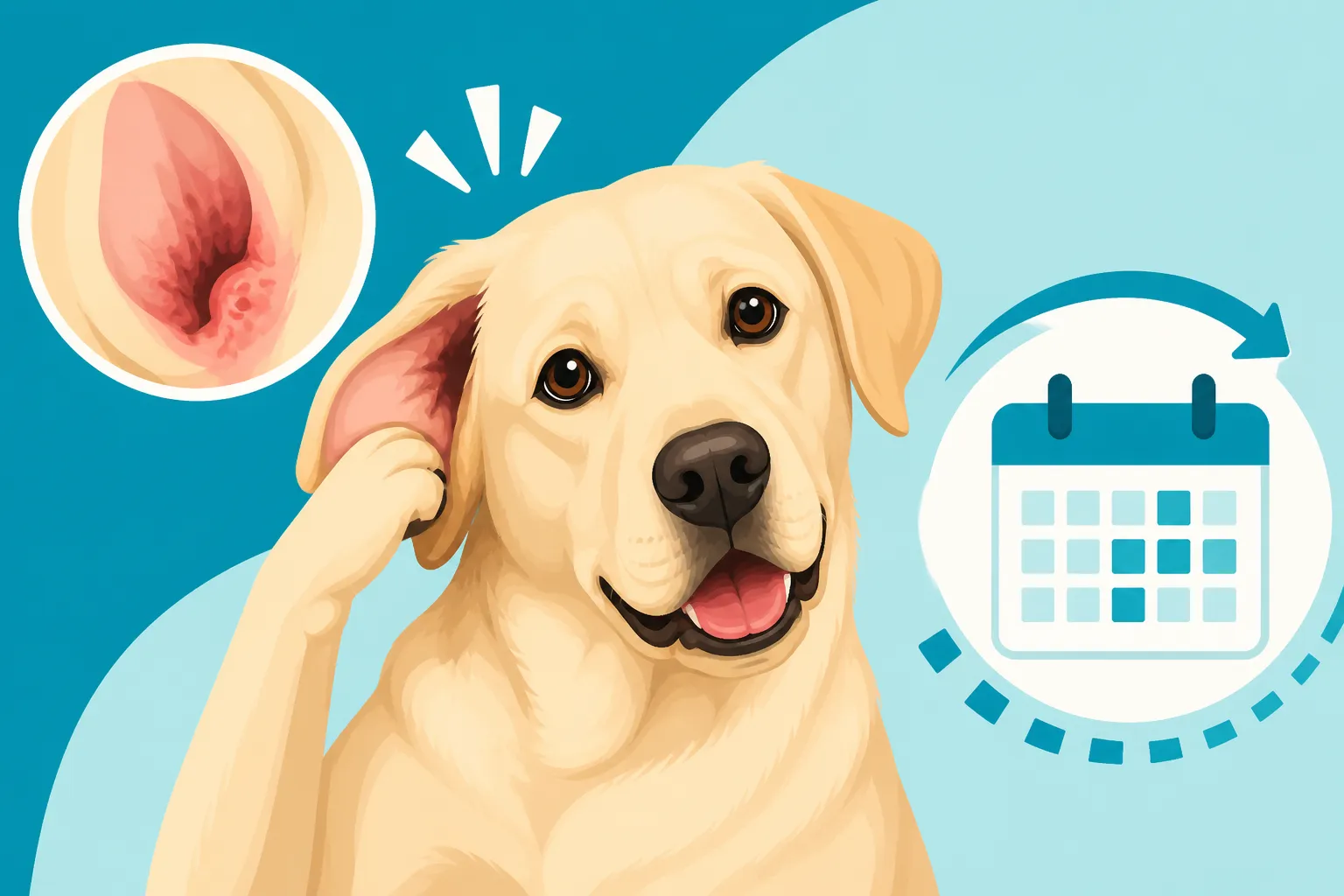
At its core, otitis externa is simply an inflammation or infection of the outer ear canal. This is the part of the ear that you can see and extends down to the eardrum. When we talk about inflammation, we're referring to redness, swelling, and itchiness. An infection often accompanies this inflammation, usually caused by bacteria or yeast, which thrive in warm, moist, and inflamed environments. You might notice discharge that can be waxy, crusty, or even pus-like, often accompanied by a foul smell that you won't soon forget.
The symptoms can range from subtle to overtly painful. In the early stages, your Labrador might just shake their head a little more frequently or scratch at an ear with their hind paw. As it progresses, you could see them rubbing their ear against furniture, tilting their head, or even whining when you touch the affected area. Some Labs, being the stoic companions they are, might try to hide their discomfort, so knowing the subtle signs is key to early intervention. For more insights into how our beloved Labs often hide discomfort, you might find our article on Reading Pain in a Stoic Labrador particularly helpful.
Why Labradors Are So Prone
It sometimes feels unfair that such a wonderful breed should suffer from something so common, but there are several reasons why Labradors, in particular, get otitis externa so frequently. Their anatomy plays a huge role. Those gorgeous, floppy ears, which are so characteristic of the breed, unfortunately, create a warm, dark, and humid environment that is perfect for bacteria and yeast to flourish. Unlike breeds with upright ears, air circulation is significantly restricted, making it harder for moisture to evaporate.
Beyond the floppy ears, Labradors also tend to have narrower ear canals compared to some other breeds. This narrowness, combined with the presence of hair growing inside the canal, can easily trap debris, wax, and moisture, further exacerbating the issue. But perhaps the biggest contributing factor for many Labs is their absolute adoration for water. Whether it's a lake, a puddle, or a swimming pool, most Labradors can't resist a good swim. While wonderful for exercise, all that water trapped in their ears after a dip creates an ideal breeding ground for infection. This is a common pattern observed in veterinary practices, with many Labs presenting with ear infections after a fun day at the beach or local pond.
Common Causes and Contributing Factors
It’s not just one thing that leads to an ear infection; often, it’s a perfect storm of several factors aligning to make your Lab miserable. Understanding these underlying causes is crucial for effective prevention and long-term management. Just treating the symptoms without addressing the root cause is like patching a leaky roof without fixing the underlying structural damage – it'll just keep coming back.
Allergies as a Major Culprit
Many Labrador owners are surprised to learn that what often looks like an isolated ear infection is actually a symptom of a much broader issue: allergies. Both environmental allergies (atopy) and food allergies can manifest themselves prominently in the ears. If your Lab is constantly battling recurring ear infections, even with diligent cleaning, allergies should be high on your list for investigation. Environmental allergens like pollen, dust mites, or molds can trigger an inflammatory response that makes the ear canal itchy and red, creating the perfect conditions for secondary bacterial or yeast infections.
Similarly, certain ingredients in your Labrador's diet can trigger a systemic allergic reaction, which frequently shows up as itchy skin and ears. Chicken, beef, dairy, wheat, and soy are common culprits in food sensitivities. When the body reacts to these allergens, it can cause inflammation and increased wax production in the ears, leading to that familiar cycle of infection. This is why when conventional treatments don't yield lasting results, your vet might suggest an elimination diet to pinpoint potential food triggers. It's a long process, but it can be incredibly effective in breaking the cycle of chronic ear problems. The connection between generalized skin issues and ear health in Labs is so strong that we even have a guide on Labrador Ear and Skin Disease, which dives deeper into these linked conditions.
The Role of Moisture and Swimming
It’s no secret that Labradors are water dogs through and through. They were literally bred for retrieving game from icy waters, and most of them still embrace this heritage with joyful abandon every chance they get. Unfortunately, this love for splashing around can be a double-edged sword when it comes to ear health. Water, especially from lakes or ponds, often contains bacteria and other microorganisms. When this water gets trapped in your Lab's ear canal, it doesn't just sit there innocently.
The warm, moist environment creates an incubator, allowing any lurking bacteria or yeast to multiply rapidly. Without proper drying and cleaning after a swim, this dampness can quickly lead to an infection. It's not just swimming, either; even a vigorous bath can lead to water intrusion if care isn't taken to protect the ears. Owners often tell stories of a perfectly healthy Lab suddenly developing an ear infection a day or two after a trip to the beach, and almost invariably, water trapped in the ear is the primary suspect. Our detailed article on Labrador Ear Infections and Swimming provides even more targeted advice on this specific challenge.
Foreign Bodies and Other Irritants
While less common than allergies or moisture, foreign bodies can also be a significant cause of otitis externa in Labradors. Think about those long walks through grassy fields or areas with a lot of seed heads. Small plant material, like grass awns (often called "foxtails"), can easily work their way into the ear canal. Once inside, they can cause intense irritation, inflammation, and even puncture the eardrum, leading to severe pain and infection. Your Lab might suddenly start shaking their head violently or scratching at one specific ear if a foreign body is present.
Beyond actual foreign objects, improper ear cleaning techniques can also become an irritant. Using cotton swabs too deeply, which can push debris further into the canal, or using harsh cleaning solutions not designed for canine ears, can damage the delicate lining of the ear canal and predispose it to infection. Even over-cleaning with appropriate solutions can sometimes disrupt the natural balance of the ear's microenvironment, leading to irritation. It's a delicate balance between keeping the ears clean and causing unnecessary trauma.
Recognizing the Signs and When to Act
One of the biggest challenges for Labrador owners is knowing when an ear issue is just a bit of normal dirt and when it's something more serious that warrants a vet visit. Because Labs are often so stoic, they might not outwardly show extreme pain until an infection is well-established. Being vigilant and knowing what to look for can save your dog a lot of discomfort and potentially prevent a minor irritation from escalating into a chronic problem.
Early Warning Signals
The earliest signs of an ear infection can be subtle. You might notice your Labrador shaking their head a little more frequently than usual, perhaps after they wake up from a nap or after a walk. They might also start scratching at their ear with a hind paw, sometimes quite vigorously. Another common sign is rubbing their ear against the carpet, furniture, or even your leg. If you notice these behaviors, it's a good prompt to take a closer look at their ears.
As the infection progresses, the signs become more obvious. You'll likely start to notice redness and swelling around the opening of the ear canal. There might be a discharge, which can vary in color and consistency – from dark brown and waxy to yellowish-green and pus-like. A foul, yeasty, or even rotten smell is a dead giveaway that something is amiss. Some Labs might hold their head tilted to one side or become sensitive to touch around their ears. If you gently try to lift their ear flap, they might flinch or vocalize their discomfort. Don't ignore these signs; early intervention is almost always easier and less expensive than treating a severe, chronic infection.
The Importance of Timely Vet Intervention
It’s tempting to try and manage a minor ear issue at home, especially if your Labrador has had them before. Maybe you have some leftover ear cleaner or drops from a previous infection. However, self-treating without a proper veterinary diagnosis can actually do more harm than good. Different types of infections (bacterial vs. yeast) require different medications, and using the wrong one can be ineffective or even worsen the problem by promoting drug resistance. Furthermore, if a foreign body is present or the eardrum is ruptured, certain medications can cause significant damage.
Delaying a vet visit allows the infection to become more entrenched, causing greater pain for your dog and potentially leading to more complex, expensive, and lengthy treatments. Chronic, untreated ear infections can lead to permanent changes in the ear canal, such as thickening and narrowing, making future infections even harder to treat. In severe cases, it can even require surgical intervention. Getting your Labrador to the vet as soon as you notice signs of an ear problem is critical for their comfort and long-term ear health. This is where pet insurance, like a policy from Healthy Paws, can be incredibly helpful, as it provides peace of mind that you can seek veterinary care without undue financial stress when these issues pop up.
Diagnosis and Treatment Approaches
Once you've made that all-important vet appointment, you're on the path to getting your Labrador relief. The diagnostic process is usually straightforward, but it’s thorough to ensure the correct treatment plan is implemented. Knowing what to expect can ease some of the apprehension you might feel when your pup is clearly in discomfort.
What to Expect at the Vet
When you bring your Labrador in for an ear issue, your veterinarian will start with a comprehensive physical exam, paying special attention to their ears. They'll visually inspect the outer ear, looking for redness, swelling, discharge, and odor. Next, they'll use an otoscope, a specialized instrument with a light, to look deep into the ear canal and examine the eardrum. This helps them identify the severity of the inflammation, any foreign bodies, and crucially, check if the eardrum is intact.
After the visual inspection, the vet will almost certainly take a sample of the discharge from your Labrador's ear for cytology. This involves gently swabbing the ear and then examining the sample under a microscope. This simple test is incredibly powerful because it tells the vet whether the infection is caused by bacteria, yeast, or both. It can also identify specific types of bacteria or yeast, guiding the choice of medication. In cases of chronic or severe infections, or if the initial treatment isn't working, your vet might recommend a culture and sensitivity test. This sends a sample to a lab to grow the bacteria or yeast and then test which antibiotics or antifungals are most effective against that specific strain, ensuring a targeted and powerful treatment.
Common Treatment Strategies
Treatment for otitis externa in Labradors usually involves a multi-pronged approach tailored to the specific type and severity of the infection. The first step often involves a thorough cleaning of the ear canal, sometimes performed by the vet, especially if there's a lot of debris or if the ear is very painful. This clears out wax and discharge, allowing medications to penetrate effectively. Your vet will likely prescribe topical ear medications, which are typically drops or ointments that you'll need to administer at home for a specified period, often 7-14 days. These medications usually contain a combination of an antibiotic (to kill bacteria), an antifungal (to kill yeast), and a corticosteroid (to reduce inflammation and pain).
In more severe cases, or if your Labrador is very painful, the vet might also prescribe oral medications. This could include oral antibiotics, oral antifungals, or anti-inflammatory drugs to reduce discomfort and swelling throughout the body. Pain management is also a crucial part of the treatment, as ear infections can be incredibly painful. Your vet might prescribe canine-safe pain relievers to keep your Lab comfortable during the healing process. It's vital to follow your vet's instructions precisely and complete the entire course of medication, even if your Labrador's ears appear to be getting better quickly, to prevent a relapse or the development of resistant organisms.
Prevention and Long-Term Management
The best offense is a good defense, especially when it comes to keeping those Labrador ears healthy. Since we know Labs are prone to otitis externa, adopting proactive measures and a consistent care routine can significantly reduce the frequency and severity of infections. It’s all about creating an environment where those pesky bacteria and yeast can’t thrive.
Regular Ear Cleaning Routines
Establishing a routine for cleaning your Labrador's ears is perhaps the most impactful preventive measure you can take. For Labs that swim frequently, cleaning their ears immediately after every water exposure is absolutely essential. For those less prone to getting wet, a weekly or bi-weekly check and clean can still be very beneficial. Your vet can recommend a good quality, canine-specific ear cleaning solution; avoid using harsh chemicals or alcohol-based cleaners, as these can irritate the sensitive ear canal.
To clean, gently hold your Labrador's ear flap up and squirt the cleaning solution directly into the ear canal until it's full. Then, gently massage the base of the ear for 20-30 seconds. You'll often hear a squishy sound, which means the solution is breaking up the wax and debris. Allow your Lab to shake their head (have a towel ready!). After they shake, use a clean cotton ball or gauze wrapped around your finger to gently wipe out any visible dirt and excess solution from the outer ear and the part of the canal you can easily reach. Never use cotton swabs inside the ear canal, as this can push debris deeper or damage the eardrum. Consistency is key here; a few minutes of effort can prevent days of discomfort and costly vet bills.
Addressing Underlying Issues
If your Labrador continues to suffer from recurrent ear infections despite diligent cleaning and appropriate treatment, it's a strong indication that an underlying cause hasn't been fully addressed. Often, the culprit is allergies. Working with your veterinarian to identify and manage these allergies is paramount for long-term ear health. This might involve environmental allergy testing and subsequent immunotherapy (allergy shots), or it could mean embarking on a food elimination diet. An elimination diet is often a first step for suspected food allergies and involves feeding a novel protein or hydrolyzed protein diet for 8-12 weeks, strictly avoiding all other foods and treats, to see if ear symptoms improve.
Beyond allergies, ensuring your Labrador is otherwise healthy can also contribute to better ear health. A strong immune system is always better equipped to fight off opportunistic infections. Making sure your Lab is on a high-quality diet, gets appropriate exercise, and maintains a healthy weight can all indirectly support their overall health, including their ears. Remember, a dog prone to ear infections might also be prone to other skin issues, so a holistic approach to their health is always best. Consistent dialogue with your vet, especially if you have pet insurance like Healthy Paws, allows for these deeper investigations without the worry of unexpected expenses.
Monitoring and Proactive Care
Even with the best preventive routine, Labradors, given their predisposition, can sometimes still develop ear issues. The key is vigilant monitoring. Get into the habit of routinely checking your Labrador's ears – a quick sniff and peek can become second nature. Look for any changes in appearance, discharge, or odor. Pay attention to their behavior: any increase in head shaking, scratching, or rubbing should immediately prompt a closer inspection.
By being proactive, you can often catch an infection in its very early stages, when it's much easier to treat and causes less discomfort for your dog. Keeping a small "ear first-aid kit" at home with an appropriate ear cleaner and perhaps some anti-inflammatory wipes (if recommended by your vet for mild irritation) can be beneficial for those initial signs. However, always remember that any persistent or worsening symptoms warrant a trip to the vet. Knowing your Labrador's "normal" ear condition is your best tool for early detection and ensuring they live a happy, healthy life, free from the constant burden of ear infections.
Ear Health Checklist: Healthy vs. Infected
Here's a quick reference table to help you distinguish between a healthy Labrador ear and one that might be experiencing otitis externa. This can be a useful tool for your routine checks.
| Feature | Healthy Ear | Infected Ear (Otitis Externa) |
|---|---|---|
| Appearance | Pale pink, clean, no visible swelling/redness | Red, swollen, inflamed, sometimes crusty or scaly |
| Odor | Faint, clean, or no odor | Foul, yeasty, rotten, or strong odor |
| Discharge | Minimal clear/light brown wax | Excessive dark brown wax, yellowish-green pus, watery |
| Temperature | Normal to touch | Warm or hot to the touch |
| Sensitivity/Pain | Not sensitive to touch | Painful when touched, flinching, whining |
| Behavioral Signs | No head shaking, scratching, or rubbing | Frequent head shaking, persistent scratching, rubbing ear |
| Hair | Clean, minimal debris | Matted hair around ear opening, wet from discharge |
| Inside Canal | Clear, no blockage | Narrowed due to swelling, potentially with debris/pus |
Disclaimer
The information provided in this article is for general informational purposes only and is not intended as a substitute for professional veterinary advice, diagnosis, or treatment. Always seek the advice of your veterinarian or other qualified health provider with any questions you may have regarding a medical condition.