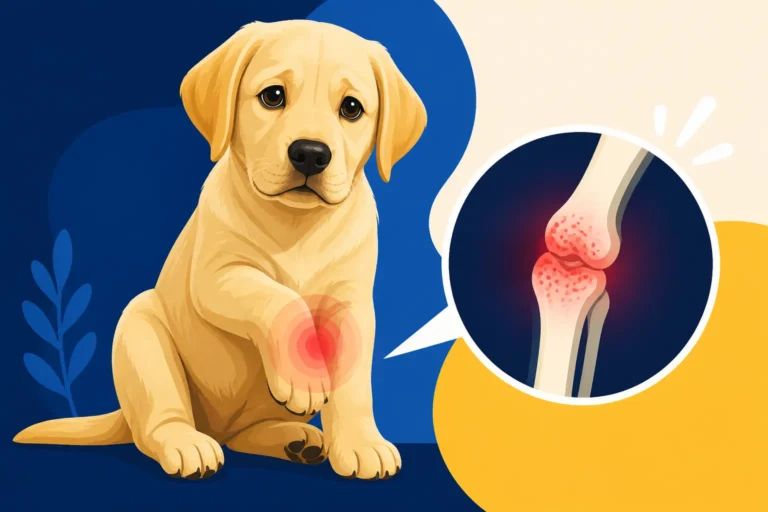
When to Spay a Female Labrador Retriever
Bringing a female Labrador Retriever puppy home is a whirlwind of joy, bounciness, and endless questions. Among the most pressing decisions a new owner faces is the question of when to spay her. It's a topic riddled with conflicting advice, strong opinions, and evolving veterinary science, leaving many of us feeling overwhelmed and anxious about making the "right" choice for our beloved furry family member. This guide aims to cut through the noise, offering a detailed, empathetic look at the factors influencing spay timing for female Labradors, helping you navigate this important decision with confidence.
The Evolving Science Behind Spaying Decisions
For decades, the standard veterinary recommendation was to spay female dogs around six months of age, often before their first heat cycle. The logic was simple: minimize the risk of mammary cancer and prevent unwanted pregnancies. And while those are still incredibly valid concerns, recent research, particularly in large breeds like our beloved Labradors, has introduced a more nuanced perspective. We're learning that sex hormones play a much larger role in skeletal development, overall health, and even temperament than previously understood, leading to a shift in how many vets approach this procedure. It’s no longer a one-size-fits-all prescription.
Health Implications of Early Spaying for Labradors
The impact of removing a Labrador’s ovaries and uterus before full growth and hormonal maturity can be significant, especially concerning their musculoskeletal system. Labradors are naturally prone to certain joint conditions, and emerging evidence suggests that early spaying might exacerbate these risks.
When a female Labrador is spayed, the production of estrogen ceases. Estrogen plays a crucial role in the closure of growth plates in long bones. If these plates close prematurely due to a lack of hormones, it can lead to longer limbs and altered joint conformation. For a breed already genetically predisposed to conditions like Labrador Hip and Elbow Dysplasia, this altered development can increase the strain on their joints, potentially leading to earlier onset or more severe forms of these painful conditions. Many owners recount stories of their active Labs developing lameness or stiffness much younger than expected, and while correlation isn't always causation, it's a concern that deserves attention.
Furthermore, studies have indicated a potential link between early spaying and an increased incidence of cranial cruciate ligament (CCL) tears. This is a common and often debilitating injury in large, active dogs like Labradors, requiring expensive and intensive surgery (like TPLO surgery) to repair. The absence of sex hormones, particularly estrogen, is thought to affect ligament strength and joint stability over time, making them more susceptible to tearing. Imagine your energetic Labrador, who loves to jump and run, suddenly yelping in pain from a torn knee – it's a heartbreaking scenario many of us dread, and managing Cruciate Ligament Tears in Labradors can be a long and challenging road.
Beyond skeletal issues, early spaying has been tentatively linked to other health concerns in some studies, including certain cancers (though it dramatically reduces mammary cancer risk, it may slightly increase the risk of others like osteosarcoma or hemangiosarcoma), urinary incontinence, and even an increased risk of obesity due to changes in metabolism. While these risks are generally low, they add another layer of consideration for dedicated Labrador owners who want to give their dogs the healthiest, longest life possible. Balancing these factors is a tough call for any loving pet parent.
Behavioral and Developmental Considerations
It’s not just physical health that can be influenced by spay timing; a Labrador’s behavioral and emotional development can also be affected by the presence or absence of natural hormones during critical growth stages. Hormones play a role in brain development and the maturation of behavior patterns.
Some anecdotal evidence, and a growing body of research, suggests that intact female dogs may exhibit slightly different temperamental traits than those spayed early. While Labradors are generally known for their eager-to-please, friendly dispositions, some owners report that early spaying can lead to puppies who are a bit more anxious, easily startled, or even less confident. This isn't a universal experience, of course, but it’s a point of discussion among breeders and trainers. Allowing a female to experience at least one heat cycle may contribute to a more emotionally mature and stable adult dog. This is particularly relevant for those training their Labs for specific roles, such as therapy work or competitive obedience, where a balanced temperament is key.
Moreover, letting a Labrador mature naturally allows her to fully develop her body mass and bone structure before surgery. While puppies are adorable, the rapid growth period is crucial for their long-term health. A fully developed Labrador often appears more "finished" in terms of conformation and muscularity. This isn't just about aesthetics; a strong, well-developed physique supports their active lifestyle and helps them avoid injuries. It’s a bit like building a house – you want the foundation and framework to be fully settled before you start making major structural changes. For more insights on their early development, consider reading about Labrador Puppy Health in the First Year.
Finding the "When" for Your Female Labrador
Given the complexities, what’s the current thinking on the optimal spaying age for a female Labrador? The answer, increasingly, is "it depends." However, a common recommendation for large breeds is to wait until after they've had at least one heat cycle, or are closer to full skeletal maturity, typically around 12-18 months of age.
Waiting Until After the First Heat
The primary argument for waiting until after a Labrador's first heat cycle (which usually occurs between 6-12 months, but can be later) is to allow her to fully benefit from the natural hormones, particularly estrogen, that are crucial for growth plate closure and bone density development. This helps in potentially mitigating the risks of certain orthopedic issues like hip dysplasia and CCL tears, which we discussed earlier.
When a female dog goes through her first heat, her body undergoes significant hormonal changes that contribute to her physical maturation. This maturation process helps solidify her skeletal structure, ensuring her bones and ligaments are as strong and resilient as possible before the removal of those essential hormones. For an active, powerful breed like the Labrador, waiting for this natural development can be a protective measure. It's about giving her body the best chance to fully develop according to its genetic blueprint before intervention. Owners often observe a settling in temperament and physical "filling out" after this period.
However, waiting until after the first heat isn't without its considerations. You’ll need to be diligent about managing her heat cycle to prevent unwanted pregnancies. This means strict leash walks, avoiding dog parks, and keeping her completely separate from intact male dogs for several weeks. Her vulva will swell, she'll have bloody discharge, and she'll be an irresistible magnet for male dogs in the neighborhood. This can be messy and inconvenient, but for many, the potential long-term health benefits outweigh the short-term hassle.
The Risks of Waiting Too Long
While the benefits of waiting until maturity are compelling, there are also very real, significant risks associated with delaying spaying too long or choosing not to spay at all. These risks often become more pronounced with each subsequent heat cycle.
One of the most critical reasons for spaying is the dramatic reduction in the risk of mammary (breast) cancer. Every heat cycle a female dog goes through increases her risk of developing this potentially life-threatening cancer. Spaying before the first heat offers the greatest protection, reducing the risk to almost zero. Spaying after one heat still provides substantial protection, but the benefit decreases with each subsequent cycle. Discovering a lump on your beloved Lab is terrifying, and facing cancer treatment can be financially and emotionally draining. This is where pet insurance, like a plan from Healthy Paws, can provide immense peace of mind, covering a significant portion of unexpected vet bills for conditions like cancer or emergency surgeries, easing the burden during a difficult time. Understanding Cancers Labrador Retrievers Get Most can also help owners be proactive.
Another severe health risk for intact females is pyometra, a life-threatening infection of the uterus. This condition typically occurs a few weeks after a heat cycle when hormonal changes create an ideal environment for bacterial growth. Pyometra can be "open" (with discharge) or "closed" (no visible discharge, making it harder to detect), but both forms are medical emergencies requiring immediate surgery to remove the infected uterus. If not treated quickly, it can lead to sepsis and death. The surgery for pyometra is more complicated and expensive than a routine spay, and the dog is already in a compromised state. The costs associated with such emergency care can quickly add up, often running into thousands of dollars, making financial preparedness crucial for any Labrador owner, perhaps covered by a comprehensive plan like those offered by Healthy Paws.
Finally, and perhaps most obviously, waiting to spay increases the risk of unwanted pregnancies. Even the most vigilant owners can have an "oops" moment. An accidental litter means not only the responsibility and cost of caring for puppies but also contributing to pet overpopulation. Beyond financial costs (which can be steep, as explored in Annual Cost of Keeping a Labrador Retriever), the ethical responsibility of finding good homes for puppies is a serious undertaking.
| Factor | Spaying Before First Heat (Early) | Spaying After First Heat (Late/Mature) |
|---|---|---|
| Mammary Cancer Risk | Significantly Reduced (Near Zero) | Significantly Reduced (Good Protection) |
| Pyometra Risk | Eliminated | Eliminated (post-surgery) |
| Unwanted Pregnancy | Eliminated | Managed with diligence, then eliminated |
| Joint Health (Hip/Elbow) | Potentially Increased Risk of Issues | Potentially Reduced Risk of Issues |
| Cruciate Ligament Tears | Potentially Increased Risk | Potentially Reduced Risk |
| Urinary Incontinence | Slightly Increased Risk | Slightly Lower Risk |
| Growth Plate Closure | May Close Prematurely | Allows Natural Closure |
| Behavioral Maturity | May affect full hormonal development | Allows full hormonal development |
| Surgery Complexity | Generally Simpler | Slightly More Complex (larger organs) |
| Recovery Time | Generally Faster | Similar, possibly slightly longer |
Individual Factors and Considerations
Ultimately, the decision of when to spay your female Labrador is a deeply personal one, and there's no single right answer that applies to every dog or every household. It’s a decision that should be made in close consultation with your veterinarian, taking into account your specific circumstances.
Lifestyle and Environment
Your household and lifestyle play a significant role in determining the ideal spay timing. Do you live in a multi-dog household with intact male dogs? If so, managing a female in heat can be incredibly challenging and stressful, even for the most experienced owners. The risk of accidental pregnancy is much higher in such an environment, making early spaying a more practical and responsible choice to prevent unintended litters. This scenario often dictates a more proactive approach to spaying.
Consider your ability to manage a dog in heat. A female Labrador in heat will attract male dogs from surprisingly far distances. This means no off-leash park visits, strict supervision in the yard, and being prepared for potential "suitors" at your fence line. There will be bloody discharge, requiring special doggy diapers and extra cleaning around the house. If you travel frequently or have a busy schedule, consistently managing a heat cycle might prove difficult or impossible, adding stress to both you and your dog. If you’re feeling stretched thin already, the added burden of managing heat might make an earlier spay a better option for everyone involved. For a broader view of what owning a Labrador entails, you might find our guide on Annual Cost of Keeping a Labrador Retriever insightful.
Furthermore, if your Labrador has a tendency to roam or has an exceptionally high prey drive that makes recall challenging, the risks associated with an unspayed female escaping during her heat cycle are significantly elevated. An escaped female in heat is not only at risk of being hit by a car but also almost guaranteed to become pregnant if she encounters an intact male. Assessing your dog's individual temperament and your capacity to contain her effectively during this period is crucial.
Breeder Recommendations and Vet Consultations
When you first bring your Labrador puppy home, your breeder is often an invaluable resource for advice, and their recommendations regarding spay timing should certainly be considered. Reputable Labrador breeders often have extensive experience with their lines and understand the nuances of health and development specific to their dogs. Many now recommend delaying spaying until closer to 12-18 months, or after the first heat, based on their observations and the latest research in the breed. They might also share insights into the health history of the puppy's parents and grandparents, which could influence your decision, especially concerning joint health. Don't hesitate to lean on their expertise.
However, the final and most critical consultation should always be with your veterinarian. Your vet has a comprehensive understanding of your individual dog's health history, current condition, and local prevalence of certain diseases. They can assess your Labrador's growth, discuss any specific health concerns, and help you weigh the pros and cons in the context of your specific situation. They can also explain the implications of procedures like a gastropexy if your Labrador is at Labrador Bloat Risk and Deep Chests, which can sometimes be done concurrently with a spay. Your vet can provide tailored advice that considers both general breed recommendations and your dog’s unique needs, helping you feel confident in your choice. It's a conversation you'll want to have openly and thoroughly.
Understanding the Spay Procedure and Recovery
Once you've made the decision about when to spay your female Labrador, it's helpful to understand what the procedure entails and how to ensure a smooth recovery. Knowing what to expect can alleviate a lot of apprehension.
What Happens During Spay Surgery
A spay, or ovariohysterectomy, is a routine surgical procedure performed under general anesthesia where a veterinarian removes a female dog's ovaries and uterus. The procedure typically involves a small incision made on the dog's abdomen, through which the reproductive organs are carefully ligated and removed. Modern veterinary medicine employs advanced techniques and monitoring equipment to ensure the safety and comfort of your Labrador throughout the surgery.
Before the surgery, your vet will perform a thorough physical examination and often recommend pre-anesthetic blood work to ensure your Labrador is healthy enough for anesthesia. This is a critical step to identify any underlying health issues that might complicate the procedure. During the surgery, your dog’s vital signs, including heart rate, respiration, and blood pressure, will be continuously monitored by veterinary staff. While it's a routine procedure, it is still major surgery, and your vet will take every precaution to minimize risks.
The entire process, from induction of anesthesia to recovery, is designed to be as stress-free as possible for your pet. Most dogs go home the same day as their surgery, though some clinics may recommend an overnight stay for observation, especially for larger breeds or if there were any minor complications. The incision site will typically be closed with sutures or surgical glue, and your dog will likely have some mild pain medication to go home with.
Post-Surgery Care and Recovery
Bringing your Labrador home after surgery requires a period of careful observation and rest to ensure proper healing. The first few days are crucial. Your vet will provide specific instructions, but generally, you'll need to keep her activity restricted. This means no running, jumping, or strenuous play for about 10-14 days. This might sound like a challenge for an energetic Labrador, but it's vital to prevent the incision from opening or internal bleeding. You might need to adjust your usual routine for walks, opting for short, controlled leash walks only for potty breaks. For a deeper understanding of what to expect as your dog gets older, our article on Caring for a Senior Labrador might be useful in the distant future.
Monitoring the incision site daily is also very important. Look for any signs of redness, swelling, discharge, or if the incision appears to be opening. A small amount of bruising is normal, but anything more should prompt a call to your vet. Many vets recommend an Elizabethan collar (e-collar or "cone of shame") to prevent your Labrador from licking or chewing at the incision. While she might not be thrilled about it, the e-collar is non-negotiable for protecting the surgical site. One lick is all it takes to introduce bacteria or pull out stitches.
Medication, usually pain relievers and sometimes antibiotics, will be prescribed. Administer these exactly as directed by your vet. Your Labrador might be a bit subdued or tired for a day or two after surgery, which is normal as she recovers from anesthesia and the procedure itself. Ensure she has a comfortable, quiet place to rest. Most dogs make a full recovery within two weeks, and a follow-up visit to the vet for a check-up and suture removal (if applicable) is usually scheduled around that time. This recovery period is a small investment for a lifetime of health and companionship.
Disclaimer
The information provided in this guide is for general informational purposes only and does not constitute veterinary advice. Always consult with a qualified veterinarian for any health concerns or before making any decisions about your Labrador Retriever's care, including when to spay. Individual circumstances can vary greatly, and professional veterinary guidance is essential for the best outcomes.