Panosteitis in a Growing Labrador
It can be incredibly alarming to see your usually bouncy, energetic Labrador suddenly start limping, especially when they're still just a puppy or adolescent. One moment they're tearing across the yard, the next they're favoring a leg, and you’re left wondering if it's a minor sprain or something much more serious. This guide is here to shed light on a common, yet often misunderstood, condition in growing Labradors called panosteitis, helping you understand its signs, causes, and how to best support your beloved companion through it.
What Exactly is Panosteitis in Labradors?
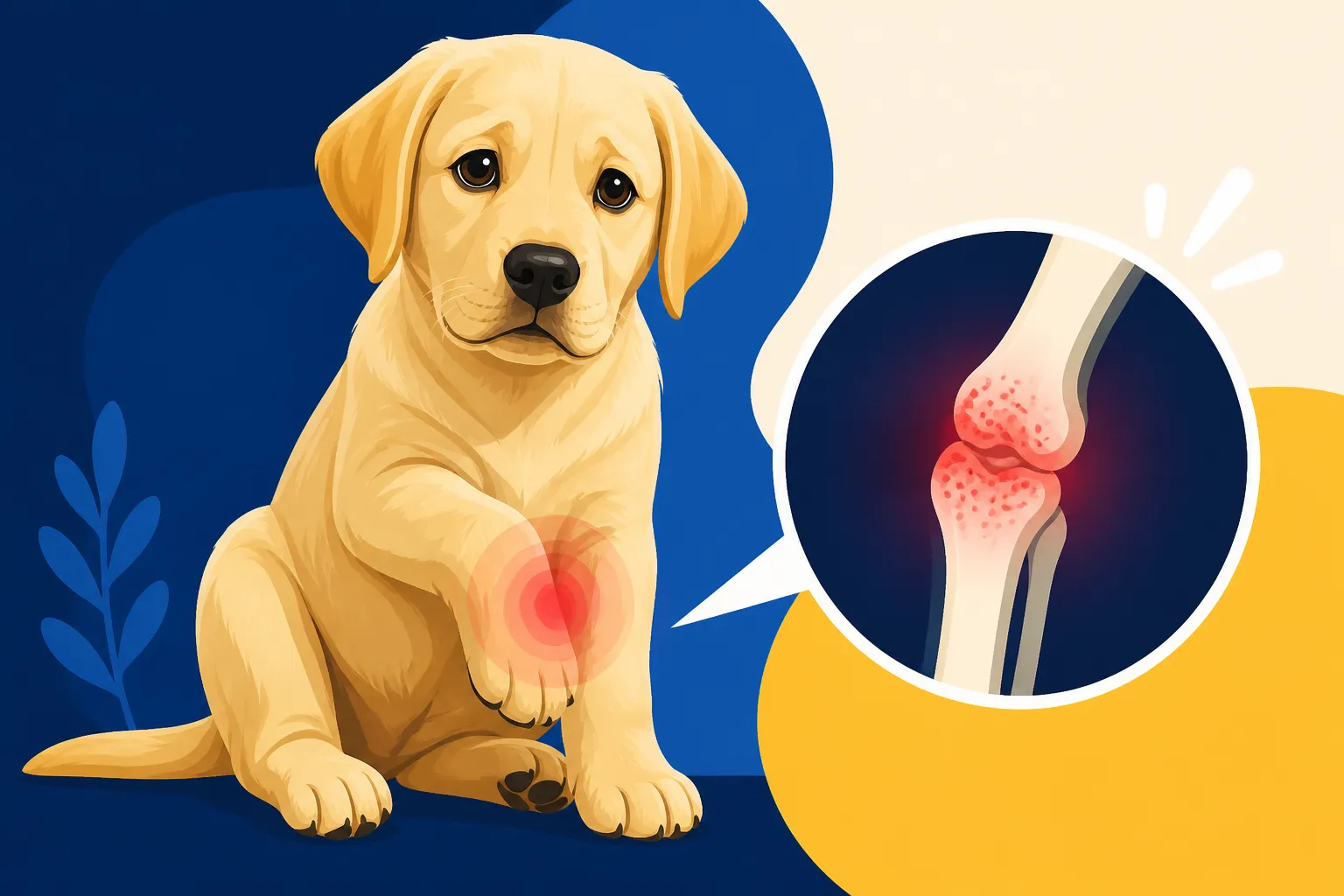
Panosteitis, often affectionately (or perhaps, sympathetically) referred to as "pano" or "growing pains," is an inflammatory condition that affects the long bones of rapidly growing large breed dogs, with Labradors being particularly susceptible. Imagine your puppy's bones as a busy construction site; sometimes, the rapid remodeling and growth can lead to inflammation and pain in the outer surface (periosteum) and inner marrow cavity of these bones. It's not a degenerative disease in the long run, but rather a temporary, painful phase unique to their development.
The "Growing Pains" Misconception
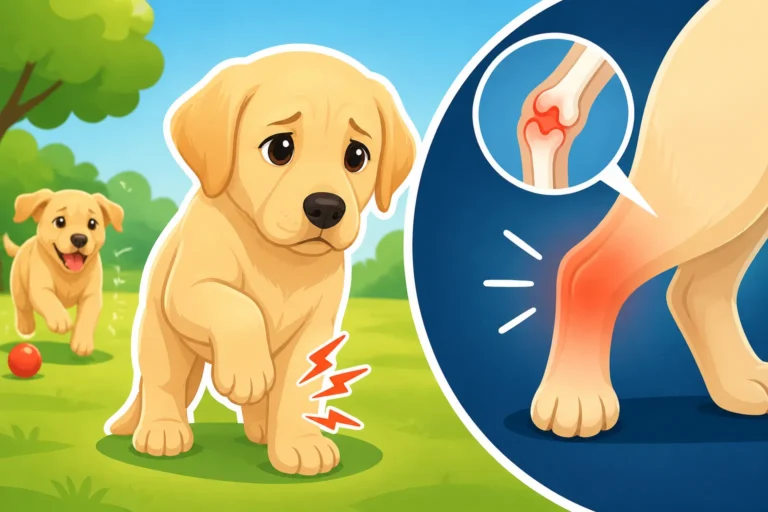
The term "growing pains" is often used loosely for various aches and limps in puppies, but panosteitis is a very specific condition. Unlike generic growing pains that might be vague and transient, panosteitis involves actual inflammation within the bone structure. It's not just a muscle strain from rough play, although it can be easily mistaken for one, especially after a session of vigorous activity like the kind that often makes a Labrador puppy limp after hard play. This distinction is important because while many puppy limps might resolve with simple rest, panosteitis often requires a more structured approach to pain management to keep your pup comfortable. It's a condition primarily seen in dogs between 5 and 18 months of age, though it can occur in dogs as young as 2 months and occasionally up to 2 years.
Which Bones Are Affected?
While any long bone can theoretically be affected by panosteitis, it most commonly strikes the humerus (upper front leg), radius and ulna (lower front leg), femur (upper hind leg), and tibia (lower hind leg). What's fascinating and often frustrating for owners is that the lameness can "shift." One day your Labrador might be limping on their left front leg, and a few days later, they're perfectly fine on that leg but now favoring their right hind leg. This migratory lameness is a hallmark of the condition and can make you feel like you're constantly chasing a moving target. It’s also possible for multiple bones to be affected simultaneously, which can lead to more widespread discomfort and a reluctance to move.
Recognizing the Signs and Symptoms
Spotting panosteitis can be tricky because its symptoms often mimic other common puppy ailments. However, knowing what to look for can help you provide your vet with valuable information and get a quicker diagnosis. The key is to pay close attention to changes in your Labrador’s gait, demeanor, and response to touch.
The Shifting Lameness Phenomenon
As mentioned, the most distinctive sign of panosteitis is this "shifting lameness." Your Labrador might suddenly start limping on one leg, seemingly out of nowhere. The limp can range from mild, almost imperceptible, to severe, causing them to completely avoid putting weight on the affected limb. What makes it so perplexing is that this lameness can then improve or disappear entirely within a few days, only to reappear in a different leg a week later. This migratory pattern is a strong indicator that you're dealing with panosteitis rather than a simple sprain or a fixed orthopedic issue like a ligament tear. It can be incredibly frustrating to witness, as you might think your pup is recovering, only for the problem to resurface elsewhere.
Other Telltale Indicators
Beyond the shifting limp, there are several other signs that might point to panosteitis:
- Pain on Palpation: When you gently touch or press along the shaft of the affected long bone, your Labrador might react with pain. This can be a subtle flinch, a yelp, or pulling their leg away. Sometimes, the muscle around the affected bone might feel tense or firm.
- Lethargy and Decreased Activity: If your normally boisterous Labrador is suddenly less enthusiastic about playtime, refusing walks, or just seems generally subdued, it could be due to discomfort. They might spend more time resting or sleeping.
- Fever: While not always present, some Labradors with acute panosteitis might develop a low-grade fever, which can contribute to their general malaise.
- Loss of Appetite: Pain can sometimes cause a temporary decrease in appetite, though many food-motivated Labradors will eat through discomfort.
- Weight Loss (Rare): In severe or prolonged cases, if the pain significantly impacts their desire to eat or move, some puppies might show minor weight loss, though this is less common.
It's important to remember that these symptoms can also be indicative of other conditions, so a vet visit is always warranted.
When to Worry and Seek Veterinary Attention
Any time your Labrador puppy is limping, especially if it's persistent, severe, or accompanied by other signs of illness, it’s a good idea to consult your veterinarian. While panosteitis is generally self-limiting, it's crucial to rule out more serious conditions. You should be particularly concerned and seek immediate vet attention if:
- The pain is extremely severe: Your dog is crying out, refuses to bear any weight, or is unusually aggressive when touched.
- The limping is constant and doesn't shift: This might indicate a fracture, a more serious joint issue, or a cruciate ligament tear.
- Your Labrador seems generally unwell: Beyond the limp, they are lethargic, running a high fever, vomiting, or showing signs of neurological distress.
- The limping persists for more than a few days without improvement: Even if you suspect panosteitis, prolonged limping warrants a professional check.
Early veterinary assessment ensures accurate diagnosis and helps differentiate panosteitis from more critical orthopedic issues such as Labrador Hip and Elbow Dysplasia or osteochondritis dissecans (OCD), which require different management strategies. Responsible pet insurance providers like Healthy Paws can also offer peace of mind when facing unexpected diagnostic tests and treatments for conditions like these.
The Underlying Causes and Risk Factors
While the exact cause of panosteitis isn't fully understood, it's generally considered a multifactorial condition, meaning several factors likely contribute to its development. It's often linked to the rapid growth phase that large breeds like Labradors experience, which puts unique stress on their developing musculoskeletal system.
Genetic Predisposition and Breed Links
Labrador Retrievers are indeed among the breeds with a known predisposition to panosteitis. German Shepherds are another breed frequently affected. This strong breed link suggests that genetics play a significant role. While there isn't a single "panosteitis gene" identified yet, it's believed that certain genetic factors can influence how a dog's bones grow and develop, making some individuals more susceptible to the inflammatory processes seen in panosteitis. Breeders of large breeds often screen for various orthopedic conditions, but panosteitis, being self-limiting, isn't typically part of a standard health clearance regimen like those for hip or elbow dysplasia. If you're considering a puppy, asking about the health history of the parents and any previous litters can sometimes offer insights, though panosteitis can appear without a clear family history.
The Role of Diet and Rapid Growth
Diet and growth rate are frequently cited as contributing factors. Historically, it was thought that feeding high-protein or high-calorie diets to large breed puppies caused them to grow too quickly, leading to various skeletal problems, including panosteitis. While modern understanding has nuanced this, the principle remains: unchecked, excessively rapid growth can put undue stress on a puppy's developing bones and joints. This is why it's crucial to feed a Large Breed Puppy Food for a Labrador that is specifically formulated with appropriate calcium-to-phosphorus ratios and controlled calorie levels. Overfeeding, regardless of the quality of food, can still lead to unhealthy growth rates, increasing the risk of conditions like panosteitis and even contributing to issues like Why Labradors Gain Weight So Easily later in life. Portion control for a food-obsessed Labrador is vital from puppyhood.
Exercise and Trauma as Contributing Factors
While panosteitis isn't directly caused by trauma, vigorous exercise or minor injuries can certainly exacerbate the pain and make an existing case more evident. Think of a puppy who already has some subclinical inflammation in a long bone; a particularly intense play session, a rough landing, or even just repeated impact can push that mild inflammation into a noticeable limp. This is why you might see symptoms after a day of intense activity. However, it's important not to swing to the opposite extreme and restrict all exercise, as appropriate activity is crucial for a Labrador puppy's healthy development. The key is moderation and observation. Avoid over-exercising a Labrador puppy, especially during their rapid growth phases, and ensure they get adequate rest between play sessions. Understanding the appropriate Exercise Limits for a Labrador Puppy is essential to protect their developing joints.
Diagnosis and Differentiation from Other Conditions
When your Labrador puppy starts limping, your veterinarian will embark on a detective mission to pinpoint the exact cause. Diagnosing panosteitis involves a combination of physical examination, patient history, and often, diagnostic imaging.
The Veterinary Examination and History
During the veterinary visit, your vet will perform a thorough physical examination. This will include observing your Labrador's gait, checking for swelling or tenderness in their joints and long bones, and assessing their range of motion. They will gently palpate each long bone, looking for the characteristic pain response associated with panosteitis. Providing a detailed history is incredibly helpful. Be prepared to discuss:
- When the limping started: Date and time.
- Which leg is affected: Has it shifted?
- The severity and frequency of the limp: Is it constant, intermittent, or worse after rest/activity?
- Any recent trauma or intense exercise.
- Your Labrador's diet: Type of food, feeding amounts, and any supplements.
- Any other symptoms: Lethargy, fever, appetite changes.
- Your Labrador's age: This is a crucial factor for panosteitis.
This information helps the vet build a clinical picture and narrow down the possibilities.
The Importance of X-Rays
While the physical exam and history might strongly suggest panosteitis, X-rays are usually necessary to confirm the diagnosis and, more importantly, to rule out other, more serious orthopedic conditions. On an X-ray, panosteitis often appears as patchy white areas of increased bone density within the marrow cavity of the long bones. These areas can sometimes resemble a "thumbprint" or a mottled appearance. However, it's important to note that early stages of panosteitis might not show up on X-rays, or the changes might be subtle. Sometimes, repeat X-rays might be needed a few weeks later if symptoms persist and the initial films were inconclusive.
Ruling Out More Serious Issues
One of the most critical aspects of diagnosing panosteitis is differentiating it from other conditions that can cause similar limping in growing Labradors. These include:
- Osteochondritis Dissecans (OCD): A condition where cartilage separates from the underlying bone, most commonly affecting the shoulder, elbow, stifle, or hock joints. This can cause persistent lameness and often requires surgical intervention.
- Fragmented Coronoid Process (FCP) or Ununited Anconeal Process (UAP): These are forms of elbow dysplasia, a common issue in Labradors, causing chronic forelimb lameness. Elbow Dysplasia in Labrador Retrievers is a serious condition that requires careful management.
- Hip Dysplasia: While typically causing hindlimb lameness, especially in young dogs, Labrador Hip Dysplasia Signs and Onset can sometimes be subtle and might be confused with panosteitis if only a single hind leg is affected. OFA and PennHIP Screening for Labradors are vital for assessing hip health.
- Bone Infections or Tumors: While less common in puppies, these are always serious considerations that must be ruled out through X-rays and potentially further diagnostics like blood tests or biopsies.
- Traumatic Injuries: Sprains, strains, fractures, or growth plate injuries can all cause acute limping and require different treatment.
Because the diagnostic process can involve multiple tests and follow-up visits, it's a good idea to have a plan for managing vet costs. Pet insurance, like policies from Healthy Paws, can be invaluable here, helping to cover unexpected diagnostic procedures and treatments.
Managing Panosteitis and Providing Comfort
The good news about panosteitis is that it's a self-limiting condition, meaning it will eventually resolve on its own as your Labrador matures. However, "self-limiting" doesn't mean "pain-free." The primary goal of management is to alleviate pain and discomfort, ensuring your pup can continue to grow and develop without undue suffering.
Pain Management Strategies
The cornerstone of panosteitis management is pain control. Your veterinarian will likely prescribe non-steroidal anti-inflammatory drugs (NSAIDs) to reduce both pain and inflammation. Common NSAIDs used in veterinary medicine include carprofen (Rimadyl), meloxicam (Metacam), firocoxib (Previcox), or deracoxib (Deramaxx). These medications are typically given for short periods during flare-ups. It's crucial to only use NSAIDs prescribed by your vet and to follow their dosage instructions precisely, as human pain relievers can be toxic to dogs.
In some cases, your vet might also suggest a short course of gabapentin, particularly if the pain is severe or if your dog isn't tolerating NSAIDs well. This medication helps manage neuropathic pain and can provide additional comfort. Remember to ask your vet about Pain Medication Vets Prescribe for Labradors to be prepared. For persistent or severe cases, other adjunctive therapies, such as cold laser therapy, might be considered to help reduce inflammation and promote healing.
Activity Restriction and Rest
While complete cage rest is usually not necessary, some degree of activity restriction is important during painful episodes. The general advice is to limit strenuous exercise, such as long runs, intense fetching sessions, or rough play with other dogs. Short, leashed walks for potty breaks are usually fine, but avoid anything that causes your Labrador to limp or show signs of discomfort. When your pup isn't actively limping, gradual return to normal activity is encouraged, but always monitor for signs of recurrence. Providing a comfortable, orthopedic bed can also help ensure adequate rest and support for their joints. It’s a delicate balance; you want to avoid over-exercising a growing Labrador, but also ensure they get enough mental and physical stimulation to prevent boredom and destructive behaviors.
Nutritional Support and Weight Management
While diet isn't a direct cause, maintaining an appropriate diet is vital for managing panosteitis and supporting overall bone health. Continue feeding a high-quality large breed puppy food formulated for slow, controlled growth. Avoid overfeeding, as excess weight puts additional strain on growing bones and joints. Monitor your Labrador's body condition score regularly to ensure they remain lean. If your pup is already overweight, your vet might recommend a specific weight management plan.
Some owners also inquire about joint supplements. While there's limited direct evidence that supplements like glucosamine and chondroitin directly treat panosteitis, they are generally considered safe and may offer some supportive benefits for overall joint health in growing dogs. Discuss any supplements with your veterinarian before adding them to your Labrador's regimen. Joint Supplements That Help a Labrador might be considered as part of a broader strategy for long-term joint care.
Prognosis and Long-Term Outlook
The prognosis for Labradors with panosteitis is overwhelmingly positive. It is, by definition, a self-limiting condition of growth, and nearly all dogs make a full recovery without any lasting effects.
The Self-Limiting Nature of Panosteitis
The most reassuring aspect of panosteitis is its self-limiting nature. This means that as your Labrador matures and their rapid growth phase subsides, the condition will eventually resolve on its own. Most dogs outgrow panosteitis by the time they are 18 to 24 months old, although some may experience mild, occasional flare-ups into their second year. Once the growth plates close and bone remodeling stabilizes, the inflammation typically ceases. This is a significant difference from chronic conditions like hip or elbow dysplasia, which require lifelong management. Your primary role as an owner is to provide comfort and pain relief during the active phases.
Potential Recurrences and Flare-Ups
While panosteitis does resolve, it's common for a Labrador to experience multiple flare-ups over several weeks or months. You might have a period of intense limping, then several weeks of normal activity, only for the limp to reappear, sometimes in a different leg. Each flare-up might require a renewed course of pain medication and activity restriction. It's a journey of managing symptoms as they arise, rather than a one-time fix. These recurrences can be frustrating, making you question if your dog is truly improving. However, as long as your vet confirms it's still panosteitis, remember that each episode is a temporary phase in their development.
Ensuring a Full Recovery
To ensure your Labrador has the best chance for a full and comfortable recovery:
- Adhere to Vet's Advice: Follow your veterinarian's instructions for medication and activity restriction diligently.
- Maintain a Healthy Weight: Keep your growing Labrador lean to minimize stress on their developing joints. This goes hand-in-hand with understanding How Fast Growth Damages a Labrador's Joints.
- Provide Nutritional Support: Continue feeding a high-quality diet appropriate for large breed growth.
- Monitor Closely: Be observant for new limps or signs of discomfort, reporting them to your vet.
- Patience is Key: Understand that it's a phase, and your pup will eventually outgrow it.
Even after your Labrador has outgrown panosteitis, a focus on lifelong joint health is important for large breeds. This includes appropriate exercise, maintaining a healthy weight, and potentially considering joint supplements as they age to help with conditions like Labrador Arthritis in Middle Age. Planning for potential health concerns with a robust emergency fund for a Labrador or through comprehensive pet insurance like Healthy Paws can also offer peace of mind throughout their life.
| Feature | Panosteitis | Hip/Elbow Dysplasia | Traumatic Injury (Sprain/Strain) |
|---|---|---|---|
| Onset Age | 5-18 months (can be 2-24 months) | Typically young (6-18 months) or older dogs | Any age |
| Primary Location | Long bones (humerus, femur, radius, tibia) | Joints (hips, elbows) | Muscles, ligaments, tendons |
| Lameness Pattern | Shifting, migratory, intermittent | Often persistent, may worsen with activity | Acute, usually fixed to one area |
| Pain on Palpation | Along bone shafts | Within or around joint | Muscle belly, tendon insertion |
| X-ray Findings | Patchy bone density in marrow cavity | Joint malformation, degenerative changes | Soft tissue swelling, no bone changes (initially) |
| Prognosis | Excellent; self-limiting, full recovery | Chronic; requires ongoing management, potentially surgery | Varies; resolves with rest, sometimes meds |
| Long-Term Impact | None | Lifelong arthritis, pain | None (if minor) or chronic weakness/pain |
Disclaimer
The information provided in this article is for educational purposes only and is not intended to be a substitute for professional veterinary advice, diagnosis, or treatment. Always seek the advice of your veterinarian or other qualified animal health provider with any questions you may have regarding a medical condition. Never disregard professional veterinary advice or delay in seeking it because of something you have read in this article.