How Often a Labrador Needs Dental Cleaning
It's one of those silent worries, isn't it? You know your Labrador is prone to a myriad of health issues, but dental problems often sneak up on us, sometimes only announcing themselves with a truly horrendous breath. Left unchecked, that stinky breath can be a sign of something much more serious than just needing a mint. This comprehensive guide will walk you through exactly how often your beloved Labrador truly needs a dental cleaning, what factors influence that schedule, and how you can be an active partner in maintaining their pearly whites for a lifetime of happy, healthy retrieves.
Understanding Canine Dental Health and Why It Matters for Labradors
Just like us, dogs accumulate plaque and tartar on their teeth, and Labradors are no exception. In fact, due to their often enthusiastic chewing habits and a genetic predisposition, dental disease can become a significant concern for our Labs if we're not vigilant. It's not just about cosmetic appeal or bad breath; poor oral hygiene can pave the way for a cascade of health complications throughout their body.
The Silent Threat of Plaque and Tartar Buildup
Imagine never brushing your teeth. Gross, right? That’s what many dogs experience. Every time your Labrador eats, microscopic food particles and bacteria combine to form a sticky film called plaque. This plaque clings to the teeth and, if not removed, will harden within days into a rough, yellowish-brown substance we call tartar. Tartar is like superglue for bacteria, providing a perfect haven for them to thrive and multiply.
This buildup isn't just unsightly; it's actively harmful. The bacteria under the tartar release toxins that irritate the gums, leading to gingivitis—an inflammation that makes the gums red, swollen, and sometimes painful. If gingivitis isn't addressed, it progresses to periodontitis, which is much more severe. This involves the destruction of the tissues and bone supporting the teeth, leading to loose teeth, infection, and chronic pain. What often starts as a simple bit of grime can quickly become a serious case of what's known as Labrador Dental Disease and Tartar
Why Labradors Are Particularly Prone to Dental Issues
While dental disease affects all dog breeds, some factors can make Labradors more susceptible. Their cheerful, often voracious appetites mean they are constantly using their mouths, and sometimes, their chewing isn't on appropriate dental-friendly items. Genetically, some Labs might have a slightly crowded mouth structure or a predisposition to faster plaque accumulation. Furthermore, their stoic nature can mean they hide discomfort remarkably well. You might not realize your Lab is in pain until the dental disease is quite advanced, which is why proactive care is so critical.
We often think of their powerful jaws as indestructible, but those same jaws can suffer from the same neglect as any other part of their body. Their love of carrying things, from toys to sticks (and sometimes, things they shouldn't!) also means their mouths are constantly in use, making oral hygiene a daily consideration.
How Often Should Your Labrador Get a Professional Dental Cleaning?
This is the million-dollar question for most Labrador owners, and like many things in canine health, the answer isn't a one-size-fits-all. However, there are general guidelines and specific indicators that can help you and your veterinarian determine the best schedule for your furry friend.
The General Guideline for Most Adult Labradors
For the average adult Labrador Retriever, a professional dental cleaning under anesthesia is typically recommended once a year. This annual check-up and cleaning allow your vet to thoroughly examine their entire mouth, scale away any plaque and tartar buildup above and below the gum line, and polish their teeth to create a smooth surface that's harder for plaque to adhere to. It's a comprehensive oral health assessment that simply can't be achieved with a quick look-in at a regular check-up.
Think of it like your own annual physical and dental check-up combined. This routine helps catch issues early, before they become painful or lead to more complex and costly problems. For many Labs, this once-a-year schedule, combined with diligent home care, is sufficient to keep their mouths healthy.
Factors That Influence Cleaning Frequency
While once a year is a good baseline, several factors can shift that frequency. Some Labradors might need cleanings more often, while others, particularly those with exceptional home care and good genetics, might be able to stretch it to every 18 months or even two years, though this is less common.
- Age: Younger Labradors, especially puppies, typically won't need professional cleanings unless they have an unusual genetic condition or retained baby teeth that aren't falling out naturally. However, as they age, dental issues can accelerate. For a Caring for a Senior Labrador, dental cleanings might become more critical and sometimes more frequent if their immune system isn't as robust or if they've developed significant buildup over the years.
- Diet: The type of food your Labrador eats can play a significant role. Crunchy kibble is often believed to help clean teeth, but its effect is minimal compared to brushing. Specific "dental diets" designed with larger kibble that scrapes teeth can offer some benefit. However, wet food or a soft diet generally offers no abrasive action and can even contribute to faster plaque accumulation. When you're making decisions about Choosing Dog Food for a Labrador Retriever, always consider its impact on dental health.
- Genetics and Breed Predisposition: As mentioned, some individual Labs might just be genetically wired to accumulate plaque faster. There's not much you can do to change their genetics, but knowing this means you need to be extra diligent with home care and follow your vet's recommendations closely.
- Home Dental Care Routine: This is perhaps the biggest variable! Labradors who receive daily tooth brushing at home often need professional cleanings less frequently. Consistent at-home care can significantly slow down plaque and tartar formation, making professional interventions less urgent. We'll delve into effective home care shortly.
- Existing Dental Conditions: If your Labrador has already been diagnosed with advanced periodontal disease, broken teeth, or recurring infections, your vet might recommend more frequent cleanings to manage their condition and prevent further deterioration.
Here's a quick reference table outlining how different factors can impact the frequency of professional dental cleanings for your Labrador:
| Factor | Impact on Cleaning Frequency | Typical Recommendation |
|---|---|---|
| Age | Accelerates with age; puppies rarely need | Annually for adults; consult for seniors |
| Home Care | Excellent care = less frequent | Daily brushing extends intervals |
| Diet | Soft/wet food = more frequent | Annual, potentially more for soft food |
| Genetics | Prone to buildup = more frequent | Annually, possibly every 6-9 months |
| Previous Disease | Existing issues = more frequent | Every 6-12 months |
| Chewing Habits | Chews on hard items = potential damage, needs monitoring; chews on dental-specific toys = beneficial | Annually; monitor for damage |
Recognizing the Signs Your Labrador Needs a Dental Check-Up
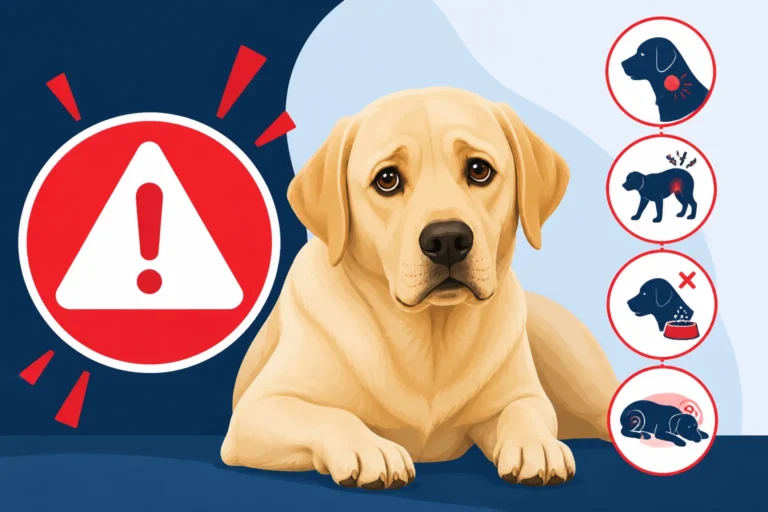
Your Labrador can't tell you their teeth hurt, so it's up to us, their human companions, to be vigilant detectives. Knowing what to look and smell for can help you identify problems before they become severe and ensure your Lab gets the care they need promptly.
Visible and Olfactory Clues to Watch For
The most obvious signs of dental trouble often hit you right in the nose – literally!
- Bad Breath (Halitosis): This is the number one sign most owners notice. While "doggy breath" is normal to an extent, a truly foul, pungent odor is not normal and is a strong indicator of bacterial overgrowth and infection. If your Lab's breath could knock a buzzard off a outhouse, it's time for a vet visit.
- Visible Tartar Buildup: Lift your Labrador's lip and take a look. Do you see yellowish, brownish, or even greenish crusty deposits, especially on the back molars and the canine teeth? This is tartar, and it needs professional removal.
- Red, Swollen, or Bleeding Gums: Healthy gums should be a pale pink, not angry red. If your Labrador's gums look inflamed, puffy, or bleed when they chew or you try to touch them, it's a sign of gingivitis or periodontitis.
- Loose or Missing Teeth: In advanced stages of dental disease, teeth can become loose due to bone loss. You might even notice a missing tooth or two, or teeth that appear misaligned.
- Excessive Drooling: While Labs can be a bit drooly, an increase in drooling, especially if the saliva is bloody or tinged, can indicate oral pain or infection.
- Broken or Chipped Teeth: Active Labradors sometimes manage to chip or break teeth on hard chew toys, bones, or even rocks. A broken tooth can be incredibly painful and open the pulp cavity to infection.
Behavioral Changes Indicating Dental Pain
Sometimes the signs are more subtle, manifesting as changes in your Labrador's behavior or eating habits. Our Labs are notoriously tough and will often try to hide pain, so you need to be extra observant.
- Reluctance to Eat or Chewing Difficulties: If your Labrador suddenly becomes picky, seems to drop food, chews on one side of their mouth, or avoids hard kibble or treats they once loved, dental pain could be the culprit. They might even approach their food bowl with enthusiasm but then back away once they try to chew.
- Paw-Sighing at the Mouth: You might see your Lab pawing at their mouth, rubbing their face against furniture, or frequently licking their lips, all of which can be attempts to alleviate discomfort.
- Decreased Playfulness or Irritability: Chronic pain, even from dental issues, can make any dog less enthusiastic about their usual activities. If your usually exuberant Lab seems quieter, less interested in playing fetch, or even snaps more readily, don't dismiss it. Pain can make even the sweetest dog grumpy.
- Facial Swelling: In severe cases, particularly if an abscess forms, you might notice swelling under their eye or on their jawline. This is an emergency and requires immediate veterinary attention.
- Weight Loss: If eating becomes consistently painful, your Labrador might start to lose weight, leading to other health issues. This can be especially concerning for Labs, who are already prone to Labrador Obesity and the Years It Costs. Maintaining a healthy weight becomes even harder if they can't eat comfortably.
Beyond Professional Cleanings: Daily Dental Care for Your Labrador
Professional dental cleanings are absolutely essential, but they're only one piece of the puzzle. Imagine if you only saw the dentist once a year and did nothing in between! Daily home care is the foundation of good oral health for your Labrador, and it can significantly extend the time between professional cleanings.
The Gold Standard: Brushing Your Labrador's Teeth at Home
Yes, it sounds daunting, but brushing your Labrador's teeth is the most effective way to prevent plaque and tartar buildup at home. It removes the sticky plaque before it has a chance to harden into tartar.
- Start Early: The best time to start is when your Labrador is a puppy. Getting them accustomed to having their mouth handled and a toothbrush in their mouth early will make it much easier as they grow. Even if you have an adult Lab, it's never too late to try.
- Gather Your Tools: You'll need a dog-specific toothbrush (they come in various sizes, including finger brushes) and canine toothpaste. Never use human toothpaste as it contains ingredients like xylitol that are toxic to dogs. Canine toothpaste comes in appealing flavors like chicken or beef, which can help make the experience more pleasant.
- Make It Positive: Approach brushing as a positive interaction. Start slowly. Let your Lab lick the toothpaste off your finger. Then, introduce the brush gently, focusing on one or two teeth at a time. Praise them profusely and offer a high-value treat.
- Technique: Gently lift their lip and brush in small, circular motions, focusing on the outside surfaces of the teeth, especially where the gum meets the tooth. This is where plaque accumulates most. Aim for at least 30 seconds per side, if not more.
- Frequency: Ideally, you should aim to brush your Labrador's teeth daily. If daily isn't feasible, every other day is still far better than nothing. Even a few times a week can make a significant difference. You can find more detailed tips on Brushing a Labrador's Teeth at Home.
Dental Chews, Water Additives, and Diet as Supporting Tools
While brushing is king, other products can complement your home dental care routine, but they should never replace brushing or professional cleanings.
- Veterinary Dental Chews: Look for dental chews that carry a Veterinary Oral Health Council (VOHC) seal of acceptance. This means they've been scientifically proven to reduce plaque and/or tartar. Brands like Greenies, Oravet, and Purina DentaLife are often recommended. Be mindful of the calorie content and factor it into your Labrador's daily food intake to prevent unnecessary weight gain.
- Dental Diets: Certain prescription dental diets, like Hill's Prescription Diet t/d or Royal Canin Dental, are formulated with a unique kibble design that scrapes the tooth surface as your dog chews, helping to reduce plaque. These can be particularly beneficial for Labs who resist brushing.
- Water Additives: These products are added to your Labrador's drinking water and contain ingredients designed to reduce bacteria in the mouth. Their effectiveness varies, but they can offer some minor benefit as part of a multi-pronged approach. Just ensure your Lab still drinks enough water with the additive.
- Oral Gels and Sprays: There are also various gels and sprays available that contain enzymes or antiseptic ingredients to help reduce bacteria. These can be applied directly to the teeth and gums.
- Raw Bones and Hard Chews (Use Caution!): Many owners wonder about feeding raw bones or very hard chews. While these can provide some mechanical cleaning, they also carry significant risks. Very hard items can cause broken teeth, which are painful and often require costly extractions. Always supervise your Labrador with any chew item, and if you choose bones, ensure they are appropriate for your dog's size and chewing style, avoiding weight-bearing bones from large animals that are too dense. It's often safer to stick to VOHC-approved dental chews.
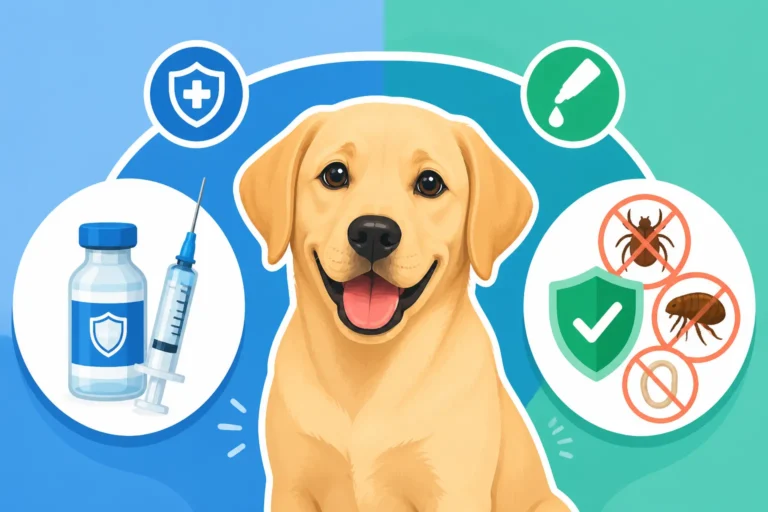
Remember, no single product is a magic bullet. The most effective strategy combines regular veterinary check-ups (including discussions about Labrador Vaccination and Parasite Schedule which often coincide with quick dental checks), consistent home brushing, and appropriate dental supplements or chews.
What to Expect During a Professional Labrador Dental Cleaning
When your vet recommends a professional dental cleaning, it's natural to have questions, especially about anesthesia. Understanding the process can help ease your mind and prepare you for your Labrador's procedure.
The Anesthesia Concern and Why It's Necessary
One of the biggest concerns for many owners is the fact that professional dental cleanings require general anesthesia. And let's be honest, putting your beloved Labrador under anesthesia can be nerve-wracking. However, it's absolutely necessary for a thorough and safe cleaning.
- Why Anesthesia? Dogs don't understand "open wide and stay still." Anesthesia allows the veterinary team to perform a comprehensive examination, probe the gum line, take dental X-rays (which are crucial for identifying issues below the gum line), thoroughly scale all surfaces of the teeth (including under the gums), and safely extract any problematic teeth without pain or stress to your dog.
- Safety Protocols: Modern veterinary medicine has made anesthesia much safer than in years past. Before any procedure, your Labrador will undergo a thorough pre-anesthetic exam, which typically includes blood work to assess organ function and ensure they can safely metabolize the anesthetic drugs. Your vet will also discuss your Labrador's individual health history.
- Monitoring During the Procedure: During the cleaning, your Labrador will be continuously monitored by a dedicated veterinary nurse or technician. This includes tracking heart rate, breathing, blood pressure, oxygen saturation, and body temperature. IV fluids are often administered to maintain hydration and support blood pressure.
While risks are always present with anesthesia, the benefits of addressing painful dental disease far outweigh the risks for most healthy Labradors. Don't hesitate to ask your vet about their specific anesthetic protocols and what steps they take to ensure your dog's safety.
The Cleaning Process and Post-Procedure Care
Once your Labrador is safely under anesthesia, the real work begins.
- Oral Examination and X-rays: The vet will first perform a complete oral exam, noting any visible issues. Dental X-rays are then taken to visualize the tooth roots and jawbone, revealing problems like abscesses, bone loss, or unerupted teeth that aren't visible to the naked eye. Up to 60% of dental disease lies below the gum line, so X-rays are critical.
- Scaling: Using ultrasonic and hand scalers, the veterinary team will meticulously remove all plaque and tartar from above and below the gum line, similar to what your own dental hygienist does.
- Polishing: After scaling, the teeth are polished to smooth out any microscopic scratches left by the scaling tools. A smooth surface makes it harder for new plaque to attach.
- Extractions (If Needed): If severe periodontal disease, fractured teeth, or other irreversible issues are found, the vet will perform extractions. This involves carefully removing the affected tooth and often stitching the gum closed. While extractions sound scary, removing a painful, infected tooth provides immense relief and prevents further spread of infection.
- Post-Procedure Care: After the cleaning, your Labrador will be carefully monitored as they wake up from anesthesia. They'll likely be groggy. You'll receive discharge instructions, which may include a soft food diet for a few days, pain medication (especially if extractions were done), and possibly antibiotics. Most Labradors recover quickly and are back to their normal selves within a day or two, often with much fresher breath!
The Financial Side of Labrador Dental Care
Let's be realistic: vet bills can add up, and dental care is no exception. Understanding the costs involved and exploring options like pet insurance can help you manage your Labrador's health budget without compromising their well-being.
Understanding the Costs Involved
The cost of a professional dental cleaning for a Labrador can vary significantly based on your geographic location, the veterinary clinic, and the extent of the work needed.
- Basic Cleaning: A routine, uncomplicated dental cleaning for a Labrador (which includes anesthesia, monitoring, scaling, and polishing) can range from $400 to $800.
- Additional Services: This is where costs can escalate.
- Pre-anesthetic blood work: Usually an additional $100-$200.
- Dental X-rays: Can add $150-$300.
- Extractions: Each extraction can cost anywhere from $50 to $300+, depending on the complexity (e.g., a simple incisor vs. a multi-rooted molar that requires surgical removal).
- Medications: Pain relief and antibiotics will also add to the final bill.
- IV Fluids: Often an additional charge, around $50-$100.
It's not uncommon for a dental procedure with a few extractions to run into the $1,000 to $2,500+ range. These costs, while necessary, can be a big hit to the wallet, especially if unexpected.
Pet Insurance and Proactive Planning for Dental Bills
Given the potential for substantial dental bills, many Labrador owners find pet insurance to be a valuable tool. Companies like Healthy Paws offer various plans that can help alleviate the financial burden of unexpected veterinary care, including extensive dental work.
- What Pet Insurance Covers: Most comprehensive pet insurance policies will cover the costs associated with treating dental disease, including professional cleanings, extractions, and medications, as long as the condition isn't pre-existing. It's important to understand that routine preventative cleanings (without accompanying disease) might not always be covered by standard accident-and-illness plans, though some plans offer wellness add-ons that do. Always check the policy details for specifics.
- Pre-existing Conditions: This is a crucial point. If your Labrador already has significant dental disease before you enroll in pet insurance, it will likely be considered a pre-existing condition and won't be covered. This highlights the importance of getting insurance early in your Labrador's life. Reading the fine print about What Labrador Insurance Will Not Pay For is essential.
- Deductibles and Reimbursement Rates: Most pet insurance plans have a deductible you must meet before coverage kicks in, and then they reimburse you a percentage (e.g., 80% or 90%) of the covered costs. Knowing the Average Insurance Premium for a Labrador Retriever can help you budget for the monthly cost.
- Saving for Future Care: Even with pet insurance, it's wise to have an emergency fund for your Labrador. This fund can cover deductibles, non-covered expenses, or serve as a safety net if you don't have insurance.
Proactive planning, whether through dedicated savings or a reliable pet insurance provider like Healthy Paws, can provide immense peace of mind. Knowing that you can afford the best care for your Labrador's teeth, and indeed for their overall health, allows you to make decisions based on what's best for them, not just your budget. Healthy Paws offers flexible options that can make managing these health costs much more approachable.
Disclaimer
The information provided in this article is for general informational purposes only and is not a substitute for professional veterinary advice. Always consult with a qualified veterinarian regarding your Labrador's specific health concerns, treatment options, and any dietary or medical decisions.