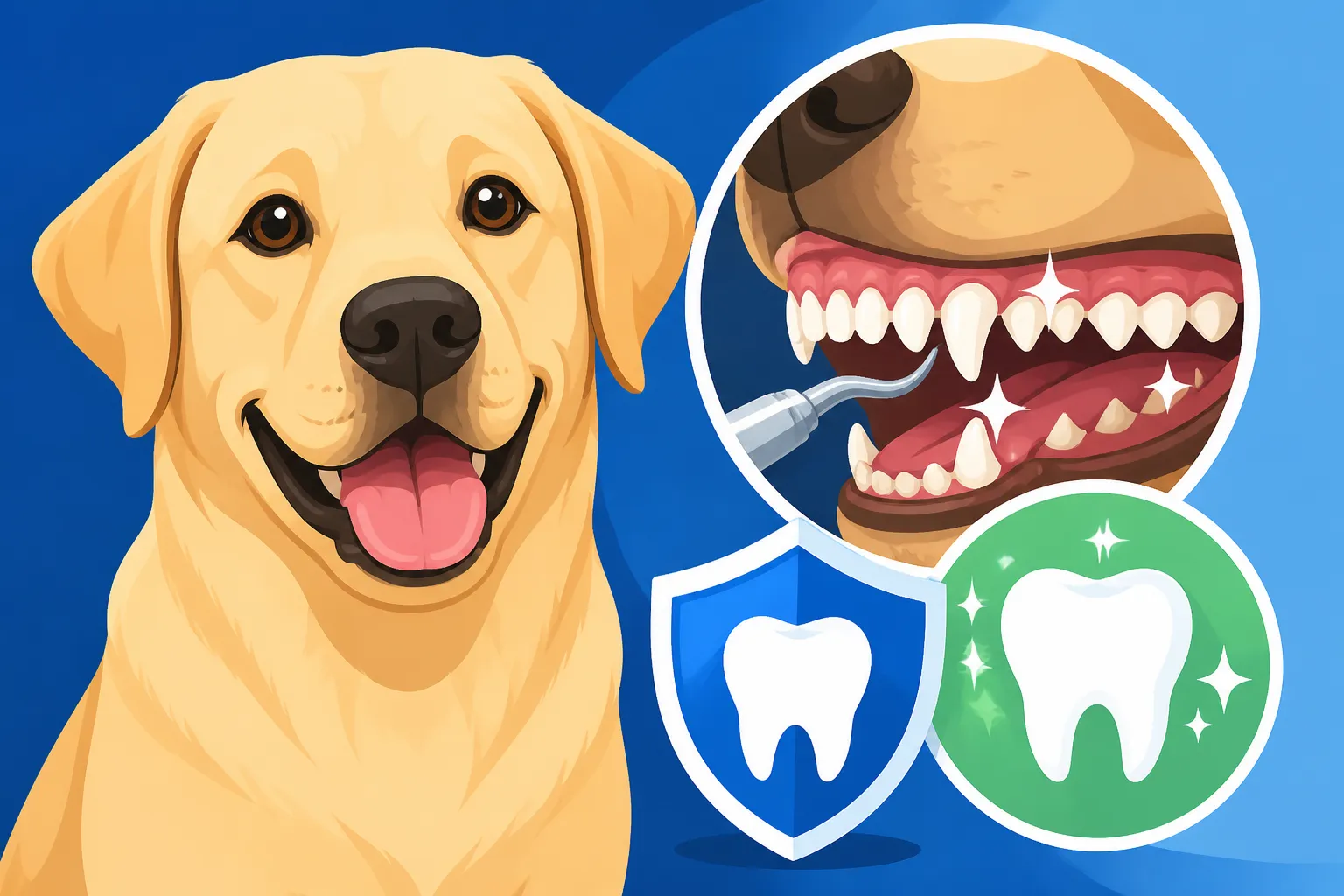
What a Labrador Dental Cleaning Costs
As Labrador owners, we all know that unique, slightly fishy breath that can sometimes emanate from our beloved companions. While a dog's breath is never going to smell like a bed of roses, there's a huge difference between normal dog breath and something much more concerning. When that odor becomes truly foul, it's often a tell-tale sign that their pearly whites (or what should be pearly whites) are in trouble. This guide is here to shed some light on the often-dreaded topic of professional dental cleanings for Labradors, breaking down the costs involved, what influences them, and how you can manage this essential aspect of their care without completely blowing your budget.
Why Your Labrador Needs Regular Dental Care
It’s easy to overlook dental care when your Labrador seems perfectly happy, retrieving balls with gusto and munching down their meals. But beneath that happy-go-lucky exterior, dental problems can silently brew, leading to serious health issues and significant pain that they're masters at hiding.
Beyond Bad Breath: The Health Risks of Poor Oral Hygiene
When we talk about dental disease in dogs, we’re really talking about periodontal disease. This isn't just about a little plaque; it's an infection of the tissues surrounding the teeth, including the gums, bone, and supporting ligaments. It starts subtly, with plaque hardening into tartar. This tartar creates a rough surface for more bacteria to cling to, eventually creeping under the gum line. Once it gets there, the real damage begins.
Left unchecked, this bacterial invasion leads to inflammation, gum recession, and eventually, bone loss. Your Labrador might look fine, but they could be living with chronic pain, infected gums, and loose teeth. What's even more concerning is that the bacteria from severe periodontal disease don't just stay in the mouth. They can enter the bloodstream, traveling to major organs like the heart, kidneys, and liver, causing secondary infections and long-term systemic problems. This is why a simple dental cleaning can prevent much more serious and expensive health complications down the road. Our stoic Labradors are incredibly good at masking discomfort, so by the time you notice overt signs of pain, like difficulty eating or pawing at their mouth, the problem is usually quite advanced. This is often why we recommend routine checks and cleanings, because by the time you know there's an issue, it's likely been brewing for a while.
The Importance of Professional Cleaning
While daily brushing at home is incredibly beneficial, it simply isn't enough to remove established tartar below the gum line. Think of it like this: you brush your teeth every day, but you still go to the dentist for a professional cleaning and check-up, right? The same principle applies to your Labrador. A professional dental cleaning performed by a veterinarian involves general anesthesia, which is crucial for a thorough and safe procedure.
Under anesthesia, the vet and vet techs can meticulously scale each tooth, removing all plaque and tartar, both above and below the gum line. This subgingival cleaning is absolutely critical because that's where the most damaging bacteria reside. After scaling, the teeth are polished to create a smooth surface that's harder for plaque to adhere to, slowing down future buildup. This comprehensive approach allows the veterinary team to fully assess your Labrador's oral health, including checking for loose teeth, gum recession, and any other anomalies that might indicate underlying issues. It's truly the only way to get a complete picture and give your dog a fresh, healthy start in their mouth.
Breaking Down the Costs of a Labrador Dental Cleaning
When you hear "dental cleaning," you might imagine a quick brush and rinse, but a veterinary dental procedure for a Labrador is a comprehensive medical process. Understanding the components of the bill can help you better prepare and avoid sticker shock.
What Goes Into the Base Procedure Cost
The base cost of a professional dental cleaning typically covers the essentials. This includes the general anesthesia itself, which is a significant portion of the expense due to the medications used and the specialized equipment required. During the procedure, your Labrador will have an IV catheter placed to administer fluids throughout, helping to maintain blood pressure and kidney function, especially with longer procedures. The veterinary technician will be constantly monitoring vital signs, including heart rate, respiration, oxygen saturation, and temperature, ensuring your dog's safety under anesthesia.
Then there's the actual cleaning: scaling each tooth meticulously, both above and below the gum line, to remove all tartar and plaque. This is followed by polishing to smooth the tooth surface, making it less hospitable for future plaque accumulation. The cost also accounts for the professional time of the veterinarian and the veterinary technicians involved in the procedure. These are skilled individuals who are dedicated to your pet's well-being. Keep in mind that prices can vary wildly depending on where you live. A clinic in a major metropolitan area like Los Angeles or New York City will undoubtedly have higher overheads and thus higher prices than one in a rural town. This base cost is usually what's quoted upfront for a "routine" cleaning, assuming no complications. You might find it useful to compare this aspect of vet care with the broader topic of Annual Routine Vet Spend for a Labrador This base figure can range anywhere from $400 to $800, sometimes even higher in very expensive areas.
Additional Costs: X-rays, Extractions, and Medications
Here's where the bill can start to climb, and honestly, these additional costs are often unavoidable and absolutely necessary for your Labrador's health. Dental X-rays are paramount. Just like with humans, a significant portion of dental disease in dogs occurs below the gum line, where it’s invisible to the naked eye. X-rays allow the vet to assess the tooth roots, bone structure, and identify issues like abscesses, bone loss, or unerupted teeth. Without them, you’re only addressing half the problem. A full mouth series of dental X-rays can add another $150 to $300+ to the bill.
If the X-rays or visual examination reveal significant disease, extractions become necessary. This is often the most variable part of the cost. A simple extraction of a single-rooted tooth might add $50-$100 per tooth, but surgical extractions, especially of multi-rooted teeth or those with severe bone loss, can be much more complex and time-consuming. These might require sutures, bone grafting materials, and specialized tools, pushing the cost for a single complex extraction into the $200-$500+ range. If your Labrador needs multiple extractions, the bill can quickly reach into the thousands. This is a common scenario, and it really drives home the importance of regular preventative care to avoid such extensive work. Sometimes, a Labrador might need extensive work, and it's worth understanding When a Labrador Tooth Has to Come Out to prepare for those possibilities.
After the procedure, your Labrador will likely go home with pain medication to ensure a comfortable recovery, and potentially antibiotics if there were significant infections or extractions. These medications typically add another $30-$100 depending on the specific drugs and duration. Don't forget pre-anesthetic bloodwork, which is crucial to ensure your Labrador's organs are functioning properly and can safely metabolize the anesthetic. This alone can be $80-$200.
Factors That Influence the Final Bill
The final cost of your Labrador's dental cleaning isn't a fixed price. Several variables come into play, and understanding these can help you anticipate the expense.
Age and Current Dental Health Status
This is perhaps the biggest factor. A young Labrador, say around 2-3 years old, who has had consistent home dental care might only need a basic cleaning. Their procedure will likely be shorter, require less anesthesia, and be less prone to complications like extractions. The total bill for such a case could be on the lower end of the spectrum, perhaps in the $500-$800 range.
However, an older Labrador, especially one who hasn't had much dental attention throughout their life, is a completely different story. By the time they reach 7 or 8 years old, many Labradors have significant plaque and tartar buildup, gum recession, and even bone loss. They are much more likely to require extensive dental X-rays, multiple extractions, and a longer time under anesthesia. This means more medications, more materials, and more vet and tech time, which naturally drives the cost up. It’s not uncommon for a senior Labrador's first comprehensive dental procedure to cost well over $1,500, sometimes even $3,000 or more if many complex extractions are needed. Addressing Labrador Dental Disease and Tartar early is always the most cost-effective approach in the long run.
Your Location and Veterinary Clinic
As mentioned before, where you live significantly impacts the cost of veterinary services. Urban areas with higher costs of living and more specialized veterinary practices tend to have higher prices across the board. A general practice in a suburban or rural area will often be more affordable. For example, a dental cleaning in Omaha, Nebraska, will likely be less expensive than the same procedure in Seattle, Washington.
Beyond just the city, the type of clinic also matters. A high-end veterinary hospital with state-of-the-art equipment, board-certified dental specialists, and a large support staff will naturally charge more than a smaller, independent clinic. While both can provide excellent care, the level of technology and specialized expertise can influence the price. Some clinics also have a higher standard of care when it comes to anesthesia monitoring, using advanced equipment that adds to their overhead but offers a greater margin of safety for your pet. It’s worth noting that differences in Labrador Vet Costs in a City Versus a Town can be substantial, so if you have the option, exploring clinics in slightly less urbanized areas might be a way to manage costs, provided they meet your standards of care.
Anesthesia Protocols and Monitoring
The quality of anesthesia and monitoring is crucial for any surgical procedure, and dental cleanings are no exception. The cost reflects the commitment a clinic makes to patient safety. A clinic that uses modern, safer anesthetic agents, has dedicated personnel monitoring your Labrador throughout the entire procedure, and employs comprehensive monitoring equipment (ECG, pulse oximetry, capnography, blood pressure, temperature) will likely have higher costs. This is because these measures require skilled staff and expensive equipment.
Beware of exceptionally cheap dental cleaning offers. While a good deal is always welcome, a price that seems too good to be true might indicate corners are being cut on critical safety measures, such as pre-anesthetic bloodwork, IV fluids, or proper monitoring. For a large breed like a Labrador, with their potential for underlying health issues, ensuring the highest standards of anesthetic safety is paramount. It’s an investment in their immediate well-being and can prevent severe complications. Always ask your vet about their anesthesia protocols and what kind of monitoring is included in their dental package.
Saving Money Without Compromising Your Labrador's Health
The cost of dental care can be daunting, but there are proactive steps you can take to keep your Labrador's mouth healthy and potentially reduce the long-term expense. Prevention is truly the best medicine here.
Preventative Care at Home
This is the absolute cornerstone of affordable dental health. Daily tooth brushing is the single most effective thing you can do to prevent plaque and tartar buildup. While it might sound like a chore, many Labradors can be trained to accept and even enjoy brushing with the right approach and positive reinforcement. Start early with a puppy, use a dog-specific toothbrush and toothpaste (never human toothpaste!), and make it a fun, rewarding experience. If you’re unsure how to begin, check out guides on Brushing a Labrador's Teeth at Home for detailed steps.
Beyond brushing, dental chews can also play a role. Look for chews that are specifically designed to reduce plaque and tartar, and ensure they are appropriate for your Labrador's size and chewing style to prevent choking or tooth breakage. Brands like Greenies or VeggieDent often have veterinary dental health organization seals of approval. However, remember that chews are supplements, not replacements for brushing. We also have detailed information on Dental Chews That Work for Labradors if you're looking for specific recommendations. Some vets also recommend water additives, which contain ingredients that help reduce bacteria in the mouth. Finally, diet can play a small role; some dental diets are formulated with kibble that helps mechanically scrub teeth or contains ingredients that prevent tartar formation.
The Role of Pet Insurance
Pet insurance can be a real lifesaver when unexpected vet bills arise, and dental care is no exception. Most comprehensive pet insurance policies, like those offered by Healthy Paws or Lemonade, will cover the costs of dental cleanings if they are deemed medically necessary due to an illness or injury, such as treating periodontal disease or extracting a broken tooth. What they typically don't cover are routine preventative cleanings unless you opt for a separate wellness plan or rider.
A wellness plan, sometimes offered as an add-on to a standard policy, can help budget for routine care, including annual dental cleanings. While it adds to your monthly premium, it can spread out the cost and often includes other preventative care like vaccinations and annual exams. Always read the fine print of any pet insurance policy to understand what exactly is covered under dental care, including waiting periods and any limits on payouts. For example, some policies might not cover extractions for pre-existing conditions if your Labrador already had significant dental disease when you signed up. Learning more about Pet Insurance for a Labrador Retriever can help you make an informed decision for your pet.
Financing Options and Budgeting
Even with preventative care and insurance, sometimes a large dental bill is unavoidable. If you find yourself facing a significant expense, there are options to help manage the financial strain. Many veterinary clinics offer payment plans directly, or they partner with third-party financing services like CareCredit. CareCredit works like a credit card specifically for healthcare expenses, often offering interest-free promotional periods if the balance is paid within a certain timeframe.
It's also a smart move to start an emergency fund specifically for your Labrador's health needs. Even putting away $20-$50 a month can add up over time and provide a buffer for unexpected vet visits, including extensive dental work. Think of it as self-insurance! Some of our readers have found helpful tips in Setting Up an Emergency Fund for a Labrador. For ongoing needs, like special dental diets or post-procedure medications, consider using online pet supply retailers like Chewy or your local pharmacy. They often offer competitive pricing and auto-ship options, which can make budgeting easier. Some newer pet food companies, like Ollie, which provides fresh, human-grade dog food, focus on overall health and well-being, which can indirectly support better dental health over time by reducing inflammation or providing better nutrition, though they don't directly cover vet costs.
Ultimately, the goal is to keep your Labrador healthy and comfortable. While the costs might seem high, the pain and potential systemic health problems caused by untreated dental disease are far worse for your beloved companion.
| Service Item | Estimated Cost Range (USD) | What It Includes |
|---|---|---|
| Initial Exam & Consultation | $50 – $100 | Vet assessment before procedure. |
| Pre-Anesthetic Bloodwork | $80 – $200 | Tests to ensure organ function and anesthetic safety. |
| Anesthesia & Monitoring | $250 – $600 | Anesthetic drugs, gas, IV fluids, monitoring equipment, vet tech time. |
| Scaling & Polishing | $150 – $400 | Removal of plaque/tartar above and below gum line, tooth polishing. |
| Dental X-rays (Full Mouth) | $150 – $300 | Imaging of tooth roots and jawbone, crucial for hidden disease. |
| Simple Extraction (per tooth) | $50 – $150 | Removal of a single-rooted tooth with minimal complications. |
| Surgical Extraction (per tooth) | $200 – $500+ | Removal of multi-rooted, fractured, or deeply embedded teeth, often with sutures. |
| Pain Medication | $30 – $70 | Oral pain relief for post-procedure comfort. |
| Antibiotics | $30 – $80 | If infection is present or extractions performed. |
| TOTAL (Routine Cleaning) | $500 – $1,200 | For a young, healthy Labrador with minimal issues. |
| TOTAL (Extensive Work) | $1,500 – $4,000+ | For older Labradors needing X-rays and multiple extractions. |
Disclaimer
The information provided in this article is for general informational purposes only and does not constitute veterinary advice. Always consult with a qualified veterinarian for any health concerns or before making any decisions about your Labrador's medical care. Costs are estimates and can vary significantly based on location, veterinary practice, and individual animal needs.