When a Labrador Tooth Has to Come Out
It’s heartbreaking to see your usually boisterous Labrador suddenly reluctant to chew their favorite toy or flinching when you try to give them a cuddle near their mouth. Dental pain in dogs is often a silent struggle, and many Lab owners feel incredibly guilty when they realize their beloved companion has been suffering. This comprehensive guide will walk you through the clear signs that indicate your Labrador might need a tooth extracted, the common conditions that necessitate such a procedure, and what to expect during recovery, helping you recognize the problem and get your furry friend back to their happy, comfortable self.
Spotting the Silent Struggle: Signs Your Labrador Needs a Tooth Pulled
Labradors, bless their stoic hearts, are masters at hiding pain. Their instinct is to appear strong, and often, by the time we notice something is seriously wrong with their teeth, the problem has been brewing for a while. It’s not your fault if you haven't spotted it sooner; they are incredibly good at masking discomfort. But knowing what to look for can make all the difference.
Beyond Bad Breath: Subtle Clues You Might Miss
We all know "dog breath" isn't exactly fresh, but a sudden worsening or a truly foul, metallic, or putrid smell from your Labrador's mouth is a huge red flag. This isn't just about bad breath; it's a strong indicator of bacterial overgrowth and infection. It means something is decaying in there, and that's never a good sign. If you find yourself recoiling more than usual, pay close attention.
Beyond the scent, keep an eye out for changes in how your Labrador eats or plays. Are they suddenly dropping kibble, or tilting their head at an unusual angle when they chew? Maybe they're only using one side of their mouth. Perhaps their beloved Kong or chew toy goes untouched, or they paw at their face after a few minutes of chewing. These are subtle shifts that suggest discomfort. Sometimes, you might even notice a preference for softer foods, or a sudden disinterest in harder treats they once devoured. This isn't them being picky; it's their body telling them it hurts. You can learn more about general dental health in our guide on Labrador Dental Disease and Tartar.
When to Head to the Vet Immediately
While subtle signs warrant investigation, some symptoms demand immediate veterinary attention. Swelling on one side of your Labrador's face, especially under the eye or around the jaw, is a serious indicator of an abscessed tooth. This means infection has spread beyond the tooth root and is causing inflammation in the surrounding tissues. It can be incredibly painful and, if left untreated, can spread further, leading to more severe health complications.
Another urgent sign is any bleeding from the mouth, excessive drooling (especially if blood-tinged), or a sudden reluctance to open their mouth. Your Labrador might become lethargic, withdrawn, or even a bit irritable due to constant pain. If they suddenly snap or growl when you approach their face, it's not aggression; it's a desperate plea for relief. Don't delay in these situations – your vet needs to see them as soon as possible to diagnose the underlying issue and determine if a tooth has to come out.
When Keeping a Tooth Becomes a Bigger Problem: Reasons for Extraction
Sometimes, despite our best efforts, a tooth simply cannot be saved. It’s a tough decision for any pet parent, but knowing the specific issues that necessitate extraction can help you understand why your vet is recommending this path. Often, removing a problem tooth is the kindest thing you can do to relieve your Labrador’s chronic pain and prevent further complications.
Fractured or Broken Teeth
Labradors love to chew. They love to chew everything. While this can be a great outlet for their energy, it also puts them at risk for fractured teeth. Chewing on excessively hard items like real antlers, bones, hooves, ice, or even rocks can easily chip, crack, or completely break a tooth. When a tooth fractures, especially if it exposes the pulp chamber (the inner part of the tooth containing nerves and blood vessels), it's a direct pathway for bacteria into the bloodstream and can cause excruciating pain.
A broken tooth that exposes the pulp is an open invitation for infection. Even if your Labrador isn't showing obvious signs of pain right away, that exposed nerve is incredibly sensitive and will likely lead to an abscess. In these cases, extraction is often the most practical and effective solution, though sometimes a root canal can be performed by a veterinary dentist. Unfortunately, many general practitioners don't offer root canals, making extraction the go-to. If you’re concerned about preventing this, remember to choose chew toys carefully, as detailed in our post on Chew Toys That Survive a Labrador.
Severe Periodontal Disease
Periodontal disease is probably the most common reason a Labrador's tooth has to come out. It starts innocently enough with plaque and tartar buildup on the teeth, which progresses to gingivitis (inflamed gums). If left unchecked, this inflammation spreads below the gumline, destroying the supporting structures of the tooth, including the bone and ligaments. This is known as periodontitis.
Once periodontitis sets in, it’s irreversible. The gums recede, bone loss occurs, and the teeth become loose. Pockets of infection form around the roots, leading to chronic pain, bad breath, and systemic health issues as bacteria constantly enter the bloodstream. At this advanced stage, the tooth is often unsalvageable, and extraction is necessary to eliminate the source of infection and pain, restoring your Labrador’s quality of life. Regular professional dental cleanings, which you can read about in How Often a Labrador Needs Dental Cleaning, are crucial for preventing this.
Retained Deciduous Teeth and Impacted Teeth
Sometimes, dental problems begin even in puppyhood. Labradors, like all puppies, have baby teeth (deciduous teeth) that should fall out to make way for their permanent adult teeth. However, sometimes a baby tooth doesn't fall out, or it gets "retained." When this happens, the adult tooth tries to erupt alongside it, leading to overcrowding. This overcrowding creates tight spaces where food particles and bacteria can easily get trapped, leading to accelerated plaque and tartar buildup, gingivitis, and eventual periodontal disease, even in young dogs.
Retained deciduous teeth can also cause malocclusion, meaning the adult teeth don't align properly, potentially causing painful contact with other teeth or the soft tissues of the mouth. In these situations, the retained baby tooth usually needs to be extracted to allow the adult tooth to grow into its correct position and prevent future problems. Similarly, sometimes adult teeth get stuck beneath the gum line, becoming "impacted." These impacted teeth can lead to painful cysts and other issues, often requiring surgical extraction. This is especially something to watch for during your Labrador puppy’s first year, as discussed in Labrador Puppy Health in the First Year.
Tooth Resorption and Abscesses
Tooth resorption is a progressive condition where the body starts to resorb (break down) parts of its own teeth. While it's more commonly seen in cats, it can affect dogs, including Labradors. The process is often very painful as it exposes the sensitive inner parts of the tooth, though the cause isn't fully understood. As the condition progresses, the tooth structure weakens, causing extreme discomfort. If identified, the affected teeth usually require extraction to alleviate the pain.
Dental abscesses are another painful issue that often leads to extraction. These occur when a bacterial infection forms a pocket of pus around the root of a tooth, typically stemming from severe periodontal disease or a deep fracture. The infection can be so severe that it causes facial swelling, pain, and can even compromise your Labrador’s overall health. An abscessed tooth is a persistent source of infection and pain that rarely resolves without intervention, making extraction the definitive treatment to clear the infection and prevent its recurrence.
Here's a quick overview of common dental issues and why extraction might be the recommended course of action:
| Dental Issue | Description | Why Extraction? |
|---|---|---|
| Fractured Tooth | Tooth broken, often exposing nerve/pulp. | Pain relief, prevent infection, resolve exposed pulp. |
| Severe Periodontal Disease | Advanced gum disease, bone loss, loose teeth, deep pockets of infection. | Eliminate chronic infection, pain, prevent systemic disease. |
| Retained Deciduous Teeth | Baby tooth doesn't fall out, leading to overcrowding/malocclusion. | Allow adult tooth to grow correctly, prevent plaque buildup and pain. |
| Impacted Teeth | Adult tooth stuck below gum line, cannot erupt. | Prevent cyst formation, resolve pain, allow for proper dental alignment. |
| Tooth Resorption | Body breaks down tooth structure; painful lesions. | Alleviate chronic pain, remove affected tooth causing discomfort. |
| Dental Abscess | Pocket of pus at tooth root, often from infection or fracture. | Eliminate severe infection source, relieve acute pain, prevent spread. |
Navigating the Extraction Process and Post-Op Care
Learning your Labrador needs a tooth pulled can be daunting. You're probably worried about the anesthesia, the surgery itself, and how your big, goofy pup will handle recovery. Rest assured, veterinary dentistry has come a long way, and your vet will prioritize your Labrador's safety and comfort every step of the way.
What Happens During the Procedure
First and foremost, your Labrador will undergo a thorough pre-surgical examination and blood work to ensure they are healthy enough for anesthesia. This is a crucial step for their safety. Once cleared, they will be carefully anesthetized. Modern veterinary anesthesia is very safe, with monitoring equipment similar to what's used in human hospitals, tracking heart rate, blood pressure, oxygen levels, and temperature.
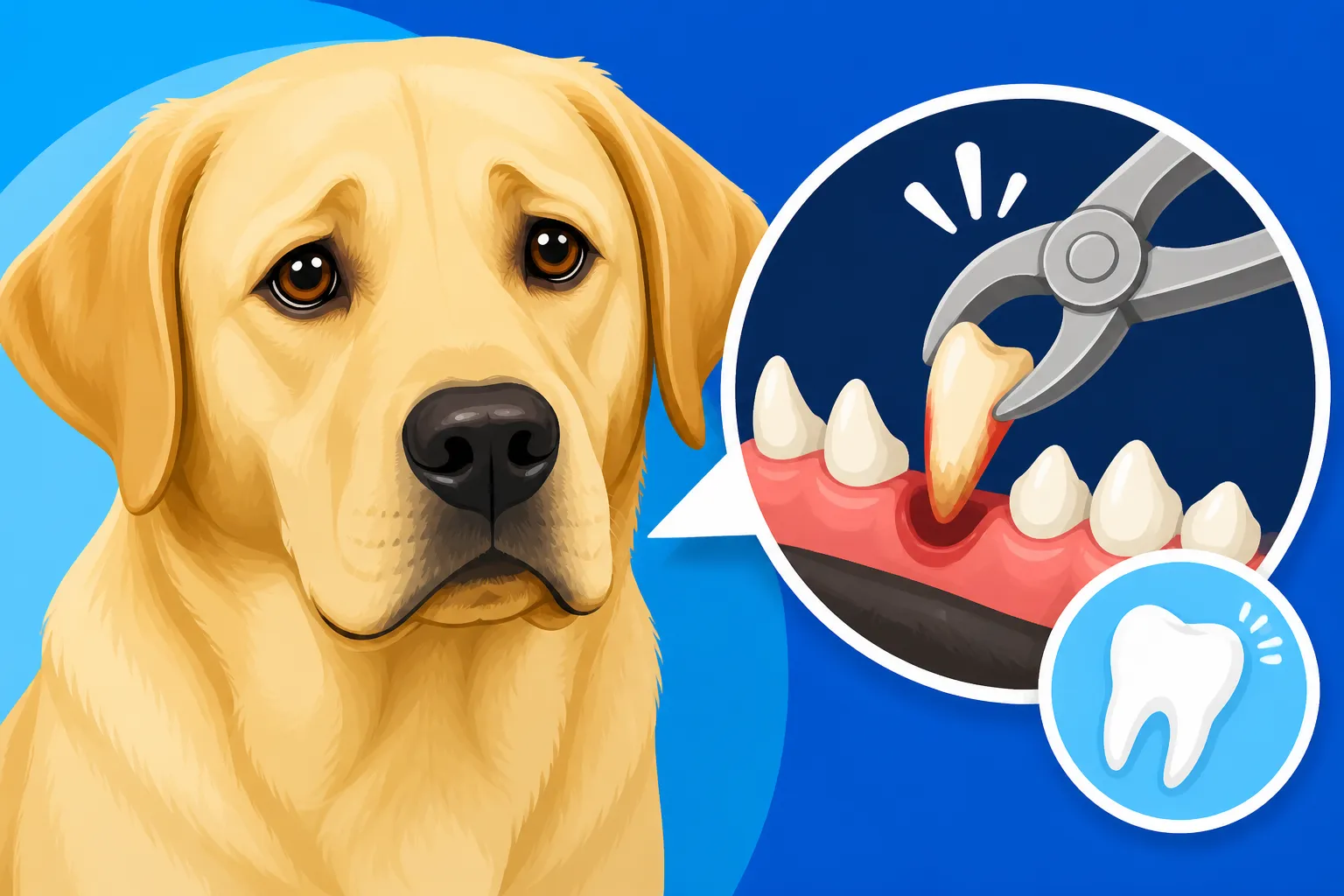
Once under anesthesia, a full oral exam is performed, often including dental X-rays. This is vital because many dental problems, especially fractured roots or abscesses, hide below the gum line where they can't be seen with the naked eye. X-rays help your vet determine the full extent of the damage and plan the most effective and least invasive extraction. After the X-rays and detailed charting of the mouth, local nerve blocks are administered to numb the area, providing additional pain control during and after the procedure. The tooth is then carefully extracted, often with small incisions in the gum and bone, and the gum tissue is sutured closed. Your dog might receive additional pain medication or antibiotics. You can usually pick them up later that day, groggy but already on the path to feeling better.
Post-Extraction Care for Your Labrador
The days following a tooth extraction are critical for a smooth recovery. Your Labrador will likely come home with a course of pain medication and possibly antibiotics. It’s absolutely essential to follow your vet's instructions precisely, ensuring they get their meds on time. Many vets prescribe non-steroidal anti-inflammatory drugs (NSAIDs) to manage pain and swelling, which can be a lifesaaver for your Lab. Our article on Pain Medication Vets Prescribe for Labradors has more information on typical pain management.
For the first week or so, your Labrador will need to eat soft food only. This means no kibble, hard treats, or chew toys. Canned food, softened kibble, or a veterinary-prescribed soft diet are good options. Keep their activity level restricted to leash walks and no rough play or fetch, to prevent dislodging the blood clot that helps heal the extraction site. You’ll need to monitor the surgical site for any swelling, redness, discharge, or foul odor. Most stitches used in the mouth are dissolvable, but your vet might want a recheck appointment to ensure proper healing. While the cost can be a concern, many pet insurance plans, like those offered by Healthy Paws, can help cover unexpected veterinary expenses, including dental surgery.
Beyond Extraction: Keeping Your Labrador's Remaining Teeth Healthy
An extraction is often a necessary step to resolve acute pain and infection, but it's also a wake-up call. It's a clear signal that your Labrador’s dental health needs ongoing attention. Taking proactive steps after an extraction is crucial for preventing future problems and ensuring the rest of their teeth stay in tip-top shape.
Daily Dental Hygiene at Home
The single most effective thing you can do for your Labrador's dental health is to brush their teeth daily. Yes, daily! It might seem like a chore, but it prevents plaque from hardening into tartar, which is what ultimately leads to gum disease. Start slowly, using a finger brush or a soft canine toothbrush and enzymatic dog toothpaste (never human toothpaste). Aim for short, positive sessions, focusing on the outside surfaces of the teeth, which are most prone to plaque buildup. If you’re struggling with this, our guide on Brushing a Labrador's Teeth at Home offers practical tips.
Beyond brushing, you can incorporate other dental aids. Veterinary dental chews that have been clinically proven to reduce plaque and tartar can be helpful, but they should be given as part of your Labrador's daily calorie intake, not as an extra. Look for products with the VOHC (Veterinary Oral Health Council) seal of acceptance. Dental water additives can also contribute to reducing bacteria in the mouth. Just be mindful of what your Labrador chews; after an extraction, avoid anything too hard that could damage the remaining teeth or the healing site. Consider that for some Labradors, a chew that is too hard can lead to a broken tooth, so it's best to discuss appropriate chew toys with your vet.
Regular Veterinary Dental Check-ups
Even with diligent home care, regular professional dental check-ups and cleanings under anesthesia are indispensable. Your vet can spot problems early, before they become painful extractions. During these appointments, they will perform a thorough oral exam, scale away tartar from above and below the gumline, polish the teeth, and often take dental X-rays to check for issues beneath the surface. For a deep dive into prevention, check out our piece on Labrador Dental Disease and Tartar.
Think of it like this: your dentist advises you to brush and floss daily, but you still go for professional cleanings, right? The same applies to your Labrador. These routine cleanings are critical for maintaining overall oral health and catching any new issues, like gingivitis or early signs of a fracture, before they escalate to the point where another tooth has to come out. Many pet parents find the cost of these cleanings manageable, especially if they have pet insurance through providers like Healthy Paws, which can mitigate the financial stress of preventative and reactive dental care. It’s an investment in your Labrador's long-term comfort and health.
Disclaimer
The information provided in this article is for general informational purposes only and is not a substitute for professional veterinary advice. Always consult with a qualified veterinarian for any health concerns or before making any decisions related to your Labrador's health and treatment.