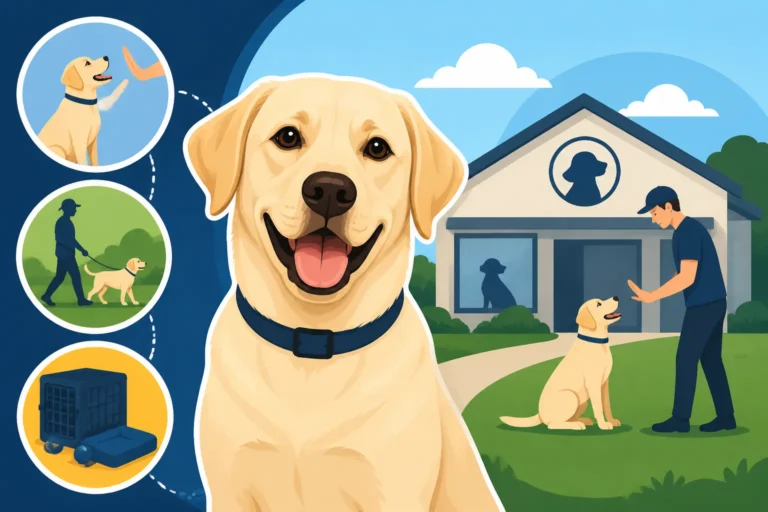
What a Labrador Puppy Class Costs
Bringing home a new Labrador puppy is an absolute whirlwind of joy, excitement, and let's be honest, a fair bit of chaos. Those adorable, clumsy paws and endless energy quickly have you dreaming of a well-behaved adult dog, but getting there often feels like navigating a maze blindfolded. One of the first crucial steps many new owners consider is enrolling their furry family member in a puppy class, but the big question always looms: "What exactly does a Labrador puppy class cost, and is it truly worth the investment?" This comprehensive guide is here to break down the expenses, explain what you're paying for, and help you decide if it's the right path for you and your future best friend.
Understanding the Value of Labrador Puppy Classes
It’s completely normal to feel a pinch in your wallet when looking at the price tags for puppy classes, especially when you’re already contending with all the other initial costs of a new puppy, from food to vet visits. However, framing puppy classes purely as an expense misses their enormous value. These aren't just about teaching your pup to sit; they're an essential foundation for a happy, well-adjusted Labrador, and in the long run, they can actually save you money and heartache by preventing bigger behavioral issues down the road.
More Than Just Sit and Stay
When you enroll your Labrador puppy in a class, you're not just signing up for an hour of "sit" and "stay" drills. While basic obedience is certainly a component, a good puppy class offers so much more. Think of it as a crucial socialization boot camp, where your pup gets to safely interact with other puppies and people in a controlled environment. This exposure during critical developmental periods helps them grow into confident, friendly dogs, rather than fearful or reactive ones. Early, positive socialization can be transformative.
Beyond socialization, these classes are invaluable for you, the owner. Instructors often cover common puppy problems like nipping, house training accidents, and excessive barking, giving you practical strategies to implement at home. For instance, learning how to effectively manage something like Labrador puppy mouthing and how to redirect it early on can prevent a lot of painful nips and chewed-up furniture later. You’ll learn how to communicate effectively with your dog, understand their body language, and build a strong, positive relationship based on trust and mutual understanding. This foundation is truly priceless.
Different Formats, Different Price Tags
Just like everything else in life, dog training classes come in various shapes and sizes, and each format carries its own price tag. The most common is the group class, typically held at a local pet store, community center, or dedicated training facility. These are generally the most budget-friendly option and offer excellent opportunities for socialization.
Then there are private, one-on-one sessions, which are much more tailored to your specific needs and your puppy's individual challenges. These are fantastic if your Labrador has particular issues you want to address without the distraction of other dogs, or if your schedule doesn't align with group class times. Naturally, this personalized attention comes at a higher cost. For those looking for a comprehensive, hands-off approach, there are also "board and train" programs where your puppy lives with a trainer for a period, returning to you with a solid foundation. These are often the most expensive option, but can be a godsend for busy families or puppies with specific, intensive needs.
Average Costs and What Influences Them
Now for the numbers. The cost of a Labrador puppy class can vary quite a bit, but typically, you're looking at a range that reflects the format, location, and expertise involved. Understanding these factors can help you gauge whether a price is reasonable or if you need to keep looking.
Regional Differences in Training Expenses
Just like the cost of living varies from city to city, so does the price of dog training. In larger metropolitan areas like New York City, Los Angeles, or even Denver, you can expect to pay more for puppy classes than in a smaller town or rural community. This isn't just because of higher overhead for the training facility; it also reflects the higher cost of living for the trainers themselves. For example, a basic six-week group puppy class in a bustling city might easily run you $200-$400, while the same class in a suburban or rural area could be closer to $120-$250. It’s always a good idea to research local options to get a realistic sense of what a Labrador puppy class costs in your specific area.
When considering the overall financial picture, remember that these training costs are just one part of the broader financial commitment. Looking at the bigger picture, like what a Labrador costs a month all in, really helps put individual expenses into perspective.
The Impact of Instructor Experience and Facility
The quality and reputation of the instructor and the facility play a significant role in pricing. A highly experienced, certified professional dog trainer (CPDT-KA, for instance) with years of successful outcomes will understandably charge more than a novice trainer just starting out. You're paying for their expertise, their ability to troubleshoot issues, and their skill in creating a positive, effective learning environment for both puppies and owners.
Similarly, a dedicated, clean training facility with specialized equipment, ample space, and perhaps even climate control or outdoor training areas will often command higher fees than a class held in a rented church basement. While fancy facilities aren't strictly necessary for good training, they can enhance the experience and often reflect a professional, well-run operation. Don't be afraid to ask about instructor credentials and visit the facility before committing.
Package Deals Versus A La Carte Sessions
Many training centers offer different payment structures that can impact your total cost. Most group puppy classes are sold as a complete package – typically 4 to 8 sessions over several weeks. This usually offers the best per-session value. For example, a 6-week group class might cost $250, breaking down to about $40 per session.
Private training, on the other hand, might be available as single sessions, or in packages of 3-5 sessions, which often come with a slight discount. Single private sessions can range from $75-$150 per hour, while a package of five might be $300-$600. Board and train programs are usually priced as one lump sum for the entire stay (e.g., two to four weeks), and these can easily run from $1,500 to $4,000 or even more, depending on the program's intensity and duration.
Here’s a quick overview of typical costs:
| Class Type | Average Price Range (USD) | Typical Duration | Key Benefits |
|---|---|---|---|
| Group Puppy Class | $120 – $400 | 4-8 weeks (1 hr/session) | Socialization, basic obedience, owner education |
| Private 1-on-1 Sessions | $75 – $150 per hour | Variable, custom | Tailored training, address specific issues |
| Private Session Package | $300 – $600 | 3-5 sessions | Discounted tailored training |
| Board and Train Program | $1,500 – $4,000+ | 2-4 weeks | Intensive training, professional foundation |
| Drop-in/Puppy Play Sessions | $10 – $30 per session | 1 hour | Socialization, no formal training curriculum |
These figures are averages and can fluctuate based on all the factors discussed above. Remember, investing in quality training now can reduce the likelihood of costly behavioral interventions or frustrations later on.
What to Expect from a Quality Labrador Puppy Class
So you’ve decided to enroll your boisterous Labrador pup – excellent choice! Knowing what a reputable puppy class should cover and how to prepare can help you maximize your investment and set your puppy up for success.
Curriculum and Key Skills Taught
A good Labrador puppy class will focus on more than just basic commands. It should cover foundational life skills crucial for any well-adjusted dog. You can expect lessons on:
- Basic Obedience: Commands like sit, stay, down, come (recall), and loose-leash walking. For a Labrador, a strong recall is especially vital for their safety and your peace of mind when off leash. Many classes incorporate short training sessions that suit a Labrador's attention span.
- Socialization: Safe, supervised interactions with other puppies of various sizes and temperaments. This is absolutely critical for Labradors, helping them learn appropriate play behavior and reducing fear or aggression towards other dogs in the future. Socializing a Labrador before vaccines finish (in a safe, controlled indoor environment) is often a topic of discussion with trainers.
- Handling and Grooming Tolerance: Getting puppies comfortable with being touched, having their paws handled, and being brushed, which makes vet visits and grooming much less stressful down the line.
- Problem Prevention: Addressing common puppy issues like nipping, chewing, jumping, and house training. You'll learn strategies to prevent these behaviors from becoming ingrained habits. For instance, techniques for dealing with Labrador puppy mouthing and how to redirect it are usually high on the agenda.
- Body Language and Communication: Understanding what your puppy is trying to tell you, and how you can communicate more clearly with them. This builds a stronger bond and helps you anticipate their needs.
These classes are designed to teach puppies the ropes of living in a human world and to equip owners with the tools to continue that education at home.
Preparing Your Labrador Puppy for Class
Getting ready for puppy class isn't just about showing up with your pup. There are a few things you can do beforehand to ensure both of you get the most out of the experience. Firstly, make sure your puppy is up-to-date on their vaccinations as recommended by your vet, as most classes require proof of immunizations to protect all the pups.
Secondly, familiarize your Labrador with their leash and collar or harness before the first class. Practice walking around the house so they're not completely new to it. Bring high-value treats that motivate a food-driven Labrador, as these will be essential for rewarding good behavior. A tired puppy learns better, so a short play session or potty break before class can help them focus. And don't forget to ask the training facility if they have any partnership with brands like Chewy for supplies, as they often have starter kits or recommended gear lists.
Making the Most of Your Investment
A puppy class is an investment, and like any investment, you want to see a good return. The biggest secret to success is consistency. What you learn in class needs to be practiced daily at home. Just attending the sessions won't magically create a perfectly behaved dog. Engage with your instructor, ask questions, and don't be afraid to voice your concerns or challenges.
Take advantage of the social environment, too. Introduce your puppy to a variety of safe sounds, sights, and friendly people within the class setting. The guidance from a professional trainer can be invaluable for understanding your Labrador's unique personality and ensuring you're applying techniques correctly. Remember, the ultimate goal is to build a confident, happy, and well-mannered canine companion who enriches your life for years to come. This foundation can even help if you ever consider something like crate training a Labrador puppy, as classes often discuss positive confinement.
Beyond Puppy Class: Continued Training and Budgeting
Puppy class is a phenomenal starting point, but it's rarely the end of the training journey, especially with an intelligent and energetic breed like a Labrador. Continuous learning and mindful budgeting are key to a well-adjusted dog and a stress-free ownership experience.
Advanced Classes and Specialty Training
Once your Labrador graduates from puppy class, you might find yourself eager for more! Many facilities offer "basic obedience" or "manners" classes for older puppies and adult dogs, which build upon the foundation laid in puppyhood. These can refine skills, introduce more complex commands, and continue to provide valuable socialization opportunities. For the highly driven Labrador, there are also specialized classes like advanced recall, scent work, agility, or even gundog training.
These advanced courses typically range from $150 to $350 for a multi-week session. The type of training you pursue often depends on your Labrador's individual talents and your family's lifestyle. Remember that continuous mental stimulation is just as important as physical exercise for a Labrador, so these classes can be a wonderful way to challenge their minds. If you’re ever wondering whether puppy class is worth it for a Labrador, just consider how much more receptive and engaged they’ll be for these next-level activities with a strong foundation.
Budgeting for Your Labrador's Training Journey
Training is an ongoing commitment, and it's wise to factor it into your overall budget for your Labrador. While you might not enroll in a formal class every year, you'll still be "training" through daily reinforcement and practice. Consider allocating a small portion of your pet budget specifically for education. This might include:
- Ongoing Treats and Training Aids: Brands like Chewy and Ollie offer subscriptions for high-quality treats that can be a valuable part of positive reinforcement training.
- Online Courses or Workshops: Many reputable trainers offer virtual resources, which can be a more budget-friendly option for ongoing learning.
- Behavioral Consultations: If a significant behavioral issue arises (which a good puppy class aims to prevent!), a private consultation with a certified behaviorist can be quite costly, often $200-$500 or more for an initial assessment.
Having an emergency fund for your Labrador is always a smart move, covering not just unexpected vet bills (which pet insurance providers like Healthy Paws can help with), but also potential behavioral interventions if things go awry. A well-trained dog is often a safer and healthier dog, reducing stress and potentially avoiding costly problems in the future. Understanding all the Labrador puppy costs in the first month is a great start, but extending that financial foresight to training is equally important for a happy, harmonious life with your energetic companion.
Disclaimer
This article is for general informational purposes only and does not constitute professional advice. Laws, prices and regulations vary by location and change over time. Consult a qualified professional for guidance on your specific situation.