Board and Train Programs for Labradors
Bringing a Labrador puppy home or dealing with an adolescent or adult Lab's challenging behaviors can sometimes feel overwhelming. You dream of a well-mannered companion, but face hurdles like incessant pulling on the leash, destructive chewing, or difficulty with recall. This guide dives deep into board and train programs for Labradors, exploring what they are, if they're a good fit for your family, and how to choose the right one to help you and your energetic companion thrive.
What Exactly is a Board and Train Program for Labradors?
For many Labrador owners, the idea of sending their beloved dog away for training might feel a bit daunting, even counterintuitive. After all, you want to build a bond with your dog, and separation can seem to contradict that. However, board and train programs offer a very specific, immersive approach to canine education that can yield remarkable results, especially for high-energy or struggling Labs.
The Concept Behind Board and Train
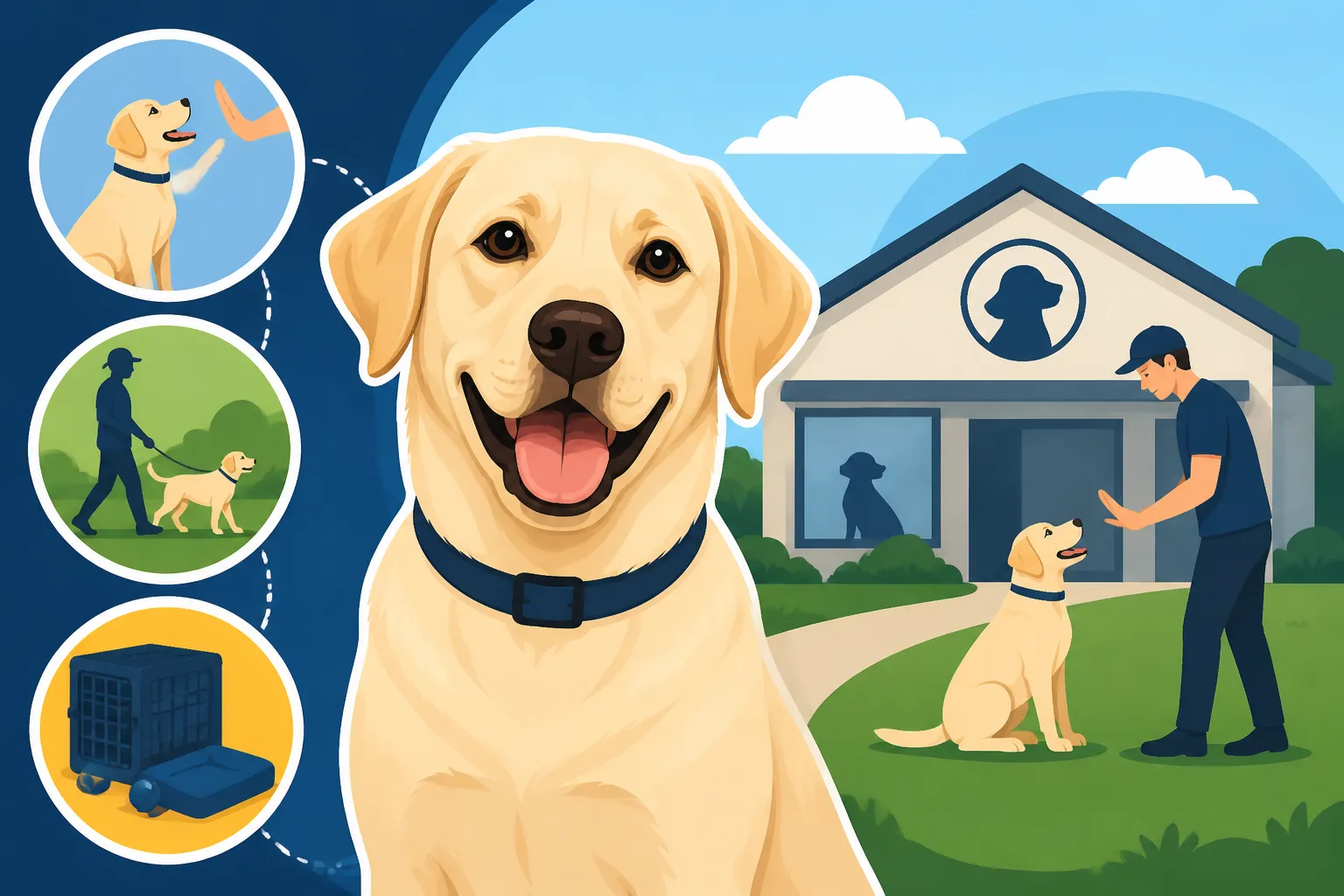
At its core, a board and train program, often affectionately called "boot camp" for dogs, is an intensive training experience where your Labrador lives with a professional trainer, or at a dedicated training facility, for an extended period. This isn't just doggy daycare; it's a structured environment designed to accelerate learning by providing consistent, round-the-clock instruction. The concept is rooted in the belief that an immersive setting, free from the distractions and ingrained habits of the home environment, can help a dog learn new behaviors and unlearn old ones more quickly and thoroughly. Think of it like sending a child to a specialized summer camp where they focus intensely on a particular skill – in this case, good manners and obedience.
For Labradors, whose eager-to-please nature is often coupled with significant energy and sometimes a strong will, this immersion can be particularly effective. A Labrador’s intelligence means they can learn quickly, but their enthusiasm can also mean they test boundaries constantly. Being in a new environment with clear rules and consistent reinforcement from an experienced professional helps to establish a strong foundation of desired behaviors.
How a Typical Program Works
While specific programs vary, most board and train experiences follow a general pattern. Typically, your Labrador will stay at the facility for anywhere from two to six weeks, though some specialized programs might be longer. During this time, they engage in multiple training sessions throughout the day, focusing on core obedience commands like "sit," "stay," "come," and "down," as well as addressing specific behavioral issues you've identified, such as jumping, excessive barking, or even Leash Manners for a Powerful Labrador.
The daily routine is highly structured, incorporating training, exercise, playtime, and quiet time, all under the watchful eye of the trainer. The trainer uses positive reinforcement, often combined with clear corrections, to shape your Labrador’s behavior. They become the dog's primary caregiver, establishing trust and respect. A huge benefit is that your Labrador learns to generalize commands and behaviors in various settings, with different people, and around new distractions, rather than just performing them for you in your living room.
Crucially, a good board and train program doesn't just send your dog home with new skills. It includes comprehensive "transfer sessions" where the trainer teaches you how to maintain and reinforce the training. This usually involves one-on-one sessions, sometimes even follow-up visits, to ensure you understand the commands, the cues, and the strategies used. Without this owner education, the intensive training could quickly unravel once your Lab is back in their familiar environment with familiar habits. This post-program support is absolutely vital for long-term success.
The Pros and Cons of Board and Train for Your Labrador
Deciding whether a board and train program is right for your Labrador is a significant decision. It involves not just financial investment, but also a temporary separation from your furry family member. Weighing the potential benefits against the drawbacks is essential to ensure you're making an informed choice for both you and your dog.
Benefits: Why Owners Consider This Option
Many Labrador owners turn to board and train programs out of a genuine desire to give their dog the best possible foundation or to overcome stubborn behavioral challenges. The advantages can be quite compelling:
- Intensive, Consistent Training: This is arguably the biggest draw. Your Labrador receives focused, daily, multiple-session training from a professional. This consistency, often difficult for busy owners to replicate at home, helps dogs learn much faster and solidify behaviors more effectively. They're not just getting an hour of training a week; they're living it.
- Professional Expertise: Experienced trainers have a deep understanding of canine learning theory, breed-specific behaviors (like the Labrador's natural retrieving drive), and problem-solving techniques. They can quickly identify the root cause of issues and implement effective strategies that might take an owner months to figure out. For instance, addressing Labrador Puppy Mouthing and How to Redirect It might be second nature to a seasoned trainer.
- Reduced Owner Frustration: Let's be honest, training a strong-willed or high-energy Labrador can be incredibly frustrating. Dealing with persistent issues like house-soiling, jumping on guests, or poor recall can strain the human-dog relationship. Sending your Lab to a professional removes you from the immediate stress of daily training battles, allowing the pros to lay the groundwork. You get a reset, and your dog returns with new skills.
- Addressing Specific Behavioral Issues: Board and train programs are often highly effective for tackling entrenched problems that are difficult to manage at home. This could range from severe leash reactivity to resource guarding, or even aspects of Separation Anxiety in Labrador Retrievers. The controlled environment allows trainers to create scenarios to work through these issues safely and systematically.
- Foundation for Future Training: Even if you plan to continue advanced training yourself, a board and train program can provide an excellent foundation. Your Labrador will return with a solid understanding of basic obedience and good manners, making subsequent training with you much easier and more enjoyable. It's like sending your child to kindergarten so they're ready for first grade.
Drawbacks: Potential Concerns and Limitations
While the benefits are clear, it's equally important to consider the potential downsides of board and train programs:
- Cost: Board and train programs are a significant financial investment. Compared to Private Training Rates for a Labrador by the hour or group classes like What a Labrador Puppy Class Costs, the comprehensive nature of board and train means higher fees, often ranging from several thousand dollars to upwards of $6,000 or more, depending on the length and intensity of the program. This can be a barrier for many families, even when using platforms like Chewy for regular supplies or considering brands like Ollie for premium food. Remember to budget for emergency funds as well, perhaps looking into pet insurance providers like Healthy Paws.
- Separation from Your Dog: For many owners, the temporary absence of their Labrador is the hardest part. You'll miss your dog, and they'll miss you. While most good facilities offer updates, photos, or even video calls, it's not the same as having your furry friend home.
- Potential for Stress: While trainers work hard to make the experience positive, any change in environment can be stressful for a dog. Some Labradors, especially those prone to anxiety or who are highly sensitive, might initially struggle with the new surroundings, people, and routines. A reputable trainer will prioritize your dog's well-being and provide updates on their adjustment.
- Maintaining Consistency Post-Program: This is a crucial point often overlooked. The success of a board and train program hinges heavily on the owner's commitment to maintaining the training once the dog returns home. If you don't consistently apply the techniques and commands taught by the trainer, your Labrador may regress, and the investment could be diminished. The program provides the tools, but you have to use them.
- Variability in Trainer Quality and Methods: The dog training industry is largely unregulated, meaning the quality of trainers and their methods can vary wildly. Some may use harsh, outdated techniques, while others employ purely positive, force-free methods. It's vital to research thoroughly and ensure the trainer's philosophy aligns with your values and your Labrador's personality. This leads to the next critical section: choosing the right program.
| Aspect | Board and Train Program | Traditional At-Home Training |
|---|---|---|
| Learning Environment | Immersive, structured, new distractions, trainer-led | Familiar home environment, owner-led, existing distractions |
| Consistency | High, multiple sessions daily, 24/7 reinforcement | Varies by owner's schedule and commitment |
| Speed of Results | Often faster due to immersion and professional expertise | Gradual, dependent on owner's learning and application |
| Cost | High (e.g., $2,000 – $6,000+) | Lower (e.g., $100-$300 for classes, $75-$200/hr private) |
| Owner Involvement | Minimal during program, critical post-program transfer | High, owner is primary trainer |
| Behavior Issues | Effective for moderate to severe issues, reactivity | Best for mild issues, requires owner skill for complex problems |
| Stress for Dog | Potential for initial stress due to new environment | Generally low, as dog stays in familiar surroundings |
What to Look for in a Quality Board and Train Program
Choosing a board and train program for your Labrador isn't something to rush into. It requires careful research and due diligence to ensure you're entrusting your dog to a competent, ethical, and effective professional. The unregulated nature of the industry means you must be your own advocate.
Key Questions to Ask Potential Trainers
When you're interviewing trainers, be prepared with a list of specific questions. This isn't just about their availability or price; it's about their philosophy, experience, and what their program truly offers:
- What are your training philosophies and methods? Do they use positive reinforcement, force-free methods, balanced training, or something else? Ask for specific examples of how they teach a command or correct an unwanted behavior. For a Labrador, who is often highly food-motivated and eager to please, positive reinforcement tends to work wonderfully.
- What is your experience and qualifications? How long have they been training? Do they have certifications from reputable organizations (e.g., Karen Pryor Academy, CCPDT, IAABC)? While experience is important, formal education in canine behavior and learning theory is a huge plus. Ask for references from past clients, especially those with Labs.
- What is the daily schedule like for my Labrador? How many training sessions per day? How long are they? What about exercise, playtime, and downtime? A good program will balance intense learning with adequate rest and physical activity, vital for a high-energy breed like a Labrador. Ask specifically about how they handle exercise, given a Labrador’s typical Daily Walk Length for a Labrador.
- How do you handle various behavioral issues? If your Labrador has specific challenges (e.g., reactivity, chewing, jumping), ask for their approach. A good trainer will have a clear, step-by-step plan for addressing these.
- What safety and supervision protocols are in place? How many staff members are on duty? Are dogs supervised 24/7? What are their emergency veterinary procedures? Where will your dog sleep? You need peace of mind that your dog is safe and well-cared for.
- What is included in the "transfer sessions" and follow-up support? How many sessions are there? Are they in-person or virtual? How long do you have access to their support after the program? As mentioned, this is critical for long-term success. A comprehensive program should offer robust support, as discussed in detail in guides like Whether Board and Train Suits a Labrador.
- Can I visit your facility? A transparent trainer will welcome visits, showing you where the dogs sleep, train, and play. If they refuse a visit or are evasive, consider it a major red flag.
- What is the total cost, and what does it cover? Get a clear, itemized breakdown of all costs. Are food, treats, training tools, and follow-up sessions included, or are there additional fees?
Red Flags to Watch Out For
Just as there are indicators of a great program, there are also warning signs that should make you reconsider:
- Promises of "Guaranteed" Results: No ethical trainer can guarantee 100% results, especially with living beings. Behavior is complex, and while a good trainer can achieve significant improvements, a "guarantee" is often a marketing tactic that can lead to disappointment or the use of harsh methods to achieve quick, but potentially fragile, results.
- Lack of Transparency: If a trainer is vague about their methods, won't let you visit the facility, or avoids answering direct questions, walk away. You should feel completely comfortable with where your dog is staying and who is caring for them.
- Over-reliance on Aversive Tools: While some balanced trainers may use tools like e-collars (electronic collars) or prong collars, be wary if these are their primary or only methods. A good trainer uses a wide range of tools and techniques, prioritizing positive reinforcement and minimizing stress. If they dismiss positive reinforcement entirely or advocate for constant punishment, their approach may not be ideal for a sensitive, people-oriented Labrador.
- High Dog-to-Trainer Ratio: While some group supervision is fine, if one trainer is responsible for too many dogs in active training, the quality of individual attention your Labrador receives will suffer.
- Negative Client Reviews or No References: Always check online reviews (Google, Yelp, Facebook, etc.). While a few negative reviews might not be disqualifying, a consistent pattern of complaints about a dog's well-being, aggressive methods, or lack of results should be a serious concern. Ask for and follow up on references.
- Disregard for Your Concerns: A good trainer will listen to your goals and concerns, and tailor the program to your Labrador's individual needs. If they seem dismissive or have a "my way or the highway" attitude, they might not be the right fit.
Understanding the Costs Involved
As touched upon earlier, board and train programs are a significant investment. The price can vary widely based on several factors:
- Location: Programs in urban or high cost-of-living areas tend to be more expensive.
- Length of Program: A two-week program will naturally cost less than a six-week program. Longer programs usually allow for more ingrained behavior changes and the addressing of more complex issues.
- Trainer Experience and Reputation: Highly sought-after trainers with extensive experience and strong reputations often charge more.
- Program Inclusions: Some programs are all-inclusive (food, treats, equipment, multiple follow-up sessions), while others have add-on costs. Always clarify what's covered.
- Type of Training: Specialized training, such as advanced off-leash obedience or service dog preparation, will command higher fees than basic manners.
On average, you can expect to pay anywhere from $2,000 to $6,000+ for a two-to-four-week program. It's crucial to consider this as an investment in your dog's future and your peace of mind, much like you might invest in quality nutrition from brands like Ollie or preventative care with pet insurance from Healthy Paws. While it's a lot of money, a well-chosen program can transform your relationship with your Labrador and save you from years of frustration and potentially higher costs down the line from behavioral issues. Creating a Setting Up an Emergency Fund for a Labrador might give you the security to consider such options.
Is Board and Train the Right Fit for Your Labrador?
Ultimately, the decision to enroll your Labrador in a board and train program is a personal one, depending on your dog's specific needs, your lifestyle, and your financial situation. It's not a magical cure-all, but it can be a powerful tool when used appropriately.
When a Labrador Might Benefit Most
There are certain scenarios where a board and train program can be particularly advantageous for a Labrador:
- Owners with Limited Time or Experience: If you're a busy professional, a new dog owner, or simply feel overwhelmed by the prospect of consistent training, board and train offers an effective solution by delegating the initial intensive work to a professional. This allows you to learn the maintenance aspect without the pressure of teaching from scratch.
- Addressing Stubborn or Complex Behavioral Issues: For Labradors with deeply ingrained behaviors like incessant jumping, chronic counter-surfing, aggressive leash reactivity, or even separation anxiety (after a vet consult to rule out medical causes), an intensive, focused program can often break through where at-home efforts have failed. Understanding Telling Labrador Boredom From Real Anxiety is key here.
- Young, High-Energy Labradors: Labrador puppies and adolescents are bundles of energy and curiosity. A structured board and train program can harness this energy and channel it into productive learning, laying a strong foundation during crucial developmental periods, especially since a Labrador's Labrador Energy Level by Age can be intense for the first few years.
- Foundation for Specific Work: If you aspire to have your Labrador participate in advanced sports, hunt tests, or even become a therapy or service dog, a board and train program can provide an accelerated start to their foundational obedience and manners, preparing them for more specialized training.
- Before a Major Life Change: Bringing a new baby home, moving to a new house, or having elderly relatives move in can disrupt your dog's routine. Sending your Labrador to a board and train program beforehand can ensure they return with impeccable manners, making the transition smoother for everyone.
Alternative Training Approaches to Consider
Board and train is not the only path to a well-behaved Labrador, nor is it always the best fit. There are many other excellent training options that might suit your needs and budget better:
- Group Obedience Classes: These are a fantastic, cost-effective way to teach basic commands and socialize your Labrador. Classes provide structure, an experienced instructor, and the opportunity for your dog to learn around other dogs and people. Look for reputable local trainers.
- Private In-Home Training: A private trainer comes to your home, working with you and your Labrador in your environment. This is ideal for addressing specific home-based issues like counter-surfing or resource guarding, and it ensures you are an active participant in every session. This option allows for personalized attention without the separation of a board and train.
- Self-Study with Online Resources and Books: For motivated owners, there's a wealth of information available. Books, online courses, and YouTube channels from certified trainers can guide you through the process. This requires significant dedication and consistency, but it's the most budget-friendly option. Just be sure to vet your sources for science-backed, positive reinforcement methods.
- Day Training: Some facilities offer "day training," where your Labrador goes to the trainer's facility for training sessions during the day but returns home with you each evening. This offers some of the benefits of intensive training without the overnight separation.
- Combination Approaches: You might start with a group puppy class, then move to private sessions for specific problems, and supplement with daily practice at home. Often, the best approach is a flexible one that adapts as your Labrador grows and new challenges arise.
Ultimately, the most effective training approach is one that is consistent, uses fair and humane methods, and strengthens the bond between you and your Labrador. Whether that's an immersive board and train experience or a more hands-on approach at home, the goal is always a happy, well-adjusted canine companion.
Disclaimer
This article is for general informational purposes only and does not constitute professional advice. Laws, prices and regulations vary by location and change over time. Consult a qualified professional for guidance on your specific situation.