Labrador Puppy Costs in the First Month
Bringing a new Labrador puppy home is an exhilarating experience, full of wagging tails, playful nips, and endless cuddles. However, that initial rush of joy can sometimes overshadow the very real financial realities of puppy ownership, especially during that whirlwind first month. It’s easy to focus on the adorable fluffball and forget the sheer volume of expenses that pop up right away. This guide is here to give you a clear, honest breakdown of what you can expect to pay during your Labrador puppy's first month, helping you budget wisely and ensure your new family member gets the best start possible.
The Initial Outlay: Bringing Your Labrador Puppy Home
The very first set of costs you'll encounter are often the largest and most immediate. These are the expenses associated with acquiring your puppy and setting up their basic living environment. Think of it as the 'startup' phase for your new furry companion.
Purchase Price or Adoption Fees
The journey to Labrador ownership typically begins with either purchasing a puppy from a breeder or adopting one from a rescue organization. The cost here can vary wildly, reflecting the source and background of your new pup.
When you're looking for a well-bred Labrador puppy from a reputable breeder, expect to pay anywhere from $1,000 to $2,500, and sometimes even more depending on the breeder's reputation, the puppy's pedigree, and your geographical location. These prices often reflect the significant investment the breeder has made in health clearances for the parents (like hip, elbow, and eye certifications), quality nutrition, early socialization, and initial veterinary care for the litter. It's crucial not to be swayed by unusually low prices, as these can often be red flags for backyard breeders or puppy mills, whose dogs may come with hidden health or behavioral issues that cost far more in the long run. To understand the various factors at play, you might find our detailed guide on Labrador Puppy Prices and What Moves Them to be incredibly insightful.
On the other hand, adopting a Labrador from a rescue group or shelter typically involves an adoption fee that can range from $200 to $600. These fees are usually much lower than breeder prices because they are designed to help cover the rescue's costs for spaying or neutering, initial vaccinations, microchipping, and sometimes even a vet check-up. Many rescues have already started the essential veterinary care, which can save you a good chunk of money in the first month. Plus, you’re giving a deserving dog a second chance, which is incredibly rewarding. For more on this, check out our resource on Labrador Rescue Adoption Fees. Regardless of where your puppy comes from, make sure they are at least eight weeks old before coming home, as this time with their littermates and mother is vital for their development.
First Vet Visit and Vaccinations
Even if your puppy has had a vet check with their breeder or rescue, a visit to your chosen veterinarian within the first few days of bringing them home is non-negotiable. This initial check-up allows your vet to establish a baseline for your puppy's health, confirm they are free from any obvious issues, and discuss their upcoming vaccination schedule. This first visit typically costs between $50 and $150, not including any specific treatments or medications.
Labrador puppies, like all puppies, require a series of vaccinations to protect them from serious and potentially fatal diseases such as distemper, parvovirus, adenovirus, and rabies. These are usually given in a series over several weeks, with the first booster often falling within the puppy's first month in your home. Each set of booster shots can cost between $30 and $70. Additionally, your vet will likely recommend deworming, as many puppies carry intestinal parasites, and a fecal test to confirm. Don't forget the importance of these critical early health interventions; our article on The First Vet Visit for a Labrador Puppy provides more details on what to expect, and our guide to the Labrador Puppy Vaccination Schedule outlines the typical timeline. It's a significant but absolutely necessary expense to safeguard your puppy's long-term health.
Another crucial, often overlooked, initial cost is microchipping. While some puppies from rescues or breeders may already be microchipped, if yours isn't, your vet will strongly recommend it. Microchipping provides a permanent form of identification, vastly increasing the chances of being reunited with your Labrador if they ever get lost. The cost for microchipping generally ranges from $25 to $60 and is a small price to pay for such peace of mind. Some vets may include it in a puppy package, so always ask about bundled services.
Essential Gear: Crate, Bed, and Bowls
Setting up your puppy’s new home environment requires some foundational purchases. These items are not just conveniences; they are vital for your Labrador’s safety, comfort, and training.
A dog crate is perhaps one of the most important investments you'll make in the first month. It serves multiple purposes: aiding in house training, providing a safe den for your puppy, and giving them a secure space when you can't directly supervise them. Because Labradors grow quite large, you'll need a spacious, well-constructed crate, often one that comes with a divider to adjust as your puppy grows. Expect to spend anywhere from $70 to $150 for a suitable size. For guidance on choosing the right one, take a look at our article, What Size Crate a Labrador Needs.
A comfortable bed is equally essential for your puppy's rest and relaxation. While they might chew on it initially, a soft, supportive bed in their crate or a designated quiet spot can help them feel secure. Look for durable, washable options. Given how quickly Labs grow, you might start with a medium size and upgrade later, or invest in a large, sturdy one right away. Prices can range from $30 for a basic pad to over $100 for a more orthopedic or chew-resistant bed. Our piece on Orthopedic Bed Prices for a Labrador offers insights into comfort and durability. Don’t forget basic food and water bowls; stainless steel or ceramic are often recommended for hygiene and durability, costing around $15-$30 for a set. A slow-feeder bowl is also highly recommended for Labs, as they tend to be enthusiastic eaters, and this can help prevent bloat, adding another $10-$25.
Beyond the big items, you'll need a collar, leash, and identification tags. A sturdy, adjustable collar and a 6-foot nylon or leather leash are standard. Puppies grow quickly, so you might need a new collar within a few weeks. These items typically run $20-$40 for a decent set. Don't forget an ID tag with your contact information, which costs about $5-$15 and is vital for your puppy's safety if they wander off, even with a microchip.
Daily Living Expenses: Food, Training, and More
Once your Labrador puppy is settled in, the ongoing costs for their daily care and development begin. These are the expenses that will recur throughout their life, but the first month introduces a specific set of needs.
Nutrition Needs: Puppy Food and Treats
Labrador puppies are growing rapidly, and proper nutrition is paramount for their healthy development, especially concerning their joints. Choosing a high-quality large breed puppy food is crucial, as these formulas are specifically designed with appropriate calcium and phosphorus levels to support controlled growth and prevent skeletal issues. Avoid generic, cheap brands.
A large bag (around 25-30 lbs) of premium large-breed puppy kibble can cost anywhere from $50 to $80. During their first month, an 8-12 week old Labrador puppy will typically eat 2-4 cups of food per day, depending on the specific food and their individual metabolism. This means a bag might last 3-4 weeks. To get a better idea of what to expect, check out our guide on How Much a Labrador Puppy Eats at Eight Weeks. Brands like Royal Canin, Purina Pro Plan, and Hill's Science Diet are often recommended by veterinarians for their quality and specific formulations. You can often find a good selection of these on sites like Chewy, which can also provide the convenience of auto-shipment for ongoing needs.
Treats are also an essential part of a puppy's first month, primarily used for training and positive reinforcement. High-value, soft, pea-sized treats are best for puppy classes and at-home training sessions. You'll go through quite a few! A couple of bags of quality training treats can add another $15-$30 to your monthly budget. Some owners even opt for fresh food diets or add fresh food toppers, which can significantly increase food costs. For example, a subscription to a service like Ollie for a growing Labrador puppy could run you upwards of $100-$200 per month, offering nutrient-dense, human-grade meals tailored to your pup's needs, but at a premium price point.
Early Training and Socialization Costs
The first month is a critical window for your Labrador puppy's development and socialization. Investing in early training not only helps with manners but also builds a strong bond between you and your pup.
Puppy classes are highly recommended for first-time owners and experienced ones alike. They provide a structured environment for your puppy to learn basic commands, practice polite interactions with other puppies, and get exposed to new people and situations. A typical puppy class series (4-6 weeks) can cost between $120 and $250, with the first month often covering the initial sessions. This is an investment in a well-behaved adult dog. Our article on What a Labrador Puppy Class Costs elaborates on the benefits and expenses. Even if you're planning on doing most of the training yourself, a basic puppy class provides invaluable socialization.
Even if you choose not to enroll in a formal class immediately, you’ll need some basic training supplies. A clicker (often under $5) and a treat pouch (around $10-$20) can make at-home training sessions much more efficient. Beyond formal training, proactive socialization is key. This means safely exposing your puppy to a variety of sights, sounds, people, and experiences. While many of these experiences are free, some might involve small costs, like gas for car rides to new places or special high-value treats to make positive associations. The goal is to build a confident, well-adjusted Labrador, and this early investment in experiences pays dividends.
Toys and Chews to Survive the Puppy Stage
Labrador puppies are notorious chewers. Their teething phase begins early, and they have an innate drive to carry and mouth objects. Providing appropriate chew toys and interactive playthings is not just for entertainment; it's essential for their dental health, mental stimulation, and to save your furniture from destruction.
Expect to spend around $30-$60 on a starter collection of durable toys and chews in the first month. This should include a variety: sturdy rubber toys (like a Kong, which can be stuffed with treats to keep them occupied), rope toys for supervised tugging, and durable plush toys. Labs can be incredibly destructive, so investing in good quality, puppy-safe toys is important. Our guide on Chew Toys That Survive a Labrador offers some excellent suggestions. Even with the best intentions, you might find yourself replacing a few items that succumb to sharp puppy teeth.
Puzzle toys are also excellent for Labs, tapping into their intelligence and food drive. These toys dispense kibble or treats as your puppy manipulates them, providing mental exercise and slowing down mealtime. A few of these can add another $20-$40 to your initial toy budget. While puppies are adorable, their relentless energy and chewing can be challenging, so having a good rotation of appropriate toys is your best defense against unwanted chewing on household items. Remember, a bored Labrador is often a destructive Labrador, so these items are preventative care for your home!
Unexpected Costs and Future Planning
Even with careful budgeting, unforeseen expenses can pop up, and it’s always wise to have a plan for them. Plus, the first month is a great time to start thinking about the financial journey ahead.
Preparing for the Unforeseen: Emergency Fund or Insurance
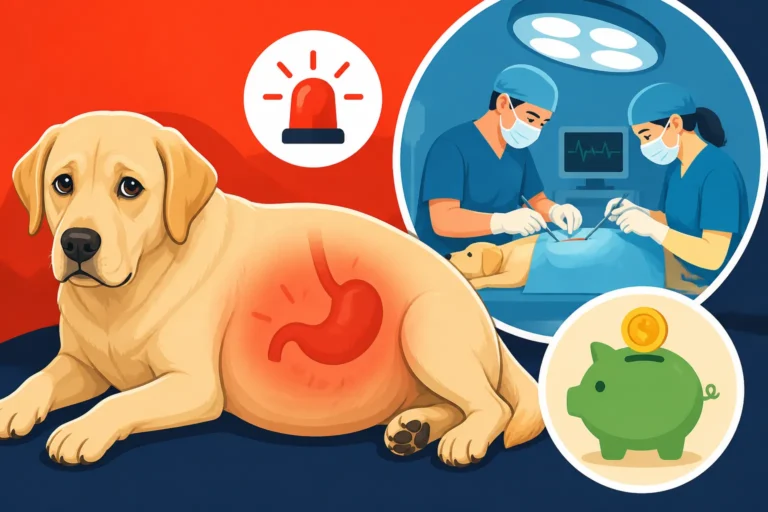
Puppies, with their boundless curiosity and sometimes clumsy nature, are surprisingly prone to accidents or sudden illnesses. They might eat something they shouldn't, take an unexpected tumble, or develop a sudden upset stomach. An emergency vet visit can quickly rack up hundreds, or even thousands, of dollars.
To mitigate this risk, you have two main options: building an emergency fund specifically for your Labrador or investing in pet insurance. An emergency fund means setting aside a dedicated amount of money in a savings account. For a Labrador puppy, aiming for at least $1,000 to $2,000 as a buffer is a prudent move for that first year alone. This way, if a late-night trip to the emergency vet is needed, you’re financially prepared without added stress.
Alternatively, pet insurance can provide a safety net. While you'll pay a monthly premium (for a Labrador puppy, this might range from $30 to $60, depending on your location and the coverage level), it can cover a significant portion of unexpected vet bills after your deductible is met. It’s important to research policies carefully, understanding what they cover (accidents, illnesses, wellness) and any waiting periods. Many owners find peace of mind with providers like Healthy Paws, which is known for its comprehensive accident and illness plans, though you'll want to check their specific terms for your region. Our detailed article, Pet Insurance for a Labrador Retriever, provides an in-depth look at what to consider when choosing a policy. Starting early means pre-existing conditions won't become an issue down the line.
Grooming and Basic Health Supplies
While Labradors have a relatively low-maintenance coat compared to some breeds, they still require regular grooming and basic health care from day one. Investing in the right tools early makes the process easier for both of you.
Your initial grooming kit should include a good quality slicker brush or deshedding tool (like a Furminator, which can range from $25-$50), a rubber curry brush (around $10-$15), puppy shampoo (gentle formula, $10-$20), nail clippers (or a Dremel, $15-$40), and ear cleaner (veterinarian-approved, $15-$25). Although professional grooming isn't typically necessary for a short-coated Labrador, getting them used to brushing and nail trims from a young age is crucial. For tips on managing their coat, our resource on Grooming Costs for a Short-Coated Labrador offers additional advice, even if you plan to do most of it yourself.
Beyond grooming tools, you'll need ongoing preventative medications. Flea and tick prevention, along with heartworm medication, are non-negotiable for most regions. These are typically prescribed by your vet and can cost $15-$30 per month, per prevention type. These costs start in the first month and continue monthly throughout your Labrador's life. Don't forget poop bags (a box for $10-$20 will last a while) and cleaning supplies for inevitable puppy accidents (enzyme cleaner can be a lifesaver, $15-$25 a bottle). These seemingly small purchases quickly add up but are essential for a healthy and clean home environment.
Long-Term Budgeting Beyond the First Month
While this guide focuses on the immediate costs of the first month, it's vital to remember that owning a Labrador is a long-term financial commitment. The initial expenses are just the beginning, and many costs will continue, and even increase, as your puppy grows.
The first year, in particular, tends to be the most expensive due to ongoing vaccinations, growth spurts requiring more food, and potential "puppy-proofing" repairs to your home. You'll move from puppy food to adult food, which may have a different price point, and your dog's appetite will definitely increase. Continued training, whether in formal classes or with private trainers, might be part of your plan. Our comprehensive guide, First Year Costs New Labrador Owners Forget, delves deeper into these ongoing expenses.
As your Labrador matures, regular vet check-ups, ongoing preventative medications, potential health issues (Labs are prone to conditions like hip and elbow dysplasia, which can be costly), and senior care will all factor into your budget. Thinking about the full Labrador Lifespan and What Changes It helps put the first month's costs into perspective. Consider setting up a separate savings account for your dog's future needs, or explore pet insurance options with future care in mind. Utilizing online retailers like Chewy for bulk food purchases or auto-shipments can also help manage recurring costs and save you trips to the store, ensuring you always have what you need on hand.
Here’s a simplified breakdown of estimated first-month costs:
| Category | Low Estimate ($) | High Estimate ($) |
|---|---|---|
| Initial Outlay | ||
| Purchase/Adoption Fee | 200 | 2,500 |
| First Vet Check & Vaccines | 80 | 220 |
| Microchipping | 25 | 60 |
| Crate (with divider) | 70 | 150 |
| Puppy Bed | 30 | 100 |
| Bowls (Food, Water, Slow Feeder) | 25 | 55 |
| Collar, Leash, ID Tags | 20 | 40 |
| Daily Living Expenses | ||
| Puppy Food | 50 | 80 |
| Training Treats | 15 | 30 |
| Puppy Class | 0 | 250 |
| Training Aids (Clicker, Pouch) | 5 | 25 |
| Chew Toys & Puzzle Toys | 30 | 60 |
| Ongoing Health & Supplies | ||
| Grooming Tools | 20 | 65 |
| Puppy Shampoo, Ear Cleaner | 25 | 45 |
| Flea/Tick & Heartworm Meds | 30 | 60 |
| Poop Bags & Cleaning Supplies | 25 | 45 |
| Emergency Fund (Recommended) | 0 | 500 |
| Pet Insurance (Optional) | 30 | 60 |
| TOTAL ESTIMATE | 680 | 4,455 |
Note: This table provides a broad estimate. Costs can vary significantly based on location, specific product choices, and individual puppy needs.
Disclaimer
The information provided in this article is for general informational purposes only and does not constitute professional veterinary or financial advice. Always consult with a qualified veterinarian for any health concerns regarding your Labrador and a financial advisor for personalized budgeting. Costs are estimates and can vary significantly based on location, individual needs, and market fluctuations.