Chew Toys That Survive a Labrador
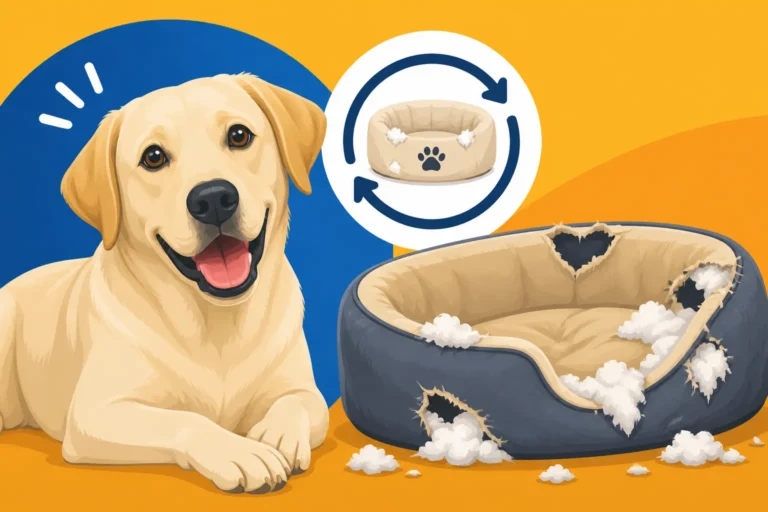
Every Labrador owner understands the constant battle: you invest in what looks like a robust, indestructible chew toy, only to find it in tatters mere hours later, often scattered across the living room like sad, plastic confetti. This cycle of destruction can be incredibly frustrating, not to mention expensive, and sometimes even poses a safety risk to your beloved, chew-happy companion. This guide is dedicated to helping you navigate the overwhelming world of dog toys, specifically focusing on those tough enough to truly survive the determined jaws of a Labrador Retriever, saving your money and your peace of mind.
The Labrador's Chewing Instinct Explained
It's not just mischief; your Labrador's intense chewing is deeply rooted in their nature and essential for their well-being. Understanding why they chew so much is the first step toward providing appropriate outlets and preventing them from turning your furniture into a personal chew toy.
Why Labradors Love to Chew So Much
Labradors, by their very design, are oral dogs. They were bred for generations to retrieve waterfowl and game, often carrying delicate birds back to their handlers without damaging them. This "soft mouth" trait is famous, but it doesn't mean they don't love to chew. Quite the opposite, their mouths are a primary way they explore the world, relieve stress, and expend energy.
For puppies, chewing is a critical part of their development, especially during the teething phase. Much like human babies, Labrador puppies experience discomfort as their adult teeth emerge, and chewing provides much-needed relief. As they grow into adolescence, the chewing habit often persists, sometimes even intensifying as they navigate their growing independence and boundless energy. If you've ever dealt with a puppy who insists on mouthing your hands, you know how crucial it is to redirect this instinct appropriately. We’ve all been there, wondering, "Why does my Labrador Puppy Mouthing and How to Redirect It need to chew everything?"
Beyond physiological needs, chewing is also a powerful stress reliever and boredom buster for Labradors of all ages. A bored Labrador is a destructive Labrador, and a high-energy breed like ours can quickly resort to inappropriate chewing if not given adequate mental and physical stimulation. This is especially true during their boisterous adolescent phase, where you might notice a distinct increase in their chewing intensity as discussed in Labrador Chewing Through Adolescence.
The Damage a Strong Labrador Jaw Can Do
Don't let that "soft mouth" fool you; a Labrador's jaws are incredibly powerful, designed to carry and hold with strength and precision. This means that many conventional dog toys, designed for less robust chewers, simply don't stand a chance. Owners often report flimsy toys being dismantled in minutes, squeakers extracted with surgical precision, and stuffing scattered like a winter wonderland.
Their strong bite force, combined with powerful molars, makes short work of anything that isn't specifically designed for heavy-duty use. The material, density, and construction of a chew toy are paramount when selecting one for a Labrador. A toy that might last weeks for a smaller breed could be annihilated by a Labrador in a single afternoon. This isn't a flaw in your dog; it's just a testament to their strength and natural inclination to chew. The true frustration comes when those destroyed toys become ingestion hazards, leading to potential vet visits. It’s no secret that Why Labradors Steal and Swallow Things can lead to trouble, making durable toys a necessity for safety.
What Makes a Chew Toy "Labrador-Proof"?
Finding a chew toy that can truly withstand a Labrador's chewing prowess feels like searching for a unicorn sometimes. But with a strategic approach to materials and design, you can significantly increase your chances of finding a winner.
Material Matters: Durability and Safety
The core of any durable chew toy lies in its material. Not all plastics or rubbers are created equal, and understanding the differences can save you money and prevent potential hazards.
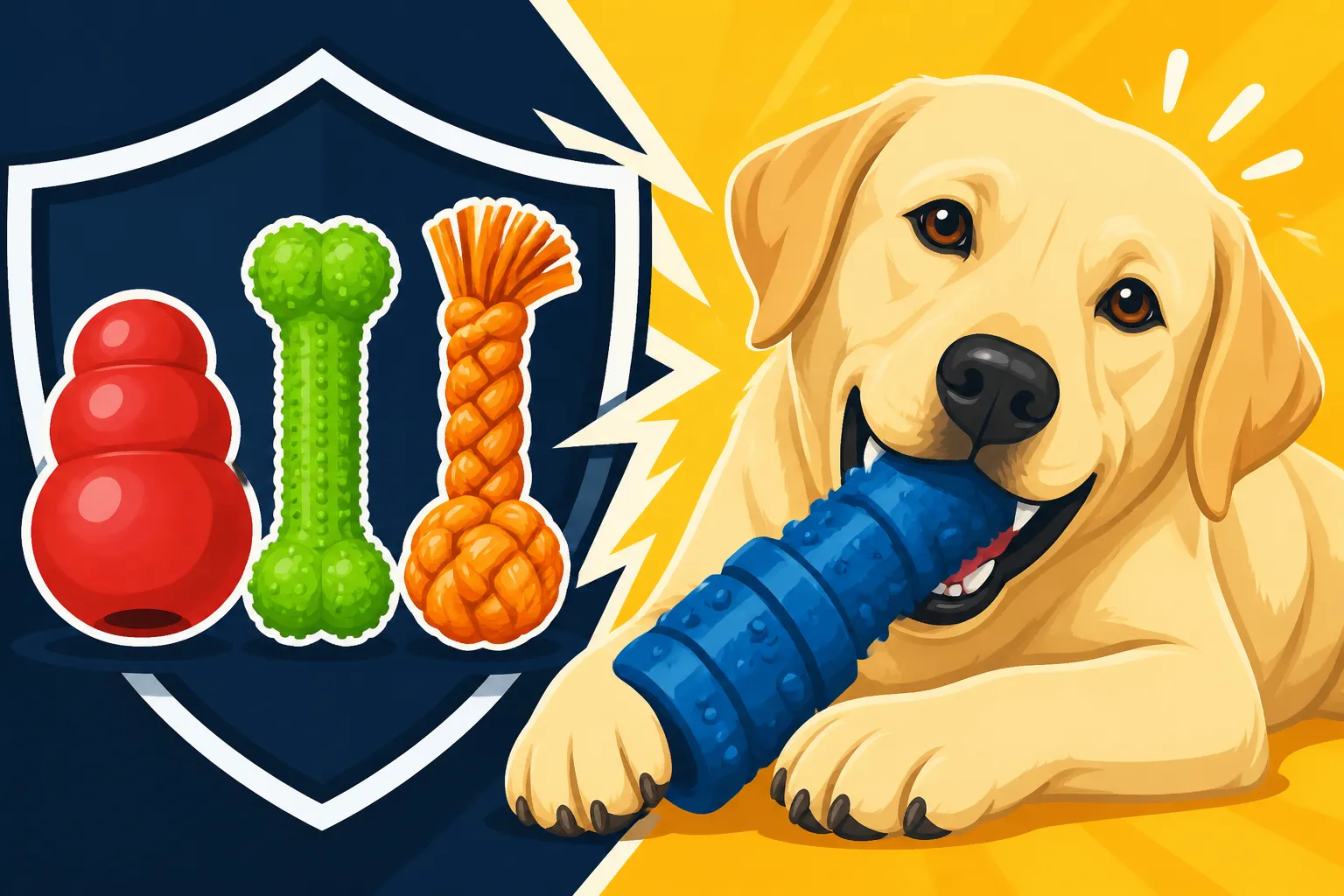
Natural Rubber: This is often the gold standard for power chewers. Toys made from dense, high-quality natural rubber, like those from popular brands such as Kong, offer excellent durability. They have a satisfying give, which many Labs love, but are tough enough to resist punctures and shredding for extended periods. When choosing rubber, look for phrases like "extreme," "heavy duty," or "power chewer" in the product description. The density is key; a softer rubber will still be torn apart. These toys are often non-toxic, which is crucial since your Labrador will be spending a lot of time with them in their mouth.
Nylon: Hard nylon chew toys are another popular choice. Brands like Nylabone offer a variety of shapes and textures designed to clean teeth as the dog chews. These are incredibly hard and can last for months, even with daily chewing. However, it's essential to monitor your dog with nylon chews. They can be too hard for some dogs, potentially leading to tooth fractures if your Labrador is an aggressive chewer who tries to break pieces off. Look for textured surfaces rather than smooth ones, as they provide better grip and engagement. For a wide selection of these tougher toys, many owners find great success browsing online retailers like Chewy, where reviews from other power-chewer parents are incredibly helpful.
Benebone: A type of nylon chew, Benebones are infused with real flavors like peanut butter, chicken, or bacon, making them highly appealing to Labs. They are ergonomically designed for dogs to get a good grip and are also extremely durable. Like other nylon chews, the same caution about tooth fractures applies. Always choose a size appropriate for your Labrador to prevent them from trying to swallow it whole or get it wedged uncomfortably in their mouth.
Design and Form: More Than Just Toughness
Beyond the material, the design of a chew toy plays a huge role in its longevity and how engaging it is for your Labrador. A perfectly cylindrical, smooth toy, even if made of durable material, might be less interesting or easier to destroy than one with an irregular shape or special features.
Irregular Shapes and Textures: Toys with bumps, grooves, and odd shapes provide varied chewing sensations and can make it harder for a Labrador to get a consistent, destructive grip. These textures can also help clean teeth and massage gums, contributing to better Labrador Dental Disease and Tartar prevention. Think about toys with nubs, ridges, or bone-like shapes that offer different angles for them to work on. This keeps them mentally stimulated, which is a big win for high-energy breeds.
Hollow or Treat-Dispensing Designs: Toys that can be stuffed with treats, peanut butter, or frozen yogurt are game-changers. The challenge of extracting the treat keeps your Labrador occupied for much longer than a plain chew. This turns chewing into a mental exercise, which is fantastic for a breed that thrives on engaging their brains. A classic example is the Kong, which can be filled and frozen to extend the chewing time even further. This strategy helps provide valuable Mental Work for a Bored Labrador and can significantly reduce destructive chewing.
Size and Weight: This might seem obvious, but many owners inadvertently buy toys that are too small. A toy that's too small is a choking hazard and far easier for a Labrador to swallow whole. Always opt for toys labeled "large" or "extra-large," or specifically designed for breeds weighing 50+ pounds. The toy should be impossible for your Labrador to fit entirely into their mouth. A heavier toy also provides more resistance and a more satisfying chew experience for a powerful dog. Remember, Labradors grow quite large, so choosing the correct size is crucial for safety and effectiveness, as indicated by standards like What the AKC Standard Says About Labrador Size.
Top Chew Toy Categories That Stand Up to Labradors
Let's dive into some specific categories and brands that have proven their mettle against the mighty Labrador chew. These are the workhorses of the dog toy world, designed for serious chewers.
Extreme-Duty Rubber Toys
When it comes to rubber, "extreme" is the keyword you're looking for. These aren't your average bouncy balls; they are dense, heavy-duty creations engineered to endure repeated assaults.
Kong Extreme: The black rubber Kongs are legendary for a reason. Made from ultra-strong, natural rubber, they are designed specifically for the most powerful chewers. Their unique shape makes them bounce unpredictably, adding an element of play, but their real value lies in their stuffability. Fill them with appropriate treats, kibble, or even frozen wet food, and your Labrador will spend considerable time working to get the goodies out. This extends the chewing activity from minutes to potentially hours, providing both physical and mental enrichment. They come in various sizes, so ensure you pick one that's large enough for your Lab.
GoughNuts: These toys are easily recognizable by their vibrant green, orange, or black colors, often with a red indicator core. GoughNuts are built with safety in mind. If your Labrador manages to chew through to the red inner layer, it's a clear signal to discard the toy immediately and replace it. They are made in the USA from proprietary rubber compounds and are virtually solid, with no weak points for a determined chewer to exploit. GoughNuts come in ring, stick, and ball shapes, providing variety. Many Labrador owners swear by them for their unparalleled durability.
| Toy Type | Material | Durability Rating (1-5, 5=highest) | Safety Concern | Primary Benefit | Typical Cost Range |
|---|---|---|---|---|---|
| Kong Extreme | Natural Rubber | 5 | Size appropriateness (choking risk if too small) | Treat-dispensing, mental stimulation, bouncing | $15 – $30 |
| GoughNuts | Proprietary Rubber | 5 | N/A (red indicator for safety) | Extreme durability, clear safety indicator | $20 – $45 |
| Nylabone DuraChew | Nylon | 4 | Potential tooth fracture if overused | Long-lasting, dental hygiene (some) | $10 – $25 |
| Benebone | Nylon (flavored) | 4 | Potential tooth fracture if overused | Highly palatable, ergonomic design | $12 – $30 |
| Yak Chews | Yak/Cow Milk | 3-4 (varies) | Choking hazard when small, calorie intake | Edible, long-lasting, natural | $10 – $25 |
Durable Nylon and Benebones
Nylon chews offer a different kind of durability – a hard, unyielding surface that slowly wears down rather than tears apart. They are a staple for many heavy chewers.
Nylabone DuraChew: Nylabone's DuraChew line is specifically engineered for strong chewers. These bones come in various shapes, sizes, and flavors, providing a long-lasting chewing experience. Many of them also feature textured surfaces designed to help scrape away plaque and tartar as your Labrador chews, contributing to better oral hygiene. While very durable, it's crucial to select the correct size and inspect them regularly. If large pieces start breaking off or the toy becomes small enough to swallow, it's time for a replacement.
Benebone: These unique, flavored nylon chews have gained immense popularity among power chewers. Shaped like wishbones, dental chews, or even stick-like designs, Benebones are designed for dogs to easily hold them between their paws, allowing for a comfortable and sustained chewing session. The real meat flavors (like bacon, peanut butter, or chicken) are infused throughout the nylon, making them highly attractive to food-motivated Labradors. Just like other nylon chews, monitor for any signs of tooth damage, especially if your Labrador is an extremely aggressive chewer. These chews wear down slowly, creating small, rice-sized pieces that are generally safe to ingest, but excessive consumption should be avoided.
Natural and Edible Chews (with caution)
While not truly "indestructible" in the same way rubber or nylon toys are, certain long-lasting edible chews can provide hours of satisfying chewing and are fully digestible. However, they come with a distinct need for supervision.
Yak Chews (Himalayan Dog Chews): Made from hardened yak and cow milk, these chews are incredibly dense and long-lasting. They are all-natural, lactose-free, and generally easy on a Labrador's digestive system. As your dog chews, the yak chew softens slightly, making it more palatable. The key concern with yak chews is when they become small. Once a piece is small enough to be a choking hazard, it should be removed. Many owners microwave the small leftover piece into a cheesy puff, making it safer to consume.
Bully Sticks: These are a favorite for their palatability and decent chew time. Made from beef pizzle, they are fully digestible and offer a satisfying texture. However, Labs can often go through bully sticks faster than yak chews. Like yak chews, the primary safety concern is the small end piece that can become a choking hazard. Always supervise your Labrador, and consider using a bully stick holder, which is a device that securely grips the stick, preventing your dog from swallowing the last bit. While not a permanent solution, they can be excellent for short-term, supervised chewing sessions. When purchasing, look for thick, long bully sticks for maximum longevity.
These natural chews can be a fantastic way to satisfy your Lab's innate desire to chew and can be a good choice for rotating with other durable toys to keep things interesting.
Interactive Puzzle Chews
Sometimes, the best way to make a toy "survive" is to make it a challenge, diverting your Labrador's intense chewing focus into problem-solving. These toys combine durability with mental stimulation, a winning combination for smart, energetic Labs.
Kong Wobbler: While not a traditional chew toy, the Kong Wobbler is a durable, treat-dispensing puzzle toy made of hard plastic. You fill it with kibble or small treats, and your Labrador has to bat it around to make the food fall out. This engages their brain and provides physical activity, reducing the likelihood of boredom-driven destructive chewing. While it's tough, it's not designed for direct, intense chewing, so it's best used under supervision, especially with Labs who might try to chew through it to get to the food faster.
Planet Dog Orbee-Tuff: These award-winning toys are made from a proprietary Orbee-Tuff material that is extremely durable, buoyant, bouncy, and infused with mint oil for a fresh scent. They come in various shapes, including balls with treat-dispensing holes. While primarily designed for fetch and active play, their incredible toughness means they can also stand up to a good amount of chewing, making them a versatile choice. Many of these toys are designed to have irregular shapes or textures, adding to the challenge and engagement.
Providing a variety of toys, including those that challenge their minds, can significantly contribute to your Labrador's overall happiness and reduce unwanted chewing behaviors. Remember that Telling Labrador Boredom From Real Anxiety is crucial here; if chewing is a sign of anxiety, puzzle toys alone might not be enough, and professional advice might be needed. For senior Labradors, whose energy levels may decline as discussed in How a Labrador's Energy Changes at Three, these types of stimulating toys can still offer a gentle form of engagement without over-exertion.
Safely Introducing and Supervising New Chew Toys
Even with the toughest toys on the market, proactive steps are necessary to ensure your Labrador's safety and maximize the lifespan of your investment. Think of it as part of the overall Annual Cost of Keeping a Labrador Retriever – preventative measures save money and worry in the long run.
Monitoring for Wear and Tear
No toy, no matter how "indestructible" it claims to be, will last forever against a determined Labrador. Regular inspection is paramount for your dog's safety and the longevity of your chew toy collection.
Make it a habit to check all of your Labrador's toys daily, or at least every few days, for signs of significant wear. Look for cracks, sharp edges, or pieces that are beginning to break off. For rubber toys, excessive chewing can create weak spots or tear off small chunks. For nylon chews, sharp points can develop as they wear down, which could irritate your dog's mouth or gums. If you notice any of these issues, it's time to replace the toy. Continuing to offer a compromised toy increases the risk of your Labrador ingesting a dangerous piece, which could lead to an emergency vet visit. Sometimes, the first year alone can incur significant costs, and replacing toys is one of the First Year Costs New Labrador Owners Forget.
Think about toys like GoughNuts with their red safety indicator. This built-in feature is a fantastic reminder, but for toys without such a clear sign, your vigilance is key. If a toy is significantly smaller than its original size, or if you can see a core material that wasn't previously visible, it's time to retire it. Don't try to extend the life of a toy beyond its safe limits; the potential medical costs far outweigh the price of a new chew.
The Importance of Supervision
Even with the most durable toys, direct supervision is a non-negotiable part of responsible Labrador ownership. There's always a chance, however small, that a determined chewer could damage a toy in an unexpected way, or that a small piece could break off.
Supervision means being present and actively observing your Labrador while they are chewing. This allows you to intervene immediately if they are trying to swallow a piece, if a toy splinters, or if they are chewing in a way that seems unsafe (e.g., trying to bite off large chunks of a hard nylon toy). For edible chews like bully sticks or yak chews, supervision is even more critical, especially as they get shorter. Many emergency vet visits stem from dogs ingesting the last, too-small piece of an edible chew, leading to blockages or choking.
Providing a designated, safe chewing area can also help. This could be their crate, a specific mat, or a corner of the room where you can easily keep an eye on them. If you can't actively supervise, it's often best to put away high-value or potentially risky chews. Opt for a softer, safer toy during unsupervised periods. Remember, your Labrador's safety is always the priority, and a few minutes of attentive observation can prevent a lifetime of regret. This is especially important if you know your dog is prone to seeking out and chewing on forbidden items, which is often a symptom of What a Bored Labrador Chews First out of frustration.
Disclaimer
This guide offers general advice on chew toys for Labradors. Every dog is an individual, and what works for one may not work for another. Always consult with your veterinarian for personalized advice regarding your Labrador's health, safety, and specific chewing needs.