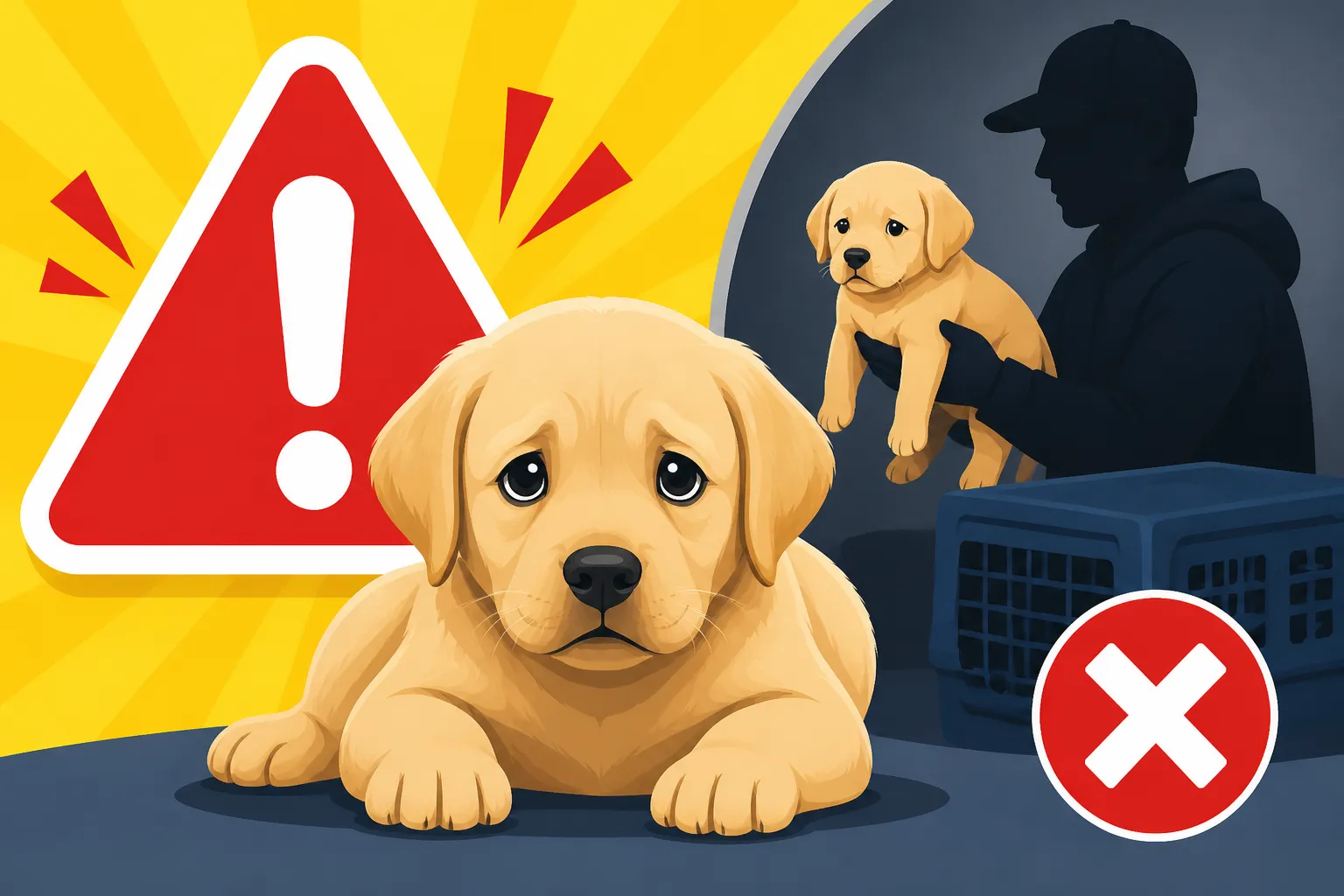
Warning Signs in a Cheap Labrador Puppy
It’s an undeniable truth: everyone dreams of bringing home a bouncy, sweet Labrador puppy. You picture those big paws, that wagging tail, and all the joy they'll bring to your family. But sometimes, when you’re scrolling through online ads, a price pops up that just seems too good to be true. That sudden, unbelievably low price tag on a Labrador puppy can be incredibly tempting, especially when budgets are tight. However, that "bargain" often hides a multitude of serious problems. This guide is here to help you identify the critical warning signs in a cheap Labrador puppy, protecting both your heart and your wallet from potential heartache down the line.
The Lure of a Low Price: What 'Cheap' Really Means for a Labrador Puppy
We all love a good deal, don't we? It's human nature to seek out value, and when it comes to something as exciting as a new family member, the thought of saving a significant chunk of money can be incredibly appealing. Unfortunately, in the world of purebred puppies, especially beloved breeds like Labradors, a deeply discounted price is almost never a genuine bargain. Instead, it's often a flashing red light, signaling underlying issues that will cost you far more in the long run than any initial savings. Understanding what constitutes a typical, responsible price for a Labrador puppy is the first step in recognizing these critical warning signs.
Understanding Typical Labrador Puppy Prices
When a reputable breeder invests time, effort, and considerable financial resources into their breeding program, those costs naturally reflect in the puppy's price. A well-bred Labrador puppy from health-tested parents, raised in a clean, stimulating environment, and with initial veterinary care, comes with a significant overhead. Reputable breeders typically charge anywhere from $1,000 to $2,500, and sometimes even more, depending on their location, the lineage of the parents (show lines vs. field lines), and what's included (first vaccinations, microchipping, puppy pack). This figure isn't arbitrary; it covers everything from the comprehensive health clearances of both parent dogs, which can be thousands of dollars, to quality nutrition for the pregnant mother and her pups, veterinary check-ups for the litter, and early socialization efforts. If you're curious about the specifics, you might find our article on Labrador Puppy Prices and What Moves Them very insightful.
The health screenings alone for parent dogs are extensive. They include hip and elbow evaluations (like OFA or PennHIP), eye clearances by a veterinary ophthalmologist, and genetic testing for conditions common in Labradors, such as progressive retinal atrophy (PRA), exercise-induced collapse (EIC), and centronuclear myopathy (CNM). These tests are expensive but crucial for ensuring the puppies have the best chance at a healthy life. A breeder who skips these steps can offer a lower price, but they are essentially passing on the risk of expensive, heartbreaking health problems to you.
The Immediate Risks of an Unusually Low Price
So, what happens when you see a Labrador puppy advertised for a few hundred dollars—say, $500 or even less? The immediate risk is that these puppies are almost certainly coming from a source that has cut corners, often drastically, in their breeding practices and puppy care. This could mean they are from a "backyard breeder" who breeds their pets without any knowledge of genetics or health, or even worse, from a puppy mill. Puppy mills are notorious for keeping breeding dogs in inhumane conditions, breeding them repeatedly, and giving minimal, if any, veterinary care. Their goal is profit, not the health or welfare of the animals.
The most common issues you'll face with a cheaply acquired puppy include immediate and severe health problems. These can manifest as parasites (worms, giardia, coccidia), debilitating infectious diseases like canine parvovirus or distemper, or even congenital defects that weren't screened for. These illnesses often require extensive veterinary intervention, which can quickly turn that initial "bargain" into thousands of dollars in emergency vet bills. Not to mention the emotional toll of caring for a very sick puppy, sometimes with a tragic outcome. Thinking about Labrador Puppy Health in the First Year can give you a clear picture of what a healthy puppy's initial needs are, and how dramatically they differ from what a cheap puppy often receives.
Questionable Breeder Practices: Red Flags in Communication and Transparency
When you're looking for a Labrador puppy, the breeder is your first and most important resource. A responsible breeder will be transparent, communicative, and genuinely invested in the welfare of their dogs and the puppies they produce. Conversely, a breeder offering cheap puppies often exhibits behaviors and practices that are designed to hide their inadequate care or unethical methods. These are not just minor inconveniences; they are significant warning signs that should make you walk away, no matter how cute the puppy looks in the photo.
Avoiding Puppy Mills and Backyard Breeders
The term "puppy mill" conjures up images of deplorable conditions, and for good reason. These operations prioritize quantity over quality, often keeping dozens or even hundreds of dogs in cramped, unsanitary cages. They breed indiscriminately, without regard for genetic health or temperament, and the puppies often receive little human interaction or proper medical care. Backyard breeders, while perhaps not on the same scale, also lack the knowledge, resources, and dedication of a responsible breeder. They might have a single pet they decide to breed "just to make some money" or "because puppies are cute," without understanding genetics, health clearances, or proper puppy raising.
A major red flag for both puppy mills and backyard breeders is their reluctance to allow you to visit their premises. They might insist on meeting in a public place, like a park or a highway rest stop, or delivering the puppy to your home. This prevents you from seeing the conditions in which the puppies and their parents are kept. A responsible breeder will welcome you into their home or kennel, showing you where the puppies are raised, allowing you to interact with the mother (and often the father if he lives on-site), and ensuring you see a clean, safe, and stimulating environment. If you're blocked from visiting, consider it a deal-breaker.
Lack of Health Clearances and Genetic Testing
This is arguably one of the biggest differentiators between a reputable breeder and one selling cheap puppies. As mentioned, Labradors are prone to certain genetic health conditions, most notably Labrador Hip and Elbow Dysplasia, various eye conditions, and certain neurological disorders. A responsible breeder will perform comprehensive health screenings on both parent dogs before breeding them to minimize the risk of passing these issues onto the puppies. They will openly share documentation of these clearances, often from organizations like the Orthopedic Foundation for Animals (OFA) or the Canine Eye Registration Foundation (CERF). You should be able to verify these results online.
A breeder selling cheap puppies will almost never have these clearances. When asked, they might offer vague excuses like "the vet said they're healthy" or "they're purebred, so they're fine." This lack of testing is a huge cost-saving measure for them, but it shifts the financial and emotional burden onto you. Imagine the heartbreak and expense of your beautiful Labrador puppy developing severe hip dysplasia at a young age, requiring costly surgeries and lifelong medication, all because the parents weren't screened. It’s a gamble that’s simply not worth taking. Knowing what Health Clearances a Labrador Breeder Must Show is crucial for your due diligence. For more comprehensive insights, our article on Genetic Panels Worth Running on a Labrador explains the importance of these tests in detail.
Pressure Sales Tactics and Restricted Visits
Be wary of any breeder who employs high-pressure sales tactics. This includes trying to rush your decision, telling you the puppy will be gone if you don't commit immediately, or demanding payment before you've even had a chance to thoroughly evaluate the puppy, its environment, and the breeder themselves. A good breeder wants to ensure their puppies go to suitable, loving homes, and they will encourage you to take your time, ask questions, and even come back for a second visit if you need to. They'll also be asking you plenty of questions to make sure you're a good fit for one of their puppies, which is a sign of a responsible program.
Another red flag is being restricted on which puppies you can see or interact with. If a breeder only shows you one or two puppies, or won't let you see the entire litter together, they might be hiding something. Perhaps other puppies in the litter are sick, have visible defects, or are exhibiting behavioral problems. Likewise, if they seem reluctant for you to interact much with the mother dog, it could be because she is unwell, poorly socialized, or living in poor conditions they don't want you to witness. A transparent breeder has nothing to hide and will allow you to observe the litter dynamics and interact with the available pups, within reasonable boundaries to protect their health.
The Puppy's Condition and Environment: What to Observe Firsthand
Once you get past the initial communication and pricing, the actual physical state of the puppy and its living conditions are paramount. This is where your instincts, combined with a little knowledge, can tell you a great deal. A cheap Labrador puppy often comes from an environment where basic needs are neglected, and this neglect is visible if you know what to look for. Don't let the cuteness blind you; take a critical look around and observe the puppies carefully.
Unsanitary or Neglectful Living Conditions
When you visit a breeder, the first thing you should notice is the cleanliness of the environment. Puppies, especially young ones, can make a mess, but a responsible breeder will ensure their living area is regularly cleaned and sanitized. This prevents the spread of disease and fosters healthy development. Look for clean bedding, fresh water, and appropriate feeding dishes. There should be no overwhelming smell of urine or feces, nor should you see puddles or droppings throughout the area.
In contrast, a cheap puppy often comes from unsanitary conditions. You might encounter strong odors, visible accumulations of waste, dirty bedding, and contaminated food and water bowls. Such an environment is a breeding ground for bacteria, viruses, and parasites. Puppies raised in these conditions are at a significantly higher risk of contracting serious illnesses like parvovirus or giardia, which are not only expensive to treat but can also be fatal. These conditions also indicate a severe lack of proper care and attention, which will impact the puppies' overall well-being and development.
Signs of Poor Health or Neglect in the Puppies
Beyond the environment, pay very close attention to the puppies themselves. They should be bright-eyed, alert, and curious. A healthy Labrador puppy will have a clean, shiny coat, clear eyes and nose (no discharge), clean ears, and plump bellies (but not distended from worms). They should be playful and eager to interact with their littermates and with you. Observe their gait; they should move easily and confidently.
With cheap puppies, you might see a range of alarming signs. Look out for:
- Dull coats or skin issues: Patchy fur, rashes, or excessive scratching could indicate fleas, mites, or other skin infections.
- Discharge from eyes or nose: This can be a sign of respiratory infections, canine distemper, or other illnesses.
- Swollen or distended bellies: While puppies often have slightly round bellies, an overly hard or bloated abdomen can be a classic sign of a heavy worm burden.
- Lethargy or lack of interest: Puppies should be active. If they seem unusually quiet, sleepy, or unwilling to engage, it's a major red flag for illness.
- Diarrhea or signs of dehydration: Loose stools in the living area, or a puppy with sunken eyes and a dry nose, are serious indicators of gastrointestinal issues.
- Limping or difficulty walking: This could point to injuries, genetic joint problems, or even neurological issues.
- Unusual odors: A sickly-sweet smell or a strong, foul odor can indicate infections or poor hygiene.
Even if you pick the seemingly healthiest puppy from a sickly litter, you’re still taking a huge risk. Exposure to pathogens means even apparently healthy puppies can break with illness once they go home due to the stress of moving and a new environment.
Absence of the Mother Dog (Dam)
A responsible breeder will always have the mother dog (the dam) on-site and will be happy for you to meet her. Observing the dam provides invaluable insight into the potential temperament and health of her puppies. Is she friendly and well-socialized? Does she seem healthy and well-cared for? Her demeanor can give you clues about how her puppies might develop. The mother's bond and teaching are critical for a puppy's early development and socialization.
If the breeder offers excuses for the mother's absence ("she's at the vet," "she's shy," "she's out for a walk"), be extremely suspicious. This is a common tactic used by puppy mills or unethical breeders who don't want you to see the conditions the mother lives in, or to know that she's a sickly, overbred dog. Sometimes, they might even show you a different, healthier-looking female dog and claim she's the mother. Always insist on seeing the actual mother with her puppies. Without her presence, you have no way to assess the genetic temperament or immediate health history influencing the litter.
Missing or Incomplete Documentation: Your Paper Trail for a Healthy Pup
Beyond the observable signs, the paperwork a breeder provides (or fails to provide) is a crucial indicator of their legitimacy and the puppy's true background. A cheap Labrador puppy often comes with little to no documentation, which might seem like a minor detail at first glance, but it actually exposes you to significant risks, both health-wise and legally. This paper trail is your guarantee, or lack thereof, for the puppy's future.
No Health Records or Vaccination Proof
Every puppy, especially one transitioning to a new home, needs clear and comprehensive health records. This includes a detailed vaccination history, deworming schedule, and records of any veterinary check-ups the litter has received. A responsible breeder will provide a veterinary health certificate, outlining the puppy's initial health check, confirmation of vaccinations (distemper, parvo, adenovirus, parainfluenza) and deworming treatments, and ideally, a microchip registration. This ensures you know exactly what medical care the puppy has received and what it still needs.
If a breeder of a cheap Labrador puppy cannot provide these records, it’s a massive red flag. They might claim the puppy is "too young for shots," or "they just dewormed them yesterday." This often means the puppy has received no veterinary care at all, or that the records are falsified. You would then be taking home a puppy whose health status is entirely unknown, putting it at risk of preventable diseases and leaving you to cover all initial veterinary costs, which can include multiple rounds of vaccinations and deworming. For example, our article on Labrador Puppy Vaccination Schedule clearly outlines the recommended timeline, so you can compare what the breeder claims versus what is medically advisable. When considering long-term care, understanding Routine Vet Spending on a Labrador will give you a financial perspective on preventing future health issues.
Absence of a Purchase Contract or Health Guarantee
A detailed purchase contract is standard practice for reputable breeders. This legally binding document outlines the terms of sale, responsibilities of both the buyer and the seller, and often includes a health guarantee. A good health guarantee typically covers inherited conditions for a certain period (e.g., 1-2 years) and outlines what steps to take if the puppy develops a serious, covered health issue. It demonstrates the breeder's confidence in their breeding program and their commitment to the welfare of their puppies.
A breeder selling a cheap Labrador puppy will rarely offer a comprehensive contract or any health guarantee. If they do, it might be vague or filled with loopholes. The absence of a robust contract means you have little to no recourse if the puppy becomes gravely ill shortly after you bring it home. You'll be left with all the financial responsibility for a sick puppy, potentially for conditions that were inherited or developed due to poor early care. This is where investing in pet insurance, like from Healthy Paws, becomes even more critical, though even insurance often has waiting periods and may not cover pre-existing conditions if the illness manifests too quickly.
Unregistered or Questionable Pedigree Claims
For a purebred Labrador, registration with a recognized kennel club (like the American Kennel Club, AKC, in the US, or The Kennel Club in the UK) is a testament to its lineage and adherence to breed standards. A reputable breeder will provide the necessary paperwork for you to register your puppy. This doesn't necessarily mean the puppy needs to be shown or bred, but it confirms its purebred status and provides access to its ancestry.
Breeders of cheap puppies often make vague claims about "purebred" status without providing any registration papers. They might say the papers are "extra" and cost more, or that they "lost them." Sometimes, they might offer generic "registration" with a lesser-known, often dubious, registry that holds little to no value. Without official registration, you have no verifiable proof of the puppy's lineage. This can lead to questions about its true breed, its genetic background, and whether it truly comes from the healthy, well-tempered lines a Labrador is known for. It also means you cannot participate in AKC events or verify the claims made about the parents.
The True Cost: Why a Cheap Puppy Often Becomes the Most Expensive
It's a harsh reality that the initial "savings" on a cheap Labrador puppy almost invariably evaporate, replaced by significantly higher costs down the road. This isn't just about money; it's about the emotional toll, the time commitment, and the potential heartbreak that comes with a puppy from an unethical source. What seems like a bargain often turns into a deep and recurring drain on resources, both financial and emotional.
Unexpected Vet Bills and Behavioral Issues
The most common and immediate financial burden of a cheap puppy is the inevitable vet bills. Puppies from questionable sources are far more likely to arrive with parasites (worms, fleas, mites), internal infections (Giardia, Coccidia), or serious viral diseases like Parvovirus or Distemper. Treating these conditions can range from a few hundred dollars for routine deworming and flea treatment to thousands for hospitalization, intravenous fluids, and specialized care if the puppy contracts something like Parvo. These emergency situations can strike quickly, turning your joy into panic and massive unexpected expenses. Our article on Labrador Emergency Vet Bills outlines just how quickly costs can escalate.
Beyond physical health, these puppies often suffer from a lack of early socialization and proper rearing, leading to significant behavioral challenges. They might develop fear, aggression, separation anxiety, or house-training issues due to their poor start in life. These behavioral problems require intensive training, potentially involving professional dog trainers or even veterinary behaviorists, which adds another layer of significant cost and time investment. Imagine the frustration and expense of trying to manage a fearful Labrador who barks incessantly or destroys your home when left alone. While services like Chewy can provide all the gear you'd need for proper Crate Training a Labrador Puppy, it takes dedicated effort and a healthy, well-adjusted pup to begin with. Similarly, good quality food from brands like Ollie can support a healthy start, but it can't fix underlying health or behavioral issues stemming from poor breeding.
The Emotional Toll of a Sick or Untrained Dog
The financial implications are one thing, but the emotional cost of a cheap puppy can be even more devastating. Bringing home a new puppy is supposed to be a joyous occasion, filled with anticipation and happiness. Discovering that your new family member is gravely ill, or constantly battling health issues, can be incredibly stressful, heartbreaking, and guilt-inducing. You bond with this little creature, and watching it suffer, or dealing with the constant worry, takes a significant emotional toll on everyone in the household. In the worst-case scenarios, despite your best efforts and extensive veterinary care, some of these puppies don't survive, leaving you with profound grief and regret.
Furthermore, a dog with significant behavioral problems, especially those stemming from a poor start, can strain family dynamics and limit your ability to enjoy your pet. An unsocialized Labrador might not be suitable for visits to the dog park, walks in crowded areas, or even comfortable being around children or other pets. This can lead to feelings of isolation and frustration, undermining the very reason you wanted a Labrador in the first place—for their famously friendly and adaptable temperament. While training can help, it requires immense patience, consistency, and often professional guidance, as explored in articles like Choosing a Trainer for a Labrador. The promise of a loving companion can quickly turn into a source of constant stress, highlighting why initial savings are rarely worth the long-term pain.
Table: Reputable Breeder vs. Red Flag Indicators
Here's a quick comparison to help you assess potential breeders:
| Feature | Reputable Breeder | Red Flag / Cheap Puppy Breeder |
|---|---|---|
| Puppy Price | $1,000 – $2,500+ (reflects investment) | Under $800 (often significantly less) |
| Health Clearances | Provides OFA/PennHIP, eye, genetic test results for parents | Claims parents are "healthy" without proof; no tests |
| Vet Records | Detailed vaccination, deworming, health check records | Vague claims; no records; "too young" for care |
| Breeder Access | Welcomes on-site visits to see parents & litter | Insists on meeting off-site; restricts visits; no mother dog |
| Environment | Clean, stimulating, safe; puppies raised indoors | Unsanitary, crowded, neglected conditions; outdoor kennels |
| Mother Dog (Dam) | On-site, visible, healthy, good temperament | Absent, hidden, or excuses for not showing |
| Purchase Contract | Comprehensive with health guarantee (1-2 yrs) | No contract, vague terms, or no health guarantee |
| Registration Papers | Provides AKC/recognized club registration | No papers, generic registry, or "extra cost" for papers |
| Breeder Communication | Asks questions about you, offers support, transparent | Pressure sales, rushed process, avoids questions |
| Puppy Condition | Alert, playful, clear eyes/nose, healthy coat | Lethargic, discharge, parasites, skin issues, limping |
Disclaimer
This article is intended for informational purposes only and does not constitute veterinary advice. Always consult with a qualified veterinarian for any health concerns or before making any decisions about your pet's care. The information provided should not be used as a substitute for professional veterinary advice, diagnosis, or treatment.