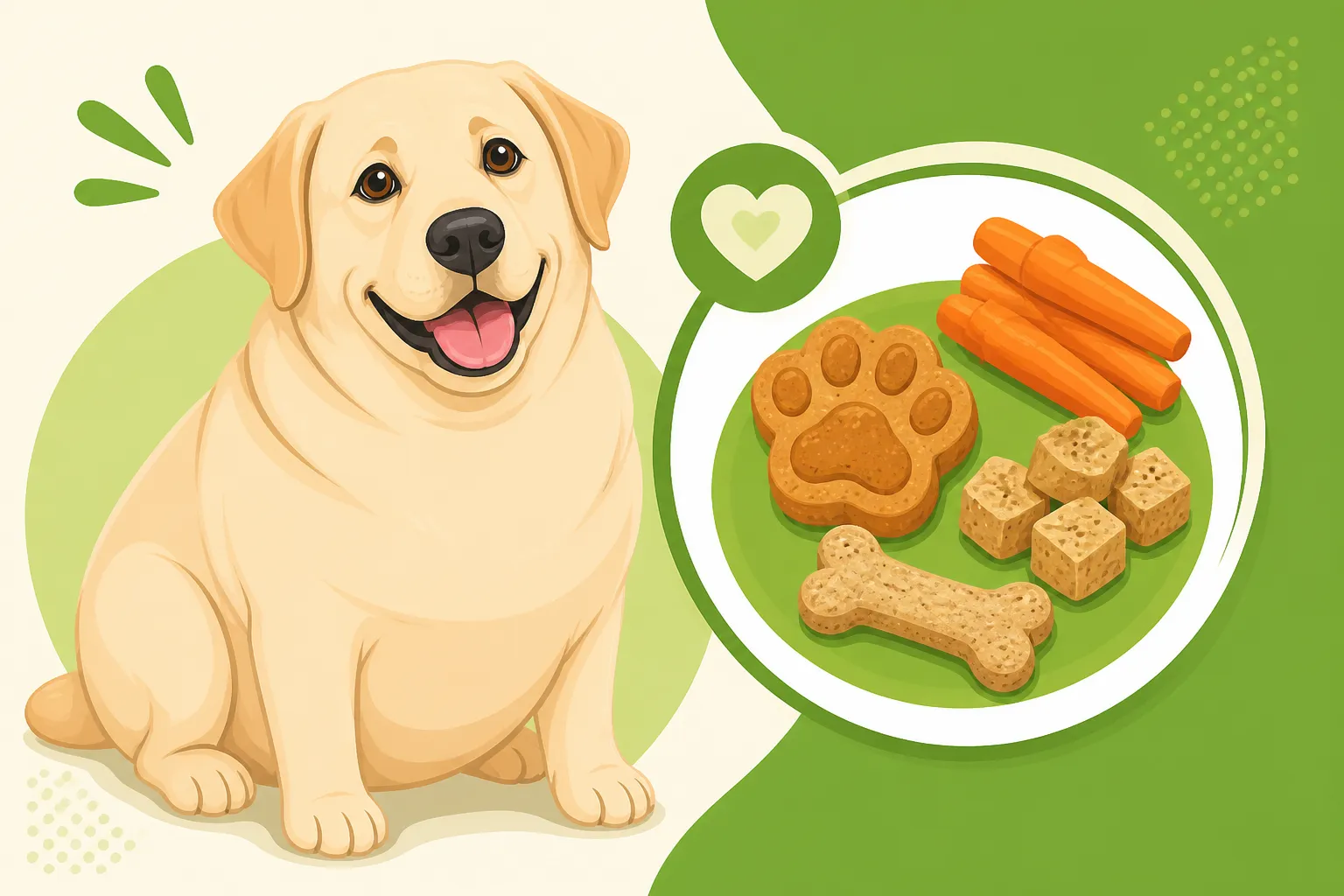
Low Calorie Treats for an Overweight Labrador
It's so easy to accidentally overfeed our beloved Labradors, especially when it comes to those irresistible treats. We want to show them love, but those extra calories can quickly derail even the most diligent weight management plan, leaving us feeling guilty and them, well, still hungry! This comprehensive guide is here to help you navigate the world of low-calorie treats, ensuring you can spoil your Lab without piling on the pounds, keeping them happy, healthy, and lean.
The Hidden Trap of Treats: Why Low-Calorie Matters for Your Labrador
As Labrador owners, we know our dogs are usually thrilled about anything edible. This incredible food drive is part of their charm, but it's also a double-edged sword when it comes to their waistline. Those innocent little morsels we offer throughout the day, whether for good behavior, comfort, or just because they look so darn cute, can quickly add up, turning a lean Lab into one carrying a few too many pounds.
Understanding the Labrador's Predisposition to Weight Gain
Labradors, bless their hearts, are notorious for their love of food. It's not just a personality quirk; there's a strong genetic component at play. Many Labs carry a specific gene variant that impacts their satiety, meaning they simply don't feel full in the same way other breeds might. This makes them perpetually interested in food, and incredibly good at convincing us to share. This genetic predisposition means they are often working against their own biology when it comes to resisting treats and maintaining a healthy weight. Understanding this is key to being empathetic and proactive about their diet. It's not always their fault they want more; it's often how they're wired. For more on this, you might find Why Labradors Gain Weight So Easily to be an enlightening read.
The Health Costs of Extra Pounds
While a little extra fluff might seem endearing, the reality is that obesity significantly impacts a Labrador's health and quality of life. Those few extra pounds put undue stress on their joints, especially their hips and elbows, which are already prone to conditions like Labrador Hip and Elbow Dysplasia. It can exacerbate existing arthritis or bring it on years earlier than it might otherwise. Overweight Labs are also at a higher risk for a whole host of other serious health issues, including diabetes, heart disease, certain types of cancer, and even conditions like Labrador Bloat Risk and Deep Chests. The sad truth is that a heavier Labrador often means a shorter, less comfortable life. The difference in lifespan between a lean Labrador and an overweight one can be substantial, making every effort to maintain a healthy weight truly worth it. Labrador Obesity and the Years It Costs delves into this in more detail.
How "Just a Few Treats" Add Up
It's astonishing how quickly calories from treats can accumulate. We carefully measure their kibble, then casually toss them a biscuit here, a piece of cheese there, a bite of our dinner… and suddenly, they've consumed hundreds of extra calories without us even realizing it. Many commercial dog treats are surprisingly calorie-dense, packed with sugars, fats, and fillers that offer little nutritional value but a big caloric punch. Even seemingly small treats can be the equivalent of a human eating a candy bar. If your Labrador is already on a carefully portioned diet to manage their weight, adding regular, high-calorie treats is like taking one step forward and two steps back. It sabotages your efforts and makes it incredibly difficult for your dog to shed pounds or maintain a healthy body condition score.
Your Arsenal of Healthy Options: Exploring Low-Calorie Treats
The good news is that you absolutely can still spoil your Labrador with treats, even if they're on a diet or prone to weight gain. The secret is to swap out those calorie bombs for smarter, low-calorie alternatives. There's a wide world of delicious, healthy options that your Labrador will love just as much, if not more, than the traditional biscuits.
Fresh Produce: Nature's Best Snacks
For many Labradors, some of the best low-calorie treats come straight from your refrigerator. Fresh fruits and vegetables are packed with vitamins, fiber, and moisture, making them satisfying and nutritious without the hefty calorie count. Always make sure to research which human foods are safe for dogs before offering them.
Here are some fantastic fresh options that most Labs adore:
- Green Beans: These are often called "doggy crack" by owners of food-obsessed Labs! They're super low in calories, crunchy, and a fantastic source of fiber. You can offer them fresh, steamed, or frozen.
- Carrots: Great for chewing and dental health, carrots are another low-calorie winner. My Lab loves frozen carrot sticks as a long-lasting chew.
- Apple Slices: (without seeds and core) A sweet, crunchy treat that's low in calories. Just make sure to remove the core and seeds, as apple seeds contain cyanide.
- Blueberries: Small, sweet, and bursting with antioxidants. They're tiny calorie-wise and a delightful training reward.
- Cucumbers: Mostly water, these are incredibly refreshing and low in calories, perfect for a hot day.
- Celery: Another crunchy, low-calorie option.
- Cooked Sweet Potato: A small, plain piece of cooked sweet potato can be a wonderful, nutrient-dense treat. Just avoid added sugars or spices.
When introducing new produce, start with small amounts to ensure it agrees with your Labrador's digestive system. Remember, even healthy foods should be given in moderation as part of their overall calorie budget. For a more comprehensive list of what's safe, check out Human Foods Safe for a Labrador.
Smart Commercial Choices: What to Look For
While fresh produce is fantastic, sometimes you need the convenience of a commercial treat, especially for training or when you're on the go. The key is knowing what to look for and, more importantly, what to avoid.
When shopping for low-calorie commercial treats, turn the bag over and scrutinize the ingredient list and guaranteed analysis:
- Look for lower fat and calorie content: Many brands will specifically market "weight management" or "low-calorie" treats. These are a good starting point. Don't be fooled by small treat size; a tiny treat can still pack a caloric punch if it's dense.
- Prioritize whole ingredients: Opt for treats where the first few ingredients are identifiable whole foods, like real meat, vegetables, or fruits. Avoid those with excessive fillers, artificial colors, or by-products as the main components.
- Check the fiber content: Higher fiber can help your Labrador feel fuller.
- Read the suggested serving size: This is crucial. A treat might be low-calorie per piece, but if the serving size is 10 pieces, you're back in trouble!
You can often find a good selection of these types of treats on platforms like Chewy or Amazon, allowing you to easily compare nutritional information before you buy. Some brands also offer soft, chewy training treats that are naturally smaller and easier to break into even tinier pieces, which is fantastic for portion control during a training session. The goal isn't to eliminate commercial treats entirely, but to choose them wisely and make them count within your Labrador's daily allowance.
DIY Delights: Crafting Your Own Healthy Bites
If you enjoy baking, making your own low-calorie treats is a fantastic way to control ingredients and avoid unnecessary additives. This is also a great option if your Labrador has specific sensitivities or allergies, as you can tailor the recipe exactly to their needs.
Here are some ideas for homemade low-calorie Labrador treats:
- Pumpkin & Oat Bites: Combine unsweetened canned pumpkin puree (not pie filling!) with a little whole wheat flour or ground oats and an egg. Roll out and cut into small shapes, then bake until firm. Pumpkin is great for digestion and low in calories.
- Sweet Potato Chews: Thinly slice sweet potatoes, dehydrate them in a dehydrator or a very low oven until crispy but still flexible. These are satisfyingly chewy and purely sweet potato.
- Frozen Broth Cubes: Fill ice cube trays with low-sodium chicken or beef broth (make sure it doesn't contain onions or garlic, which are toxic to dogs). Freeze for a refreshing, flavorful, and incredibly low-calorie treat, especially on a hot day. My Lab absolutely goes wild for these!
- Peanut Butter & Banana Treats: While peanut butter can be high in calories, if used sparingly with mashed banana and a little oat flour, you can bake small, dense treats. Always ensure your peanut butter does not contain Xylitol.
The beauty of DIY treats is that you can make them as small as you need for training purposes, effectively stretching the calorie count further. You can even experiment with different safe fruit and vegetable purees.
Treating Smart: Integrating Low-Calorie Rewards into Daily Life
Having a stash of low-calorie treats is a great start, but how you use them is just as important as what they are. Smart treating is all about conscious choices, portion control, and understanding your Labrador's needs beyond just food.
Mastering Portion Control and Frequency
Even with low-calorie treats, moderation is key. It's easy to fall into the habit of giving a treat every time your Labrador looks at you or performs a simple command. This can quickly become a significant portion of their daily calorie intake.
Consider these tips for mastering treat portion control:
- Break them up: A single commercial treat can often be broken into two, three, or even four smaller pieces. Your Labrador will likely be just as happy with a tiny crumb as they are with a whole biscuit, especially if it's a high-value item.
- Factor treats into daily calories: If your Labrador is on a strict weight loss plan, treats should ideally not exceed 10% of their total daily calorie intake. Sometimes, if weight loss is stalled, treats might need to be eliminated temporarily or replaced entirely with kibble from their meal portion.
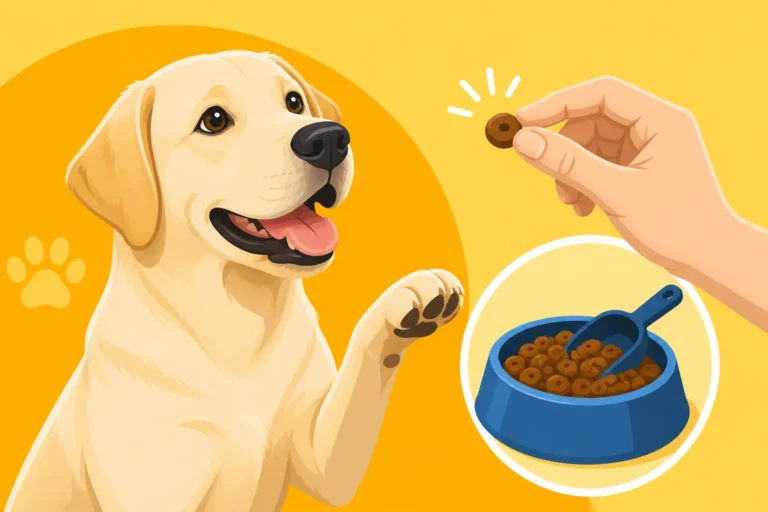
- Use kibble as treats: For training, especially for a food-motivated Labrador, simply use pieces of their regular kibble. This doesn't add any extra calories to their diet, and they'll often work just as hard for it. This is a brilliant strategy for Portion Control for a Food-Obsessed Labrador.
- Schedule treat times: Instead of random handouts, designate specific times for treats. For instance, after a successful potty break, after a walk, or during a short training session. This helps you keep track and avoids unconscious overfeeding.
Remember, the goal is to give your Labrador enough rewards to feel loved and motivated, without undermining their health goals.
Creative Ways to Reward Beyond Food
While food is a huge motivator for Labradors, it's not the only way to reward them. Diversifying your reward system can be incredibly beneficial, especially for a dog prone to weight gain.
Think about what else your Labrador loves:
- Praise and Affection: A happy, enthusiastic "Good dog!" paired with a scratch behind the ears or a gentle rub can be a powerful reward, especially for an affectionate breed like the Labrador.
- Playtime: A quick game of fetch, a tug session, or even a few minutes with a favorite squeaky toy can be a fantastic reward. This also doubles as exercise!
- Short Walks/Outdoor Access: If your Lab loves being outside, opening the back door for a few minutes of sniffing can be a great reward for good behavior.
- Training Games: Using their intelligence for puzzle toys or short scent work sessions can be highly rewarding and mentally stimulating, without adding calories. A snuffle mat with a few pieces of their regular kibble can feel like a big reward.
- "Life Rewards": This means using access to things they want as a reward. For example, sitting calmly before going out the door to the park is rewarded by the door opening. Waiting patiently for their dinner is rewarded by the bowl being put down.
By incorporating a variety of non-food rewards, you not only help manage their weight but also strengthen your bond and teach your Labrador that good things come from many sources, not just your treat pouch.
Monitoring Progress and Adjusting as Needed
Weight management is an ongoing process, not a one-time fix. It requires consistent monitoring and a willingness to adjust your approach as your Labrador's needs change.
- Regular Weight Checks: Your vet is your best resource for accurate weight checks. Schedule regular appointments, or ask if you can pop in just to use their scale.
- Body Condition Scoring: Learn how to assess your Labrador's body condition at home. You should be able to easily feel their ribs without pressing hard, see a clear waist tuck behind their ribs, and have their belly curve up rather than sag. If you're unsure, ask your vet to show you how. This is fully explained in Checking a Labrador's Body Condition Score.
- Keep a Food Diary: For a while, try logging everything your Labrador eats, including every single treat. You might be surprised by how much it adds up. This can help you identify areas where you can cut back.
- Consult Your Vet: If you're struggling to help your Labrador lose weight, or if you notice any health changes, always consult your veterinarian. They can rule out underlying medical conditions and provide personalized guidance on diet, exercise, and suitable treats.
Being proactive and consistent with low-calorie treats and smart reward systems is a cornerstone of keeping your Labrador healthy and happy throughout their life. It might take a little extra effort, but seeing your lean, energetic Lab thrive is absolutely worth it.
| Treat Type | Calorie Level (General) | Benefits | Considerations |
|---|---|---|---|
| Fresh Vegetables | Very Low | High fiber, vitamins, hydration, crunchy | Must be dog-safe, introduce slowly, some mess |
| Fresh Fruits | Low to Moderate | Vitamins, natural sweetness, antioxidants | Must be dog-safe (no seeds/pits), higher sugar than veggies, moderation is key |
| Commercial Low-Calorie | Low to Moderate | Convenient, portable, variety, formulated | Read labels carefully, still count calories, can be expensive |
| Homemade DIY | Low to Moderate | Full ingredient control, customizable, fresh | Requires time and effort, must use dog-safe ingredients |
| Kibble from Meal | Part of Daily Allowance | No extra calories, ideal for training | Less "special" for some dogs, may not be high-value enough for all situations |
Disclaimer
This article is for general informational purposes only and does not constitute professional advice. Laws, prices and regulations vary by location and change over time. Consult a qualified professional for guidance on your specific situation.