How Many Treats a Labrador Can Have Daily
There's nothing quite like the adoring gaze of a Labrador, especially when they think you might be holding a treat. Those big brown eyes, that gentle nudge of a wet nose – it's enough to melt anyone's heart! But if you're like many Labrador owners, you also know how quickly those treats can add up, and how easily our beloved Labs can tip the scales towards an unhealthy weight. This guide is all about helping you navigate the tricky waters of treat-giving, ensuring you can still show your Lab affection without compromising their health or contributing to their notorious propensity for weight gain.
The 10% Rule: A Golden Guideline for Labrador Treats
When it comes to giving treats, one of the most fundamental principles to keep in mind is the "10% rule." This isn't just some arbitrary number; it's a widely accepted guideline among veterinarians and pet nutritionists that can genuinely help you keep your Labrador in peak condition. It’s about balance, and it’s about understanding that every delicious morsel you offer contributes to their overall caloric intake for the day.
The 10% rule simply states that treats should make up no more than 10% of your Labrador's total daily calories. This means that 90% or more of their calories should come from a complete and balanced diet, typically their regular kibble or wet food. This ensures they're getting all the necessary nutrients without filling up on empty calories that might be lacking essential vitamins and minerals. Think of it like our own diets: a small dessert is fine, but it shouldn't replace a nutritious meal.
What the 10% Rule Actually Means for Your Lab
Let's break down what this really means for a typical Labrador. First, you need a rough idea of your dog's daily caloric needs. For example, a moderately active, adult Labrador weighing around 70 pounds might need roughly 1,400 to 1,800 calories per day, depending on their metabolism, age, and activity level. If we take the middle ground of, say, 1,600 calories, then 10% of that is 160 calories. That's your Labrador's daily treat budget.
Now, here’s where it gets tricky: 160 calories can disappear incredibly fast. Many commercial dog treats, especially the larger, chewier varieties, can pack 50 to 100 calories or more per single treat. If you give your Lab just two or three of these without thinking, you've already blown their treat budget for the entire day, and possibly added extra, unwanted calories on top of their regular meals. It's so easy to do when you're just grabbing a handful without checking the label.
Even small bits of human food can add up. A tablespoon of peanut butter (xylitol-free, of course!) can be around 90-100 calories. A small slice of cheese might be 50-70 calories. When you consider how much our Labs adore these things, it highlights just how diligent we need to be. This rule isn't about deprivation; it's about mindful treating and ensuring that every calorie counts towards their well-being, not just their immediate pleasure.
Why This Rule Is So Important for Labradors
For a Labrador Retriever, adhering to the 10% rule isn't just a suggestion; it's a crucial part of preventative health care. Labradors are famously prone to weight gain, a topic we've covered extensively in Why Labradors Gain Weight So Easily. Their eager appetites and efficient metabolisms mean they can put on weight with alarming speed if not carefully managed. This isn't just about aesthetics; excess weight has serious health implications for our Labs.
An overweight Labrador is at a much higher risk for a whole host of health problems. We're talking about increased strain on their joints, exacerbating conditions like Labrador Hip and Elbow Dysplasia and contributing to arthritis earlier in life. Obesity also makes them more susceptible to diabetes, heart disease, and even certain types of cancer. Research has consistently shown that keeping a dog lean can significantly extend their life, as discussed in How Much Longer a Lean Labrador Lives. It's a tough truth, but every extra pound can shave valuable time off their precious years with us.
Compounding this issue is the genetic predisposition many Labradors have towards a voracious appetite. Many carry a specific gene mutation (POMC gene deletion) that makes them feel perpetually hungry, a fascinating insight explored in Why a Quarter of Labradors Overeat by Genetics. This means that while we might feel guilty about not giving them another treat, they are simply responding to an innate drive. Understanding this helps us realize that saying "no" (or offering a healthier alternative) isn't being mean; it's being responsible and loving.
Calculating Your Labrador's Daily Calorie Needs
The 10% rule is only useful if you know your Labrador's total daily calorie requirements. This isn't a one-size-fits-all number, and it definitely requires a bit of detective work and, ideally, a conversation with your veterinarian. Your Lab's energy needs are as unique as their personality, influenced by a variety of factors that can fluctuate throughout their life.
Trying to guess calorie needs can lead to either overfeeding or underfeeding, neither of which is ideal. Over time, consistent overfeeding, even by a small amount each day, will undoubtedly lead to weight gain. Conversely, underfeeding can leave your active Lab without the necessary fuel for their boundless energy, potentially impacting their overall health and vitality. This is where precise measurement and veterinary guidance become invaluable tools in your Labrador care toolkit.
Understanding Your Lab's Basal Metabolic Rate and Activity Level
Your Labrador's caloric needs are primarily determined by their Basal Metabolic Rate (BMR) – the energy they need just to exist, to keep their organs functioning – plus the calories required for their activity level. Factors like age play a huge role: puppies need more calories for growth than adult dogs, while senior Labs typically need fewer as their metabolism slows down and their activity decreases. Their current weight and ideal weight are also critical considerations. A Labrador who is already overweight will need fewer calories initially to help them shed those pounds.
Then there's the activity level. A field-line Labrador who spends hours retrieving ducks or running agility courses will burn significantly more calories than a show-line Labrador who enjoys leisurely strolls around the block and plenty of couch time. Even spay/neuter status can affect metabolism, with many dogs experiencing a drop in metabolic rate after the procedure, making weight management even more challenging, as we discuss in Why a Neutered Labrador Gains Weight. The best way to get a precise number for your individual dog is always to consult your veterinarian. They can provide an accurate daily caloric intake recommendation based on your Lab's specific health profile, age, activity, and ideal body condition score.
Adjusting Main Meals to Accommodate Treats
This is perhaps the most critical part of managing treats effectively: if you give treats, you must reduce the main meal. It sounds simple, but it’s often overlooked in the hustle and bustle of daily life. Many owners fall into the trap of giving treats on top of their dog’s regular food, thinking a few small pieces won’t make a difference. Over time, these small additions accumulate, pushing your Labrador over their daily calorie limit and steadily contributing to weight gain.
Imagine your Labrador, let's call him Buster, eats 3 cups of kibble a day, which equals his recommended 1,600 calories. If you give Buster a treat that’s 80 calories, you need to remove about 80 calories worth of kibble from his bowl that day. Depending on the calorie density of his food, this might be a small scoop, perhaps an eighth of a cup, or even more. This isn't about punishment; it's about simple arithmetic to keep Buster at a healthy weight.
The easiest way to do this is to get into the habit of weighing your Labrador's food using a kitchen scale. This allows for far more precision than cup measurements, especially when you're making small adjustments. If you know exactly how many grams of kibble equal a certain number of calories, you can accurately subtract the caloric equivalent of the treats you've given. It's a small change in routine that can make a monumental difference in your Lab's long-term health. Consider this practical advice from Using a Kitchen Scale for Labrador Portions to master this technique.
Smart Treat Choices for Labradors
Given their boundless enthusiasm for food, selecting the right kind of treats for your Labrador is just as important as managing the quantity. It's easy to get sucked into the marketing hype of flashy packaging, but a thoughtful approach to treat selection can make a huge difference in your Lab's health and happiness. We want treats that provide enjoyment without a hefty caloric price tag or questionable ingredients.
Remember, the goal isn't to eliminate treats entirely; it's to make them a beneficial part of your Labrador's diet and training regimen. By choosing wisely, you can offer rewards, engagement, and even some nutritional benefits without contributing to the common struggle with weight that so many Labradors face. This proactive approach will empower you to treat your Lab responsibly and lovingly.
Low Calorie Treats That Still Bring Joy
One of the best ways to satisfy your Labrador's treat cravings without overdoing the calories is to turn to simple, natural, low-calorie options. Many common fruits and vegetables are perfectly safe and often enthusiastically received by Labs. Think sliced carrots, green beans, cucumber, or apple slices (without seeds or core). These are packed with fiber, vitamins, and water, offering a satisfying crunch or chew without a huge caloric impact. A small piece of carrot might only be 3-5 calories, meaning your 160-calorie daily budget goes a lot further!
Another fantastic option, often overlooked, is using a portion of your Labrador's daily kibble as treats. This is ingenious because it ensures that every "treat" still contributes to their balanced nutritional intake and doesn't add extra calories. You simply set aside a small amount from their regular meal portion and use that throughout the day for training or rewards. This strategy is highlighted in Using Kibble From the Daily Ration as Treats and is incredibly effective for managing weight while reinforcing good behavior.
When it comes to commercial low-calorie treats, read labels carefully. Look for options specifically marketed as "low calorie" or "weight control." Brands often offer smaller, lighter versions of their popular treats. You can find a vast selection of these on platforms like Chewy or Amazon, making it easy to compare nutritional information and ingredients. Always check the calorie count per treat, not just the overall bag, as this is where the real impact lies.
High-Value Treats for Training vs. Everyday Snacking
Not all treats are created equal, and understanding the difference between high-value and everyday treats is key to effective training and responsible snacking. High-value treats are those irresistible morsels that your Labrador would do almost anything for. These are best reserved for specific training situations, like teaching a new, challenging command, reinforcing a strong recall in a distracting environment, or for something vital like vet visits or nail trims.
Examples of high-value treats could be tiny pieces of cooked chicken or turkey, small cubes of cheese, or specialized soft, chewy training treats. While these are often higher in calories, their potency in motivating your Labrador means you only need to use very small, pea-sized pieces. The idea is to make them a powerful incentive, not a regular snack. For commercial options, some owners swear by the soft, fresh treats available through services like Ollie, which can be cut into tiny, potent training rewards.
For everyday snacking, or for simple reinforcement of behaviors your Labrador already knows, stick to the lower-calorie options discussed earlier, or even just their regular kibble. This approach helps maintain the "specialness" of high-value treats for when you truly need them, prevents your Lab from becoming overly reliant on them, and keeps their overall calorie intake in check. It's all about strategic treating – using the right tool for the job, as discussed in Treats That Motivate a Food-Driven Labrador.
Avoiding Common Treat Pitfalls
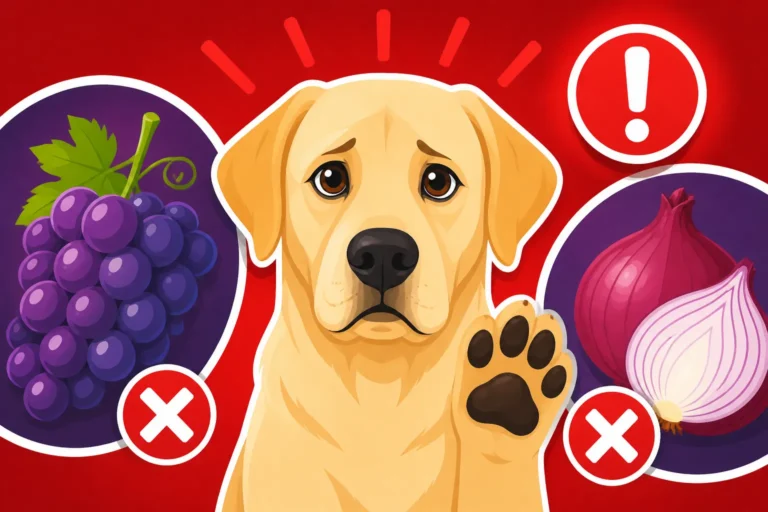
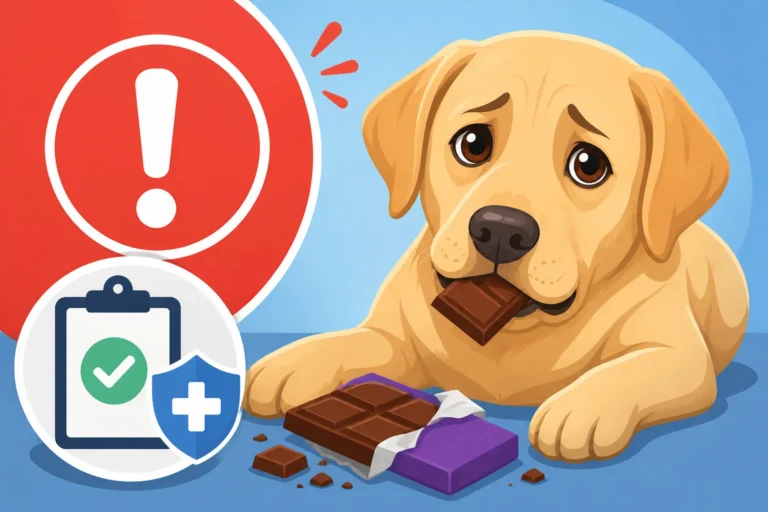
Even with the best intentions, it's easy to fall into common treat-giving traps that can undermine your Labrador's health. One major pitfall is offering human foods that are actually dangerous for dogs. Things like chocolate, grapes, raisins, onions, garlic, and anything sweetened with xylitol are absolute no-gos and can lead to serious, even life-threatening, emergencies. Always be aware of Foods That Are Dangerous for Labradors and keep them out of paw's reach.
Another mistake is viewing dental chews as calorie-free dental hygiene. While some dental chews can certainly help with tartar control, they often contain a significant number of calories. If you're giving your Labrador a large dental chew daily, you need to factor those calories into their overall diet and adjust their main meals accordingly. Don't let them become a hidden source of extra pounds.
Finally, succumbing to begging behavior is a pitfall many of us struggle with. Labs are masters of the puppy-dog eyes, and it's hard to resist. However, consistently giving treats when they beg only reinforces the behavior, leading to more insistent demands. Instead, teach them an incompatible behavior like "go to your mat" or "sit" before receiving any treat, and only offer it when they're calm and quiet. Breaking the begging cycle, as explored in Why a Labrador Begs After Eating, is beneficial for both your peace of mind and your Labrador's waistline.
Practical Strategies for Managing Treat Intake
Successfully managing your Labrador's treat intake isn't just about knowing the rules; it's about implementing practical strategies consistently in your daily routine. This requires a little planning, a lot of consistency, and sometimes, a firm hand (especially with well-meaning family members or visitors!). But the effort is well worth it for the long-term health and vitality of your beloved companion.
These strategies empower you to take control of your Lab's nutritional landscape, ensuring that treats remain a positive reinforcement tool and a source of joy, rather than a pathway to preventable health issues. Think of it as investing in your Labrador's future, one mindful treat at a time.
Keeping a Treat Log and Measuring Precisely
One of the most effective ways to truly understand and control your Labrador's treat intake is to keep a treat log. It might sound a bit extreme, but it provides invaluable insight, especially if you're struggling with your Lab's weight. Simply jot down every treat given throughout the day, noting its approximate calorie count. This forces you to be accountable and makes it glaringly obvious how quickly those calories add up. If multiple people in the household give treats, this becomes even more critical; everyone needs to be on the same page and log their contributions.
Precision in measurement extends beyond the main meals. For commercial treats, look for the calorie count per treat, which is often listed on the packaging. If it's by weight, invest in a small kitchen scale to measure out portions accurately. For homemade or fresh vegetable treats, you can find calorie estimates online for human foods. This diligent approach helps prevent accidental overfeeding and ensures your Labrador stays within their daily caloric allowance. It’s also a fantastic tool if your vet recommends Weight Control Formulas for Labradors and you need to be very strict with their total intake.
| Treat Type | Example Calories (approx.) | Best Use | Notes |
|---|---|---|---|
| Commercial Soft Training | 3-5 calories (per small piece) | High-value training, new commands | Cut into tiny bits to maximize rewards. |
| Commercial Hard Biscuit | 20-50 calories (per biscuit) | Occasional reward, everyday snack | Choose smaller sizes; easily overfed. |
| Cooked Chicken/Turkey | 5-10 calories (per pea-sized piece) | High-value training, special rewards | Ensure plain, unseasoned. |
| Cheese Cubes | 10-20 calories (per pea-sized cube) | High-value training, medication disguise | Use sparingly; high in fat and calories. |
| Carrot/Green Bean Slice | 1-3 calories (per piece) | Everyday snack, frequent rewards | Excellent low-calorie choice; good fiber. |
| Apple Slice (no seeds/core) | 5-8 calories (per small slice) | Refreshing snack | Great for hydration; remove all seeds. |
| Peanut Butter (xylitol-free) | 90-100 calories (per tbsp) | Lick mats, medication delivery | Very high calorie; use in tiny amounts or dilute. |
| Kibble (from daily ration) | Varies | Everyday training, meal replacement | Ideal for consistent calorie control; no extra calories added. |
Making Treats Part of a Healthy Lifestyle, Not a Crutch
Treats should be a tool for communication and positive reinforcement, not a crutch or an automatic handout. One of the most powerful uses of treats is in training. When you're teaching your Labrador a new command or reinforcing good behavior, a timely, tasty reward can work wonders. This positive association helps your Lab understand what you want and makes learning enjoyable for them. However, it's also important to gradually fade food rewards as your Lab masters a command, replacing them with praise, petting, or a favorite toy.
It's tempting to reach for a treat every time your Labrador nudges you, or simply because they look cute. But consider alternative forms of affection and stimulation. A vigorous game of fetch, a good long cuddle session on the couch, or some focused praise can be just as rewarding for your Lab, and they come with zero calories. These non-food rewards strengthen your bond and promote a healthier lifestyle overall. Remember, your Labrador craves your attention and interaction even more than they crave food.
We all experience that twinge of guilt when our Lab gazes up at us with those pleading eyes, particularly when we're enjoying a snack ourselves. It feels mean to deny them, right? But understanding that managing their treat intake is an act of love, directly contributing to their longevity and quality of life, can help mitigate that guilt. You're not depriving them; you're protecting them. This perspective shift is vital for maintaining discipline and making choices that truly benefit your furry family member in the long run, and it contributes to them being at a good Checking a Labrador's Body Condition Score.
Navigating Special Occasions and "Grandma's Treats"
Life with a Labrador often involves well-meaning friends, family, and even strangers who simply can't resist slipping them a "little something." This can be one of the biggest challenges in managing treat intake, especially when it comes to visitors or special occasions like holidays. Grandma's intentions are pure, but her generous hand with treats can quickly undo all your hard work.
The best approach here is proactive communication. Before guests arrive, have a polite conversation. Explain your Labrador's susceptibility to weight gain and their current dietary plan. You can offer them a baggie of your Lab's approved, low-calorie treats (like those carrot sticks or kibble pieces) and ask them to only give those, or to check with you first. Many people appreciate being given a clear guideline and a safe option rather than having to guess.
For special occasions, plan ahead. If it's your Lab's birthday, instead of a giant cake, opt for a special, vet-approved frozen treat or a new, exciting chew toy. If you're having a family dinner, make sure your Labrador is either crated, in another room, or tethered near you with a safe, long-lasting chew, to prevent opportunistic scavenging under the table. It might take a bit of effort and gentle redirection, but setting these boundaries protects your Labrador's health and teaches them that good things come from you, on your terms, and within their calorie budget.
Disclaimer
This article is for general informational purposes only and does not constitute professional advice. Laws, prices and regulations vary by location and change over time. Consult a qualified professional for guidance on your specific situation.