Human Foods Safe for a Labrador
We all know that look, don't we? That intense, soulful stare from under the table, usually accompanied by a soft whimper or a gentle nudge of a wet nose against your leg. It’s almost impossible to resist sharing a little bite of your dinner with your beloved Labrador, but the truth is, not everything on our plates is safe for them. This guide is here to help you navigate the world of human foods, so you can treat your furry best friend without accidentally causing them harm or an upset tummy.
The Basics of Sharing Human Food with Your Labrador
Sharing food with your Labrador can be a wonderful way to bond, but it comes with a responsibility to understand what's safe and what's not. It's not just about avoiding the obvious poisons; it's also about understanding how different foods impact their unique digestive systems and overall health.
Why Caution is Key
Labradors, bless their food-loving hearts, are often not the most discerning eaters. If it smells good, they'll try to eat it, and sometimes, even if it doesn't, they still might. This enthusiasm can sometimes lead to trouble. Their digestive systems, while robust in many ways, aren't designed to handle the same variety and complexity of foods as humans. We process fats, sugars, and spices differently. What might be a delicious seasoning for us could be a recipe for a gastrointestinal upset – or worse – for your dog. Think about that time your Labrador snuck a piece of cheesy pizza crust or a dollop of chili, only to spend the next few hours with an unhappy belly. It's a common scenario, and it’s why we need to be vigilant.
Beyond immediate digestive issues like diarrhea or vomiting, some human foods can cause long-term health problems. Ingredients that are fine for us can be toxic to dogs, leading to organ damage or even be fatal. It’s a terrifying thought, but one that underscores the importance of knowing your stuff. Moreover, many human foods are simply too rich or high in calories for a Labrador, contributing to weight gain and associated health problems, which we'll delve into in a moment.
Moderation and Portion Control
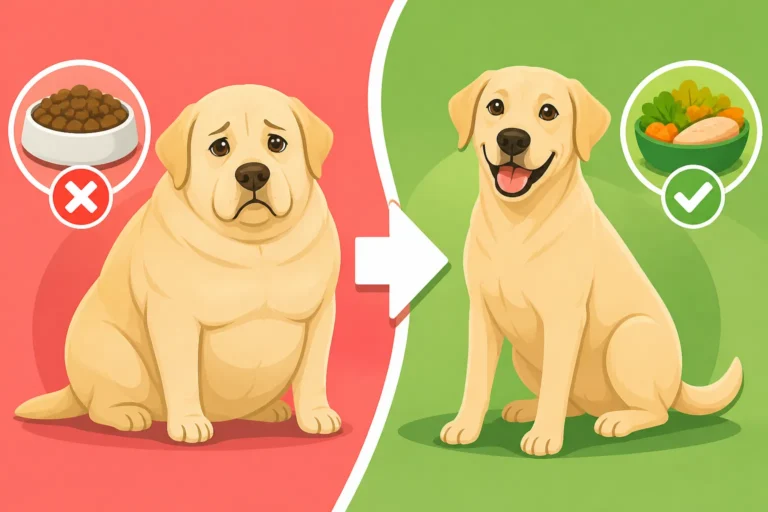
Even for foods that are perfectly safe for Labradors, moderation is absolutely non-negotiable. Your Labrador's primary diet should always be a high-quality, nutritionally balanced dog food specifically formulated for their age and activity level. Human foods should be considered occasional treats, not a significant part of their caloric intake. A good rule of thumb is that treats, including human foods, should make up no more than 10% of their daily calories. For a Labrador, who can already be prone to weight gain, this is even more critical. If you've ever wrestled with Portion Control for a Food-Obsessed Labrador, you know how quickly those extra bites add up.
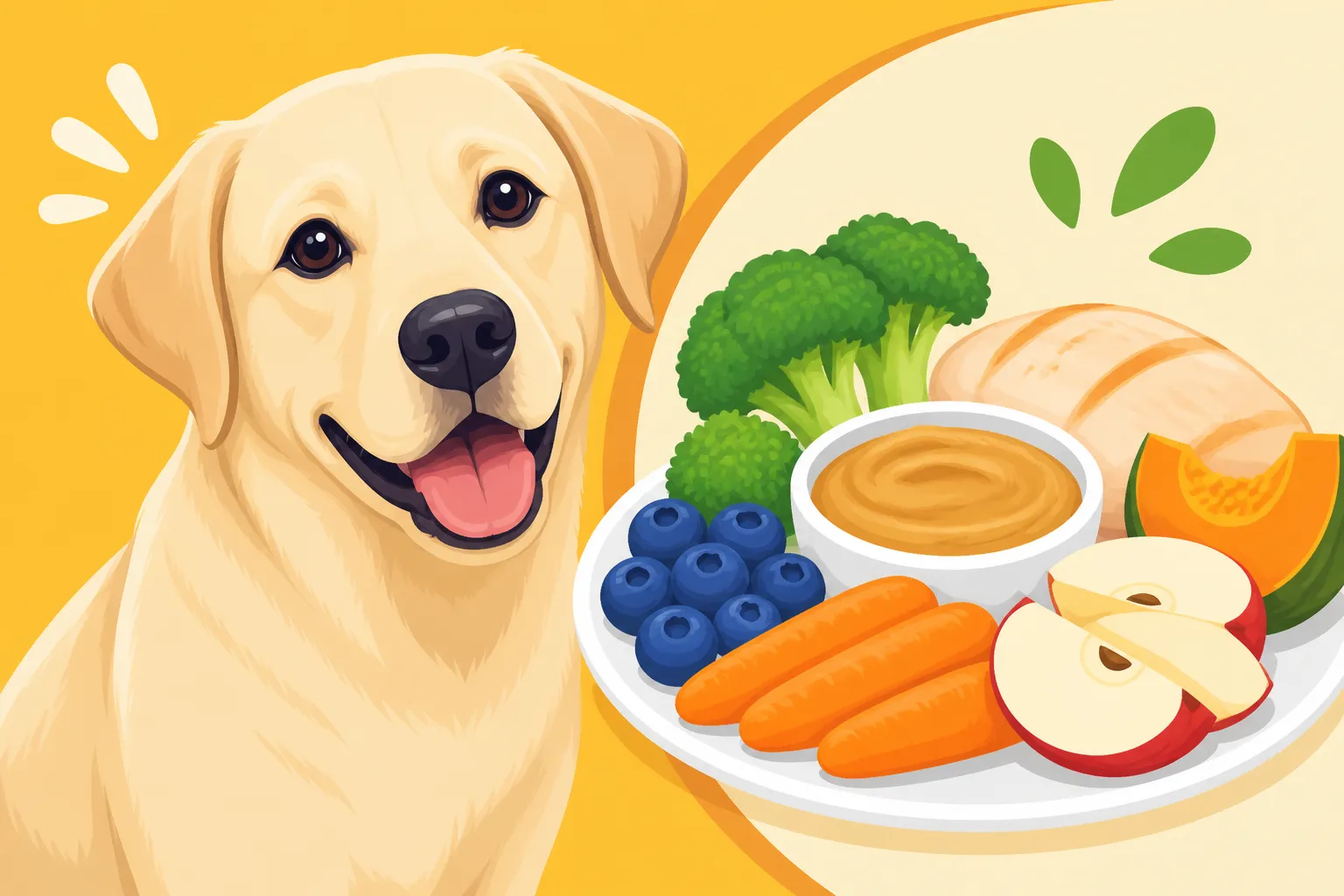
Portion control isn't just about preventing Labrador Obesity and the Years It Costs; it’s also about avoiding an imbalance in their diet. Too many treats, even healthy ones, can lead to your Labrador missing out on essential nutrients from their regular kibble. Imagine giving them a whole apple; that's a lot of sugar and fiber for a dog in one sitting! Instead, a few slices of apple, a couple of blueberries, or a tiny piece of cooked chicken are appropriate sizes. Always remember, what seems like a small bite to us can be a much larger proportion of their daily intake.
Fruits Your Labrador Can Enjoy (In Moderation!)
When it comes to fruits, there's a delicious world of healthy options you can share with your Labrador, as long as you're mindful of preparation and quantity. These natural treats can offer vitamins, fiber, and hydration.
Berries and Melons: Sweet & Hydrating Snacks
Berries are tiny powerhouses of nutrition and are often a big hit with Labradors. Blueberries, for example, are packed with antioxidants, vitamins C and K, and fiber. They're small enough to be given as individual treats, which makes portion control easy. My Labrador, Duke, absolutely adores blueberries. I'll toss a few to him one by one while I'm preparing my own breakfast, and he catches them with such precision. Strawberries are another fantastic option, full of vitamin C and fiber. Just make sure to wash them thoroughly and remove the green tops before offering a few sliced pieces. Raspberries and cranberries are also generally safe in small quantities, but their tartness might not appeal to all Labs.
Melons, like watermelon and cantaloupe, are wonderful, hydrating treats, especially on a hot summer day after a good swim. They are mostly water, which makes them low in calories, but still contain vitamins A and C. The key here is to remove all seeds and rind. Watermelon rind can be tough to digest and potentially cause blockages, and the seeds can be a choking hazard or cause intestinal upset if consumed in large quantities. A few small, seedless chunks of melon can be a refreshing and safe snack for your Lab. Just watch out for any sticky faces afterward!
Apples and Bananas: Classic Canine Treats
Apples are a truly classic human-food-turned-dog-treat. They're crunchy, satisfying, and full of vitamins A and C, as well as fiber. However, there's a crucial caveat: you must always remove the core and seeds. Apple seeds contain a small amount of cyanide, which, while usually not enough to harm a human, can accumulate in a dog's system over time or be problematic in large quantities. The core itself is a choking hazard. I like to slice apples into thin wedges, removing the core, and offer them as a cool, crisp snack. My old Lab, Bonnie, used to crunch them down with such gusto. It's a great way to add a bit of fiber to their diet, which can sometimes help with digestion.
Bananas are another popular choice, offering potassium, vitamins B6 and C, and fiber. They're a bit higher in sugar than many other fruits, so strict moderation is key. A few small slices are plenty. Bananas can be a lovely soft treat, especially for older Labradors who might have dental issues. You can even mash a tiny bit into a puzzle toy for a fun, engaging snack. Remember, while a banana offers good nutrients, too much sugar is never a good thing, especially for breeds prone to Why Labradors Gain Weight So Easily.
Other Fruit Options and What to Avoid
Pears are similar to apples in their nutritional benefits and cautions. Always remove the core and seeds. A few slices can be a nice, juicy treat. Pineapples, in small, peeled, cored pieces, can also be offered. They contain bromelain, an enzyme that can aid digestion, but too much can cause an upset stomach due to their acidity. Think tiny pieces, not big chunks.
Now, for the critical part: what to avoid. Grapes and raisins are an absolute no-go. They are highly toxic to dogs and can cause acute kidney failure, even in small amounts. The exact mechanism isn't fully understood, but the risk is severe. Cherries are also problematic; the pits contain cyanide, and the fruit itself can cause an upset stomach. Avocados are another fruit to steer clear of; while the flesh isn't highly toxic to dogs, the pit, skin, and leaves contain a substance called persin, which can cause vomiting and diarrhea. The large pit is also a choking hazard and can cause intestinal obstruction. Citrus fruits like oranges and lemons are generally not toxic in small amounts, but their high acidity can upset a Labrador's stomach, and most dogs don't enjoy the taste anyway. Always, always do your research before offering any new fruit to your Lab.
| Safe Fruits (in moderation) | Unsafe Fruits (AVOID COMPLETELY) | Important Notes |
|---|---|---|
| Apples (no core/seeds) | Grapes & Raisins | Remove all seeds, pits, and rinds |
| Bananas | Cherries (pits contain cyanide) | Offer only small, plain pieces |
| Blueberries | Avocados (especially pit/skin) | Watch for digestive upset |
| Strawberries | Rhubarb | Consult vet if uncertain |
| Watermelon (no seeds/rind) | Any fruit with large pits (peaches, plums – choking/cyanide) | |
| Cantaloupe (no seeds/rind) | ||
| Pears (no core/seeds) | ||
| Pineapple (peeled, cored) |
Vegetables That Are Safe and Nutritious for Labradors
Just like with fruits, many vegetables are excellent, low-calorie additions to your Labrador's diet, offering essential vitamins, minerals, and fiber. Again, preparation is everything!
Leafy Greens and Cruciferous Veggies
Leafy greens like spinach and kale can be given in very small amounts. They're packed with vitamins K, A, and C, and iron. However, they contain oxalates, which in large quantities can interfere with calcium absorption and potentially contribute to kidney issues, so think of them as tiny garnishes rather than a main course. Too much can also cause digestive upset. Steamed and chopped is often the best way to offer them.
Cruciferous vegetables such as broccoli and cauliflower can be safe for Labradors, but they come with a warning: gas. These veggies are known to cause significant flatulence in dogs, which, while harmless, can be quite unpleasant for everyone in the house! If you do offer them, do so sparingly and in very small, cooked pieces. My Labrador, a notorious gassy boy, learned quickly that a few pieces of steamed broccoli were his limit before he'd regret it later. Green beans, on the other hand, are a fantastic low-calorie, high-fiber snack that most Labradors adore. Raw, steamed, or boiled, plain green beans are an excellent substitute for higher-calorie treats. They're a staple in many weight-management plans for Labs. Weight Control Formulas for Labradors often incorporate similar fibrous ingredients to help dogs feel full.
Root Vegetables and Squash
Sweet potatoes are a wonderful source of dietary fiber, vitamins B6 and C, and beta-carotene. Cooked and mashed or cut into small, plain pieces, they are a healthy and delicious treat. Never offer raw sweet potato as it can be difficult to digest. Plain, canned pumpkin (not pie filling, which contains spices and sugar) is another superfood for dogs. It's fantastic for both diarrhea and constipation due to its high fiber content, helping to regulate digestion. A spoonful or two mixed into their food can work wonders for an upset stomach. This is one item I always keep in the pantry for those unpredictable moments.
Carrots are a classic crunchy favorite. They're great for dental health (the crunch helps clean teeth!), packed with beta-carotene (for vision), and vitamins. Raw or cooked, in sticks or grated, Labradors usually love them. They're a low-calorie alternative to processed treats. Just make sure pieces aren't too large to prevent choking. Other root vegetables like parsnips (cooked, plain) and turnip (cooked, plain) can also be given sparingly. But again, always plain and cooked until soft enough to chew easily.
The Importance of Plain Preparation
This cannot be stressed enough: always prepare vegetables plainly. This means no butter, no oils, no salt, no pepper, no garlic powder, no onion powder, no spices of any kind. What tastes delicious to us can be problematic, toxic, or simply too rich for your Labrador. For instance, a sprinkle of garlic powder on your roasted potatoes might seem innocuous, but garlic is toxic to dogs and can cause red blood cell damage. Grapes, Onions and Labrador Emergencies is a real concern.
When in doubt, steam or boil vegetables until they are soft and easy to digest. Raw vegetables can be tougher on some Labradors' stomachs, especially those prone to sensitivity. Cut them into bite-sized pieces to prevent choking, particularly for a breed like the Labrador that tends to inhale food. If you're buying prepared vegetables, double-check the ingredient list for any hidden seasonings or additives before sharing them with your dog.
Lean Proteins and Grains for a Happy Lab
Sometimes, you want to share a bit of your meal that feels more substantial than just a veggie. Lean proteins and certain grains can be great options, provided they are prepared correctly.
Cooked Meats and Fish
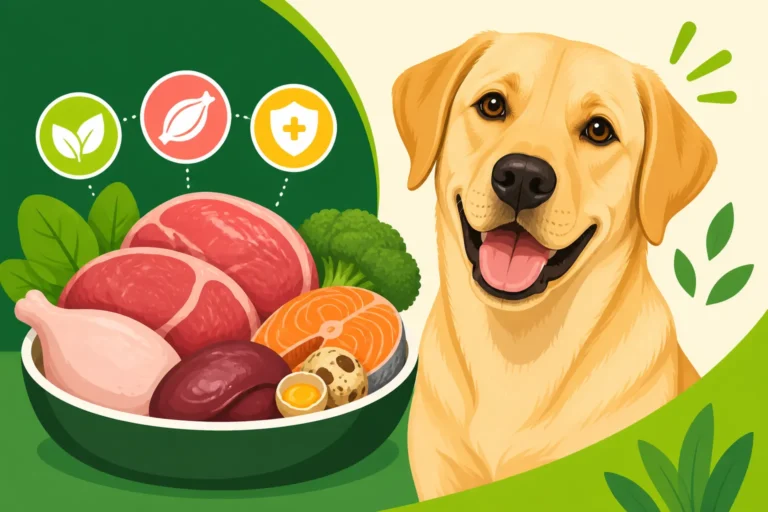
Cooked, plain chicken (skinless, boneless) is often a go-to for many dog owners. It's an excellent source of lean protein and can be a comforting food for a Labrador with an upset stomach. Shredded chicken breast is easy to digest and highly palatable. Similarly, plain, cooked turkey (again, skinless, boneless, no dark meat with excess fat) is also safe. I often save a bit of plain roasted chicken or turkey from our dinner specifically for Duke's treat rotation. Lean beef, cooked without seasonings or heavy fats, can also be offered in small amounts. Always ensure it's fully cooked to eliminate bacteria.
Fish can be a fantastic source of Omega-3 fatty acids, which are great for your Labrador's coat and joint health. Cooked, plain salmon, cod, or sardines (in water, no salt added) are good choices. Like chicken, ensure all bones are meticulously removed, as cooked bones can splinter and cause internal damage. Never offer raw fish, as it can contain parasites. Again, think small portions – a flake of salmon or a small piece of cod, not a whole fillet. Many high-quality dog foods, including those you might find on Chewy or Ollie, incorporate these beneficial proteins and fats into their formulas.
Eggs and Plain Dairy
Eggs are a powerhouse of nutrition, providing protein, vitamins, and minerals. Cooked eggs – scrambled, boiled, or poached – are perfectly safe for Labradors. Just like with meats, they should be prepared plain, without butter, oil, salt, or pepper. A cooked egg can be a wonderful, high-value treat or a small addition to their regular meal. Raw egg whites contain avidin, an enzyme that can interfere with biotin absorption, so always cook eggs thoroughly.
Plain dairy, such as plain yogurt or cottage cheese, can be given in very small amounts. These offer calcium and protein, and plain yogurt contains probiotics which can be beneficial for gut health. However, many Labradors can be lactose intolerant to varying degrees, leading to gas, bloating, or diarrhea. Start with a tiny spoonful to see how your Lab reacts. If they show any signs of digestive distress, it's best to avoid dairy altogether. Sweetened or flavored yogurts are a definite no, as they often contain added sugars and artificial sweeteners, including xylitol, which is highly toxic.
Safe Grains and Legumes
Plain, cooked white or brown rice is often recommended for Labradors with an upset stomach because it's easily digestible and bland. It can be a good source of carbohydrates and a gentle filler when mixed with a bit of plain chicken. Cooked oats (like plain oatmeal) are another safe grain, providing fiber. Again, no added sugars, salt, or flavors. A small spoonful of plain oatmeal can be a warm, comforting treat, especially on a chilly morning.
Cooked lentils are safe for dogs in moderation and offer a good source of protein and fiber. However, like cruciferous vegetables, they can cause gas. Never offer raw legumes, as they are hard to digest and can contain anti-nutrients. When preparing, ensure they are thoroughly cooked and free of any seasonings. Beans like green beans (as mentioned) are excellent, but canned beans must be rinsed thoroughly to remove excess sodium. Other beans, such as kidney beans or black beans, are generally safe when cooked plain and thoroughly but can be quite gassy for some dogs. Always introduce new foods slowly and in small amounts to monitor for any adverse reactions.
Foods to Absolutely AVOID for Your Labrador's Safety
This section is perhaps the most critical. Knowing what to avoid can literally save your Labrador's life. These are not just "might cause an upset stomach" foods; these are truly dangerous.
The Absolute No-Gos: Toxic and Dangerous Foods
Let's start with the big ones. Chocolate is famously toxic to dogs, containing theobromine. Dark chocolate and baking chocolate are the most dangerous, but any amount can cause problems depending on the dog's size and sensitivity. Symptoms range from vomiting and diarrhea to tremors, seizures, and even death. If your Labrador eats chocolate, contact your vet immediately. What to Do If a Labrador Eats Chocolate is a resource you should know.
Xylitol, an artificial sweetener found in many sugar-free products (gum, candies, peanut butter, toothpaste), is incredibly toxic and can cause a rapid drop in blood sugar (hypoglycemia) and liver failure. Always check peanut butter labels before giving it to your dog. Many brands of peanut butter are safe, but some now contain xylitol. This is why reading labels is so crucial.
Onions, garlic, chives, and leeks (all members of the Allium family) are toxic, whether raw, cooked, or powdered. They contain compounds that can damage a dog's red blood cells, leading to anemia. Even small amounts over time can cause issues. This includes the garlic and onion powder often found in seasoned foods like gravies, sauces, and some baby foods.
Grapes and raisins are another critical danger, capable of causing acute kidney failure. The toxic dose isn't fully understood, but even a single grape can be problematic for some dogs. Keep them far out of reach.
Macadamia nuts can cause weakness, vomiting, tremors, and hyperthermia in dogs, though the exact toxic compound is unknown. While typically not fatal, they can lead to severe discomfort.
Hidden Dangers and Processed Foods
Beyond the outright toxic items, there's a whole category of human foods that pose hidden dangers, mainly processed foods. Foods high in fat, like fatty cuts of meat, bacon, or fried foods, can lead to pancreatitis, a painful and potentially life-threatening inflammation of the pancreas. For Labradors, who are already often food-obsessed, the temptation to snatch these items is high.
Foods high in salt can lead to sodium ion poisoning, causing excessive thirst, urination, vomiting, diarrhea, tremors, seizures, and even death. Think pretzels, chips, or heavily salted gravies. Conversely, too much sugar can lead to dental problems, obesity, and even diabetes in dogs. Avoid candies, pastries, and any food with added sugar.
Alcohol in any form is extremely dangerous. Dogs are much more sensitive to its effects than humans, and even small amounts can cause vomiting, diarrhea, central nervous system depression, coordination problems, breathing difficulties, coma, and even death. Keep alcoholic beverages and any foods containing alcohol strictly away from your Labrador.
Unbaked dough (especially yeast dough) is also hazardous. The yeast can continue to rise in your dog's warm, moist stomach, causing painful bloating and potentially a life-threatening condition called bloat, or gastric dilatation-volvulus (GDV). The yeast also produces alcohol as it ferments, leading to alcohol poisoning. Bloat Symptoms in a Labrador Retriever are vital to recognize, and unbaked dough can be a trigger.
What to Do if Your Labrador Eats Something Dangerous
If you suspect your Labrador has ingested a toxic or dangerous human food, do not wait. Time is critical. Immediately contact your veterinarian or an emergency veterinary hospital. Have as much information ready as possible:
- What did they eat? (e.g., "a chocolate bar," "a bag of grapes," "peanut butter with xylitol")
- How much did they eat? (Estimate as best you can – "half a bar," "a handful")
- When did they eat it? (Approximate time)
- Your Labrador's weight.
- Any symptoms you are observing.
Do not try to induce vomiting unless specifically instructed by a veterinary professional, as this can sometimes cause more harm than good, especially with certain toxins or if your dog is already showing symptoms. Your vet will guide you on the best course of action, which might include bringing your Labrador in for immediate treatment. It’s always better to be safe than sorry when your beloved companion's health is on the line.
Remember, while sharing food can be a joy, your Labrador's health and safety are paramount. Stick to their balanced dog food as their primary diet, and use these safe human foods as very occasional, plain, and controlled treats. For reliable dog food and treat options, you can often find a wide variety on platforms like Amazon or Chewy, ensuring they are formulated specifically for canine consumption and free from harmful ingredients. Ollie also provides fresh food options tailored to canine nutritional needs.
Disclaimer
This article is for general informational purposes only and does not constitute professional advice. Laws, prices and regulations vary by location and change over time. Consult a qualified professional for guidance on your specific situation.