Vacuums That Handle Labrador Hair
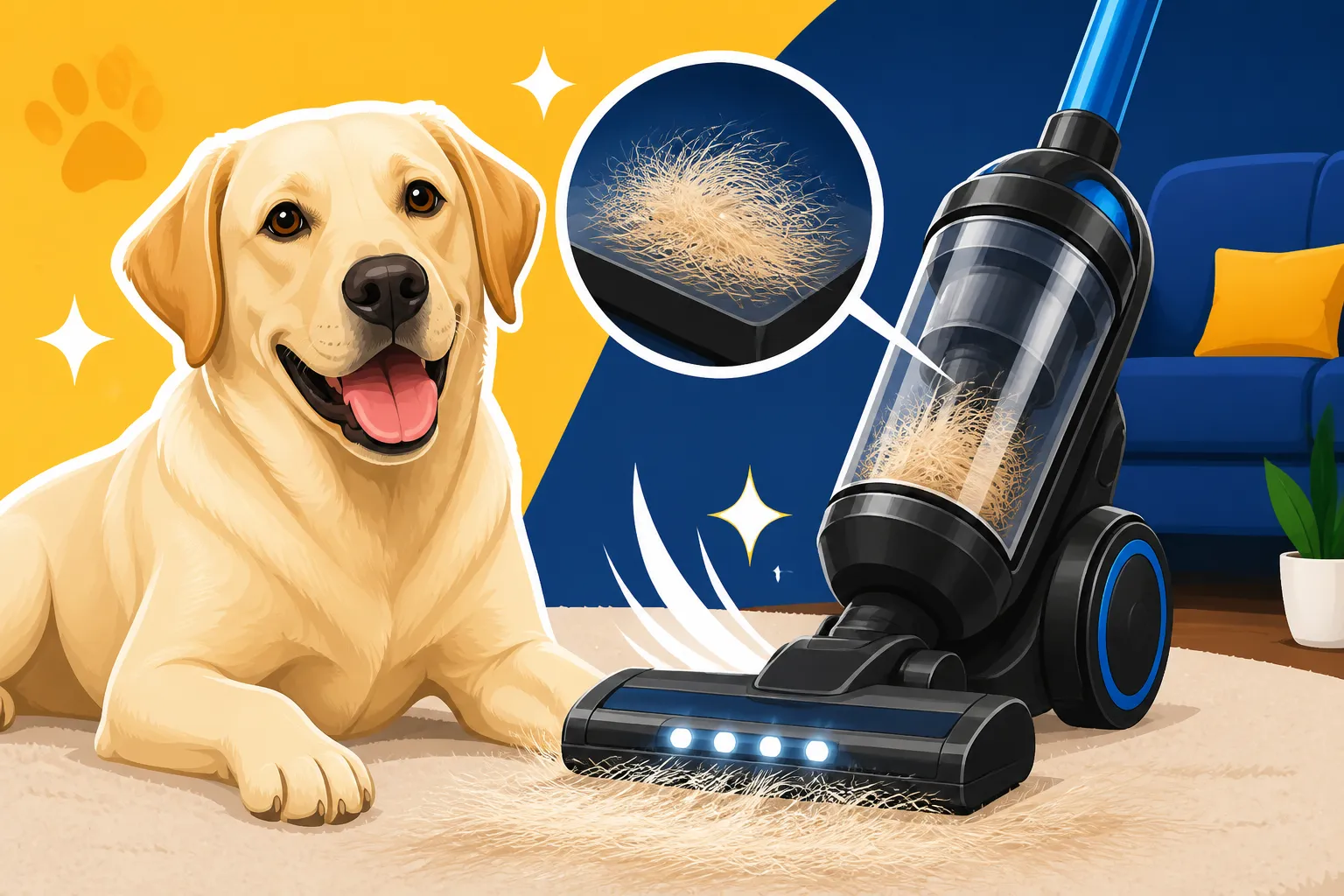
If you share your home with a Labrador Retriever, you know the absolute truth: their hair isn't just on things, it becomes part of everything. It weaves itself into carpets, clings to upholstery, and floats through the air like tiny, determined tumbleweeds. Trying to keep up with the shedding can feel like a losing battle, leaving you constantly frustrated with vacuums that just can't seem to conquer the furry challenge. This guide is here to help you navigate the confusing world of vacuum cleaners and find the ones truly equipped to handle the relentless, beautiful, and utterly abundant hair of your beloved Labrador.
Understanding the Labrador Shedding Challenge
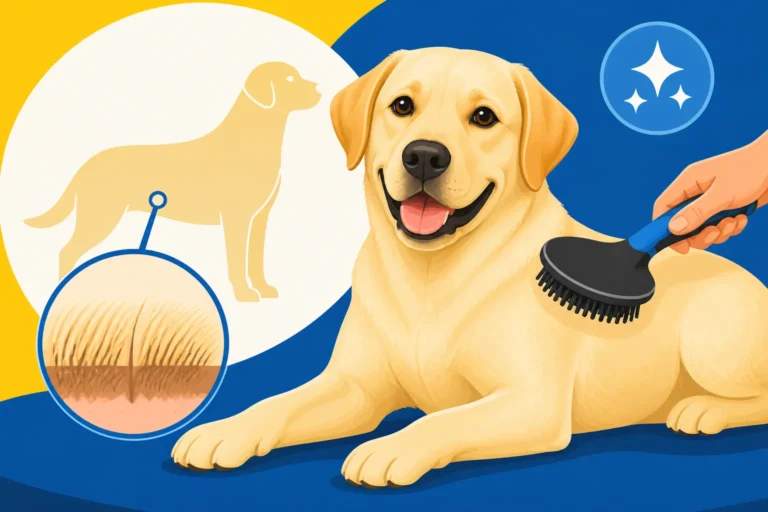
Before we dive into specific vacuum features, let's talk about why Labrador hair is such a formidable opponent. It's not just "dog hair"; it's Labrador hair, and that's a whole different ballgame. Our Labs are equipped with a dense, weather-resistant double coat designed to protect them from icy waters and harsh elements. This coat consists of two distinct layers: a coarse, water-repellent outer guard coat, and a soft, fluffy, insulating undercoat.
The Double Coat's Double Whammy
The problem arises because both layers shed, but often at different rates and with different characteristics. The guard hairs are strong and straight, easily embedding themselves into fabrics. The undercoat, on the other hand, is lighter and finer, creating those notorious dust bunnies and floating strands that seem to defy gravity. When your Labrador goes through its seasonal "coat blow," typically in spring and fall, the amount of hair released can be truly astonishing. It’s like a furry explosion in your living room. You can try your best with regular grooming, but even with diligent brushing, the sheer volume can overwhelm standard cleaning tools. How Much a Labrador Sheds Year Round can give you an idea of what to expect, and methods for Brushing a Labrador During Coat Blow can help, but a good vacuum is still essential.
Why Regular Vacuums Fall Short
Many everyday vacuums are designed for general household dust and debris, not for the heavy-duty demands of a large, double-coated dog. They might have weak suction that leaves embedded hairs behind, or brush rolls that quickly get tangled and become ineffective. Filters clog rapidly, reducing performance, and small dustbins require constant emptying. It's a cycle of frustration where you spend more time wrestling with your vacuum than actually cleaning. It's no wonder many Labrador owners feel like they need a commercial-grade machine just to maintain some semblance of order!
Essential Vacuum Features for Labrador Owners
When you're battling the endless tide of Labrador hair, not just any vacuum will do. You need specific features that are up to the task. Thinking about these aspects before you buy can save you a lot of headaches (and backaches!) in the long run.
Powerful Suction and Airflow
This is perhaps the most critical factor. Without strong, consistent suction, loose hairs will simply be stirred up or left clinging to surfaces. A powerful motor translates to better airflow, which is what actually lifts the hair from carpets and upholstery. Don't underestimate this; a weak vacuum trying to pick up stubborn Lab hair is like trying to empty a swimming pool with a teacup. You need a vacuum that can create a deep, sustained pull to extract those embedded guard hairs from your rugs and pull the fine undercoat from crevices.
When checking specifications, look for terms like "powerful motor" or "high suction power." While specific watts or air watts can sometimes be compared, real-world performance often varies by design. Reading reviews from other pet owners, especially those with Labradors or similar heavy-shedding breeds, can give you a better idea of actual suction efficacy.
Tangle-Free or Self-Cleaning Brush Rolls
Labrador hair, especially the longer guard hairs, loves to wrap itself around traditional brush rolls. This entanglement reduces the brush's effectiveness, damages the bristles, and can even seize up the motor over time. Manually cutting hair off a brush roll is a tedious and frankly disgusting chore that no one enjoys.
Many modern pet-specific vacuums address this with features like self-cleaning brush rolls or comb-like designs that prevent hair from wrapping. Some even have a bristled brush that automatically detangles the main brush bar. This innovation is a game-changer for Labrador owners, dramatically cutting down on maintenance and ensuring consistent cleaning power. Look for brush rolls explicitly advertised as "pet hair resistant," "tangle-free," or "self-cleaning" when browsing options on sites like Amazon or Chewy.
Advanced Filtration System (HEPA)
Beyond the visible hair, Labradors also produce a fair amount of dander, which can be an allergen for many people. A good vacuum for Lab owners isn't just about picking up hair; it's about trapping those microscopic irritants. A HEPA (High-Efficiency Particulate Air) filter is designed to capture 99.97% of airborne particles as small as 0.3 microns, including pet dander, pollen, and dust mites.
This means cleaner air in your home, which is a huge benefit if anyone in your household suffers from allergies. Standard filters can let these fine particles escape back into the air you breathe. Ensure the vacuum has a sealed HEPA system, meaning the air doesn't leak out around the filter before being cleaned. Regularly cleaning or replacing these filters is crucial to maintaining suction and filtration efficiency.
Large Dustbin Capacity
Given the sheer volume of hair a Labrador can shed, a small dustbin will fill up incredibly quickly. Imagine vacuuming half a room only to stop and empty the canister – it completely breaks your cleaning rhythm. A larger dustbin means you can clean more area before needing to stop. This is a practical consideration that makes a big difference in how efficient and enjoyable (or at least, less annoying) your cleaning sessions become. Look for vacuums with capacities of at least 1 liter, and ideally more, especially if you have multiple Labs or a larger home.
Specialized Pet Attachments
While the main vacuum unit is vital, specialized attachments can make a world of difference for targeted cleaning. Look for tools like:
- Motorized pet turbo brushes: These are smaller, powered brush rolls perfect for upholstery, pet beds, and stairs where hair tends to accumulate. Their compact size allows for more concentrated suction and agitation.
- Crevice tools: Essential for getting into tight spots, corners, and along baseboards where hair often collects.
- Upholstery tools: Wider, often with felt strips or static-attracting surfaces, designed to lift hair from furniture without damaging fabrics.
These accessories are often what truly make a vacuum "pet-friendly" and allow you to tackle the hair no matter where it decides to settle. Keeping Labrador Hair Off the Furniture is a battle often won or lost with the right attachment.
Types of Vacuums and Their Suitability for Lab Hair
The market is flooded with different types of vacuums, and each has its pros and cons when it comes to tackling Labrador hair. Let's break down the most common ones.
Upright Vacuums
Upright vacuums are the traditional workhorses, often favored for their powerful suction and wide cleaning paths. Many popular brands offer upright models specifically designed for pet owners.
- Pros: Generally offer the strongest suction, often come with larger dustbins, and can be very effective on carpets where Lab hair gets deeply embedded. Many pet-specific uprights include tangle-free brush rolls and HEPA filtration.
- Cons: Can be heavy and less maneuverable, making them cumbersome on stairs or in tight spaces. Some models can be loud.
- Best for: Homes with a lot of carpet, large open spaces, and owners who prioritize raw cleaning power over agility.
Canister Vacuums
Canister vacuums consist of a main unit with the motor and dustbin, connected by a hose to a separate wand and cleaning head.
- Pros: Highly versatile and maneuverable, excellent for hard floors, stairs, and reaching under furniture. Often come with a wide array of attachments, including excellent turbo brushes for pet hair. Generally quieter than uprights.
- Cons: Can be cumbersome to pull the canister unit around, and storing all the attachments can be a hassle. Some find the two-piece design less intuitive.
- Best for: Homes with a mix of hard floors and carpets, many stairs, or those who need ultimate maneuverability and attachment versatility for various surfaces.
Stick Vacuums (Cordless)
Cordless stick vacuums have exploded in popularity due to their convenience and lightweight design. Many brands now offer high-powered models competitive with corded options.
- Pros: Lightweight, highly maneuverable, and incredibly convenient for quick clean-ups of daily shedding. Many come with powerful motorized pet attachments. Battery technology has improved significantly, offering decent run times.
- Cons: Battery life can still be a limiting factor for larger homes, and dustbin capacity is generally smaller than upright or canister vacuums. They might not have the sustained deep cleaning power for heavily matted carpets.
- Best for: Daily maintenance, quick spills, homes with more hard floors, and smaller living spaces. They make an excellent secondary vacuum for tackling daily Lab hair accumulation.
Robotic Vacuums
Ah, the dream of automated cleaning! Robotic vacuums are great for hands-off, consistent maintenance.
- Pros: Clean automatically, keeping shedding under control with minimal effort from you. Some higher-end models have excellent suction and can navigate complex layouts. Great for maintaining a baseline level of cleanliness.
- Cons: Can struggle with very high pile carpets, pet accidents (avoiding them is key!), and often can't handle stairs. Dustbins are typically very small, requiring frequent emptying, especially with a shedding Labrador. They are a maintenance tool, not a deep cleaner.
- Best for: Daily maintenance on mostly hard floors or low-pile carpets, supplementing a more powerful manual vacuum, or for owners who want consistent, hands-free cleaning between deeper sessions. Make sure to get one with strong pet hair reviews and ideally a rubberized brush roll.
Here's a quick comparison to help visualize the differences:
| Vacuum Type | Suction for Lab Hair | Maneuverability | Dustbin Capacity | Ideal Use Case |
|---|---|---|---|---|
| Upright | Excellent | Moderate | Large | Primarily carpeted homes, deep cleaning |
| Canister | Excellent | High | Large | Mixed flooring, stairs, versatile cleaning |
| Stick (Cordless) | Good to Very Good | Excellent | Small to Medium | Daily quick clean-ups, hard floors, secondary vacuum |
| Robotic | Moderate to Good | Excellent (Auto) | Small | Daily maintenance on hard floors/low-pile carpet |
Maintenance and Best Practices for Battling Lab Hair
Even the most powerful, pet-specific vacuum will fail if not properly maintained. Think of it like taking care of your Labrador's health; regular check-ups and good habits make all the difference. Labrador Dental Disease and Tartar is something you maintain regularly, just like your vacuum!
Regular Filter Cleaning and Replacement
Your vacuum's filter is its lung, and with a Labrador in the house, it's working overtime. Clogged filters dramatically reduce suction and can put a strain on the motor.
- Washable filters: Rinse them thoroughly with cool water and allow them to air dry completely for 24-48 hours before putting them back in. Never use a damp filter, as it can damage your vacuum.
- Disposable filters: Follow the manufacturer's recommendations for replacement frequency. Mark it on your calendar! You can often find replacement filters easily on sites like Chewy or Amazon.
Keep the Brush Roll Clear
Even with "tangle-free" technology, some hair will inevitably wrap around the brush roll. Regularly inspect it for hair, strings, or other debris. Use scissors to carefully cut away any wrapped hair, being careful not to cut the bristles or the belt. A clean brush roll is crucial for effective agitation and suction. This is especially important if you notice your vacuum isn't picking up as well as it used to or if it's leaving streaks of hair.
Empty the Dustbin Frequently
With a Labrador, you'll be emptying that dustbin far more often than you might expect. Don't wait until it's overflowing. A full dustbin reduces airflow and suction, making your vacuum less effective. For maximum efficiency, consider emptying it after every major cleaning session, or even halfway through if you're tackling a particularly hairy zone.
Check for Clogs
If your vacuum suddenly loses suction or makes an unusual noise, a clog is often the culprit. Check the hose, the entrance to the dustbin, and the internal channels. Labrador hair can clump together, forming surprisingly dense blockages. A broom handle or a long, flexible brush can often dislodge these.
Strategize Your Vacuuming
Don't just haphazardly push your vacuum around. Develop a strategy to maximize efficiency:
- Start with high-traffic areas: These are usually where the most hair accumulates.
- Vacuum slowly: Give the vacuum time to pull up embedded hair. Rushing means leaving more behind.
- Vacuum in different directions: Especially on carpets, vacuuming horizontally and then vertically can lift more hair from different angles.
- Use attachments: Don't forget your specialized tools for upholstery, stairs, and corners. They're there for a reason!
By taking these steps, you won't just keep your vacuum in better working order, you'll ensure your efforts against the Labrador fluff are as effective as possible. While we love our Labs, nobody loves their hair taking over the house!
Disclaimer
This article is for general informational purposes only and does not constitute professional advice. Laws, prices and regulations vary by location and change over time. Consult a qualified professional for guidance on your specific situation.