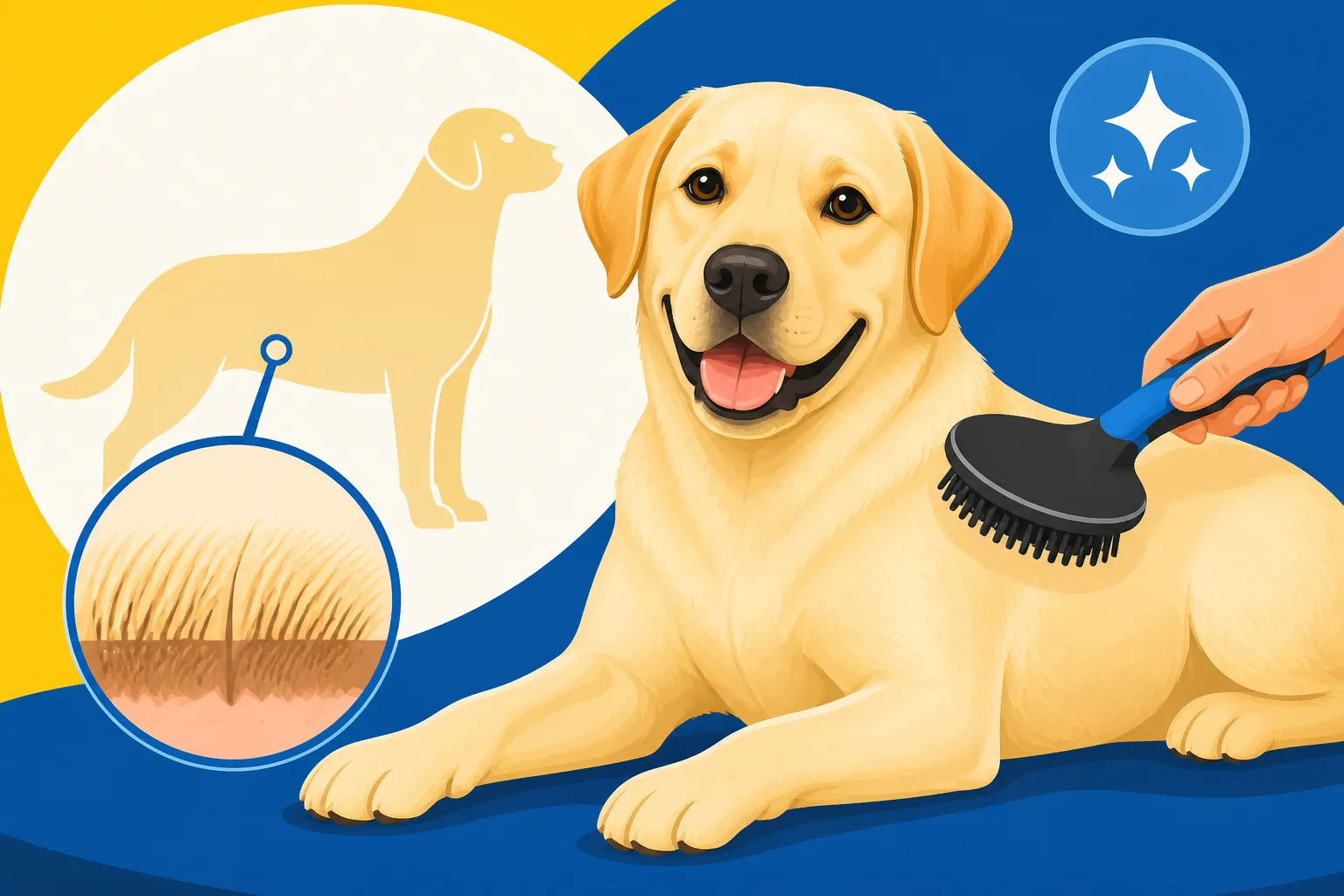
Grooming a Labrador’s Short Double Coat
Many Labrador owners look at their short-coated companions and mistakenly believe grooming will be easy, only to then face an endless tide of shedding. It's a common misconception that their short fur means minimal upkeep. The reality is, a Labrador's distinctive double coat, expertly designed for its retrieving heritage in harsh conditions, demands a dedicated grooming routine. If overlooked, this can lead to a perpetually hairy home, discomfort for your beloved companion, and even serious skin problems. This guide aims to thoroughly demystify Labrador grooming, providing you with actionable insights and detailed steps to ensure your Lab remains clean, healthy, and happy.
Understanding Your Labrador's Unique Double Coat
Before we dive into brushes and baths, it’s crucial to understand why your Labrador's coat is the way it is. It's not just "fur"; it's a marvel of natural engineering, perfectly adapted for swimming in icy waters and enduring dense undergrowth. This understanding will not only help you appreciate your Lab's heritage but also motivate you to commit to a consistent grooming regimen.
The Outer Guard Coat: Protection and Water Resistance
Imagine a finely woven, protective shield – that’s your Labrador’s outer coat. These coarser, slightly longer hairs are straight and dense, designed to repel water and shield your dog from thorns, brambles, and extreme temperatures. When your Labrador emerges from a swim, you’ll notice how water beads off this layer, often leaving their skin underneath surprisingly dry. This guard coat acts like a natural raincoat and armor, keeping them comfortable and safe while working or playing outdoors.
Without proper care, this outer coat can become matted, dirty, and lose its protective qualities. Dirt and debris can get trapped, creating uncomfortable hot spots or irritating their skin. Regular brushing helps to distribute the natural oils that keep this layer healthy and functional, ensuring it continues to do its job of keeping your Lab dry and protected, whether they're splashing in a pond or navigating a thorny trail. It also helps to prevent excessive shedding by removing loose hairs before they can accumulate and fall out all over your furniture.
The Soft, Insulating Undercoat: A Shedding Machine
Beneath that resilient outer layer lies the true engine of Labrador shedding: the soft, dense, and fluffy undercoat. This plush layer is incredibly important for insulation, trapping air close to your Lab's body to keep them warm in cold water and cold weather. It’s what makes your Labrador feel so wonderfully cuddly, but it's also the primary culprit behind those infamous "Labrador tumbleweeds" that seem to appear out of nowhere.
This undercoat sheds heavily, especially during seasonal changes – often referred to as "blowing coat." Twice a year, typically in spring and fall, your Labrador will shed profusely to make way for a new, seasonally appropriate undercoat. The spring shed prepares them for warmer weather by getting rid of their thick winter insulation, while the fall shed helps them grow a denser coat for the colder months. During these periods, you might feel like you're brushing out an entire second dog! It's an intense but natural process, and understanding it helps you prepare for the extra grooming effort required.
Why Your Labrador's Coat is Never Truly "Low-Maintenance"
Many people adopt Labradors thinking their short hair means less grooming than, say, a Golden Retriever or a fluffy doodle. This is a common and understandable mistake! While you won't be dealing with complicated clipping or elaborate styling, the sheer volume of shedding from that dense undercoat makes Labradors anything but low-maintenance in the grooming department. The short, stiff hairs also tend to weave themselves into carpets and upholstery with remarkable tenacity, making them harder to remove than longer, softer hairs.
Neglecting grooming leads to more than just a hairy house; it can impact your dog's health. A neglected undercoat can become packed and matted, especially in areas like behind the ears, under the legs, or around the tail. These mats can pull on the skin, causing pain and irritation. They also trap moisture and dirt, creating a perfect breeding ground for bacteria and yeast infections. Furthermore, excessive loose hair can prevent proper air circulation, making your Lab uncomfortable and potentially leading to overheating. Consistent grooming is a non-negotiable part of responsible Labrador ownership, ensuring their comfort, cleanliness, and overall well-being. Labrador Shedding and How to Manage It delves deeper into coping with this hairy reality.
Essential Grooming Tools for a Labrador Owner
Having the right tools is half the battle when it comes to managing a Labrador's double coat. Trying to tackle that dense undercoat with the wrong brush is like trying to rake leaves with a spoon – frustrating and ineffective. Investing in quality grooming supplies designed for double-coated breeds will save you time, effort, and keep your Lab much happier during grooming sessions.
Brushes That Conquer Labrador Hair
Not all brushes are created equal, and for a Labrador, you need specific types that can penetrate both layers of their coat. Forget flimsy plastic bristles; we're talking about serious hair-removal power here.
First, a good slicker brush is invaluable for the initial pass. Its fine, wire bristles are slightly bent and closely spaced, making it excellent for removing loose hair from the top coat and gently detangling any minor snags. Follow this with a rubber curry brush or a grooming mitt. These are fantastic for massaging the skin, stimulating circulation, and loosening dirt and dead hair from both the top coat and the undercoat. The rubber bristles are gentle yet effective, and many Labs actually enjoy the sensation. For everyday brushing and distributing natural oils, a natural bristle brush can be a good finishing tool, leaving the coat shiny and smooth.
Remember, the goal isn't just to make the coat look tidy but to actually remove the shedding undercoat. Using these brushes regularly, often starting with the slicker, then the curry, and finishing with a bristle brush, creates a comprehensive system for Brushing a Labrador's Coat effectively and thoroughly.
Shampoos and Conditioners for Sensitive Skin
Labradors, like many breeds, can be prone to sensitive skin or allergies, which can manifest as itchiness, redness, or a dull coat. Choosing the right shampoo and conditioner is crucial to maintain skin health and a lustrous coat. Avoid harsh detergents or human shampoos, as these can strip the natural oils from their skin, leading to dryness and irritation.
Look for dog-specific shampoos that are pH-balanced and formulated for sensitive skin. Oatmeal-based shampoos are often a great choice for soothing irritated skin, while some brands offer hypoallergenic formulas free from dyes and fragrances. If your Lab spends a lot of time swimming, a moisturizing shampoo is especially important to counteract any drying effects of chlorine or salt water. A good conditioner, applied after shampooing, will help restore moisture to the skin and coat, making it softer and more manageable, and reducing static. Always rinse thoroughly, as leftover shampoo residue can also cause skin irritation. Products from brands like Chewy often have a wide selection of specialized shampoos for various skin needs.
Deshedding Tools: Your Secret Weapon Against Tumbleweeds
While regular brushes are great, a dedicated deshedding tool is truly your secret weapon against the Labrador hair invasion, especially during coat-blowing season. These tools are designed with specific blades or teeth that reach deep into the undercoat to pull out loose, dead hair without damaging the healthy guard hairs.
The most popular and effective deshedding tools often feature a fine-toothed metal comb, sometimes with a button to release collected hair. When used correctly, these tools can remove an astonishing amount of undercoat in a single session, significantly reducing shedding around your home. However, it's important to use them gently and sparingly, typically no more than once or twice a week during heavy shedding periods, as over-brushing with these tools can irritate the skin or damage the coat. Always follow the manufacturer's instructions, and never press too hard. Deshedding Tools for a Labrador can provide more specific recommendations and usage tips. Regularly using these tools can make a noticeable difference in the amount of hair you find on your furniture and clothes, making life with a shedding Labrador much more manageable.
The Regular Grooming Routine: Keeping Your Lab Looking Sharp (and Less Hairy!)
Consistency is key when it comes to grooming your Labrador. It's far easier to maintain a clean, healthy coat with a regular routine than to try and fix problems after they've escalated. Think of it as preventative maintenance for their coat and skin.
Daily Brushing: A Few Minutes, Big Impact
Even outside of shedding season, a quick daily brush can make a world of difference. Spending just 5-10 minutes each day with a slicker or rubber curry brush helps to remove loose hair before it has a chance to settle into your carpet or furniture. This daily ritual also distributes natural oils throughout their coat, promoting a healthy shine and keeping their skin hydrated.
Beyond the practical benefits, daily brushing is a fantastic way to bond with your Labrador. Most Labs enjoy the attention and the gentle massage, turning grooming into a positive, relaxing experience. It also allows you to perform a quick "health check" – you'll notice any new lumps, bumps, skin irritations, or parasites much more quickly if you're regularly running your hands over their body. This early detection can be critical for addressing potential health issues before they become serious. Even if it's just a quick once-over, consistent daily brushing dramatically reduces the overall volume of shedding in your home and keeps their coat in top condition.
Bathing Your Labrador: How Often and How To
Labradors don't need frequent baths, but when they do, it's a bit of an event! Over-bathing can strip their coat of essential oils, making it dull and their skin dry. Generally, a bath every 4-8 weeks is sufficient, or when they've truly rolled in something unspeakable. If your Lab swims frequently in lakes or ponds, a quick rinse with plain water and thorough drying, especially of the ears, is often more beneficial than a full shampoo.
When it's bath time, gather all your supplies beforehand: dog shampoo, conditioner (if using), towels, and even some treats. A non-slip mat in the tub or shower can help your dog feel more secure. Use lukewarm water and thoroughly wet their entire coat before applying shampoo. Work the shampoo into a lather, paying attention to their belly, legs, and tail. Be mindful of getting soap in their eyes or ears. The most critical step is rinsing – rinse, and then rinse again, until you're absolutely sure all shampoo residue is gone. Any leftover product can cause irritation. Finish by towel-drying as much as possible, followed by air drying or using a pet-specific force dryer to remove excess water and help blow out loose undercoat. Detailed steps can be found in Bathing a Labrador Retriever.
Dealing with Seasonal "Coat Blows"
Twice a year, usually in spring and fall, Labradors undergo a phenomenon known as "blowing coat." This is when they shed their entire undercoat to adapt to the changing seasons, and it can feel like a never-ending blizzard of fur. During these periods, your regular brushing routine will need to intensify significantly.
You'll want to increase your daily brushing sessions, often using your deshedding tool every other day or a few times a week, combined with daily slicker and curry brushing. Be prepared to fill bag after bag with shed hair! This isn't just about keeping your house clean; it's vital for your Lab's comfort. A packed, dead undercoat prevents proper air circulation, making them prone to overheating in warmer weather. It also creates a barrier that can trap moisture against their skin, leading to skin infections. Patience and consistency are your best friends during these times. Consider doing your brushing sessions outdoors to contain the fur, and reward your Lab generously for their cooperation.
Beyond the Brush: Comprehensive Labrador Care
Grooming a Labrador extends beyond just their coat. Their nails, ears, and teeth also require regular attention to prevent discomfort, pain, and costly veterinary visits. Neglecting these areas is not only unhealthy but can significantly impact their quality of life.
Nail Trimming: Avoiding the Click-Clack Dance
Long nails are not just unsightly; they can be incredibly uncomfortable and even painful for your Labrador. When nails grow too long, they push up into the nail bed, putting pressure on the paw bones and altering your dog's gait. This can lead to joint problems, pain, and even infections. Ideally, you should trim your Labrador's nails regularly enough that you don't hear them clicking on hard floors as they walk.
The thought of trimming nails can be daunting for many owners, especially with black-nailed Labs where the quick (the sensitive blood vessel and nerve) isn't visible. Invest in sharp, good-quality nail clippers or a Dremel-style grinding tool. If you're new to it, ask your vet or a professional groomer for a demonstration. Start by trimming just the very tip, a little at a time, to avoid hitting the quick. If you do accidentally nick the quick, don't panic; have styptic powder on hand to stop the bleeding. The key is to make it a positive experience with lots of praise and treats. Little and often is better than waiting until they're painfully long. For more detailed guidance, see Nail Trimming a Labrador Who Resists.
Ear Cleaning: A Must for Water-Loving Labs
Labradors have floppy ears, which, combined with their love for swimming, makes them particularly susceptible to ear infections. The folded-over ear flap traps moisture and creates a warm, dark environment – perfect conditions for yeast and bacteria to flourish. Regular ear cleaning is not just about hygiene; it's a vital preventative health measure.
Aim to check your Lab's ears weekly, and clean them as needed, especially after swimming. Use a vet-approved ear cleaning solution and cotton balls or gauze – never cotton swabs, as these can push debris further into the ear canal or damage delicate structures. Gently squeeze the cleaner into the ear canal, massage the base of the ear for 20-30 seconds to loosen debris, and then let your Lab shake their head. Finally, wipe away any discharge or wax from the visible parts of the ear with a clean cotton ball. If you notice redness, swelling, a foul odor, excessive head shaking, or your dog pawing at their ears, it's time for a vet visit, as these are signs of an infection. Cleaning a Labrador's Ears After Water offers specific advice for post-swim care.
Dental Hygiene: Protecting Those Pearly Whites
Dental care is one of the most overlooked aspects of pet grooming, yet it's incredibly important for your Labrador's overall health. Just like humans, dogs can develop plaque, tartar, gum disease, and tooth decay. Poor dental health can lead to pain, tooth loss, and even systemic health issues, as bacteria from gum infections can enter the bloodstream and affect organs like the heart, kidneys, and liver.
Ideally, you should brush your Labrador's teeth daily using a dog-specific toothbrush and toothpaste (never human toothpaste, as it contains ingredients toxic to dogs). If daily brushing isn't feasible, aim for at least a few times a week. Start slowly, introducing the brush and paste as a positive experience. Dental chews and water additives can help, but they are generally not a substitute for brushing. Regular veterinary check-ups should include a dental examination, and your vet might recommend professional dental cleanings under anesthesia when necessary. Investing in your Lab's dental health can prevent significant pain and expense down the line. Learn more about at-home care in Labrador Dental Care at Home.
Common Labrador Coat and Skin Issues
Even with the best intentions and a consistent grooming routine, Labradors can sometimes encounter specific coat and skin issues. Recognizing the signs and understanding how to address them quickly is crucial for their comfort and health.
Hot Spots and Allergies
Few things are as frustrating for a Labrador owner as a sudden "hot spot" – acute moist dermatitis. These are rapidly developing, painful, red, oozing skin lesions that often appear seemingly overnight. They typically occur when a dog incessantly licks, chews, or scratches an area due to underlying irritation, turning a minor itch into a severe infection. Common triggers include flea bites, allergies (environmental or food-related), ear infections, or even excessive moisture trapped in the coat.
Dealing with a hot spot usually requires veterinary attention, as they often need antibiotics and anti-inflammatory medication. At home, you can help by gently cleaning the area and preventing your dog from further irritating it, perhaps with an Elizabethan collar. However, the key is to identify and address the root cause. If your Labrador frequently develops hot spots, it's essential to investigate potential allergies. This might involve working with your vet on dietary changes or environmental controls. Hot Spots and Allergies in Labradors provides more in-depth advice on prevention and treatment.
Dry, Flaky Skin and Dull Coat
A Labrador's coat should ideally be shiny, smooth, and resilient. If you notice your Lab has a dull, dry, brittle coat, or if their skin is flaky and itchy, it's a clear sign that something is amiss. This could be due to a variety of factors, ranging from mild to more serious.
Common culprits include inadequate nutrition (a diet lacking essential fatty acids, for instance), over-bathing with harsh shampoos, dry indoor air (especially in winter), or underlying health conditions like hypothyroidism. Sometimes, simply switching to a high-quality dog food rich in omega-3 and omega-6 fatty acids, or adding a supplement like fish oil (easily found on Amazon or Chewy), can significantly improve coat health. Ensuring proper hydration is also vital; always make sure your Lab has access to fresh, clean water. If the problem persists despite these changes, a veterinary check-up is warranted to rule out medical issues or discuss specific solutions for Signs a Labrador Has a Food Allergy or other dermatological problems.
Parasite Prevention and Inspection
Parasites like fleas, ticks, and mites are not just an annoyance; they can cause intense itching, skin irritation, allergic reactions, and even transmit diseases. A regular grooming routine, especially brushing, offers a perfect opportunity to inspect your Labrador for these unwelcome guests.
As you brush, part your Lab's fur and look closely at their skin. Pay particular attention to areas like the armpits, groin, behind the ears, and around the tail base. Look for tiny dark specks (flea dirt, which is flea feces), live fleas scurrying away, or engorged ticks. If you find fleas, you'll need to treat your dog, your home, and potentially your yard. Ticks should be carefully removed with tweezers, grasping them as close to the skin as possible and pulling straight out.
The best approach to parasites is prevention. Talk to your veterinarian about appropriate year-round flea, tick, and heartworm prevention tailored to your climate and your Labrador's lifestyle. There are many effective topical treatments, oral medications, and collars available. Consistent prevention not only protects your Labrador but also helps keep your home free of these pests.
Debunking Labrador Grooming Myths
There are quite a few misconceptions swirling around about Labrador grooming. Let's clear up some common myths to ensure you're providing the best, most informed care for your furry friend.
The Truth About Shaving a Labrador
This is perhaps the most persistent and damaging myth: that shaving a Labrador in summer will keep them cooler. The truth is, you should never shave a Labrador's double coat. Their coat is not just for warmth; it's a crucial part of their thermoregulation system.
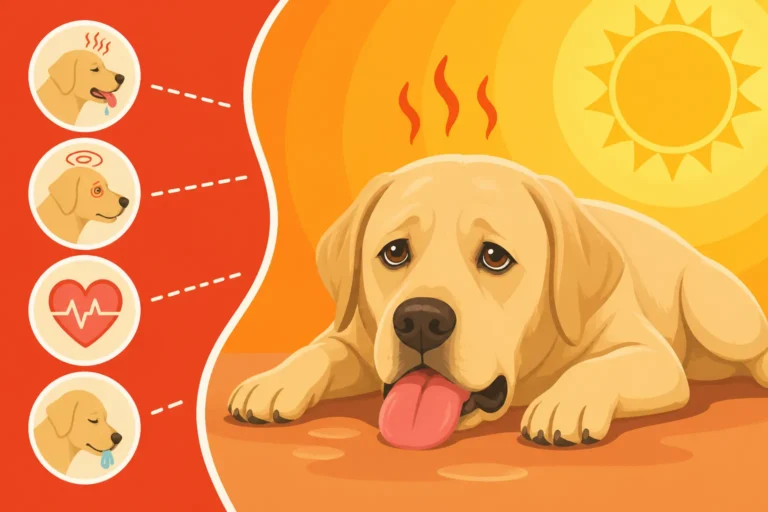
That dense undercoat acts as an insulator, not only keeping them warm in winter but also protecting them from excessive heat and sunburn in summer. It creates an air barrier that helps regulate their body temperature. Shaving it off removes this natural insulation, exposing their delicate skin to harmful UV rays, making them more susceptible to sunburn and heatstroke, not less. It can also disrupt the natural growth cycle of their coat, leading to patchiness, slower regrowth, and an altered texture – sometimes referred to as "clipper alopecia." Instead of shaving, focus on regular deshedding to remove dead undercoat, provide plenty of shade and water, and engage in exercise during cooler parts of the day to keep them comfortable in the heat. Why You Never Shave a Labrador offers more detail on this critical point.
Are "Hypoallergenic" Labradors Real?
Another common desire, especially for allergy sufferers, is to find a "hypoallergenic" dog. While some breeds are marketed as such, the concept of a truly hypoallergenic dog, including Labradors, is largely a myth. Allergies to dogs are typically triggered by dander (microscopic flakes of skin), saliva, and urine, not just the hair itself. All dogs, including Labradors, produce dander.
While Labradors do have a short coat, they are profuse shedders, especially of their dander-laden undercoat. This means they can still trigger significant allergic reactions in sensitive individuals. Breeds often considered "hypoallergenic" tend to be those that shed very little, meaning less dander is released into the environment. If you or a family member has dog allergies, spending time with a Labrador before committing to ownership is vital. Focus on managing dander through rigorous cleaning, air purifiers, and regular grooming (which still releases dander, but keeps it from accumulating as much). Unfortunately, a "hypoallergenic Labrador" is not a reality. For further reading, check out Whether Labradors Are Hypoallergenic.
Professional Grooming vs. DIY: When to Splurge
Many Labrador owners successfully manage all their dog's grooming needs at home. However, there are times when a professional groomer can be a valuable asset. DIY grooming is certainly more budget-friendly and allows for constant bonding. You have full control over the products used and the pace of the session.
A professional groomer, on the other hand, has specialized tools (like high-velocity dryers that excel at blowing out undercoat), expertise, and often the physical setup to handle large, wet dogs efficiently. They can tackle stubborn mats, provide expert nail trims (especially for resistant dogs), and sometimes spot skin issues you might miss. Consider a professional groom for a thorough "deshedding treatment" during peak shedding seasons to significantly reduce hair around your home, or if you're struggling with a particular grooming task, like nail trims. They can also provide a "bath and tidy" service, which includes a good wash, blow-dry, brush-out, and nail trim. Ultimately, the decision depends on your comfort level, your Labrador's temperament, and your budget, but even a semi-regular professional visit can complement your at-home routine beautifully.
Making Grooming a Positive Experience for Your Labrador
Grooming doesn't have to be a battle. With patience, positive reinforcement, and a thoughtful approach, you can transform grooming sessions into enjoyable bonding time for both you and your Labrador. A calm, cooperative dog makes the process easier for everyone.
Starting Early: Puppy Grooming Socialization
The single best thing you can do to ensure a lifetime of easy grooming is to start early, during puppyhood. Introduce your Labrador puppy to grooming tools and procedures gradually and positively. Let them sniff the brush, touch it to their body briefly, and then offer a treat and praise. Don't try to complete a full groom initially; focus on short, positive exposures.
Hold their paws, gently touch their ears, lift their tail, and examine their mouth. Accustom them to the feel of a soft brush, the sound of nail clippers (even if you're just clipping a piece of pasta initially), and the sensation of being held and handled. Make every interaction a positive one with plenty of high-value treats and encouraging words. This early socialization teaches your puppy that grooming is nothing to fear and can even be enjoyable. A Labrador puppy that's comfortable with being handled will be much easier to groom as a strong, adult dog. Consider exploring Labrador Puppy Health in the First Year for more insights into early care and socialization.
Positive Reinforcement and Patience
Whether you have a puppy or an adult Labrador who's not keen on grooming, positive reinforcement is your most powerful tool. This means rewarding desired behaviors, no matter how small. For example, if your dog tolerates one paw being touched, give a treat. If they stand still for a few brush strokes, praise and reward. Break down grooming tasks into tiny, manageable steps.
Patience is equally crucial. Never force your Labrador into a grooming situation they are clearly distressed by. If they're struggling, take a break. Push too hard, and you risk creating a negative association that will make future sessions even more difficult. Short, frequent sessions are often more effective than long, arduous ones. The goal is to build trust and make grooming a predictable, comfortable routine. Keep your tone of voice calm and reassuring, even if you're feeling frustrated. Consistency with positive reinforcement will gradually build your Lab's confidence and cooperation.
Recognising Stress Signals and Taking Breaks
Learning to read your Labrador's body language is vital during grooming. Dogs communicate their discomfort in subtle ways, and recognizing these signals allows you to adjust your approach before they become truly stressed or reactive. Look for signs like:
- Lip licking or yawning: Often displacement behaviors, indicating mild stress.
- Head turning away or averting gaze: Your dog trying to disengage.
- Tense body posture, stiff tail: A sign of discomfort or anxiety.
- Whining or low growls: A clear vocal warning.
- Paw lifting or trying to move away: A physical attempt to escape the situation.
If you see these signals, take a break. Stop what you're doing, allow your Lab to relax, offer comfort, and maybe restart with a simpler task or end the session if they're particularly overwhelmed. Pushing past these signals can lead to a dog who becomes fearful of grooming, making future attempts much harder and potentially leading to defensive behaviors. Respecting their signals fosters trust and ensures grooming remains a positive, cooperative experience. Sometimes, a short break to play a quick game of fetch with a favorite Ollie treat can reset the mood and allow you to return to grooming with a calmer dog.
| Grooming Tool | Primary Use | Best For | Frequency |
|---|---|---|---|
| Slicker Brush | Removing loose hair, minor detangling | Top coat, overall brush | Daily |
| Rubber Curry Brush | Loosening dirt, dead undercoat, massage | All coat types, especially short-haired Labs | Daily |
| Deshedding Tool | Deep undercoat removal | Heavy shedding seasons (coat blow) | 1-3 times/week during shedding peaks |
| Bristle Brush | Distributing oils, finishing shine | All coat types, final step | Daily |
| Nail Clippers/Grinder | Trimming nails | All Labradors | Weekly-Bi-weekly (as needed) |
| Ear Cleaner | Cleaning ear canal, preventing infections | All Labradors, especially swimmers | Weekly or after swimming |
| Dog Toothbrush/Paste | Brushing teeth, preventing dental disease | All Labradors | Daily-Few times/week |
| Dog Shampoo | Cleaning coat, addressing skin issues | All Labradors | Every 4-8 weeks or when dirty |
| Dog Conditioner | Moisturizing skin and coat | All Labradors | With shampoo or as needed for dry skin |
Disclaimer
This article is for general informational purposes only and does not constitute professional advice. Laws, prices and regulations vary by location and change over time. Consult a qualified professional for guidance on your specific situation.