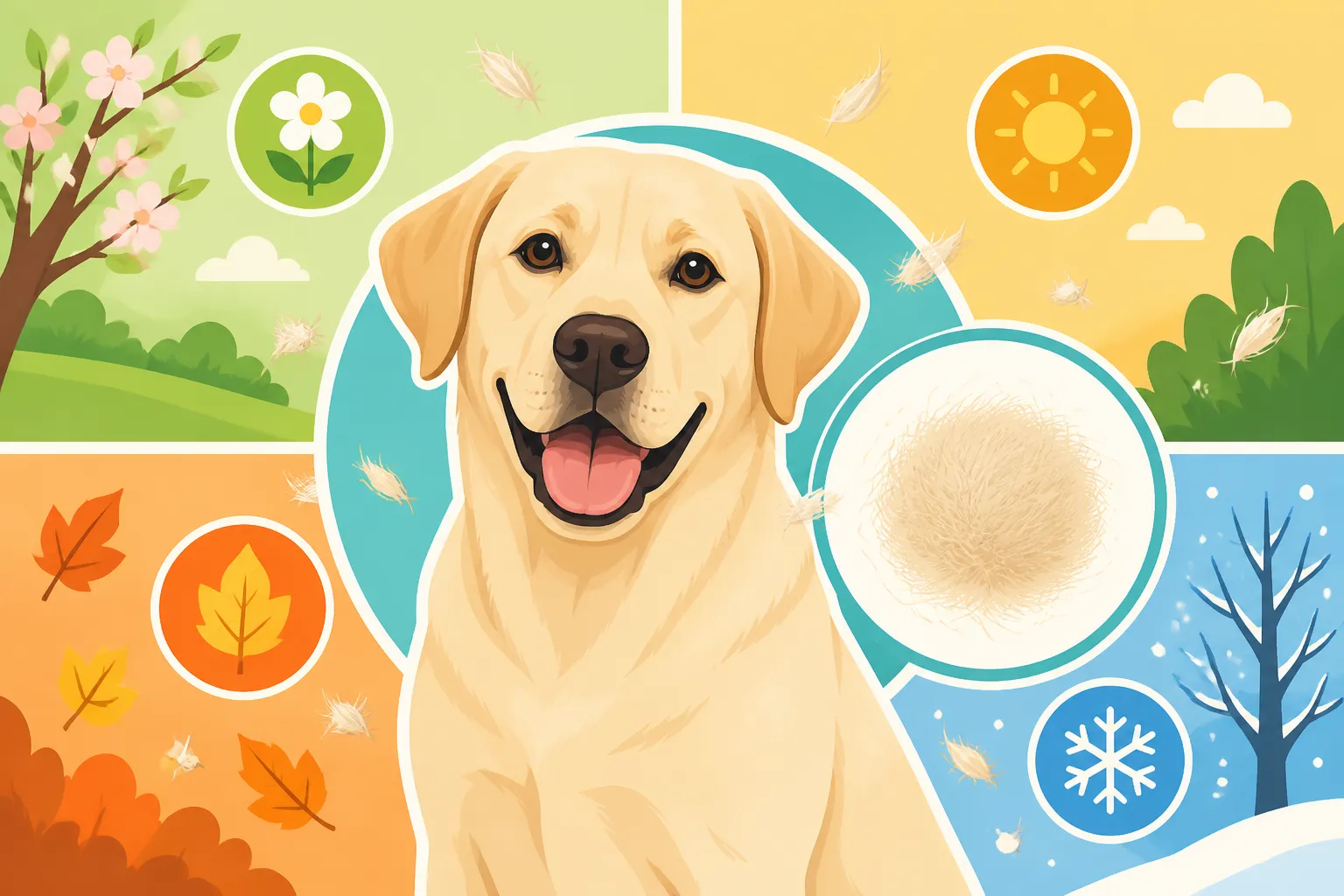
How Much a Labrador Sheds Year Round
If you're a Labrador owner, you've probably wondered if the constant snowfall of fur in your home is actually normal. It feels like no matter how much you vacuum, brush, or bathe your beloved companion, there's always more hair. The truth is, Labradors are renowned for their shedding, and it's a year-round affair, punctuated by more intense seasonal "coat blows." This guide will break down why your Labrador sheds so much, what those seasonal events really mean, and most importantly, how to manage the furry fallout.
The Marvel of the Labrador Double Coat and Why It Sheds
To truly understand why your Labrador seems to be in a perpetual state of shedding, we need to talk about their coat. Labradors aren't like some other breeds with a single layer of hair; they boast a magnificent, water-resistant double coat that's perfectly evolved for their original purpose as retrieving dogs in icy waters. This coat is their pride and joy, but it also happens to be the source of all that lovely fur you find on your couch, clothes, and practically everywhere else.
Understanding the Two Layers
Imagine a cozy, insulated jacket with a tough, protective outer shell. That's essentially your Labrador's coat.
- The Outer Guard Hairs: These are the longer, coarser hairs that you see on the surface. They are straight and stiff, designed to repel water and protect your dog from thorns, branches, and harsh weather. Think of them as the rain slicker and armor all in one. These guard hairs shed less frequently, but they do shed, contributing to the overall hair volume. They're what gives your Labrador that characteristic sleek, yet substantial, appearance.
- The Dense Undercoat: This is the real culprit behind the majority of the shedding. Hidden beneath the guard hairs, the undercoat is soft, fluffy, and incredibly dense. Its primary job is to provide insulation, keeping your Labrador warm in cold water and cold weather. It's like having a built-in down jacket. Because its density changes with the seasons, this undercoat is constantly being replaced, leading to a significant amount of loose hair.
The Purpose Behind the Shedding
This isn't just a design flaw; it's an evolutionary masterpiece. A Labrador's coat needs to adapt to changing temperatures. In colder months, they need a thick, insulating undercoat to stay warm, especially if they're out working or playing in the elements. As the weather warms up, that thick undercoat becomes a liability, trapping heat and making them uncomfortable. So, nature's solution is to shed it and grow a lighter coat for summer. The reverse happens in the fall.
Even outside of these major seasonal changes, individual hair follicles are always going through growth, resting, and shedding phases. Just like humans lose strands of hair every day, so too does your Labrador, even if you don't notice it as much as the big "blows." This constant turnover ensures healthy skin and a functional coat, but it also means there's no such thing as a "non-shedding" Labrador. It's simply not in their nature or their genetics.
Seasonal Shedding: The Dreaded "Coat Blow"
While Labradors do shed year-round, there are two distinct periods when the shedding escalates dramatically. These are often referred to as "coat blows" or "seasonal sheds," and if you've experienced one, you know exactly what I'm talking about. It can feel like your dog is actively disintegrating into a pile of fur right before your eyes.
Spring Cleaning: Out With the Winter Coat
As winter gives way to spring, and the days grow longer and warmer, your Labrador will start to shed their thick winter undercoat. This is usually the most intense shedding period of the year. The heavy, insulating hairs that kept them toasty during the colder months are no longer needed, and their body signals it's time to let them go. You'll notice much more fur coming out during brushing sessions, and you might even start to see small clumps of hair around the house.
During this time, brushing is absolutely crucial, not just for your sanity but for your Labrador's comfort. If that old undercoat isn't removed, it can mat, trap dirt, and even lead to skin irritation. It’s like trying to wear a heavy winter coat in the middle of summer – it's just plain uncomfortable. This spring shed can last several weeks, and it’s often when owners feel most overwhelmed by the sheer volume of fur. It's not uncommon to fill multiple grocery bags with fur during this period.
Fall Refresh: Preparing for Winter
The second, though often slightly less dramatic, coat blow occurs in the fall. As the temperatures begin to drop and the days shorten, your Labrador's body prepares for the upcoming colder months by shedding their lighter summer undercoat and growing in a new, denser winter coat. While it might not seem as extreme as the spring shed (because they aren't shedding a heavy coat, but rather replacing a lighter one with a heavier one), it's still a noticeable increase in shedding.
This fall shedding phase is just as important for coat health. It ensures that the new, insulating undercoat can grow in properly, providing optimal protection for winter. Consistent grooming during this period helps remove the old, dead hair and stimulates the new growth. Don't underestimate the need for regular brushing, even if you don't see the same "fur avalanches" you might experience in spring.
Factors Influencing Seasonal Shedding
While genetics and natural light cycles are the primary drivers of seasonal shedding, other factors can play a role:
- Indoor Climate: If your home is kept at a very consistent temperature year-round, with artificial lighting, it might slightly dampen the extreme seasonal shifts in shedding. However, it won't eliminate them entirely. Their bodies still respond to subtle changes in daylight hours and even humidity.
- Nutrition: A high-quality diet that supports skin and coat health can't stop shedding, but it can ensure the hairs are healthy and strong, potentially reducing excessive breakage. A Labrador on a diet that is lacking in essential fatty acids or protein might have a duller coat and shed more brittle hair. Protein Percentage That Suits a Labrador is an important read on this.
- Health: Underlying health issues, stress, allergies, or parasites can sometimes exacerbate shedding. If your Labrador's shedding seems unusually patchy, causes skin irritation, or is accompanied by other symptoms, a vet visit is always a good idea. Sometimes what looks like shedding is actually a sign of Labrador Ear and Skin Disease.
Year-Round Shedding: The Daily Reality
Beyond the epic seasonal coat blows, every Labrador owner lives with the daily truth: Labradors shed every single day. This isn't just something that happens twice a year; it's a constant, ongoing process that's part of living with this wonderful breed. If you're hoping for a pet that leaves no hair behind, a Labrador might not be the right fit!
The Normal Hair Cycle
Just like our own hair, each individual hair on your Labrador's body goes through a lifecycle:
- Anagen (Growth Phase): The hair is actively growing from the follicle.
- Catagen (Transition Phase): Growth slows, and the follicle shrinks.
- Telogen (Resting Phase): The hair is fully formed but not actively growing. It remains in the follicle.
- Exogen (Shedding Phase): The old hair is released from the follicle, often pushed out by a new growing hair.
Because Labradors have such dense coats, and because their hair cycle is relatively short, there are always hairs in the exogen phase. This means that even on a "good" day, you'll find Labrador hair. It might not be the dramatic tumbleweeds of the spring blow, but it's enough to necessitate regular cleaning and grooming routines.
What Does "Normal" Daily Shedding Look Like?
Normal daily shedding can vary a bit from one Labrador to another. Some may shed slightly more, some slightly less, but generally, you can expect to find:
- Hair on your clothes: A quick cuddle or even walking past your Labrador can result in a dusting of fur on your dark clothing.
- Hair on furniture: Your favorite armchair, the sofa, their dog bed – all will be adorned with a fine layer of Labrador hair.
- Hair on floors: Especially in areas where your Labrador likes to lie down or rub against things, you'll spot small clumps or individual hairs.
- Hair in corners: The infamous "fur tumbleweeds" that gather in the hidden corners of your home are a testament to daily shedding.
It’s just part of the package! Embracing it means having the right tools and strategies in place to manage it, rather than constantly fighting a losing battle. Understanding this constant cycle helps set realistic expectations for pet ownership.
Managing Labrador Shedding: Practical Strategies for a Furry Home
Okay, so we've established that Labradors shed a lot, year-round, with peak "coat blows." The good news is that while you can't stop it entirely, you can absolutely manage it effectively. A consistent routine and the right tools make all the difference in keeping your home (and yourself) from being completely overwhelmed by fur.
The Power of Regular Brushing
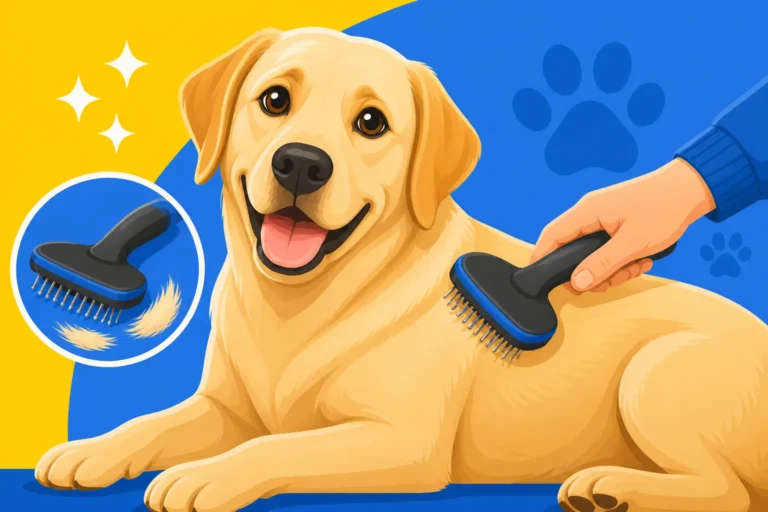
This is, hands down, your most effective weapon against Labrador shedding. Regular brushing removes loose, dead hair before it has a chance to fall out around your home.
- Daily Brushing (especially during coat blows): During the intense spring and fall sheds, try to brush your Labrador daily. Even 10-15 minutes can make a massive difference. You'll be amazed at how much fur you can remove.
- Weekly Brushing (year-round): Outside of the seasonal blows, aim for a thorough brushing session at least 2-3 times a week. This keeps the daily shedding manageable and prevents matting in the undercoat.
- The Right Tools:
- Deshedding Tools: Products designed specifically for deshedding, like certain brands available on Amazon or Chewy, can reach deep into the undercoat to remove loose fur without damaging the guard hairs. Use these carefully and don't overdo it, as excessive use can irritate the skin.
- Rubber Curry Brushes: These are fantastic for daily grooming, especially for short-coated breeds like Labradors. They gently massage the skin, stimulate natural oils for a healthy coat, and collect loose fur. Plus, many dogs love the feeling! Which Brush Works on a Labrador Coat dives into more detail.
- Slicker Brushes: While not primarily for deshedding, a slicker brush can help smooth the top coat and remove some loose hairs.
- Grooming Gloves: These are also great for a quick daily rub-down, especially if your Labrador isn't a fan of traditional brushes. They make grooming feel more like petting.
Regular brushing also gives you a chance to check your Labrador's skin for any issues like lumps, bumps, or parasites.
Strategic Bathing
While too-frequent bathing can strip your Labrador's coat of its natural oils, a well-timed bath can help release a lot of loose undercoat, particularly during shedding seasons.
- Don't Overdo It: A Labrador typically doesn't need to be bathed more than once a month, or even every 2-3 months, unless they've rolled in something particularly smelly.
- Deshedding Shampoos and Conditioners: There are specialty shampoos and conditioners formulated to help release undercoat during a bath.
- Thorough Rinsing: Make sure to rinse all shampoo out completely to prevent skin irritation.
- Drying is Key: A damp undercoat can become a breeding ground for bacteria and odors. Use super absorbent towels, and if your dog tolerates it, a high-velocity pet dryer can work wonders to blast out loose fur and ensure the undercoat is fully dry.
Nutrition for a Healthy Coat
A healthy coat starts from the inside out. While diet won't stop shedding, it can certainly contribute to a healthy coat that sheds healthy hair.
- High-Quality Dog Food: Ensure your Labrador is on a balanced, high-quality dog food appropriate for their life stage. Look for foods with good sources of protein and healthy fats. You might explore fresh food options like those from Ollie, or reputable kibble brands available on Chewy, ensuring they contain essential fatty acids. Choosing Dog Food for a Labrador Retriever offers more insights here.
- Omega Fatty Acids: Supplements containing Omega-3 and Omega-6 fatty acids (like fish oil) can support skin and coat health, leading to a shinier coat and potentially less brittle hair. Discuss any supplements with your vet first.
Home Management Techniques
Even with all the brushing, some fur will inevitably make its way into your living space.
- Vacuum, Vacuum, Vacuum: Invest in a good quality vacuum cleaner designed for pet hair. Regular vacuuming (daily during heavy shedding, every few days normally) is essential.
- Furniture Covers: Washable slipcovers or dedicated pet blankets can protect your furniture and make cleanup much easier.
- Lint Rollers: Keep them handy for your clothes before you head out the door.
- Designated Dog Areas: If possible, create specific, easily cleanable areas where your Labrador spends most of their time, reducing hair spread. Keeping Labrador Hair Off the Furniture gives more ideas.
Here's a quick overview of shedding intensity and management:
| Shedding Period | Intensity | Primary Cause | Management Focus |
|---|---|---|---|
| Spring | High (Blow) | Shedding heavy winter undercoat | Daily brushing with deshedding tools, strategic bathing. |
| Summer | Moderate | Daily hair turnover, lighter undercoat | Regular brushing (2-3x/week), light grooming. |
| Fall | Medium (Blow) | Shedding summer undercoat, growing winter coat | Frequent brushing, ensure new coat grows in healthy. |
| Winter | Low-Moderate | Daily hair turnover, dense winter undercoat | Regular brushing (2-3x/week), coat health maintenance. |
| Year-Round | Constant | Natural hair cycle, environmental factors | Consistent grooming routine, home cleaning. |
By understanding the nature of your Labrador's magnificent, functional double coat, and by committing to a consistent grooming and cleaning routine, you can keep the fur under control and enjoy all the love and companionship your Labrador has to offer, without feeling like you live in a perpetual snow globe. It's a small price to pay for such an amazing family member!
Disclaimer
This article is for general informational purposes only and does not constitute professional advice. Laws, prices and regulations vary by location and change over time. Consult a qualified professional for guidance on your specific situation.