What a Soft Mouth Meant on a Fishing Boat
If you've ever watched a Labrador gently pick up a tiny toy, carry an egg without cracking it, or delicately take a treat from your fingers, you're witnessing a legacy. This remarkable gentleness with their mouths isn't just a charming quirk; it's a deeply ingrained trait that harks back to their earliest working days on the rough, unforgiving fishing boats of Newfoundland. Understanding this "soft mouth" is key to appreciating the very essence of your Labrador, and in this guide, we'll dive into what made this trait so vital, and how it continues to shape our beloved companions today.
The Labrador's Maritime Origins
Long before they were the well-loved family pets and hunting companions we know today, the ancestors of the Labrador Retriever were hardy working dogs on the coasts of Newfoundland. These dogs, often referred to as St. John's Water Dogs, were indispensable partners to local fishermen, braving icy waters and harsh conditions to help secure a livelihood. Their very existence depended on their utility, and every trait, including their mouth, was honed by necessity.
Life as a St. John's Water Dog
Imagine a small fishing village in the 1800s, battered by Atlantic gales, where every ounce of effort counts towards survival. Fishermen would spend long hours on the treacherous seas, casting nets and lines for cod and other fish. When fish slipped from the net, or lines broke, or even when small items fell overboard, these dogs were the retrievers. They weren't just fetching; they were retrieving valuable sustenance and essential tools. The waters were frigid, and the work was constant and demanding. A dog that could not perform its duties reliably, efficiently, and without damaging the catch, would simply not have been kept. This was a pragmatic relationship, not one built on sentimentality alone.
The St. John's Water Dogs were expected to plunge into the icy ocean, often swimming considerable distances, and return with whatever was lost or needed. This could be a floating fishing line, a piece of equipment, or, crucially, a fish that had escaped the net. The ability to retrieve these items without biting too hard or damaging them was paramount. A fish ruined by tooth marks was less valuable, or even worthless, to a fisherman trying to feed his family or make a living. This daily grind, generation after generation, forged the soft mouth into a defining characteristic of the breed. For more on their ancestry, check out The St. John's Water Dog Behind the Labrador.
A Dog Built for the Water
Beyond the unique mouth, the St. John's Water Dog, and consequently the Labrador, developed a whole suite of physical adaptations perfectly suited for their aquatic work. Their double coat, for instance, is famously dense and water-resistant. The coarser outer layer protects against thorns and ice, while the soft, insulating undercoat keeps them warm in freezing water, much like a wetsuit. You can almost feel the texture when you pet your own Labrador, and imagine how that felt after a plunge into the North Atlantic.
Their "otter tail" – thick at the base and tapering to a point – acted like a rudder, helping them navigate swiftly through strong currents. And let's not forget their webbed feet, a trait that makes them incredibly efficient swimmers, propelling them through the water with powerful strokes. These physical attributes, combined with their unwavering eagerness to please and incredible stamina, made them the perfect maritime partners. The entirety of their physique was geared towards retrieving in water, from their resilient coat to their powerful swimming ability. It's fascinating to consider Labrador Webbed Feet and Swimming and how those paws truly enhance their capabilities.
Understanding the "Soft Mouth" Trait
The term "soft mouth" is often tossed around when discussing Labradors, but what does it truly mean? It's far more nuanced than just "not biting hard." It's a testament to the breed's historical role and a critical element of their temperament.
More Than Just a Gentle Bite
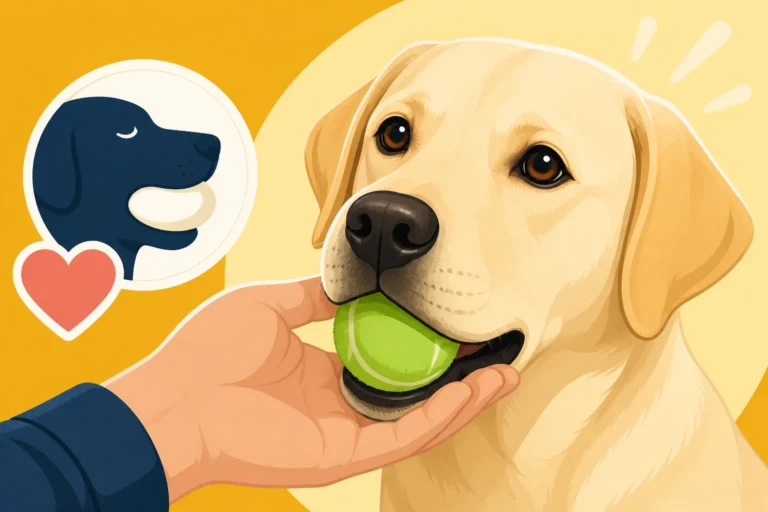
A Labrador's soft mouth is about precision, control, and an inherent understanding of how much pressure to apply. It means they can carry delicate objects – think an uncracked egg, a small bird, or a delicate piece of clothing – without leaving a mark. It's not a lack of strength; Labradors have incredibly powerful jaws. Instead, it's a highly refined instinct and control over that strength. This is a crucial distinction. It's not that they can't bite hard; it's that they are bred and instinctively driven not to, especially when retrieving.
Consider the contrast with a breed not bred for retrieving live game or delicate items. A dog with a "hard mouth" might inadvertently crush or puncture what it retrieves, rendering it useless for its handler. For the early fishermen, and later for hunters, this difference was everything. It literally meant the difference between a successful retrieval and a ruined catch. This nuanced control is a hallmark of the breed's intelligence and their specialized utility, and it's something breeders still strive to maintain today.
| Trait Aspect | Soft Mouth | Hard Mouth |
|---|---|---|
| Pressure Control | Highly refined; applies minimal necessary pressure | Less control; tends to grip tightly |
| Intent | Retrieve and deliver intact | Retrieve, potentially damaging in the process |
| Historical Value | Preserved catch/game, undamaged gear | Damaged catch/game, potential for broken items |
| Modern Manifest. | Gentle with toys, people, delicate items | Might chew or break items when retrieving/carrying |
Practical Applications on the Fishing Boat
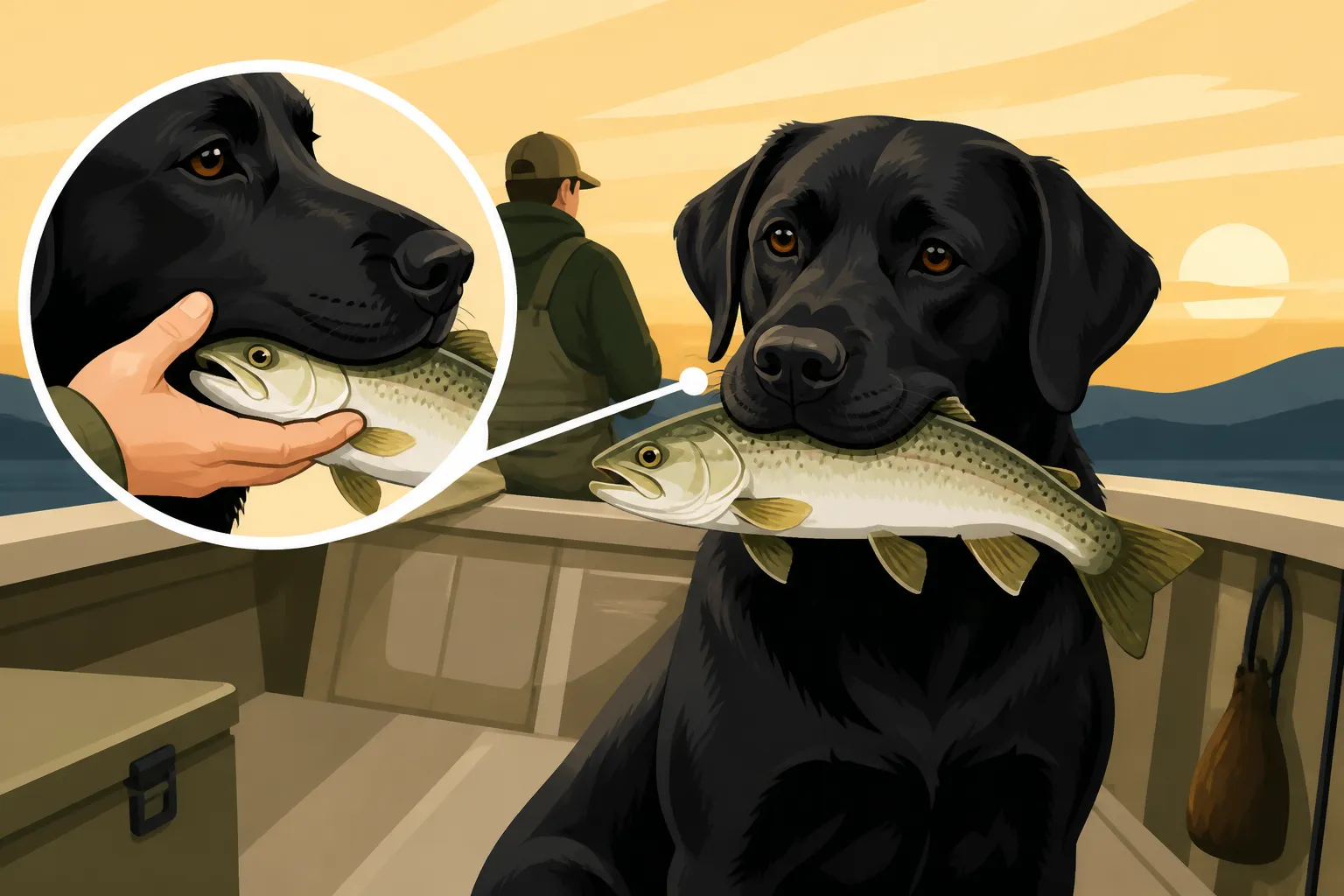
On those fishing boats, the soft mouth wasn't a luxury; it was a core job requirement. Imagine a fisherman grappling with a large, slippery cod. If it flopped overboard, he needed his dog to retrieve it, but not to damage the flesh with its teeth. A soft-mouthed Labrador could gently grab the fish, swim back to the boat, and deliver it intact, ready for market. This was an economic necessity. The same applied to nets. Fishing nets, especially in those days, were expensive and critical tools. A dog with a hard mouth could easily snag and tear a net, leading to costly repairs and lost fishing time.
Furthermore, small tools, lines, or even gloves could be lost to the waves. A Labrador was expected to retrieve these items carefully, not just getting them back, but ensuring they were still usable. This consistent demand for careful retrieval solidified the soft mouth as a genetic and behavioral trait. It’s a vivid example of how generations of selective breeding, driven by pure necessity, shaped a breed's most iconic characteristics. To truly appreciate their heritage, think about How Fishermen Used Labrador Ancestors and the daily tasks they performed.
Why a Soft Mouth is Still Valued Today
While most Labradors aren't working on fishing boats anymore, the soft mouth trait remains incredibly important. It's a cornerstone of their utility in various modern roles and a beloved aspect of their personality as family pets.
From Fish to Fowl: The Gundog Connection
When Labradors made their way from the fishing villages of Newfoundland to the hunting estates of Britain, their soft mouth was immediately recognized as an invaluable asset for retrieving game birds. A hunter wants a bird delivered to hand in pristine condition, not mangled or punctured. Imagine a prized pheasant shot during a hunt; a hard-mouthed dog could easily ruin it. The Labrador, with its gentle retrieve, ensures the game is fit for the table or taxidermy. This gentle grip is why they became, and remain, one of the most popular gundog breeds in the world.
This transition from retrieving fish to retrieving fowl was seamless precisely because the core skill — the soft mouth — was already perfectly developed. It's a testament to the versatility and inherent working drive of the breed. This capacity for delicate retrieval is something that skilled gundog trainers spend countless hours refining, building upon that natural instinct. If you're interested in this aspect, consider exploring Gundog Training Costs for a Field Labrador as it ties directly into preserving and enhancing this vital trait.
The Soft Mouth in Our Homes
Even if your Labrador's biggest job is retrieving a slobbery tennis ball or a rogue sock, that soft mouth instinct is still very much alive. You'll see it in how they carry their favorite toys, sometimes parading around with a treasured plushie without ever tearing it apart (well, most of the time!). My own Labrador, Copper, will often bring me his leash when he wants to go for a walk, holding it so gently in his mouth as if it were spun glass. It's truly one of their most endearing qualities.
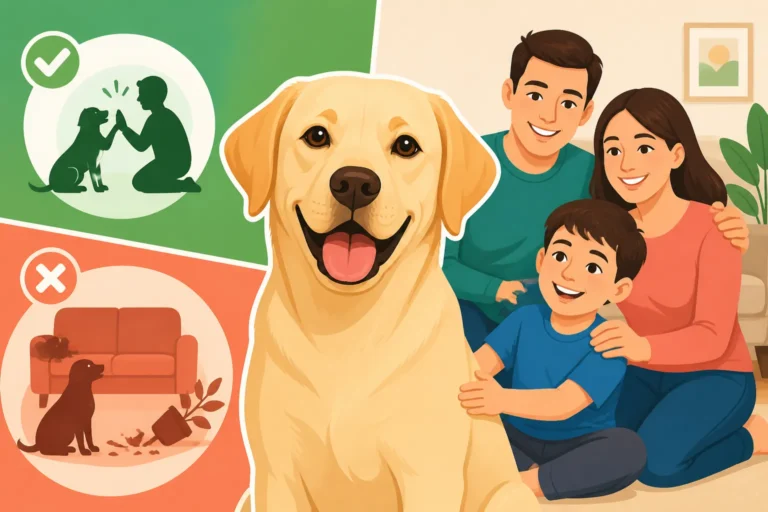
This trait also contributes to their reputation as wonderful family dogs. Their natural gentleness with their mouths makes them safer around children and other pets. A Labrador learning to play will often "mouth" rather than bite, and with proper guidance, they learn to control even this soft pressure. It's a crucial part of why they're such empathetic and careful companions. Many Labradors even develop the habit of bringing "gifts" to their owners – a shoe, a remote control, or a misplaced wallet, all delivered with that characteristic soft touch. This endearing habit often stems from Why Labradors Carry Things in Their Mouths.
Nurturing Your Labrador's Soft Mouth Instinct
While the soft mouth is an innate trait in Labradors, it can still be encouraged and reinforced through positive training and appropriate outlets. It's about channeling their natural instincts in constructive ways that benefit both you and your dog.
Encouraging Gentle Play
You can absolutely play to your Labrador's natural soft mouth instinct. Start by offering appropriate retrieving toys – soft plush toys, rubber fetch toys, or even specific training dummies. When they bring a toy back, praise them enthusiastically and offer a treat, reinforcing the act of delivery. Games like "fetch" or "retrieve" are perfect for this. When they drop the item, use a positive marker word like "yes!" or a clicker, followed by the reward. This teaches them that letting go of the item gently is what you want.
Avoid tug-of-war games that encourage a hard grip, especially when they are young and still developing their mouthing habits. Instead, focus on games that emphasize bringing items to you and releasing them. You can find a fantastic selection of suitable retrieving toys on sites like Chewy, which can make a huge difference in directing their natural drive positively. Engaging in Retrieving Games That Tire a Labrador is an excellent way to harness this innate behavior and build a stronger bond.
Managing Mouthy Behavior
It's important to distinguish between a "soft mouth" and unwanted "mouthy" behavior, especially in puppies. Labrador puppies are notorious for nipping and mouthing everything in sight – your hands, your clothes, the furniture. This is usually not aggression but a normal part of their exploration and teething phase. The key is to redirect this instinct appropriately.
When your puppy mouths you too hard, yelp loudly (like a littermate would) and immediately withdraw attention. Stop playing, turn your back, or even leave the room for a few seconds. This teaches them that hard bites end the fun. Then, redirect their attention to an appropriate chew toy or a designated retrieving item. Provide plenty of safe, durable chew toys. Regularly practicing commands like "leave it" and Teaching a Labrador to Drop It Reliably can be incredibly helpful in managing this. Consistency is key here. Every family member needs to be on the same page, reinforcing gentle behavior and redirecting unwanted mouthing. It's a journey, but with patience, you'll help your Labrador puppy grow into a gentle adult that truly embodies the soft mouth tradition. For more guidance, explore Labrador Puppy Mouthing and How to Redirect It.
Disclaimer
This article is for general informational purposes only and does not constitute professional advice. Laws, prices and regulations vary by location and change over time. Consult a qualified professional for guidance on your specific situation.