Whether a Labrador Suits Your Household
Bringing a Labrador Retriever into your home is a huge, exciting decision, but it's one that often comes with a swirling mix of hopes and anxieties. Many prospective owners dream of that iconic, loyal family dog, but worry about whether their lifestyle truly aligns with the reality of living with such an energetic, intelligent, and famously food-motivated breed. This comprehensive guide is here to walk you through every aspect of Labrador ownership, helping you honestly assess if this wonderful breed is the perfect fit for your household.
Understanding the Core Labrador Temperament
Let's be real: Labradors aren't just dogs; they're an experience. Their reputation precedes them, and for good reason. They are almost universally adored for their sunny dispositions, but what does that really mean for daily life? It means a dog that often sees the world as one big opportunity for fun, food, and affection.
The Affectionate, People-Pleasing Nature
One of the most defining traits of a Labrador is their overwhelming desire to be part of the family. These are not aloof dogs content to spend their days alone; they thrive on interaction, snuggles, and being in the thick of whatever you're doing. If you're looking for a companion who will follow you from room to room, curl up at your feet while you work, and demand belly rubs, a Labrador will absolutely deliver. This affection extends beyond their immediate family, too. Most Labradors are famously friendly with strangers, often greeting new people with an enthusiastic tail wag and an open invitation for pets.
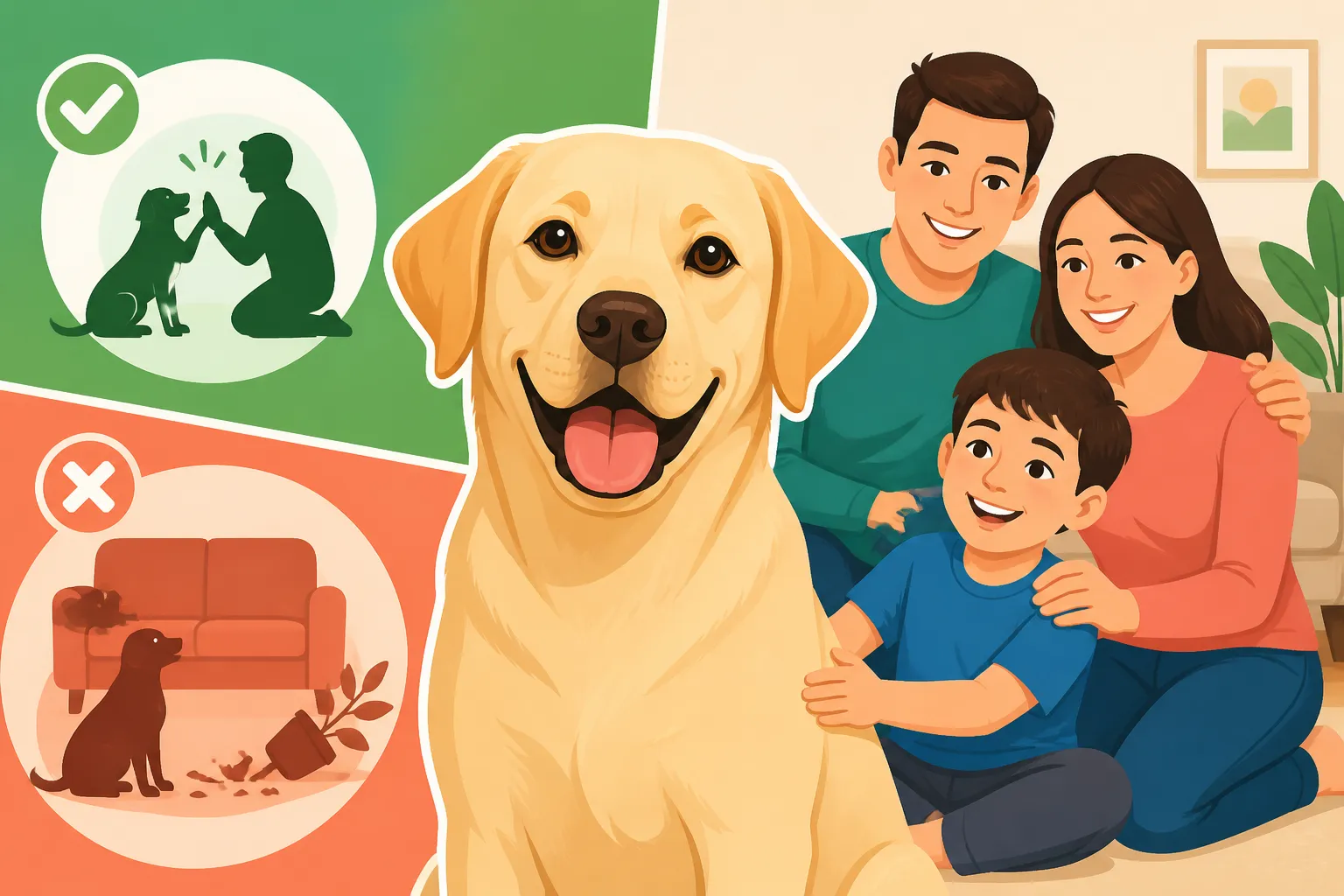
This people-pleasing drive is a double-edged sword, however. While it makes them highly trainable because they genuinely want to make you happy, it also means they can become distressed if left alone for extended periods. A lonely Labrador might turn to destructive behaviors out of boredom or anxiety, chewing on furniture, digging up the yard, or barking excessively. Understanding this deep need for companionship is crucial before committing to the breed. It means your lifestyle needs to accommodate a dog who sees himself as a central member of the household, not just a pet on the periphery.
Their affable nature also extends to how they interact with the world around them. Labradors are generally known for their patience and good humor, which contributes to their reputation as excellent family dogs. They tend to be forgiving and resilient, bouncing back quickly from minor mishaps, which is a blessing when navigating the boisterous energy of a puppy or the occasional clumsiness of adolescence. This robust emotional makeup makes them adaptable to various situations, provided they have a strong, consistent leader and plenty of positive reinforcement.
The Insatiable Food Drive
If there's one thing almost every Labrador owner can attest to, it's their dog's unwavering dedication to food. It's not just a strong appetite; it's often an all-consuming passion that dictates much of their behavior. This deep-seated drive stems from their genetic history, and while it makes them incredibly easy to motivate in training sessions (a piece of kibble can work wonders!), it also presents significant challenges. Counter surfing, begging, and even outright food theft from tables or counters become daily battles if not managed proactively.
Managing a Labrador's food drive is a lifelong commitment. You'll need airtight strategies for securing food, a consistent feeding schedule with carefully measured portions, and a strong "leave it" command taught from puppyhood. Many Labradors are prone to weight gain, and this constant hunger means they'll always be looking for extra calories, whether it's dropped crumbs or unattended snacks. Why Labradors Gain Weight So Easily is a topic many owners grapple with, and it directly ties into this powerful food motivation. Neglecting this aspect can lead to obesity, which significantly shortens their lifespan and exacerbates joint issues.
Beyond the challenges, this food drive can be a powerful asset. It means they're usually highly motivated by treats, making positive reinforcement training incredibly effective. You can use their love of food for puzzle toys, enrichment activities, and even as a reward for calm behavior. However, it requires an owner to be constantly vigilant about what their Labrador is eating and where their next meal might come from, sometimes even requiring a dedicated container for their daily kibble rations from a place like Chewy to prevent overfeeding.
The Drive to Retrieve and Carry
Labradors were bred for retrieving, and this instinct runs deep in their veins. It's not just about bringing back a thrown ball; it's about carrying things, often gently, and having a purpose. You'll find your Labrador might pick up shoes, toys, the remote control, or even a leaf and bring it to you with a soft mouth. This behavior is endearing, but it also means they need appropriate outlets for this natural drive. Without them, they can become bored or destructive.
Providing ample opportunities for retrieving games is essential. This can be as simple as a game of fetch in the yard or more structured training for gundog work. They love having a job to do, and retrieving taps into their very essence. This drive also manifests as a desire to interact with objects in their environment, sometimes leading to chewing if appropriate toys aren't provided. Strong, durable chew toys are a must, helping to satisfy this oral fixation and protect your furniture.
This retrieving instinct also ties into their water affinity. Many Labradors are natural swimmers and absolutely adore splashing around, whether it's in a lake, a pool, or even a muddy puddle. If you live near water or enjoy outdoor activities that involve water, a Labrador will be in their element. However, this also means you need to be prepared for a wet, possibly muddy dog, and the associated cleanup that comes with it. Their thick, water-resistant coat is fantastic for cold dives but also holds a fair amount of dirt and moisture.
Decoding Labrador Energy Levels and Exercise Needs
The image of a calm, serene Labrador curled by the fire is a lovely one, but it often glosses over the significant energy levels this breed possesses, especially in their younger years. Labradors are working dogs at heart, and they need appropriate outlets for their vigor.
Puppy Zoomies vs. Adult Stamina
A Labrador puppy is an absolute whirlwind of energy. They are playful, curious, and seem to have an endless battery. During their puppy and adolescent phases (which can last up to two or three years), their energy levels are incredibly high, and they require immense patience and consistent direction. They'll have bursts of "zoomies," periods of intense play, and a keen desire to explore everything with their mouths. This isn't just puppy exuberance; it's a fundamental part of their development.
As Labradors mature, their energy tends to temper, but it rarely disappears entirely. An adult Labrador still requires a significant amount of exercise to remain healthy and well-behaved. While a senior Labrador will slow down, they will still benefit from gentle walks and mental engagement. It's a common misconception that Labradors always calm down completely after their first year. While they become less chaotic, their need for activity remains. Expect a dog that is ready to go at a moment's notice for a walk, a game, or a swim, even into their golden years.
This means prospective owners need to be realistic about the duration of the "puppy phase." It's not just a few months; it can easily be two or even three years of high energy, intense training, and boundless curiosity. If you're looking for a dog that will be a couch potato from day one, a Labrador might not be the best choice. They require an active owner who is willing to commit to regular exercise and mental engagement for many years.
Daily Physical Outlets
An adult Labrador typically needs at least one to two hours of dedicated physical activity every day. This isn't just a leisurely stroll around the block; it means brisk walks, running, swimming, or vigorous games of fetch. Without adequate exercise, a Labrador can become restless, destructive, and even prone to weight gain. Think about it: a bored Labrador with pent-up energy is a recipe for chewed furniture or excessive digging. Exercise a Labrador Needs Each Day is a crucial piece of the puzzle for a well-adjusted companion.
Structured exercise is key. Simply letting your Labrador out into a yard isn't enough; they need interaction and purposeful movement. A morning walk, an afternoon play session, and an evening cool-down walk might be a typical schedule. Consider activities like hiking, jogging, swimming, or even canine sports like agility or dock diving. These activities not only provide physical exercise but also strengthen the bond between you and your dog, fulfilling their need for interaction.
If your lifestyle doesn't allow for consistent, high-energy exercise, you might struggle with a Labrador. They thrive on routine and regular activity. If you work long hours and expect your Labrador to entertain themselves, you might find yourself coming home to a chaotic scene. A sedentary lifestyle is incompatible with a healthy, happy Labrador. They need a family that is active and willing to include them in their outdoor pursuits.
The Importance of Mental Stimulation
Physical exercise alone isn't always enough for these intelligent dogs. Labradors were bred for tasks that required problem-solving and focus, and their brains need a workout just as much as their bodies. Mental stimulation is crucial for preventing boredom and channeling their intelligence into positive behaviors. Puzzle feeders, scent work, obedience training, and learning new tricks are all excellent ways to keep their minds sharp.
Without mental engagement, Labradors can become bored and frustrated, which often leads to unwanted behaviors. Imagine a brilliant human trapped in a dull, repetitive job – they'd likely find ways to entertain themselves, not all of them productive. The same goes for a Labrador. A simple chew toy can help, but structured mental activities are far more effective. Using a slow feeder bowl from Chewy, for example, can turn mealtime into a stimulating puzzle, making them work for their food rather than gulping it down in seconds.
Dedicate time each day to mental challenges. This could be 10-15 minutes of training new commands, hiding treats around the house for them to sniff out, or rotating through a variety of interactive toys. This isn't just about preventing naughtiness; it's about enriching their lives and building a stronger bond. A mentally tired Labrador is often a much calmer and happier Labrador, even if their physical exercise wasn't as intense as usual that day.
Assessing Your Living Space and Lifestyle
Beyond energy and temperament, the practicalities of your living situation play a huge role in whether a Labrador will thrive. These are not small dogs, and their needs extend beyond just having a roof over their head.
Apartment Living: Is it Really Possible?
The short answer is yes, a Labrador can live in an apartment, but it requires an incredibly dedicated owner. The size of your living space is less important than the commitment to meeting their needs outside of it. If you live in a small apartment, your Labrador will still need the same amount of vigorous daily exercise and mental stimulation as one living on a sprawling farm. This means multiple trips outside each day for walks, park visits, or other activities.
Living in an apartment with a Labrador means you become their primary source of outdoor activity. There's no door to a big yard to let them out into for a quick run. Every potty break, every stretch of the legs, requires your active participation. This can be a challenge in inclement weather or if your schedule is particularly demanding. Furthermore, their boisterous nature, tail wags, and occasional barks might not be well-suited to thin apartment walls or close neighbors, requiring extra training in quiet manners.
Ultimately, apartment living with a Labrador is a testament to the owner's dedication. If you are prepared to spend significant time outdoors, commit to regular training, and ensure your dog is well-socialized and mentally stimulated, it's feasible. However, it's considerably more work than having a dog with easy access to a safe outdoor space. Be honest with yourself about your capacity for this level of consistent effort, especially during the puppy and adolescent phases.
The Role of a Fenced Yard
A secure, fenced yard can be an incredible asset for Labrador owners, providing a safe space for them to burn off some energy, play fetch, and enjoy the outdoors under supervision. It's a convenient extension of their living area, offering more flexibility for potty breaks and quick play sessions. However, a yard is not a substitute for dedicated walks, training, or human interaction. Simply putting your Labrador in the yard and expecting them to exercise themselves is a common mistake that often leads to boredom and destructive behaviors like digging or barking.
The fence itself needs to be robust and tall enough to contain a powerful, athletic dog. Labradors can be surprisingly agile when motivated, and a low or flimsy fence won't cut it. They also need supervision, as a Labrador left alone in a yard for too long can still get into trouble, whether it's chewing on landscaping, digging holes, or developing barrier-related behaviors. A yard is a tool, not a solution to all their exercise needs.
If you have a yard, think of it as a bonus room for your Labrador, not their sole gym. It allows for spontaneous games of fetch or a quick run around, which can supplement their regular structured exercise. It's especially helpful during house training a Labrador Retriever, making those frequent puppy potty breaks much easier. But remember, the yard isn't just for them; it's a shared space that still requires your presence and engagement for your Labrador to truly benefit.
City vs. Suburban vs. Rural Life
The environment you live in will influence the challenges and opportunities of Labrador ownership. City living, as mentioned, is demanding, requiring extra effort to ensure exercise and exposure to calm environments amidst the hustle and bustle. Suburban life often offers a good balance, with more access to parks, trails, and sometimes larger yards, while still having amenities like vets and pet stores readily available. Rural living provides ample space, often fewer distractions, and more opportunities for off-leash adventures, but might mean longer drives for specialized veterinary care or training classes.
Each setting has its pros and cons. In a bustling city, Socializing a Labrador Puppy becomes even more critical, exposing them to diverse sights and sounds early on to prevent fearfulness. In a rural setting, you might need to be more vigilant about wildlife and secure your property effectively. The key is to assess your specific environment and how you can leverage its advantages while mitigating its challenges to create a fulfilling life for your Labrador.
No matter where you live, consistency is paramount. A Labrador in any environment needs routine, mental and physical stimulation, and ample human companionship. Your home setting dictates how you deliver these things, not if you need to deliver them. Be prepared to adapt and plan your activities around what your locale offers, ensuring your Labrador's needs are consistently met.
The Time Commitment Labradors Demand
One of the biggest factors in dog ownership, often underestimated, is the sheer amount of time a dog requires. Labradors, being intelligent and active dogs, are no exception; they thrive on interaction and consistent guidance.
The Intensive Puppy and Adolescent Years
Bringing home a Labrador puppy is a whirlwind. They need constant supervision, frequent potty breaks, early socialization, and the foundations of obedience training. The first few months are incredibly demanding, akin to having a human toddler. You'll be spending a lot of time on house training, redirecting Labrador Puppy Mouthing and How to Redirect It, and ensuring they have positive experiences with the world. This period lays the groundwork for their entire life, and skimping on time here can lead to behavioral issues down the line.
The adolescent phase, roughly from 6 months to 2-3 years, can be even more challenging. This is when puppies test boundaries, forget commands they once knew, and seem to have boundless energy. Their hormones kick in, and their focus might wander. Surviving Labrador Adolescence requires patience, humor, and a renewed commitment to consistent training. This isn't the time to ease up; it's the time to double down on structure and positive reinforcement. Many owners describe this period as having a stubborn, oversized toddler with a powerful tail and even more powerful jaws.
If your current lifestyle means you're rarely home, or you have little spare time for active engagement, a Labrador puppy or adolescent will struggle. They need constant guidance and interaction during these formative years to develop into well-adjusted adults. Without this time investment, you risk ending up with a frustrated, poorly behaved dog, which is unfair to both you and the Labrador.
Consistent Training and Reinforcement
Labradors are highly trainable, but "trainable" doesn't mean "already trained." It means they respond well to consistent, positive training methods. This requires a significant time investment throughout their lives. Basic obedience commands are just the start. You'll need to work on leash manners, recall, polite greetings, and managing their strong food drive. Training isn't a one-time event; it's an ongoing dialogue and a way of life with a Labrador.
Daily, short training sessions (5-10 minutes each) are far more effective than sporadic long ones. Consistency is the secret sauce. This means everyone in the household needs to be on the same page with commands and expectations. Enrolling in puppy classes and then continuing with adult obedience or even advanced classes like agility or scent work can be incredibly beneficial. It provides structure, mental stimulation, and helps strengthen your bond.
Think about the time you're willing to commit to training not just for the first year, but for the next 10-14 years. A well-trained Labrador is a joy to live with, but that joy is the result of thousands of hours of effort. Training a Labrador From Puppy to Adult is a journey, not a destination, and it's one you must be willing to embark on wholeheartedly. This continuous engagement also helps reinforce their people-pleasing nature, making them eager participants in their own learning.
How Much Alone Time is Too Much?
Labradors crave companionship and are not well-suited to being left alone for long stretches every day. While an adult Labrador can generally cope with 4-6 hours alone, pushing beyond that regularly can lead to boredom, anxiety, and destructive behaviors. They thrive when they are part of their human family's daily activities. If your work schedule involves 8-10 hour days away from home, you'll need a solid plan for your Labrador's care during that time.
Solutions for extended alone time might include hiring a dog walker, utilizing doggy daycare, or having a trusted friend or family member check in. These options, however, add to the financial cost of ownership. It's important to build alone-time tolerance gradually, especially with puppies, using crate training and positive associations with being by themselves. Even with these strategies, a Labrador's core need for companionship doesn't disappear.
If your lifestyle means your Labrador will frequently be alone for very long periods, it might be worth reconsidering the breed, or at least adopting an older, calmer rescue Labrador who has proven to be content with more solitude. A lonely Labrador is often an unhappy and mischievous Labrador. They truly need to be integrated into your life, not just relegated to waiting for you to come home.
Compatibility with Family Members and Other Pets
A Labrador's famous friendly disposition makes them seem like a perfect fit for any family, but it's important to consider specific dynamics, especially with children and other animals.
Labradors and Children
Labradors generally have an excellent reputation with children, known for their patience and playful nature. Many families choose Labradors precisely for this reason. However, "good with kids" doesn't mean "can do no wrong." A Labrador puppy, with their sharp teeth and boundless energy, can accidentally knock over small children or nip during enthusiastic play. Supervision is always paramount, and teaching both the dog and the children how to interact respectfully is key.
Teach children how to behave around a dog – no pulling tails, no riding the dog, no disturbing them while they're eating or sleeping. Similarly, teach your Labrador gentle manners around children, using positive reinforcement to reward calm interactions. Socializing your Labrador puppy to be comfortable with the unpredictable movements and noises of children from a young age is vital. This helps them learn appropriate behavior and develops their tolerance.
As they grow, a well-socialized and trained Labrador can be a wonderful, loyal companion for children, often forming deep bonds. Their inherent playfulness makes them great partners for outdoor games, and their forgiving nature can endure the occasional clumsiness of little hands. However, it's a dynamic that requires active management from the adults in the home to ensure safety and happiness for all parties.
Integrating with Other Dogs and Cats
Most Labradors are quite gregarious and generally get along well with other dogs, especially if they've been properly socialized from a young age. Early positive experiences with a variety of other canines are crucial. Puppy classes and supervised playdates are excellent ways to foster good dog-to-dog communication skills. If you already have another dog, a Labrador can often fit right in, providing companionship and a playmate.
Introducing a Labrador to a cat requires more careful planning and patience. While many Labradors can coexist peacefully with feline friends, especially if introduced as a puppy, their natural prey drive can sometimes make early interactions challenging. It's essential to ensure the cat has safe escape routes and high perches away from the dog, and to always supervise initial meetings. Positive reinforcement for calm behavior from both animals is critical.
With proper introductions and consistent training, many Labradors live harmoniously with cats. It's about managing expectations and understanding that while Labradors are generally friendly, every dog is an individual. A calm, well-exercised Labrador is far more likely to be a good housemate to other pets than a bored, untrained one. Remember to always prioritize the safety and comfort of all animals in the home.
Greeting Strangers and Visitors
As mentioned, Labradors are typically very friendly towards strangers. This is a hallmark of the breed, stemming from their role as companions and working dogs who often interacted with many people. They are rarely reserved or suspicious, usually opting for an enthusiastic tail wag and a hopeful sniff. This trait makes them poor guard dogs (they're more likely to lick an intruder than deter them!), but excellent welcoming committee members.
However, this enthusiasm needs to be managed. An overly excited Labrador can jump on visitors, which, while meant affectionately, can be overwhelming or even dangerous, especially for children or the elderly. Teaching "four on the floor" manners and a polite "greet" command is essential. This ensures that their natural friendliness is expressed in a controlled and acceptable way, rather than a boisterous explosion of canine joy.
If you entertain frequently, or have people coming and going from your home, a Labrador will likely thrive on the social interaction. Just be prepared to implement polite greeting rules from the get-go. Their desire to be loved by everyone means they're usually quick learners when it comes to being a good host, especially if treats are involved!
The Real Financial Picture of Labrador Ownership
Getting a Labrador is not just about the upfront cost of the puppy; it's a significant financial commitment that spans over a decade. Many first-time owners are caught off guard by the ongoing expenses, which can really add up.
Upfront Costs and First-Year Expenses
The initial cost of a Labrador puppy from a reputable breeder can vary significantly based on pedigree, location, and the breeder's reputation. Beyond the purchase price, you'll immediately face expenses like initial vet visits, vaccinations, deworming, microchipping, and potentially spaying or neutering. The First Year With a Labrador and What It Costs can easily run into thousands of dollars when you factor in all the necessary gear.
Then there's the initial gear: a crate, a high-quality bed (or several, because puppies chew!), collars, leashes, food and water bowls, an array of durable chew toys, and grooming supplies like brushes and nail clippers. Don't forget the cost of puppy food, which needs to be a large breed formula to support proper growth. Many owners also invest in puppy training classes, which are highly recommended for setting a good foundation.
These first-year expenses are a substantial investment, and it's crucial to budget for them rather than being surprised. Cutting corners on quality food, vet care, or essential training can lead to more significant problems and costs down the line. Think of these as foundational investments in your Labrador's health, happiness, and good behavior.
Ongoing Monthly and Annual Budgets
After the first year, the costs settle into a more predictable routine, but they are by no means small. The biggest recurring expense will likely be food. A large, active Labrador eats a lot, and choosing a high-quality kibble is essential for their health. Treats, too, contribute to the monthly food budget. Expect to spend a noticeable amount on canine cuisine, perhaps even more if you choose specialized diets or fresh food options available at stores like Chewy.
Annual vet check-ups, booster vaccinations, and parasite prevention (heartworm, flea, and tick medication) are non-negotiable health expenses. Many owners also factor in regular grooming supplies or occasional professional grooming sessions. Beyond the essentials, you'll have ongoing costs for replacing toys, beds, and other gear that inevitably wear out (or get destroyed!). Then there are unexpected costs: a sudden illness, an injury, or a behavioral issue that requires a specialist.
| Category | Typical Frequency | Key Considerations |
|---|---|---|
| Food & Treats | Monthly | High-quality large breed kibble, training treats, chews |
| Vet Care | Annually (routine) | Exams, vaccinations, deworming, parasite prevention |
| Grooming | Monthly/Quarterly | Brushes, shampoo, nail trims, ear cleaner |
| Toys & Gear | Quarterly/Annually | Durable chews, interactive toys, new leash/collar |
| Training/Enrichment | As needed | Classes, puzzle toys, dog walker, daycare |
| Pet Insurance/Emergency | Monthly/Savings | Peace of mind for unexpected health issues |
| Miscellaneous | As needed | Poop bags, cleaning supplies, unexpected repairs |
This table illustrates that owning a Labrador is a continuous financial commitment. Annual Cost of Keeping a Labrador Retriever is something every prospective owner needs to seriously consider. These are living beings with needs that require constant budgeting and planning.
Preparing for Unexpected Vet Bills
Even with the best care, Labradors, like all large breeds, are prone to certain health conditions that can be incredibly expensive to treat. Conditions like hip and elbow dysplasia, cruciate ligament tears, and certain cancers are not uncommon. A single orthopedic surgery or a course of chemotherapy can run into thousands of dollars, completely derailing an unprepared budget. This is why planning for unexpected vet bills is just as important as budgeting for food.
Many owners choose to invest in pet insurance, which can help mitigate the financial shock of a major illness or accident. However, pet insurance policies vary, often have waiting periods, and typically don't cover pre-existing conditions. Researching different plans and understanding their coverage, deductibles, and reimbursement rates is crucial. Another approach is to establish a dedicated savings account specifically for pet emergencies, setting aside a certain amount each month.
Regardless of whether you choose insurance, savings, or a combination, having a financial safety net for your Labrador's health is non-negotiable. It's not a matter of "if" they'll have a health issue, but "when." Labrador Hip and Elbow Dysplasia are well-known breed issues that can demand significant financial outlay. Being prepared ensures you can provide your beloved companion with the best possible care without compromising your financial stability or having to make heartbreaking decisions based on cost.
Navigating Labrador Grooming and Shedding
Labradors are often considered "low maintenance" grooming-wise compared to long-haired breeds, but that doesn't mean no maintenance. Their dense double coat and love for adventure come with their own set of grooming realities, primarily centered around shedding.
The Double Coat and Its Shedding Habits
Labradors possess a thick, water-resistant double coat: a soft, downy undercoat for insulation and a coarser, straight outer coat for protection. This incredible coat is perfect for their retrieving work, especially in cold water. However, it also means they shed. A lot. Year-round shedding is a given, but twice a year, typically in spring and fall, they undergo a "coat blow" where they shed even more profusely as they adapt to changing temperatures.
During these coat blows, you might feel like your home is suddenly snowing dog hair. Regular brushing, often daily, is essential during these periods to remove loose hair, prevent matting (especially behind the ears or on the haunches), and distribute natural oils for a healthy coat. Investing in a good deshedding tool and a reliable vacuum cleaner designed for pet hair is not a luxury; it's a necessity. Labrador Shedding and How to Manage It is a topic most owners become intimately familiar with.
If you are fastidious about a hair-free home or suffer from pet allergies, a Labrador's shedding could be a significant challenge. Their hair gets everywhere – on furniture, clothes, and carpets. While regular grooming helps, it won't eliminate shedding entirely. It's a fundamental aspect of the breed that potential owners must be prepared to live with and manage proactively.
Bathing and Basic Coat Care
While Labradors don't typically require frequent bathing, their adventurous spirit often dictates otherwise. If your Labrador loves rolling in mud, swimming in murky ponds, or generally getting messy, you'll find yourself bathing them more often than you might initially anticipate. When bathing, use a dog-specific shampoo that won't strip their natural oils, which are crucial for their coat's water resistance.
After swimming or a bath, thoroughly drying their dense coat, especially in their ears, is important to prevent skin irritations or ear infections. While a Labrador's coat is designed for water, prolonged dampness against the skin can lead to problems. Beyond bathing, regular brushing helps to remove dirt, debris, and loose hair, keeping their skin healthy and their coat shiny.
Their coat is relatively low-fuss in terms of professional styling – no elaborate trims or cuts are needed. The goal of basic coat care is health and cleanliness, not aesthetics. This hands-on grooming time also provides an excellent opportunity to check your Labrador for any lumps, bumps, or skin issues, and further strengthens your bond.
Nail, Ear, and Dental Maintenance
Beyond their coat, Labradors require consistent attention to their nails, ears, and teeth. Overgrown nails can cause pain, affect their gait, and even lead to serious joint issues. Regular nail trims, every 2-4 weeks, are usually necessary. This can be a challenge for some dogs, so starting early and making it a positive experience is key.
Labradors are prone to ear infections, especially those who love to swim, due to their floppy ears trapping moisture. Labrador Ear and Skin Disease can be a recurring problem. Regularly checking their ears for redness, odor, or discharge, and cleaning them with a vet-approved solution after swimming, is crucial. If you notice any signs of infection, a vet visit is essential.
Finally, dental care is often overlooked but vital for overall health. Just like humans, dogs can suffer from plaque and tartar buildup, leading to gum disease and other health problems. Brushing your Labrador's teeth several times a week with dog-specific toothpaste, combined with dental chews and regular professional dental cleanings as recommended by your vet, will contribute significantly to their long-term health.
Long-Term Health and Lifespan Considerations
Labradors are generally robust dogs, but like all breeds, they are predisposed to certain genetic health conditions. Understanding these potential challenges and planning for them is a crucial aspect of responsible ownership.
Common Health Challenges in the Breed
While Labradors can live long, healthy lives, they are known to be susceptible to a few common health issues. Hip and elbow dysplasia are unfortunately prevalent orthopedic conditions, often inherited, that can lead to arthritis and significant pain. Other joint issues, like cruciate ligament tears, are also common due to their active lifestyle and powerful build. Labrador Hip and Elbow Dysplasia is a significant concern for the breed.
Eye conditions, such as Progressive Retinal Atrophy (PRA) and cataracts, can also affect Labradors, potentially leading to vision loss. Labrador Eye Conditions and Vision Loss can impact their quality of life, especially as they age. They are also prone to certain cancers, like mast cell tumors and lymphoma, making regular vet check-ups and vigilance for any new lumps or bumps extremely important. The breed is also predisposed to bloat, a life-threatening emergency.
When choosing a breeder, it is absolutely vital to inquire about the health clearances of the parent dogs. Reputable breeders will screen for genetic conditions like hip and elbow dysplasia, eye diseases, and certain genetic mutations like EIC (Exercise-Induced Collapse). This proactive approach, while not a guarantee against all health issues, significantly reduces the risk of inheriting common problems.
Planning for a Senior Labrador
As Labradors age, typically starting around 7-8 years old, their needs will shift. Their energy levels will decrease, and they may become more prone to arthritis and other age-related ailments. Caring for a Senior Labrador involves providing comfortable, supportive bedding, gentle exercise, and potentially dietary adjustments or joint supplements. Regular vet check-ups become even more critical to monitor for signs of disease and manage pain effectively.
You might need to make modifications around your home, such as adding ramps to help them get into vehicles or onto furniture, or ensuring easy access to food and water bowls. Their senses might decline, affecting their hearing or eyesight, which requires patience and understanding from their family. A senior Labrador still craves companionship and mental stimulation, even if their physical abilities are diminished. Short, gentle walks and puzzle toys can still provide enrichment.
Embracing the aging process with your Labrador means being prepared to adapt your care routines to their changing needs. It's a period that brings its own joys and challenges, strengthening the bond forged over years of shared adventures. Their golden years should be comfortable, pain-free, and filled with love.
The Importance of Responsible Breeding
Choosing a Labrador from a responsible breeder is perhaps the single most important decision you can make to set your dog up for a healthy life. A responsible breeder will prioritize the health and temperament of their dogs above all else. They will conduct extensive health clearances on both parent dogs for genetic conditions common in Labradors, such as hip and elbow dysplasia, eye diseases, and EIC.
They will be transparent about their breeding practices, allow you to visit their facility, meet the puppy's parents, and ask plenty of questions. They will also be a valuable resource for advice and support throughout your Labrador's life. Avoiding breeders who don't perform health clearances, offer puppies at suspiciously low prices, or refuse facility visits is crucial. These practices are often red flags for puppy mills or backyard breeders who prioritize profit over health and welfare.
Investing in a well-bred Labrador is an investment in a potentially healthier, happier companion, saving you heartache and significant vet bills down the line. It's about supporting ethical breeding practices that aim to improve the breed, ensuring that the wonderful qualities of Labradors continue for future generations. Health Clearances a Labrador Breeder Must Show is a comprehensive list of what to look for and expect.
Disclaimer
This article is for general informational purposes only and does not constitute professional advice. Laws, prices and regulations vary by location and change over time. Consult a qualified professional for guidance on your specific situation.