Teaching a Labrador to Drop It Reliably
Every Labrador owner has experienced that heart-stopping moment: your beloved dog suddenly has something in their mouth they absolutely shouldn't, whether it's your car keys, a stray pill from the floor, or a half-eaten sandwich they snatched off the counter. Teaching your Labrador to reliably "drop it" isn't just a convenience; it's a critical safety skill that can prevent countless emergencies and save their life. This guide will walk you through building a solid "drop it" command, transforming those stressful moments into manageable ones.
Why "Drop It" Is So Crucial for Labradors
Labradors, bless their enthusiastic hearts, are naturally inclined to pick up and carry things. It's in their DNA as retrievers! This fantastic trait, however, can quickly become a significant hazard when they grab something dangerous or valuable. A reliable "drop it" command ensures you can always safely remove items from their mouth, protecting both your belongings and, more importantly, your dog's health.
The Labrador's Natural Instinct to Carry and Keep
Think about the origins of the Labrador Retriever. They were bred to retrieve downed game, often in water, and bring it back to their handler with a "soft mouth" – meaning they don't damage the item they're carrying. This deep-seated instinct makes them fantastic companions for hunting, dog sports, and even just carrying your slippers around the house. However, this also means they instinctively want to hold onto things once they've got them. It's not defiance; it's simply their nature. They often see items they find as treasures, and telling them to "drop it" can feel, to them, like you're trying to take their prized possession away. This is where strategic training comes in, turning a potential conflict into a cooperative exchange.
The Dangers of Ingested Items
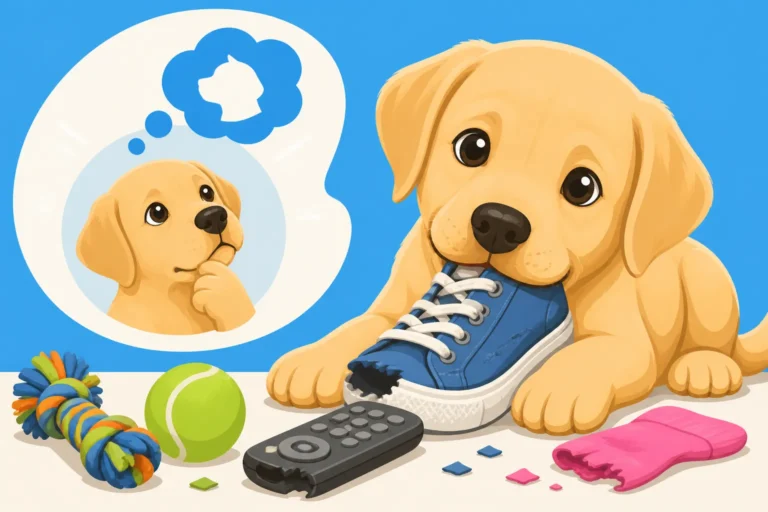
Because Labradors are also notoriously food-motivated and often possess a vacuum cleaner approach to the floor, anything they pick up is a potential meal. This can range from socks, which can cause intestinal blockages requiring expensive emergency surgery, to toxic substances like certain human medications, poisonous plants, or even a child's toy with small, ingestible parts. Imagine your Labrador snatches a dropped battery or a piece of chicken bone. These are not just inconvenient; they are genuinely life-threatening situations. Having a rock-solid "drop it" command in your toolkit means you can intervene immediately, before a swallowed item leads to a frantic vet visit or worse. This command gives you peace of mind that you can prevent them from consuming something truly harmful, no matter how quickly they grab it. If you're wondering what kind of trouble they can get into, you might want to read about Why Labradors Steal and Swallow Things.
Laying the Foundation: Building Value for "Drop It"
The key to a reliable "drop it" is to make it a positive experience for your Labrador. They need to understand that letting go of something means something even better is coming their way. We're essentially teaching them a high-stakes trade, where dropping the current item is always more rewarding than holding onto it.
Starting with Low-Value Items
Begin your training with items that your Labrador doesn't value highly. This might be a generic tennis ball they're a bit bored with, a plain, uninteresting toy, or even just a crumpled piece of paper. The goal here is to establish the concept of dropping, not to challenge their deepest instincts yet. Sit on the floor with your Labrador and have two identical low-value toys, along with some incredibly high-value treats – think small pieces of cooked chicken, cheese, or hot dogs. These are the Treats That Motivate a Food-Driven Labrador.
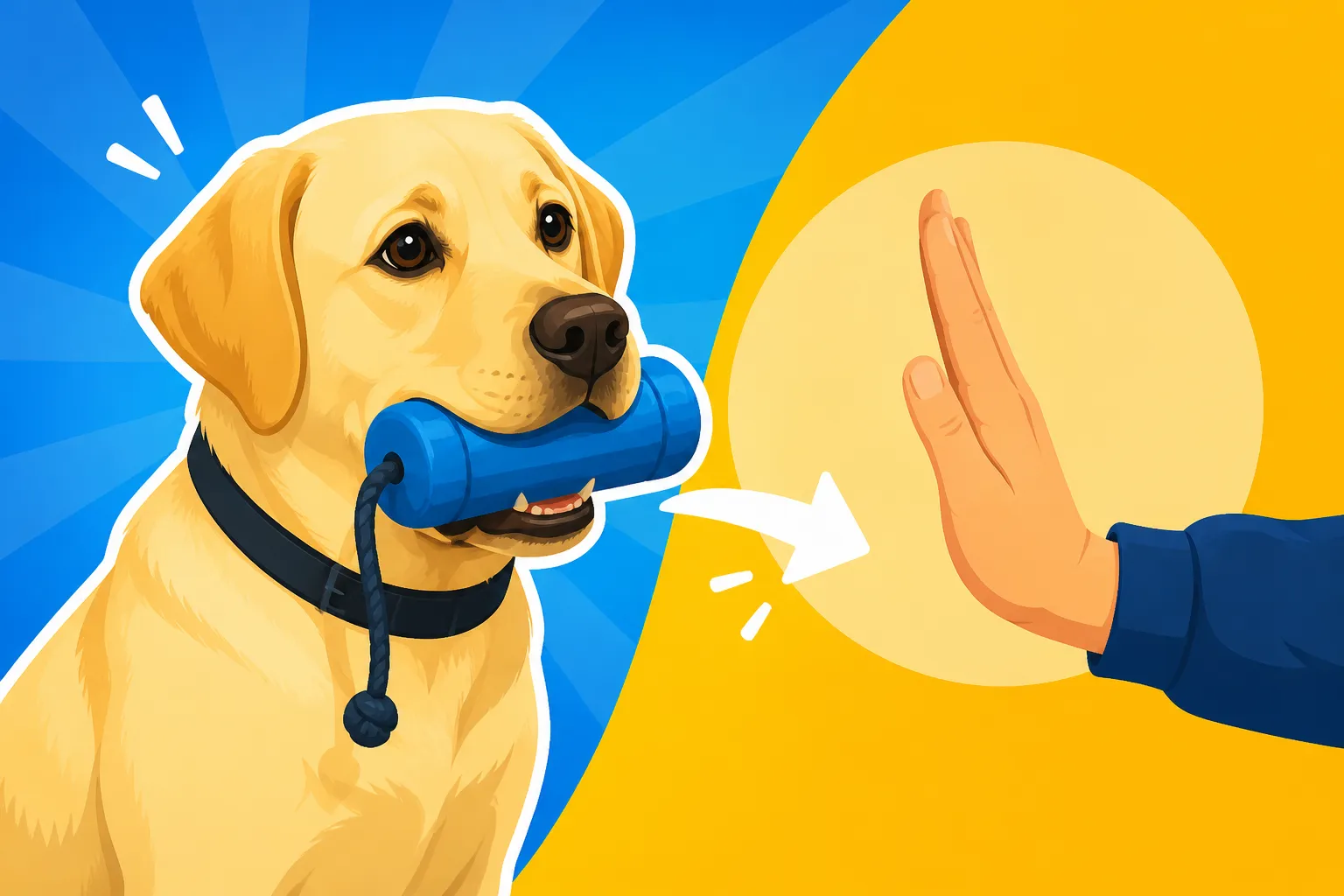
Offer one toy to your Labrador. As soon as they take it in their mouth, immediately offer a high-value treat right to their nose. Most Labradors, with their incredible food drive, will naturally open their mouth to eat the treat, causing the toy to drop. The instant the toy hits the ground, say "Drop it!" in a clear, cheerful voice, praise them enthusiastically, and then give them the treat. Pick up the dropped toy, and repeat the process. Don't worry about them not picking up the toy again; the goal is the drop. Keep these sessions short and sweet, maybe just 5-10 repetitions, several times a day.
The "Trade-Up" Game
Once your Labrador consistently drops the low-value item for a treat, you're ready to introduce the "trade-up" game. This is where you elevate the value of what they receive for dropping. Instead of just giving a treat, you'll sometimes swap the dropped item for a different, even better toy, or a higher quantity of treats. For example, if they drop a plain ball, you might immediately offer them their favorite squeaky toy or a handful of delicious kibble. This reinforces the idea that "drop it" isn't about losing something, but about gaining something superior.
Continue this by offering the low-value toy, waiting for them to take it, then presenting a truly high-value treat right to their nose. The moment they drop the toy to take the treat, say "Drop it!", praise, and let them enjoy the treat. Then, immediately offer them the other low-value toy or a different favorite chew from your hand. The goal is to create a constant cycle of dropping for a reward, rather than a single transaction. This teaches them that dropping leads to good things, not deprivation. This concept of exchange is so powerful for Labs, and you can delve deeper into it with Trading With a Labrador Who Grabs Things.
Introducing the Verbal Cue
You'll notice we've been pairing the verbal cue "Drop it!" with the action of the toy hitting the floor. Now it's time to make the cue predictive. Once your Labrador is reliably dropping the item for a treat when you present it to their nose, start saying "Drop it!" just as you bring the treat to their mouth, slightly before the item actually drops. Your timing is crucial here. The word "Drop it!" should predict the delicious reward and the subsequent release of the item.
As they become more proficient, try saying "Drop it!" when they have the item in their mouth, but before you even show them the treat. If they hesitate, gently guide the treat towards their nose until they comply. The moment they drop, give the treat and praise. Gradually, you want them to drop the item solely on the verbal cue, knowing that the reward is coming. Practice this in a calm, distraction-free environment first, building their confidence and understanding. Remember, the treat should always be a surprise, a bonus for their excellent cooperation, not something they see coming from a mile away.
Advancing the "Drop It" Command: Real-World Scenarios
Once your Labrador understands the basic concept in a controlled environment, it's time to practice "drop it" in more realistic, challenging situations. This is where the command truly becomes a lifesaver.
Increasing Distractions and Item Value
Now that your Labrador is a pro at dropping low-value items for treats, it’s time to up the ante. Start introducing items they find slightly more interesting – maybe a favorite, but not the most favorite, toy. Still use those irresistible, high-value treats as the reward. Gradually, increase the value of the items they are holding. Perhaps it's a new squeaky ball, or a chew toy they enjoy. The rule remains: the item they get for dropping must be perceived as more valuable than what they currently have, at least initially.
Next, introduce minor distractions. Practice in a different room of your house, then perhaps in your backyard. Have a family member walk by quietly, or have some background noise like the TV. The key is to gradually build up the challenge, never pushing your Labrador to a point where they fail consistently. If they struggle, go back a step and make it easier. You want success to be the norm, reinforcing the positive association with "drop it." This gradual progression ensures the command holds up when it really counts, such as when they snatch a dropped toy at the park with other dogs nearby.
Practicing in Different Environments
A command isn't truly reliable until it works everywhere. Once your Labrador is dropping high-value items with minor distractions at home, take your training on the road. Practice in your fenced yard, then a quiet park, then perhaps near a walking trail with distant people and dogs. The world is full of interesting smells and sights that can distract even the most well-trained Labrador, especially if they’ve just found something fascinating on the ground.
Carry your high-value treats and a couple of practice items (things you don't mind getting a little dirty). Offer a toy, let them grab it, then give the "Drop it!" cue followed by the treat. Vary the types of distractions. Sometimes it's another dog walking by, sometimes it's a child's laughter, sometimes it's a leaf blowing in the wind. The more varied the environments and distractions during practice, the more bulletproof your "drop it" command will become. Always end on a positive note, even if it means doing one easy repetition where you know they'll succeed. For further training support, resources like BAXTER & Bella often offer comprehensive online courses that cover advanced obedience, which can be helpful for perfecting these skills in various settings.
What to Do When Your Labrador Refuses
There will inevitably be times when your Labrador has something incredibly desirable and decides the treat you're offering just isn't worth it. This is where patience and strategy come in. First, avoid chasing them or trying to snatch the item. This often turns it into a game for them or makes them guard the item more intensely. Instead, try to offer an even higher value treat or toy. If you've been using kibble, switch to cooked chicken. If you're using a squeaky toy, try their absolute favorite chew.
If they still refuse, or if the item is dangerous, stay calm. Get their attention with a happy voice, maybe clap your hands. If they look at you, toss a handful of treats away from them. As they go to get the scattered treats, they will often drop the original item to chase the new goodies. Once they're distracted by the scattered treats, quickly and calmly pick up the dangerous item. This avoids a confrontation and teaches them that dropping something (even indirectly) leads to good things. Remember, the goal is to get the item safely, not to punish them for having it. Sometimes, if they've really swallowed something you're worried about, you'll need to know What to Do If a Labrador Swallows Something.
Common Pitfalls and Troubleshooting
Even with the best intentions, training a reliable "drop it" can present challenges. Understanding common mistakes and how to address them can save you a lot of frustration.
Making the Command a Punishment
One of the biggest mistakes owners make is using "drop it" as a command to retrieve an item they are upset their dog has, often accompanied by a stern tone or a grabby hand. This instantly turns "drop it" into a negative experience for your Labrador. If dropping something means they lose their fun item and get scolded, they will quickly learn to run away or swallow the item faster next time. Instead of seeing it as a trade for something better, they'll see it as you taking something away.
Always strive to keep "drop it" a positive and rewarding interaction. Use a cheerful tone, and consistently follow through with a great reward. If your Labrador has something dangerous, try to guide them towards dropping it through distraction or a "scatter" of treats, rather than a forceful command. The positive association is paramount; you want them to want to drop it because they know something good is coming, not because they fear punishment. It's a fundamental principle of positive reinforcement that makes training more effective and enjoyable for both of you.
Dealing with Resource Guarding
Some Labradors, particularly those with strong food or toy drives, can develop resource guarding. This is when they become possessive over an item and might growl, snap, or stiffen if you try to take it away. If your Labrador exhibits any signs of resource guarding, stop the direct "drop it" training immediately and seek guidance from a professional positive reinforcement trainer or certified behaviorist. Resource guarding is a serious issue that needs careful, expert handling to ensure safety for everyone involved.
For less severe cases, or as a preventative measure, the "trade-up" game is your best friend. Always make the trade so enticing that your Labrador wants to give up what they have. Never approach them from above or snatch an item. Instead, offer the treat from your side, letting them initiate the trade. For situations like this, especially if it involves food, understanding Fixing Bowl Guarding in a Labrador can provide crucial insights. If you notice persistent guarding, please don't hesitate to consult with a professional, as knowing When Labrador Guarding Needs a Behaviorist is vital for safety.
Consistency is Key
Like all training, consistency is the bedrock of a reliable "drop it" command. Every time your Labrador drops something on cue, they should receive their reward and praise. If you sometimes reward and sometimes don't, or if you use the command inconsistently, your Labrador will become confused and the command will lose its power. Everyone in the household needs to be on the same page, using the same command and the same positive reinforcement method.
Make "drop it" a part of your daily routine. Practice during playtime with toys, or even when they pick up something innocuous like a leaf in the yard. Short, frequent practice sessions are far more effective than long, infrequent ones. The more opportunities you create for successful "drops" and subsequent rewards, the stronger and more ingrained the command will become. This dedication will ensure that when that truly important, urgent "drop it" moment arises, your Labrador will respond automatically, because it's a well-practiced, positive habit, thanks to your consistent efforts.
| Scenario | Item Value (What they have) | Reward Value (What they get) | Notes |
|---|---|---|---|
| Initial Training | Low-Value Toy (e.g., old ball) | High-Value Treat (e.g., cheese, chicken) | Focus on immediate drop and positive association. Repeat many times. |
| Building Skill | Medium-Value Toy (e.g., favorite stuffed animal) | Even Higher-Value Treat or Better Toy | Introduce "trade-up" concept. Practice in calm, indoor settings. |
| Real-World Challenge | High-Value Find (e.g., discarded food, valuable household item) | Irresistible Treat Scatter or Preferred Chew | Crucial for safety. Avoid confrontation. Use distraction if direct trade fails. Practice in varied, mildly distracting environments. |
| Dangerous Item | Toxic/Harmful Item (e.g., medication, broken glass) | Immediate Treat Scatter Away + Swift Removal by Human | This is an emergency. Prioritize safety. Do not engage in a tug-of-war. The goal is retrieval, not a perfect training moment. |
Remember, the goal isn't just compliance, but willing cooperation, especially for a dog as food-motivated and eager to please as a Labrador. With patience, high-value rewards, and consistent practice, your Labrador will master the "drop it" command, making both your lives safer and more harmonious.
Disclaimer
This article is for general informational purposes only and does not constitute professional advice. Laws, prices and regulations vary by location and change over time. Consult a qualified professional for guidance on your specific situation.