Lipomas and Fatty Lumps on a Labrador
That moment you feel a new lump on your beloved Labrador is enough to send a chill down any dog owner's spine. Our minds immediately race to the worst-case scenarios, filled with anxiety about what it could mean for their health and future. It’s a completely normal reaction when you cherish your furry family member so deeply. This guide is here to help you understand one of the most common types of lumps found on Labradors: the humble, often harmless, fatty lump, or lipoma, and equip you with the knowledge to approach these discoveries with confidence and clear next steps.
Understanding What Lipomas Are in Labradors
Finding a lump can be scary, especially with a breed as prone to various health issues as Labradors. However, many lumps turn out to be benign, and among these, lipomas are incredibly common. It's important to understand what these lumps are and why they tend to pop up on our Labs.
What Exactly is a Lipoma?
A lipoma is essentially a benign (non-cancerous) tumor made up of fat cells. Think of it like a little pouch of fat that forms under the skin. They are typically soft to the touch, often feel somewhat squishy, and are usually movable, meaning you can gently slide them around under the skin with your fingers rather than them being firmly fixed to underlying tissue. They aren't generally painful for your dog unless they grow very large and press on nerves or impede movement.
For a concerned owner, distinguishing a lipoma from other, more concerning growths can feel impossible, and truthfully, it's a job for the vet. However, knowing the general characteristics can provide some initial peace of mind while you wait for your appointment. Unlike abscesses, which are often warm, painful, and grow rapidly, or cysts, which might feel more contained and sometimes rupture, lipomas tend to be slow-growing and consistent in texture. Many Labrador owners find them almost by accident during a good petting session, especially on older dogs.
Why Do Labradors Get Them?
Labradors, like several other large breeds such as Golden Retrievers and German Shepherds, do seem to have a genetic predisposition to developing lipomas. It's just one of those quirks of their breed. While the exact cause isn't fully understood, we know a few factors contribute to their appearance. Age is a significant one; older Labradors, especially those over eight years old, are much more likely to develop these fatty growths. It's almost like a natural part of aging for many of them.
While lipomas are made of fat cells, they aren't directly caused by a Labrador being overweight, though there can be a connection. An obese dog might simply have more overall fat tissue, providing more opportunities for lipomas to form. However, even lean Labradors can develop them. It's more about a localized overgrowth of normal fat cells rather than a direct result of poor diet or lack of exercise. It's something many of us wrestle with, trying to keep our Labs at a healthy weight to begin with, knowing how easily they gain pounds, and then seeing these lumps still appear. It can feel like a frustrating mystery! You might want to check out our article on Labrador Obesity and the Years It Costs to understand the broader impact of weight on their health.
Identifying Fatty Lumps on Your Labrador
Once you've felt that unexpected bump, the natural next step is to try and figure out what it is. While only a vet can give a definitive diagnosis, knowing where lipomas typically appear and what to look for can help you provide crucial information to your veterinarian.
Where Lipomas Commonly Appear
Lipomas can technically appear anywhere on a Labrador's body where there's fatty tissue, but there are definitely some hotspots. You'll most frequently find them on the torso, particularly along the sides, chest, and belly. The armpits, inner thighs, and neck are also common locations. These are areas where skin is a bit looser and there's a good amount of subcutaneous fat.
Owners often discover these lumps during routine activities. Perhaps you're giving your Lab a good scratch behind the ears and your hand slides over something new on their neck. Or maybe you're doing a thorough grooming session, brushing their dense double coat, and suddenly feel a distinct bulge on their side. These discoveries often happen in moments of affection, which can make the initial worry even more intense. It's a reminder to really get hands-on with your dog regularly, as early detection is always best.
How to Differentiate a Lipoma from Other Lumps at Home
While you should always consult a veterinarian for any new lump, an initial at-home assessment can give you some clues and help you articulate your concerns to the vet. When you find a lump, gently feel it. Does it feel soft, like a small beanbag, or is it firm, almost hard like bone? Can you move it easily under the skin, or does it feel fixed in place? Lipomas are typically soft and quite mobile. They'll often feel distinct from the underlying muscle or bone.
Pay attention to its growth. Has it appeared suddenly, or has it been growing slowly over weeks or months? Lipomas are generally slow-growers. Also, check for any signs of discomfort. Does your Labrador react when you touch it? Does the skin over the lump appear red, inflamed, or broken? Lipomas are usually non-painful and the overlying skin looks completely normal. If the lump is painful, warm, rapidly growing, or affecting your dog's behavior or mobility, it warrants a more urgent vet visit. Remember, Reading Pain in a Stoic Labrador can be tricky, so subtle changes in behavior are important to note.
Here's a quick comparison of what you might feel:
| Feature | Lipoma | Abscess | Cyst | Malignant Tumor |
|---|---|---|---|---|
| Feel | Soft, squishy, fatty | Soft or firm, warm, often painful | Round, firm or soft, often ruptures | Hard, fixed, irregular, can be painful |
| Mobility | Easily movable under the skin | Can be movable or fixed, depending on depth | Movable or somewhat fixed | Often fixed to underlying tissue |
| Growth Rate | Slow | Rapid | Slow to moderate | Variable, often rapid or steady |
| Pain/Discomfort | Usually none | Often painful, sensitive | Usually none, unless infected/ruptured | Can be painful, especially if aggressive |
| Skin Appearance | Normal | Red, inflamed, swollen, sometimes hair loss | Normal, or inflamed if infected | Can be normal, or ulcerated, red, swollen |
This table provides a helpful guide, but again, it's not a substitute for a vet's opinion. The good news is that Whether Labrador Lumps Are Usually Fatty is a valid question, and often, the answer is yes.
When to See the Vet: Diagnosing Your Labrador's Lump
Even with the best at-home observations, the only way to truly know what a lump is and whether it's harmless or serious is through a professional veterinary examination. Procrastinating can lead to more advanced problems, so it's always best to get it checked out sooner rather than later.
The Importance of a Professional Examination
Your veterinarian is the expert equipped to differentiate between the various types of lumps and bumps your Labrador might develop. When you bring your dog in for a new lump, the vet will start with a thorough physical examination, feeling the lump and assessing its size, texture, and mobility, just as you did at home, but with trained hands and a wealth of experience. They’ll also ask you questions about when you first noticed it, how quickly it's growing, and if your dog shows any discomfort. This detailed history is incredibly helpful for guiding their diagnostic process.
The most common first step in diagnosing a lump is a procedure called a Fine Needle Aspirate (FNA). This is a quick, minimally invasive procedure that can often be done right in the exam room, usually without sedation. Your vet will use a small, sterile needle, similar to those used for vaccinations, to collect a sample of cells from the lump. These cells are then spread onto a slide and examined under a microscope, either by the vet in-house or sent to a specialized laboratory for cytological analysis. An FNA can often definitively tell your vet if the lump is a lipoma, a cyst, an infection, or even indicate if there are cancerous cells present. It's a quick, affordable way to gain crucial information and often alleviates a lot of initial worry.
Further Diagnostic Steps for Suspicious Lumps
While an FNA is usually the go-to first step, it's not always definitive. Sometimes, the sample might not contain enough cells, or the cells collected might be ambiguous. In these cases, or if the FNA suggests something more concerning than a simple fatty lump, your vet might recommend a biopsy. A biopsy involves removing a small piece of the lump, or sometimes the entire lump, and sending it to a histopathologist for a more comprehensive examination. This provides a tissue sample, not just individual cells, allowing for a more accurate diagnosis, especially if malignancy is suspected.
For larger or deeper lumps, or if there's concern about the lump's proximity to vital structures, imaging might be necessary. An ultrasound can help visualize the internal structure of the lump and assess its relationship to surrounding tissues, revealing if it's invading muscle or other organs. X-rays, while not typically used for superficial skin lumps, might be employed if there's a concern about bone involvement, especially if an aggressive tumor like osteosarcoma is a possibility, which is one of the Cancers Labrador Retrievers Get Most. These additional diagnostic steps naturally come with additional costs, and it's during these times that many owners find the value in pet insurance. Companies like Healthy Paws can provide significant peace of mind by covering a portion of these unexpected expenses, ensuring you can pursue the best care for your Labrador without undue financial stress. Understanding the Annual Cost of Keeping a Labrador Retriever really highlights the importance of being prepared for these health expenses.
Managing Lipomas: Treatment Options for Labradors
Once a lipoma is definitively diagnosed, you and your vet can discuss the best course of action. It's not always a one-size-fits-all approach, and the decision will depend on several factors unique to your Labrador.
When "Watch and Wait" is the Best Approach
One of the most reassuring things about lipomas is that many of them require absolutely no treatment. If the lump is small, isn't bothering your Labrador, isn't growing rapidly, and has been confirmed as a benign lipoma through an FNA, your vet will often recommend a "watch and wait" approach. This means you simply monitor the lump at home. This is often the case for many older Labradors who develop small, soft lipomas on their torso or legs.
Monitoring involves regularly checking the lump for any changes in size, shape, texture, or if it suddenly becomes painful or inflamed. Many owners find it helpful to measure the lump every month or two with a flexible tape measure and even take photos to track its progression. If you notice any significant changes, it's time for another vet visit. This conservative approach avoids unnecessary surgery, which always carries some risk, and also saves you from potential vet bills. It’s a pragmatic solution that allows your dog to live comfortably without intervention, especially if it doesn't impact their quality of life.
Surgical Removal of Lipomas
While many lipomas are benign and simply observed, there are several reasons why surgical removal might be recommended. The most common reason is if the lipoma is growing large enough to interfere with your Labrador's movement or comfort. For example, a large lipoma in the armpit or groin could rub, cause chafing, or make it uncomfortable for your dog to walk or lie down. Another significant reason for removal is if the lump is growing rapidly or changes in character, even if initially diagnosed as a lipoma. Sometimes, what appears to be a benign lipoma can have a more aggressive component, or it might be an infiltrative lipoma, which can be benign but spreads into surrounding tissues.
Surgery involves excising the entire fatty tumor. It's typically a straightforward procedure for superficial lipomas, performed under general anesthesia. Recovery usually involves a few weeks of restricted activity and possibly pain medication to manage any post-operative discomfort. The incision site will need to be kept clean and dry, and your Labrador might need to wear an Elizabethan collar to prevent licking or chewing at the stitches. While surgery is generally successful, complications can include infection, seroma (fluid accumulation), or, rarely, recurrence if not all the fatty cells were removed. Of course, surgery also comes with a cost. This is where having pet insurance, especially from a provider like Healthy Paws, can be incredibly beneficial. Knowing that a good portion of the surgical expenses could be covered can make the decision to proceed much easier, focusing on your Labrador's health rather than the financial strain. Ultimately, the decision for surgery is a conversation between you and your vet, weighing the risks and benefits for your individual dog.
Living with Lipomas: Long-Term Care and Prevention
Once you've navigated the initial diagnosis and decided on a management plan for your Labrador's lipomas, understanding long-term care and what, if anything, you can do for prevention becomes important.
Monitoring and General Care at Home
For Labradors with lipomas that are being monitored, consistent at-home care is key. Integrate a "lump check" into your daily routine. Every time you pet or groom your dog, gently feel over their body, paying special attention to existing lipomas and feeling for new ones. You know your dog best, and you're the most likely person to notice subtle changes or new growths. Keep a small log, perhaps in your phone or a notebook, noting the date you check, the size of any lumps (measured if possible), and any observations about their texture or your dog's reaction.
While lipomas aren't directly caused by obesity, maintaining a healthy weight for your Labrador is always a good idea for their overall health and longevity. Overweight dogs can sometimes develop larger or more numerous lipomas, and excess fat can make it harder to feel new lumps. Plus, managing their weight is crucial for preventing other serious health issues like Labrador Hip and Elbow Dysplasia and extending their lifespan, as discussed in How Much Longer a Lean Labrador Lives. Focus on a balanced diet with appropriate portion control and regular exercise. While diet won't prevent lipomas, a healthy body weight contributes to easier monitoring and better overall well-being.
What About Invasive Lipomas (Infiltrative Lipomas)?
While most lipomas are clearly encapsulated and sit superficially under the skin, there's a less common type known as an infiltrative lipoma. These are still benign in the sense that they don't metastasize (spread to other parts of the body), but they are locally invasive. This means they weave themselves into surrounding tissues like muscle, fascia, and even nerves, rather than forming a distinct, easily removable mass.
Infiltrative lipomas present a greater challenge. Because they intertwine with other structures, surgical removal can be much more complex, potentially requiring wider margins of tissue removal or even affecting muscle function. Often, it's difficult to remove the entire mass without causing significant morbidity. In some cases, if the tumor cannot be completely removed, or if it recurs aggressively, your vet might discuss other options, such as radiation therapy, to try and control its growth and impact on your Labrador's quality of life. These situations highlight why early and accurate diagnosis is so important, as is having a comprehensive pet insurance plan like those offered by Healthy Paws, which can help cover these more extensive and costly treatments.
Distinguishing Lipomas from More Serious Conditions
The biggest fear when finding a lump is, of course, that it might be cancerous. While lipomas are benign, it's crucial to be aware of other types of lumps that can occur in Labradors, some of which are more serious and require immediate attention.
Other Common Lumps and Bumps in Labradors
Beyond lipomas, Labradors can develop a variety of other skin growths that are usually benign. Knowing a little about them can help you understand your vet's diagnosis:
- Sebaceous Cysts: These are common and occur when a sebaceous gland (which produces oily sebum for skin lubrication) becomes blocked, leading to a build-up of fluid or cheesy material under the skin. They often feel firm, round, and can sometimes rupture, releasing a white, pasty discharge. While typically harmless, they can become infected and may require cleaning or even surgical removal if they frequently rupture or bother the dog.
- Warts (Papillomas) and Skin Tags: These are usually small, fleshy growths that can appear on various parts of the body. Warts are often viral in origin and more common in younger dogs, while skin tags are typically benign fibrous growths seen more often in older dogs. They rarely cause problems unless they are in a location where they get rubbed or irritated.
- Abscesses: These are pockets of infection under the skin, often caused by a bite, scratch, or foreign body. Abscesses are usually painful, warm to the touch, rapidly growing, and often accompanied by redness and swelling. They can rupture and drain pus. These require immediate veterinary attention, often involving drainage and antibiotics.
While these are typically benign, it’s impossible to differentiate them definitively from a cancerous mass without veterinary assessment. That’s why the "see a vet for any new lump" rule is so important!
Signs of Potentially Malignant Lumps
While we always hope for the best, it's vital to know the potential Warning Signs of Cancer in a Labrador. If you notice any of the following characteristics in a lump, it’s imperative to get your Labrador to the vet as soon as possible, as these can indicate a more serious, potentially malignant tumor:
- Rapid Growth: If a lump appears suddenly and grows quickly over days or weeks.
- Firmness and Fixation: A lump that feels hard, like a rock, and is firmly attached to underlying tissues (muscle, bone) rather than movable under the skin.
- Irregular Shape: While lipomas are often round or oval, malignant tumors can have irregular, undefined borders.
- Pain or Tenderness: If your Labrador reacts with pain when the lump is touched, or if they are generally showing signs of discomfort or lameness due to the lump.
- Skin Changes: Redness, inflammation, ulceration, bleeding, or hair loss over the lump can be concerning.
- Impact on General Health: If your dog seems unwell, is losing weight, has a decreased appetite, is lethargic, or showing any other systemic signs of illness in conjunction with the lump.
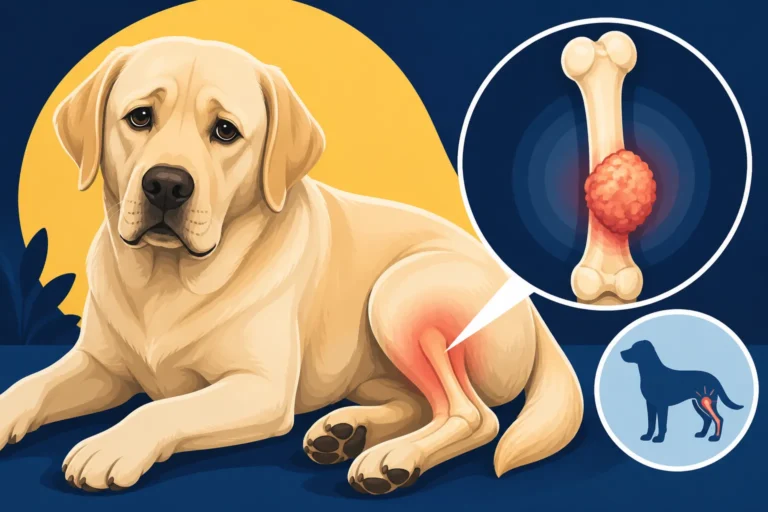
Some of the most aggressive cancers, like mast cell tumors or osteosarcoma (bone cancer, which can sometimes start as a painful swelling), require swift diagnosis and treatment. Early detection significantly improves prognosis for many types of cancer. While lipomas are common and often harmless, staying vigilant and acting quickly when you notice anything suspicious is the best way to protect your beloved Labrador. For more detailed information, our guide on Cancers Labrador Retrievers Get Most can offer further insights.
Disclaimer
The information provided in this guide is for informational purposes only and does not constitute medical advice. Always consult with a qualified veterinarian for any health concerns or before making any decisions about your Labrador's care.