Labrador Arthritis in Middle Age
It’s heartbreaking to see your once-bouncy, energetic Labrador start to slow down, hesitating before jumping into the car or struggling to get up after a nap. This isn't just a sign of "getting older"; for many middle-aged Labradors, these changes are the earliest whispers of arthritis, a common and painful condition that can significantly impact their quality of life. This guide will walk you through understanding, identifying, and managing arthritis in your middle-aged Labrador, helping you keep them comfortable and active for as long as possible.
Understanding Middle-Age Arthritis in Labradors
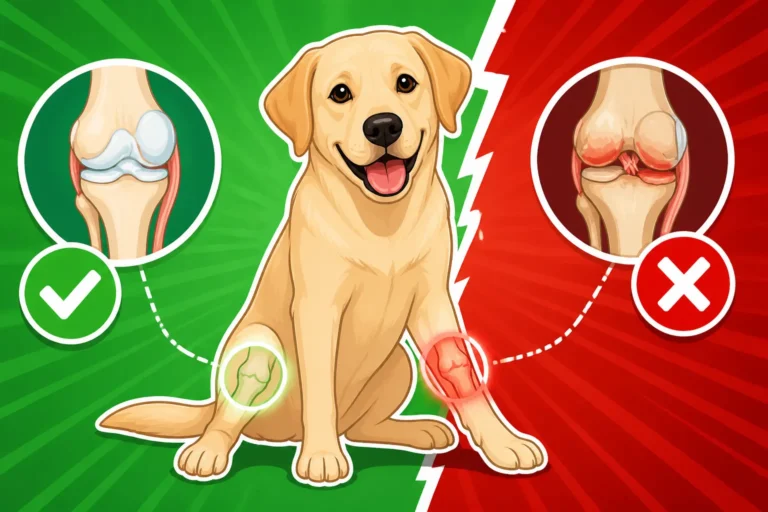
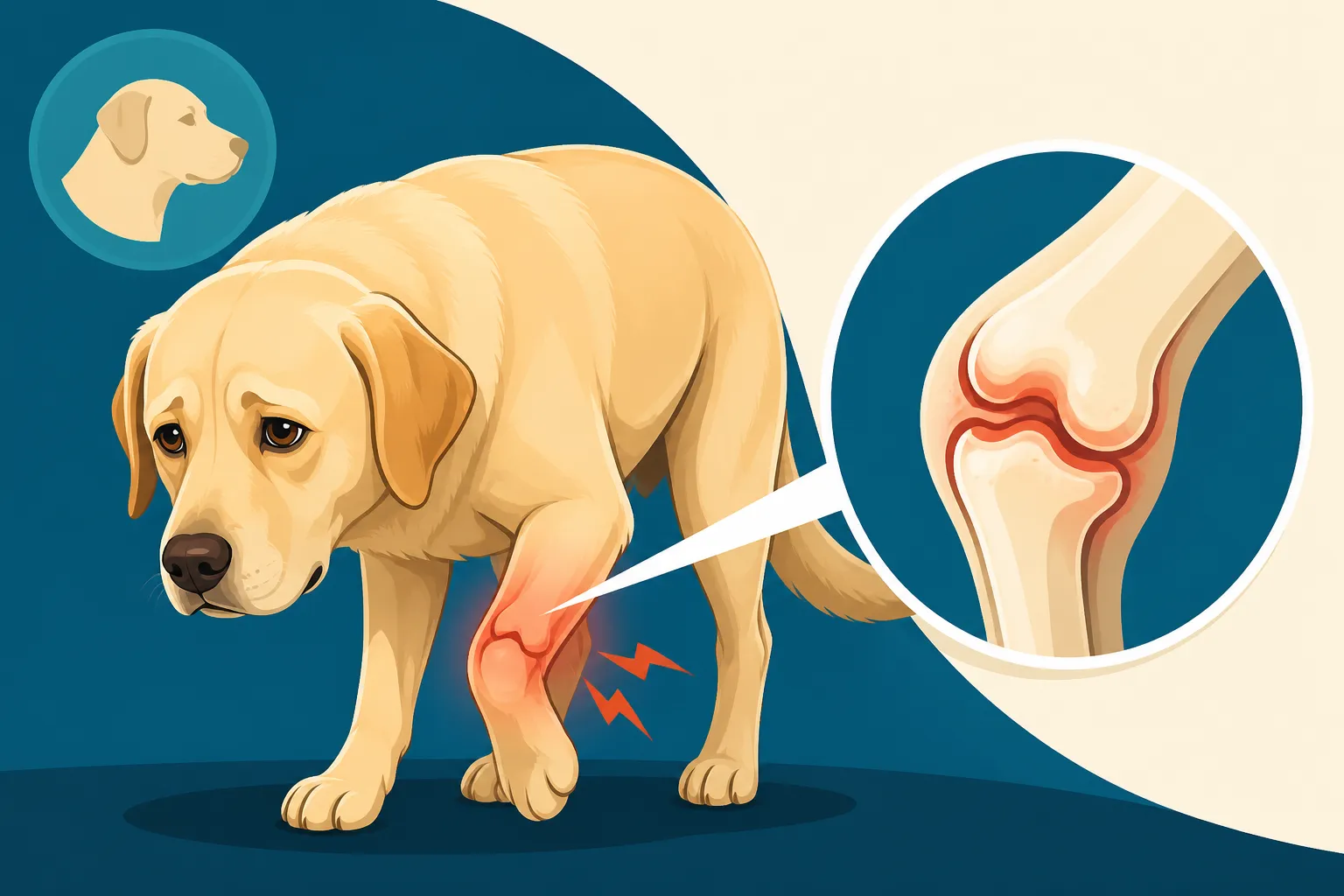
Arthritis, or osteoarthritis (OA), is a degenerative joint disease where the cartilage cushioning the joints slowly erodes. This leads to bone-on-bone friction, pain, inflammation, and reduced mobility. While often associated with senior dogs, many Labradors begin showing signs in their middle age, typically between six and ten years old, as wear and tear accumulate over years of active living.
Why Labradors Are Prone to Arthritis
Labradors, with their enthusiastic, high-energy nature and robust build, are unfortunately predisposed to certain joint issues that can lead to arthritis. Their breeding for retrieving, often involving intense bursts of running, jumping, and swimming, puts significant strain on their joints from puppyhood. This makes conditions like hip and elbow dysplasia particularly prevalent in the breed. When these foundational joint structures aren't perfect, the constant impact and motion lead to uneven wear on the cartilage, paving the way for arthritis to develop earlier than in other breeds.
Beyond structural predispositions, a Labrador's strong genetic drive to eat everything in sight can often lead to obesity, which dramatically exacerbates joint issues. Even a few extra pounds put immense pressure on already vulnerable hips, elbows, and knees, accelerating cartilage degeneration. It's a cruel irony that their loving, food-motivated nature can sometimes work against their long-term joint health. Understanding these inherent risks means we can be more proactive in prevention and early intervention, recognizing that for Labradors, arthritis isn't a matter of if, but often when.
The Difference Between Early Onset and Age-Related Arthritis
When we talk about arthritis in Labradors, it’s important to distinguish between early-onset arthritis and what we typically consider age-related wear and tear. Early-onset arthritis often stems from developmental orthopedic diseases like Labrador Hip and Elbow Dysplasia. A Labrador might be born with or develop malformed hip or elbow joints as a puppy, leading to abnormal weight distribution and accelerated cartilage damage. This means signs of pain or stiffness might appear as early as one or two years old, although some stoic Labs might not show overt symptoms until their middle years.
On the other hand, age-related arthritis is the more generalized wear and tear that accumulates over a lifetime. Even with perfectly formed joints, years of running, playing, and simply carrying a large body take their toll. For middle-aged Labs, this type of arthritis begins to manifest as the body's natural repair mechanisms slow down, and the cartilage has simply had enough. Often, early-onset issues contribute to age-related problems, creating a cumulative effect. Regardless of the origin, the resulting pain and inflammation require proactive management to maintain your Labrador's comfort and mobility.
Recognizing the Subtle Signs of Arthritis
One of the biggest challenges in managing Labrador arthritis is that these dogs are incredibly stoic. They were bred to work tirelessly, often ignoring discomfort, which means they can be suffering for quite some time before their owners notice obvious limping or yelping. Learning to read the subtle cues is absolutely vital for early intervention.
Quiet Signs a Labrador Is Hurting
Many Labrador owners are surprised to learn how many "normal" aging behaviors are actually subtle indicators of pain. Your Lab might not cry out, but they could show discomfort in quieter ways. Perhaps they are slower to rise from a lying position, taking a moment to "collect" themselves before standing fully. Maybe they're less enthusiastic about their favorite walk, falling behind, or cutting it short. You might notice them licking a particular joint more often, or even becoming a little grumpy when touched in certain areas. It's often a gradual shift, making it hard to pinpoint.
Consider if your once-eager jumper now pauses before leaping onto the couch or into the car. Or if they start favoring soft beds over hard floors more consistently. Some Labs might show a reluctance to go up or down stairs, or they might change their posture, standing or sitting in unusual ways to alleviate pressure on a sore joint. These are all critical signs. If you’re concerned, observing your dog for 10-15 minutes after they’ve been resting can provide invaluable insight. Don't dismiss these changes as just "getting old." It could be their way of signaling they need help, and understanding Reading Pain in a Stoic Labrador can make a huge difference in their comfort.
Changes in Movement and Behavior
Beyond the quiet pain signals, arthritis often brings more noticeable changes in how your Labrador moves and behaves. A stiff gait, especially after rest or in colder weather, is a classic indicator. You might observe a slight limp that comes and goes, or a reluctance to put full weight on a particular leg. Their once-fluid movements might become more choppy or deliberate. They may also lose some muscle mass in their hindquarters as they try to avoid using painful joints, leading to a subtle shift in their body shape.
Behaviorally, an arthritic Labrador might become less playful or tolerant of other dogs, especially rambunctious puppies, as rough-housing becomes too painful. Their retrieving drive might diminish, or they might struggle to carry objects as easily as before. Some dogs may even become irritable or withdrawn, choosing to isolate themselves rather than engaging in activities that cause discomfort. It's not uncommon for owners to first notice these shifts as Arthritis Signs in a Seven-Year-Old Labrador, a prime age for these symptoms to start becoming apparent. Paying close attention to these evolving patterns, rather than dismissing them, is the first step towards getting your beloved companion the relief they deserve.
Veterinary Diagnosis and What to Expect
Once you suspect your Labrador might be struggling with arthritis, the next crucial step is a visit to your veterinarian. They can accurately diagnose the condition, rule out other potential issues, and help you formulate a comprehensive management plan. Don't delay this appointment, as early diagnosis can significantly impact the long-term prognosis and comfort of your dog.
The Importance of a Thorough Physical Exam
When you bring your middle-aged Labrador to the vet with concerns about arthritis, a thorough physical examination will be the cornerstone of the diagnostic process. Your vet won't just watch your dog walk; they'll meticulously palpate (feel) each joint, checking for swelling, warmth, tenderness, and range of motion. They'll extend and flex your Labrador's hips, knees, and elbows, listening for crepitus (a grinding or popping sound), which indicates bone-on-bone friction. They'll also assess muscle symmetry and look for any signs of atrophy, particularly in the hind limbs, which can be a tell-tale sign of a dog compensating for pain.
This hands-on approach is critical because it allows the vet to localize the pain and assess its severity. They might perform specific orthopedic tests to isolate discomfort in particular joints. For instance, testing for hip pain involves specific manipulations that can elicit a reaction if there's discomfort in that area. This detailed examination helps paint a clear picture of which joints are affected and to what extent, guiding subsequent diagnostic steps and treatment recommendations.
Imaging and Advanced Diagnostics
While a physical exam can strongly indicate arthritis, imaging techniques are essential to confirm the diagnosis and assess the extent of the joint damage. X-rays are the most common diagnostic tool. They allow your veterinarian to visualize the bones and joint spaces, revealing classic signs of osteoarthritis such as joint space narrowing, bone spurs (osteophytes), subchondral bone sclerosis (increased bone density beneath the cartilage), and sometimes even joint effusion (fluid accumulation). These images provide objective evidence of degenerative changes and help rule out other conditions like bone tumors or fractures.
In some cases, especially if the X-rays are inconclusive or if a deeper understanding of soft tissue damage (like ligaments or menisci) is needed, your vet might recommend more advanced diagnostics. These could include an MRI (Magnetic Resonance Imaging) or CT (Computed Tomography) scan. While more expensive and often requiring sedation, these advanced imaging techniques offer incredibly detailed views of the joints, cartilage, and surrounding soft tissues. This comprehensive picture allows for a more precise diagnosis and can be crucial for planning surgical interventions or more targeted therapies. Discussing the potential costs with your vet and considering options like pet insurance from providers such as Healthy Paws can help prepare for these diagnostic expenses.
Managing Arthritis: Treatment Options
Managing arthritis in a middle-aged Labrador is a multifaceted endeavor, often involving a combination of medical, nutritional, and physical therapies. The goal isn't to cure the arthritis, as it's a progressive condition, but rather to alleviate pain, reduce inflammation, slow down progression, and significantly improve your dog's quality of life.
Medication and Pain Management
When your Labrador is experiencing discomfort from arthritis, pain management is paramount. Non-Steroidal Anti-Inflammatory Drugs (NSAIDs) are typically the first line of defense. Medications like carprofen (Rimadyl), meloxicam (Metacam), firocoxib (Previcox), or deracoxib (Deramaxx) work by reducing inflammation and pain, allowing your dog to move more freely and comfortably. Your vet will determine the appropriate NSAID and dosage, and regular blood work is often recommended to monitor liver and kidney function, especially with long-term use.
For some Labs, particularly those with more severe pain or who don't tolerate NSAIDs well, your vet might explore other pain relief options. Gabapentin can be used as an adjunctive pain medication, particularly for neuropathic pain. Amantadine is another option that can enhance the effects of NSAIDs. Additionally, injectable treatments like Librela (bedinvetmab) are a newer class of medication that works by targeting Nerve Growth Factor (NGF), a key mediator of pain, offering monthly relief without the typical side effects of NSAIDs. These medications can significantly improve your Labrador's comfort, but always follow your vet's instructions closely.
Supplements and Complementary Therapies
Beyond prescription medications, a range of supplements and complementary therapies can play a vital role in managing your Labrador's arthritis. Joint supplements, often containing glucosamine, chondroitin, and MSM, aim to support cartilage health and reduce inflammation. Omega-3 fatty acids, particularly EPA and DHA found in fish oil, have strong anti-inflammatory properties that can help soothe aching joints. There are many beneficial Joint Supplements That Help a Labrador, but it's crucial to discuss these with your vet to ensure they are appropriate and dosed correctly for your dog, as not all supplements are created equal.
| Supplement | Primary Benefit | Common Forms | Notes |
|---|---|---|---|
| Glucosamine | Cartilage Repair/Lubrication | Powder, Chew, Liquid | Often combined with chondroitin. |
| Chondroitin | Cartilage Elasticity/Shock Absorption | Powder, Chew, Liquid | Works synergistically with glucosamine. |
| MSM (Methylsulfonylmethane) | Anti-inflammatory, Pain Relief | Powder, Chew | May help reduce joint pain. |
| Omega-3 Fatty Acids (EPA/DHA) | Anti-inflammatory | Fish Oil Capsules, Liquid | Crucial for reducing systemic inflammation. |
| Green Lipped Mussel | Anti-inflammatory, Joint Support | Powder, Capsules | Rich in various joint-supporting compounds. |
| Turmeric (Curcumin) | Natural Anti-inflammatory | Powder, Capsules | Ensure formulation for bioavailability. |
Other complementary therapies gaining traction include acupuncture, which can stimulate natural pain relief mechanisms, and therapeutic laser treatments (cold laser therapy), which use light energy to reduce pain and inflammation and promote healing at a cellular level. These non-invasive options can be excellent additions to a comprehensive arthritis management plan, especially for dogs who cannot tolerate or need less medication.
Physical Therapy and Rehabilitation
Physical therapy and rehabilitation are incredibly powerful tools for Labradors suffering from arthritis. Just like humans, dogs benefit immensely from targeted exercises and treatments that strengthen supporting muscles, improve range of motion, and reduce pain. A certified canine rehabilitation therapist can develop a personalized program for your dog. This might include hydrotherapy (underwater treadmill or swimming), which allows for low-impact exercise, building muscle without straining joints. Other modalities such as therapeutic exercises, massage, stretching, and even electrical stimulation (TENS/NMES) can be employed.
For Labradors with specific issues like hip or elbow dysplasia leading to arthritis, specialized programs can make a huge difference. Detailed guidance on Physical Therapy for a Labrador With Bad Hips focuses on core strengthening, balance exercises, and improving proprioception (awareness of body position). The goal is not just pain relief, but also improving muscle tone to better support compromised joints, enhance stability, and prevent further injury. While it requires a commitment of time and resources, the improvements in mobility and comfort can be profound, helping your Lab stay active and happy.
Lifestyle Adjustments for an Arthritic Labrador
Managing arthritis extends far beyond medication; it requires thoughtful adjustments to your Labrador's daily life and environment. These changes aim to minimize strain on their painful joints, enhance their comfort, and maintain their mobility for as long as possible.
Creating an Arthritis-Friendly Home
Your home environment can profoundly impact your arthritic Labrador's comfort. Start by ensuring they have comfortable, orthopedic beds in several key resting spots around the house. These beds provide superior cushioning and support compared to standard beds, relieving pressure on sore joints. Slippery floors, such as hardwood, tile, or laminate, can be a major hazard. Consider placing runners or non-slip rugs in high-traffic areas to provide better traction and prevent painful slips and falls.
Ramps and steps are invaluable, especially if your Labrador loves the couch, car, or bed. Instead of allowing them to jump, which jars their joints, teach them to use a ramp. Guidance on Ramps and Mobility Aids for an Old Labrador can help you choose the right options. Ensure their food and water bowls are raised to a comfortable height, so they don't have to stoop excessively, which can strain their neck and spine. Small changes like these can significantly reduce daily discomfort and make navigating their world much easier.
Exercise Modifications for Joint Health
Exercise remains crucial for an arthritic Labrador, but it needs to be carefully modified to prevent further joint damage and minimize pain. Instead of long, intense runs or highly ballistic activities like chasing a frisbee for extended periods, opt for shorter, more frequent, and lower-impact activities. Gentle leash walks on soft surfaces like grass or dirt trails are ideal. Swimming is often fantastic, as it provides a full-body workout without any impact on the joints.
It’s vital to avoid activities that involve sudden stops, starts, or high jumps. Listen to your dog and watch for signs of fatigue or increased lameness. It’s better to have multiple short walks throughout the day than one long, grueling excursion. Maintaining a healthy weight is absolutely non-negotiable for an arthritic dog. Even a few extra pounds put immense stress on already painful joints. Monitoring their caloric intake and ensuring they get enough appropriate exercise is key. Remember, while a Labrador typically needs ample daily exercise, the intensity and duration must be adapted when arthritis sets in to prevent accelerating joint decline. You can still keep them active; it just needs to be smarter activity.
Long-Term Outlook and Prognosis
Living with a Labrador with arthritis is a journey of ongoing management and adaptation. While it's a chronic and progressive condition, it doesn't mean your dog can't still live a happy, fulfilling life. The key is consistent, proactive care and a commitment to their comfort.
Slowing Joint Decline in an Older Labrador
While arthritis cannot be cured, its progression can often be slowed, and its symptoms managed effectively. The cornerstone of this is a holistic approach combining appropriate medication, high-quality joint supplements, targeted physical therapy, and strict weight management. Regular veterinary check-ups are essential to monitor your Labrador's condition, adjust medications as needed, and catch any new issues early. Your vet might suggest periodic X-rays to track the disease progression and ensure current treatments are effective.
Consistent, gentle exercise and maintaining a healthy body condition score are paramount for Slowing Joint Decline in an Older Labrador. Overweight Labs experience more pain and faster progression of joint disease. Feeding a high-quality diet specifically formulated for senior or joint-supportive needs can also contribute to overall health. Don't underestimate the power of seemingly small daily habits – ensuring a warm, comfortable resting place, using ramps to prevent jumping, and providing regular, non-strenuous activity all contribute significantly to preserving joint function and reducing pain over time.
Maintaining Quality of Life
Ultimately, the goal of managing arthritis is to maintain your Labrador's quality of life. This means not just managing their physical pain, but also ensuring their mental and emotional well-being. Continue to engage them in activities they enjoy, even if they need to be modified. If they can no longer retrieve a bumper across the field, maybe a gentle toss and retrieve in the water (if their swimming is comfortable) or shorter scent work games in the yard would be suitable. Mental stimulation, through puzzle toys or short training sessions, is just as important as physical exercise for a happy dog.
Be mindful of their comfort, especially during seasonal changes or after strenuous activity. Provide extra warmth in cold weather, and ensure they have a cool, comfortable spot in the summer. Regular gentle massages can also help alleviate muscle tension. It’s a continuous process of observation and adjustment. Don't hesitate to lean on your veterinary team for support and guidance. With dedication and love, your middle-aged Labrador can still enjoy many wonderful years, chasing squirrels (maybe a little slower), cuddling on the couch, and bringing joy into your home, even with arthritis. Pet insurance, such as a plan from Healthy Paws, can be invaluable in ensuring you have the financial flexibility to provide all necessary treatments and maintain that high quality of life.
Disclaimer
The information provided in this article is for general informational purposes only and is not a substitute for professional veterinary advice. Always consult with a qualified veterinarian for any health concerns or before making any decisions related to your pet's care.