When a Labrador Lipoma Needs Removing
Finding a mysterious lump or bump on your beloved Labrador can instantly send your heart racing, conjuring fears of the worst. It’s a common and unsettling experience for many dog owners. While some lumps are indeed serious, many turn out to be harmless fatty tumors called lipomas. But how do you know the difference, and when exactly does a lipoma on your Lab warrant a trip to the vet for removal? This guide will delve deep into understanding these common masses, helping you discern when to simply monitor and when it’s time to consider intervention.
Understanding Labrador Lipomas: What Are They Really?
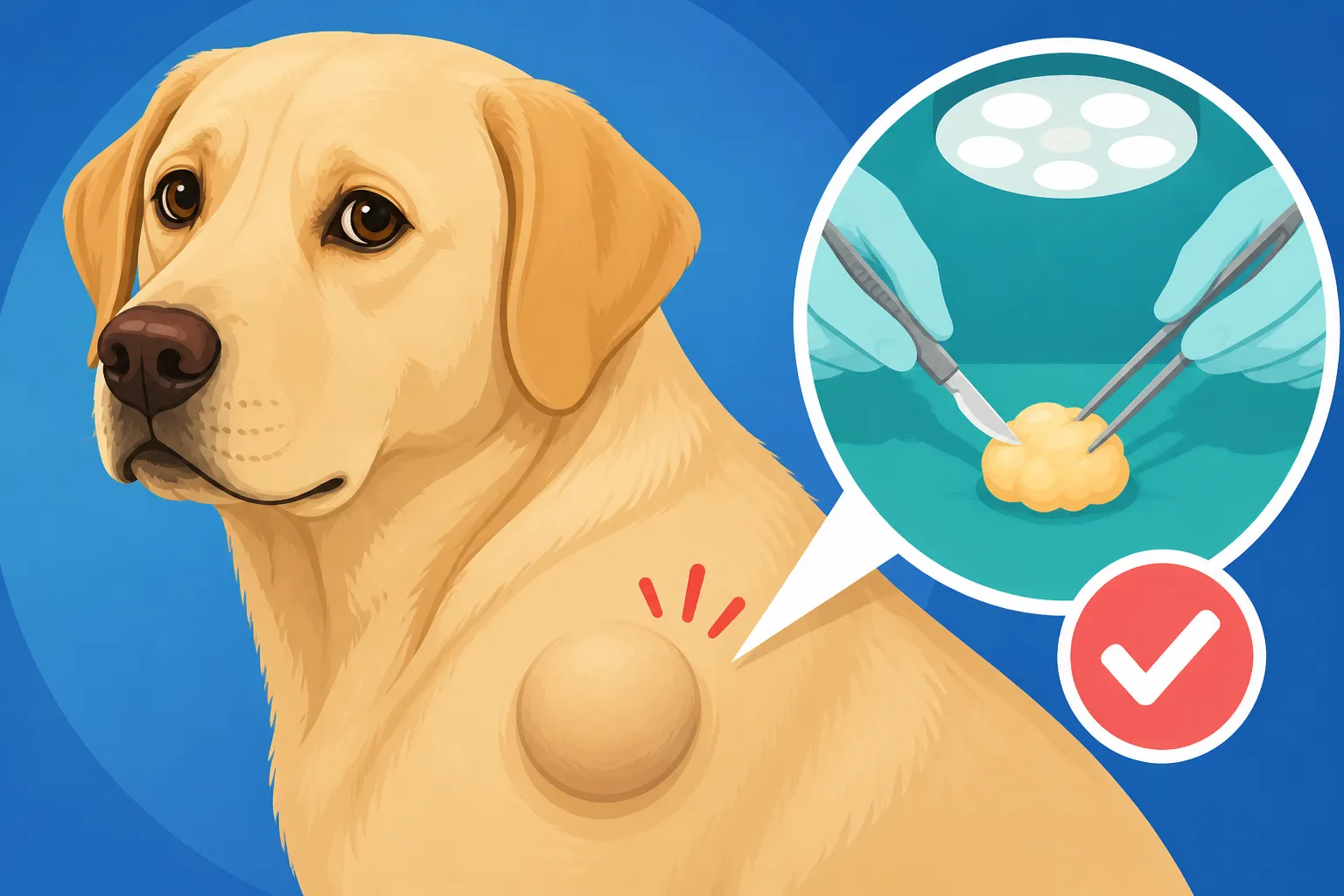
Before we dive into when to remove a lipoma, it’s essential to understand what these lumps are. Imagine finding a soft, movable mass under your Labrador’s skin – it’s often squishy, feels a bit like a rubber eraser, and doesn’t seem to bother them when you touch it. That’s a classic description of a lipoma, a type of benign (non-cancerous) tumor made up of mature fat cells. They are incredibly common, especially as our Labs get older, and while they can appear almost anywhere on the body, they frequently pop up on the chest, abdomen, and limbs.
The Nature of Fatty Tumors in Labradors
A lipoma essentially forms when fat cells begin to multiply uncontrollably, creating a distinct mass. Unlike malignant tumors that invade surrounding tissues, lipomas are usually encapsulated, meaning they have a clear border and don’t spread. They grow slowly and are typically not painful unless they become very large, press on nerves or joints, or are located in an area where they get constantly irritated. Think of it like a small, soft bubble of fat growing just under the skin. You might notice your Lab has several of these over time, a testament to how common they are. They don't typically cause systemic illness, but their presence can still be a source of anxiety for owners. For a broader understanding of what to look for, checking out resources like our article on Lipomas and Fatty Lumps on a Labrador is a good next step.
Why Labradors Seem So Prone to Lipomas
It often feels like Labradors, particularly as they mature, are predisposed to developing these fatty lumps, and there’s truth to that observation. Several factors contribute to this predisposition. Genetics play a significant role; some Lab lines are just more prone to developing lipomas. Age is another huge factor; older Labs are far more likely to develop them than younger dogs. It’s a natural part of the aging process for many dogs. Additionally, obesity can be a contributing factor. While a lipoma isn't just "excess fat" that can be dieted away, dogs who are overweight may be more likely to develop them or to have existing ones grow larger. This is just one more reason why managing your Lab’s weight is so crucial, as discussed in our guide on Labrador Obesity and the Years It Costs. Keeping your Labrador at a healthy weight is beneficial for their overall health, not just for minimizing the chances of lipomas becoming problematic.
When "Watch and Wait" is the Best Approach for a Lipoma
The good news is that most lipomas don't require immediate surgical intervention. Many can simply be monitored at home. It’s understandable to feel anxious about any lump, but knowing when to take a breath and just observe can save you and your Lab unnecessary stress and expense.
Characteristics of a Benign, Monitorable Lipoma
So, what does a "safe" lipoma look and feel like? Typically, these are:
- Soft and movable: They feel squishy or rubbery and can be moved freely under the skin, rather than being fixed to underlying tissue.
- Slow-growing: They appear gradually and increase in size slowly over months or even years.
- Non-painful: Your Labrador doesn't react when you touch or prod the lump.
- Located in non-problematic areas: They are found in places like the flank, chest, or other areas where they don't interfere with movement or bodily functions.
- Well-defined: They have clear edges, indicating they are encapsulated.
If you discover a lump with these characteristics, your vet might perform a fine needle aspirate (FNA) – a quick, minimally invasive procedure where they use a small needle to collect cells from the lump. This sample is then examined under a microscope to confirm it's fat cells, ruling out more aggressive types of tumors like mast cell tumors. Once confirmed as a benign lipoma, your vet will often recommend a "watch and wait" approach. This initial diagnostic step is usually covered by pet insurance providers like Healthy Paws, which can alleviate some financial worry.
Establishing a Monitoring Routine at Home
Even if a lipoma is deemed benign and harmless, it doesn't mean you should ignore it completely. A diligent monitoring routine is crucial. You should regularly check the lump for any changes. Here’s a simple routine you can follow:
- Measure and Document: Once a month, gently measure the lipoma with a soft tape measure (like one used for sewing). Note its size, location, and any other observations in a small notebook or on your phone. Take pictures from the same angle each time for visual comparison.
- Palpation: Gently feel the lump. Has its texture changed? Is it harder or firmer than before? Does it feel less movable?
- Observe Behavior: Does your Labrador start licking, biting, or scratching at the lump? Does it seem painful when you touch it? Does it interfere with their normal activities, like lying down comfortably or walking?
- Annual Vet Check-ups: Always point out any existing or new lumps to your veterinarian during your Lab’s annual wellness exam. They can re-evaluate it and decide if another FNA is necessary.
This routine empowers you to be proactive in your Labrador's health management without resorting to immediate surgery for every fatty lump. Knowing how to spot Reading Pain in a Stoic Labrador in a generally stoic breed like the Labrador is important, as they often hide discomfort.
| Characteristic | Likely Lipoma (Watch & Wait) | Potentially Concerning (Vet Check Recommended) |
|---|---|---|
| Feel/Texture | Soft, movable, squishy, rubbery, well-defined | Firm, hard, fixed to underlying tissue, irregular shape, diffuse |
| Growth Rate | Slow, consistent, or stable | Rapid growth (doubles in size quickly), sudden appearance |
| Pain/Sensitivity | No reaction when touched, dog seems unaware | Painful to touch, dog licks/chews at it, flinches, changes posture |
| Skin Appearance | Normal skin over the lump, no redness or sores | Redness, inflammation, ulceration, hair loss, discharge |
| Location | Non-interfering areas (flank, chest, upper limbs) | Areas that restrict movement (joints), near orifices, under collar/harness |
| Overall Health | Dog is otherwise healthy and active | Dog shows other signs of illness (lethargy, decreased appetite, limping) |
When Removal Becomes Necessary: Signs It's Time for Action
While many lipomas are benign, there are distinct situations where surgical removal becomes the best, or even only, course of action to ensure your Labrador’s comfort and well-being. This decision is always made in consultation with your veterinarian, weighing the benefits against the risks of surgery.
Lipomas Causing Discomfort or Impairing Movement
This is often the primary reason for intervention. A lipoma that starts small and innocuous can grow to a significant size, especially on a larger breed like a Labrador. If a lipoma grows large enough to interfere with your Lab's movement, even if it's benign, it needs to be addressed. Imagine a large fatty mass under their armpit that rubs with every step, or one on their chest that makes lying down uncomfortable. These can lead to:
- Gait changes: The dog might start limping or altering their stride to avoid rubbing the lump.
- Irritation and skin issues: Constant friction can lead to raw skin, hot spots, or secondary infections over the lipoma.
- Pressure on joints or nerves: A lipoma located near a joint, like the hip or elbow, can restrict flexibility or even press on nerves, causing pain or neurological symptoms. This is particularly concerning in older Labs who might already be contending with conditions like Labrador Arthritis in Middle Age. The added pressure from a large lipoma can significantly worsen their quality of life.
- Disrupted sleep/rest: If the lump makes it difficult for your Lab to get comfortable, they might seem restless, constantly shifting positions, or struggle to get a good night's sleep.
In these scenarios, even a benign lipoma is significantly impacting your Labrador's daily life, and removal is often recommended to restore their comfort and mobility.
Suspicious Changes or Rapid Growth
This is where diligent home monitoring really pays off. If you notice any of the following changes in a previously identified lipoma, it's a clear signal to contact your vet immediately:
- Rapid increase in size: The lump grows noticeably larger in a short period (weeks to a couple of months).
- Change in texture: It becomes harder, firmer, or more fixed to the surrounding tissue.
- New pain or sensitivity: Your Labrador starts reacting to touch, licking at the area, or seems uncomfortable.
- Skin changes: The skin over the lump becomes red, inflamed, ulcerated, or develops hair loss.
- Bleeding or discharge: Any oozing from the lump is a red flag.
These changes, while not definitively indicating malignancy, suggest that the lump is no longer behaving like a typical benign lipoma. It might be a different type of tumor altogether, or a lipoma that has undergone some internal changes. A re-evaluation by your vet, likely including another FNA or even a biopsy, is crucial to rule out more serious conditions. It's important to be vigilant for Warning Signs of Cancer in a Labrador, and any suspicious lump falls into this category until proven otherwise. Early detection and diagnosis are key to successful outcomes if it turns out to be something more concerning.
Aesthetic Concerns and Your Dog's Quality of Life
Sometimes, a lipoma might not be causing overt pain or impeding movement, but its sheer size or location can still affect your Labrador's overall well-being or even your ability to care for them.
- Cosmetic appearance: While this is generally a secondary concern, a very large, pendulous lipoma can be unsightly and might lead to owners feeling self-conscious, especially if the dog is often around people or in public. More importantly, these large masses can make simple tasks like grooming or putting on a harness difficult.
- Hygiene challenges: A massive lipoma, particularly in areas like the groin or armpit, can make it difficult to keep the area clean, leading to skin folds that can trap moisture and bacteria, increasing the risk of infection.
- Owner anxiety: Living with a constantly growing or very prominent lump can cause ongoing anxiety for owners, even if they know it's benign. The peace of mind that comes with removal can be a significant factor.
- Future growth potential: While a lipoma might be small and harmless today, if it’s located in a critical area or shows signs of steady, albeit slow, growth, a vet might recommend preemptive removal before it becomes much larger and therefore more complicated or costly to remove. It’s often easier and less invasive to remove a smaller lump than a very large one that requires extensive tissue dissection and reconstruction. This foresight can be especially valuable when you're looking into Pet Insurance for a Labrador Retriever or planning for long-term health.
The Lipoma Removal Process: From Diagnosis to Recovery
Deciding to remove a lipoma is a significant step, and understanding the process can help alleviate some of the natural apprehension. It generally involves a thorough diagnostic workup, the surgical procedure itself, and a period of careful post-operative care.
Diagnostic Steps Before Surgery
Before any surgery, your veterinarian will want to ensure your Labrador is a good candidate for anesthesia and that the mass is indeed a lipoma, or at least nothing that would complicate surgery.
- Physical Exam: A comprehensive physical exam will be performed to assess your Lab’s overall health.
- Fine Needle Aspirate (FNA): If not already done, an FNA will be performed to confirm the fatty nature of the lump. This helps distinguish it from other masses that might require different surgical approaches or further diagnostics. Sometimes, an FNA can be inconclusive, and a more invasive biopsy might be needed, especially if the mass feels suspicious.
- Blood Work: Pre-anesthetic blood tests are crucial. These usually include a complete blood count (CBC) and a biochemistry panel to check organ function (kidneys, liver) and ensure there are no underlying health issues that could increase anesthetic risk. For older Labs or those with other health concerns, additional tests might be recommended.
- Imaging (Occasionally): In some cases, especially if the lipoma is very large or located deep within muscle tissue, your vet might recommend X-rays or even an ultrasound to determine its exact size, depth, and whether it's attached to any vital structures.
These steps are vital to ensure the safest possible outcome for your furry friend. While these diagnostics add to the cost, they are a critical investment in your Lab's safety and help the vet prepare properly. Pet insurance, such as a plan from Healthy Paws, can be incredibly beneficial here, often covering a significant portion of these diagnostic tests, making the decision to pursue them easier.
The Surgical Procedure and Post-Operative Care
Once your Labrador is cleared for surgery, the procedure itself is typically straightforward for most lipomas.
- Anesthesia: Your Lab will be placed under general anesthesia. A dedicated veterinary technician will monitor their vital signs throughout the surgery.
- Surgical Excision: The vet will make an incision over the lipoma, carefully dissect it away from surrounding tissues, and remove it. Some lipomas are "infiltrative," meaning they weave through muscle tissue rather than being neatly encapsulated, making their removal more challenging and potentially requiring more extensive surgery.
- Closure: The incision will then be closed with sutures.
- Pain Management: Your Labrador will receive pain medication before, during, and after the surgery to ensure their comfort.
- Pathology: The removed mass is almost always sent to a veterinary pathologist for histological examination. This is the definitive way to confirm it was indeed a benign lipoma and to check for any unexpected cellular characteristics. This step is critical for peace of mind.
Post-operative care is just as important as the surgery itself.
- Monitoring the Incision: You’ll need to keep the incision site clean and dry. Prevent your Lab from licking or chewing the stitches, usually with an E-collar (the "cone of shame").
- Restricted Activity: Your Lab will need quiet, restricted activity for about 10-14 days to allow the incision to heal properly. No strenuous exercise, jumping, or rough play. This can be challenging for an active breed, but it’s crucial for preventing complications like sutures tearing out.
- Medication: You’ll likely be sent home with oral pain medication and possibly antibiotics. Administer these exactly as prescribed.
- Follow-up Vet Visit: A follow-up appointment, typically 10-14 days after surgery, will be scheduled to remove sutures and check on the healing process.
Remember, even seemingly minor surgery carries risks, but modern veterinary practices prioritize patient safety.
Understanding the Costs and Pet Insurance Considerations
The cost of lipoma removal can vary widely depending on several factors:
- Size and Location: Larger or more complex lipomas (e.g., infiltrative ones) take longer to remove and incur higher costs. Lipomas in difficult areas might also increase the surgical fee.
- Veterinary Clinic: Prices can differ between urban and rural areas, and between general practices and specialty surgical centers.
- Diagnostic Tests: The pre-surgical blood work, FNA, and any imaging (X-rays, ultrasound) all add to the total.
- Anesthesia and Monitoring: The duration of anesthesia and the level of monitoring during the procedure contribute to the overall bill.
- Medications and Follow-up Care: Post-operative pain meds, antibiotics, and the recheck appointment are part of the total.
- Pathology Fees: The cost to send the tissue to a lab for analysis.
On average, you might expect lipoma removal to range anywhere from $300 for a small, simple lipoma to upwards of $1,500 or more for a very large, complicated one requiring extensive surgical time and diagnostics. This is where pet insurance can truly be a lifesaver. Providers like Healthy Paws often cover these unexpected surgical costs, including diagnostics, surgery, anesthesia, and post-operative medications, provided the lipoma isn’t classified as a pre-existing condition before the policy was active. Having robust pet insurance can significantly ease the financial burden of managing health issues, helping you make decisions based on your Labrador’s best interest rather than your wallet. If you’re curious about how these costs compare, our article on Insurance Versus a Savings Account for a Labrador might shed some light.
Ultimately, the decision to remove a lipoma is a personal one, made in conjunction with your veterinarian, always with your Labrador's comfort and long-term health at the forefront.
Disclaimer
The information provided in this article is for general informational purposes only and is not a substitute for professional veterinary advice. Always consult with a qualified veterinarian regarding any health concerns or before making any decisions about your Labrador's medical care.