When a Labrador Ear Needs a Vet Not a Wipe
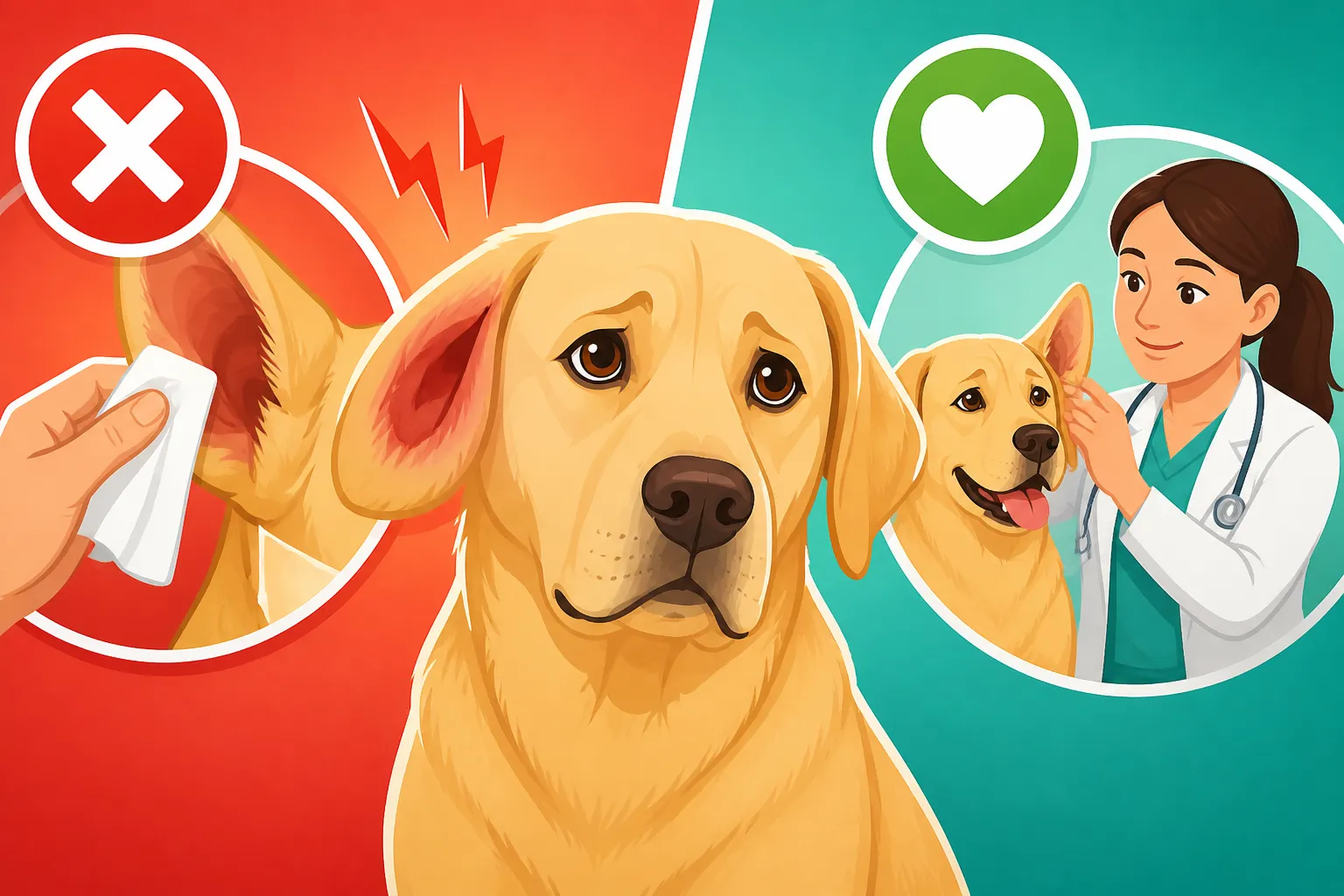
You know the drill. Your Labrador gives that tell-tale shake of the head, maybe a little scratch, and your first thought is usually, "Time for an ear wipe!" Most of the time, that's exactly what it is – a bit of dirt, some excess wax from a swim, or just typical Lab exuberance causing a minor irritation. But every now and then, that head shaking or ear scratching is a warning sign, a subtle plea that your beloved companion needs more than just a quick clean. Deciding when to grab the ear cleaner versus picking up the phone to schedule a vet visit can be a real head-scratcher (pun intended!), and letting a minor issue fester can lead to significant pain and expensive problems down the road. This guide is here to help you discern those critical differences, ensuring your Labrador's ears stay healthy and happy.
Why Labrador Ears Are Prone to Trouble
Labradors, with their wonderfully soft, floppy ears, are unfortunately predisposed to certain ear conditions. It’s not their fault, it’s just how they’re built, and it’s a frustration many Lab owners share. That beautiful drop ear, while adorable, creates a warm, dark, and often moist environment that's just begging for bacteria and yeast to set up shop. Think of it like a tiny, humid cave – perfect for microbial growth!
The Anatomy of a Labrador’s Ear Canal
Let's get a little scientific for a moment, but I promise it'll make sense. A Labrador's ear canal isn't a straight shot like ours. Instead, it has a distinct "L" shape, with a vertical canal leading down to a horizontal canal that then turns towards the eardrum. This design makes it incredibly difficult for air to circulate freely and for moisture and debris to escape naturally. When your Lab goes for a swim, or even just gets a little sweaty during a vigorous play session, that moisture gets trapped in the deep recesses of that L-shaped canal.
Combine this with the fact that many Labradors adore water – whether it's a lake, a puddle, or even their own water bowl – and you've got a recipe for ear infections. You might be meticulous about drying their outer ears after a dip, but it's the deeper, hidden parts that retain moisture and become prime breeding grounds for trouble. Understanding this unique anatomy helps explain why ear care is so crucial for our Labs and why sometimes, a simple wipe just isn't enough.
The Role of Allergies and Underlying Conditions
It’s not always just about water and anatomy, though that plays a huge part. Many Labradors also suffer from underlying allergies – whether environmental (pollen, dust mites) or food-related. These allergies can manifest as itchy skin, and guess what's often included in that itchy skin party? The ears! When a Labrador has an allergic flare-up, their ear canals can become inflamed, red, and extra itchy, making them more susceptible to secondary infections.
This is a common frustration for owners who feel like they're constantly battling ear problems despite their best efforts. It’s a vicious cycle: allergies cause inflammation, which makes the ear a more welcoming place for yeast or bacteria, leading to an infection, which then makes the ear even more inflamed and itchy. If your Labrador seems to get recurrent ear infections, it’s not always poor hygiene; it could be a sign that there's an underlying allergy that needs to be addressed by your veterinarian.
Recognizing Signs Your Labrador Needs Professional Help
It’s easy to dismiss a casual ear scratch, especially with a breed as prone to ear flapping and general exuberance as Labradors. However, certain signs move beyond routine irritation and clearly signal that a trip to the vet is in order. Ignoring these can lead to chronic pain for your dog and more complicated, expensive treatments for you.
Visual Cues: What You Can See
When you lift that floppy ear, what do you see? This is often the first and clearest indicator that something is amiss.
- Redness and Swelling: A healthy Labrador ear canal should be a pale, healthy pink. If you see significant redness, especially deep inside the canal, or if the ear flap itself appears puffy or swollen, this is a red flag. Inflammation is a key sign of irritation or infection. Sometimes, this inflammation can be quite dramatic, causing the ear canal to almost swell shut, which can be incredibly painful for your dog.
- Excessive Discharge: Normal ear wax is usually light brown and minimal. If you notice a heavy buildup of dark brown, black, yellow, or even greenish discharge, it’s a problem. The color and consistency can give clues – black, crumbly discharge often points to ear mites (especially in puppies or rescue dogs), while yellow or greenish discharge usually indicates a bacterial infection. Thick, waxy, dark brown discharge often accompanies yeast infections.
- Crusts, Scabs, or Sores: Any breaks in the skin, scabs, or crusty lesions on the inner ear flap or around the opening of the ear canal are concerning. These can be caused by constant scratching and rubbing, which further irritates the skin and can introduce more bacteria. Sometimes, these sores can be quite deep and bleed. You might also notice hair loss around the ear due to persistent scratching.
- Hematoma (Swollen Ear Flap): This is a truly distinct visual cue that absolutely requires vet attention. An aural hematoma looks like a pillow of fluid has formed within the ear flap itself. It happens when blood vessels burst due to vigorous head shaking, often in response to an underlying ear infection or severe irritation. The ear will feel squishy and warm to the touch, and it can be quite painful for your dog.
Olfactory Clues: What You Can Smell
Sometimes, your nose is the best diagnostic tool. A healthy dog's ear should have little to no odor. If you're wrinkling your nose, it’s time to call the vet.
- Foul or Yeasty Odor: This is perhaps one of the most common and undeniable signs of an ear infection. A strong, pungent, often described as "yeasty" or "sweet," smell emanating from your Labrador's ear indicates an overgrowth of yeast or bacteria. It's not just a faint scent; it's usually quite strong and unmistakable, even without getting too close. If you catch a whiff of something decidedly off when your Lab is snuggled up next to you, trust your nose.
- Pus-like Smell: A particularly unpleasant, sometimes described as rotten or putrid, smell could indicate a severe bacterial infection or even an abscess deep within the ear canal. This type of smell often accompanies a thick, purulent discharge and should be seen by a vet immediately, as it suggests a more advanced and potentially painful infection.
Behavioral Changes: How Your Dog Acts
Our stoic Labradors often try to hide their pain, but their behavior will eventually betray them. Pay close attention to subtle shifts in their routine or demeanor.
- Excessive Head Shaking and Ear Scratching: This is the classic symptom. While a single shake might be nothing, if your Labrador is repeatedly shaking their head, pawing at their ears, or rubbing them on the carpet or furniture, they are clearly trying to alleviate discomfort. This constant action can make the problem worse, causing trauma to the ear canal and potentially leading to those aforementioned hematomas.
- Pain and Sensitivity: If your Labrador yelps, flinches, or pulls away when you try to touch or examine their ear, they're in pain. They might also become withdrawn, grumpy, or less enthusiastic about their usual activities. Some dogs might even refuse to eat or play if the pain is severe.
- Tilting or Holding Head to One Side: If your Lab consistently holds their head tilted to one side, especially if the affected ear is pointing downwards, it’s a strong indication of discomfort or pain in that ear. This can also be a symptom of more serious issues affecting the inner ear or balance.
- Reluctance to Play or Be Active: While Labs are known for their boundless energy, an ear infection can make them feel generally unwell. They might be less enthusiastic about walks, playing fetch, or even interacting with family members. This change in energy level, coupled with other ear symptoms, is definitely a sign to seek veterinary advice.
- Changes in Hearing or Balance: In severe cases, particularly if the infection has reached the middle or inner ear, you might notice your Labrador having trouble with their balance, walking in circles, or seeming disoriented. You might also observe a noticeable decrease in their response to sounds, suggesting a temporary or permanent hearing impairment. This is an emergency and needs immediate veterinary attention.
Common Ear Problems That Demand a Vet Visit
While a dirty ear might just need a good cleaning, these specific conditions always warrant a professional diagnosis and treatment plan. Trying to treat them yourself with over-the-counter wipes will not only be ineffective but could also worsen the problem or mask critical symptoms.
Bacterial and Yeast Infections
These are by far the most frequent culprits behind unpleasant Labrador ears. They thrive in that warm, moist environment we discussed, and often occur together, making treatment a multi-pronged approach.
- What They Are: Bacterial infections (otitis externa) are caused by an overgrowth of bacteria, often Staphylococcus or Pseudomonas species, which are normally present in small numbers but proliferate when conditions are right. Yeast infections, typically caused by Malassezia pachydermatis, are also opportunistic and flourish in humid, inflamed ear canals. Both cause intense itching, inflammation, and discharge.
- Diagnosis and Treatment: A veterinarian will take a sample of the ear discharge and examine it under a microscope (cytology) to identify whether bacteria, yeast, or both are present, and in what quantities. This crucial step ensures the correct medication is prescribed. For bacterial infections, antibiotic ear drops or oral antibiotics might be necessary. For yeast, antifungal ear drops are the go-to. Often, a combination of medications is used, along with a thorough ear cleaning at the clinic to remove debris and allow the medication to penetrate properly. Sometimes, your vet may suggest a medicated cleanser to use at home. Remember, "What the VetCompass Labrador Study Measured" tells us that ear disease is one of the top conditions seen in Labs, making proper diagnosis vital.
- Complications of Untreated Infections: Leaving these untreated can lead to chronic pain, deeper infections that affect the middle and inner ear (potentially leading to balance issues and deafness), and even rupture of the eardrum. It also makes future infections more likely and harder to treat. Chronic infections can also lead to permanent narrowing of the ear canal, requiring more drastic measures down the line.
Ear Mites and Foreign Bodies
While less common than bacterial or yeast infections in adult Labs, these still pop up and require specific interventions.
- Ear Mites: These tiny parasites are highly contagious and cause intense itching. You’ll usually see a dark, crumbly, coffee-ground-like discharge. They are more common in puppies or dogs from shelters where they might have been exposed. Your vet will diagnose them with an otoscope and a microscope and prescribe specific mite-killing ear drops.
- Foreign Bodies: Imagine running through tall grass or playing in dusty fields – it's not uncommon for a foxtail, grass seed, or even a tiny twig to get lodged deep in your Labrador's ear canal. These act as constant irritants, causing sudden, severe head shaking, pawing, and pain in one ear. The body will try to expel it, but often only succeeds in pushing it further in. Your vet will need to use an otoscope and specialized tools to carefully remove the foreign body, often under sedation to prevent injury to the eardrum or canal. This is not something you should ever attempt at home.
Allergies and Chronic Issues
For some Labs, ear infections are a recurring nightmare. If you feel like you're constantly fighting off ear problems, it’s highly probable that allergies are at play.
- Allergic Reactions: As mentioned, allergies (environmental or food) are a huge driver of recurrent ear infections. The underlying inflammation created by the allergy makes the ear canal a fertile ground for secondary infections. Your vet might suggest an elimination diet to identify food allergies or discuss environmental allergy testing. Management often involves a combination of allergy medications (antihistamines, steroids, or newer immunomodulatory drugs), regular ear cleanings, and topical medications. This can be a long and sometimes frustrating process, but finding the root cause is key to long-term ear health. Understanding "Hot Spots and Allergies in Labradors" can provide further insight into how allergies affect their skin, including the ears.
- Chronic Otitis: When ear infections become a persistent problem, occurring frequently or never fully resolving, it’s termed chronic otitis. This often indicates underlying factors like severe allergies, anatomical abnormalities (e.g., narrowed ear canals), or even antibiotic resistance. Chronic cases often require more aggressive diagnostic steps, such as ear cultures to determine specific bacteria and sensitivities to antibiotics, or even imaging like CT scans to look for problems deeper within the ear or ear drum damage.
- Table: Ear Symptoms & Urgency
| Symptom Category | Specific Signs | Urgency Level | Notes |
|---|---|---|---|
| Mild Concern | Minor debris, light brown wax, occasional scratch | Monitor/Home Clean | If no redness, odor, or pain. Use vet-approved cleaner. |
| Moderate Concern | Redness, mild odor, increased head shaking/scratching | Vet Visit Soon | Likely early infection. Requires diagnosis and medication. |
| High Concern | Swelling, foul odor, heavy discharge (yellow/green/black) | Vet Visit ASAP | Clear signs of infection, potentially bacterial or yeast. Risk of discomfort and progression. |
| Emergency | Extreme pain, bleeding, aural hematoma, loss of balance, deafness | Emergency Vet | Indicates severe infection, physical trauma, or neurological involvement. Immediate attention needed. |
What to Expect at the Vet and Home Care Tips
So, you've identified the signs and made the appointment. Good for you! Taking your Labrador to the vet for ear issues is the right call. Knowing what to expect can ease some of your concerns, and understanding ongoing home care will be crucial for prevention.
Veterinary Examination and Diagnostics
When you arrive at the clinic, your veterinarian will first perform a thorough physical exam, paying close attention to your Labrador's ears. They'll use an otoscope, a specialized instrument with a light, to look deep into the ear canal and visualize the eardrum. This helps them assess the severity of inflammation, presence of discharge, foreign bodies, or any damage to the eardrum.
Next comes the diagnostic work, which is vital for targeting the right treatment. They'll typically take a sample of the discharge from your dog's ear with a cotton swab. This sample is then examined under a microscope, a process called cytology. Cytology allows the vet to identify whether yeast, bacteria (and their shapes), or ear mites are present. In cases of chronic or recurrent infections, your vet might also recommend an ear culture and sensitivity test. This sends a sample to a lab to specifically identify the type of bacteria and which antibiotics will be most effective against it. This is particularly important for avoiding antibiotic resistance.
The costs for these diagnostics and subsequent treatments can add up, especially if your Lab has chronic issues. This is where having pet insurance like Healthy Paws can truly be a lifesaver, helping to cover unexpected veterinary bills for conditions like recurring ear infections or potential surgery if an aural hematoma needs draining. Thinking about "Vet Costs for a Labrador Ear Infection" or "Which Labrador Problems Cost the Most to Treat" can give you an idea of potential expenses.
Treatment Options Prescribed by Your Vet
Based on the diagnosis, your vet will prescribe a tailored treatment plan. This might include:
- Medicated Ear Drops: These are very common and often contain a combination of antibiotics, antifungals, and anti-inflammatory steroids to combat infection, reduce swelling, and soothe the itch. It's crucial to administer these exactly as prescribed, for the full duration, even if the ear looks better after a few days. Stopping early is a common reason for recurrence.
- Oral Medications: For severe infections, particularly those with deeper involvement or if your dog is in significant pain, oral antibiotics or anti-inflammatory drugs might be given in addition to topical drops.
- Professional Ear Cleaning: In some cases, especially with a lot of debris or swelling, your vet might perform a deep ear cleaning under sedation. This ensures the ear canal is completely clear, allowing medications to work more effectively.
- Allergy Management: If allergies are suspected, your vet will discuss strategies like an elimination diet, allergy medications (such as Apoquel or Cytopoint), or environmental controls to reduce exposure to allergens. This systemic approach is key to preventing future flare-ups that lead to ear problems.
- Surgery: In rare, severe, or chronic cases where medical management fails, or in the case of a stubborn aural hematoma, surgery might be necessary. For aural hematomas, the blood is drained and stitches are placed to prevent recurrence. For very chronic, severely diseased ear canals, a Total Ear Canal Ablation (TECA) might be performed to remove the entire ear canal, though this is a last resort.
Ongoing Home Care and Prevention
Once your Labrador's ears are on the mend, preventative care at home becomes your best friend. Consistency is key!
- Regular Ear Checks: Make it a habit to check your Lab's ears several times a week, especially after swims or muddy adventures. Look for redness, discharge, or any unusual odors. Early detection makes treatment much easier.
- Appropriate Cleaning: Use only vet-approved ear cleansers for routine maintenance. Your vet can recommend a product that's gentle and effective for your specific dog. "Ear Cleaner Safe for a Labrador" is a great topic to discuss with them. Never use alcohol, hydrogen peroxide, or harsh solutions, as these can irritate the delicate skin of the ear canal. When cleaning, gently squirt the solution into the ear canal, massage the base of the ear for 20-30 seconds to break up debris, then let your dog shake their head. Wipe away any loosened debris from the outer ear with a cotton ball or soft cloth. Never use cotton swabs inside the ear canal, as you risk pushing debris further in or damaging the eardrum.
- Thorough Drying After Water Exposure: This is perhaps the most critical preventative step for water-loving Labs. After every swim, bath, or even heavy rain, use a cotton ball or a soft, absorbent cloth to gently dry the outer ear canal. Some vets recommend using a drying ear solution specifically designed to wick away moisture. Making sure to dry your Labrador's ears after the lake can significantly reduce the risk of infection.
- Address Underlying Allergies: If your Lab has known allergies, diligently follow your vet's recommendations for managing them. This might include special diets, regular bathing with medicated shampoos, or allergy medications. Reducing allergic inflammation will go a long way in preventing ear infections.
- Nutrition and Supplements: A balanced, high-quality diet supports overall immune health, which can help your dog fight off infections. Sometimes, supplements like omega-3 fatty acids can help reduce inflammation, benefiting skin and ear health. Always discuss any supplements with your vet first.
- Stay Vigilant: Even with the best care, Labs can get ear problems. Knowing "How Often Labradors Get Otitis Externa" helps you stay prepared. If you see early signs of trouble, don't hesitate to reach out to your vet. Early intervention is always less stressful and less costly than dealing with an advanced infection.
Taking proactive steps and knowing when to seek professional help are essential parts of being a responsible Labrador owner. Their happiness and comfort depend on it!
Disclaimer
This article is for informational purposes only and is not a substitute for professional veterinary advice. Always consult with a qualified veterinarian for any health concerns or before making any decisions about your Labrador's care.