Drying a Labrador’s Ears After the Lake
There’s almost nothing more joyful than watching your Labrador dive into a lake, river, or ocean, living their best water-loving life. But that pure bliss often comes with a silent worry: the damp, floppy ears that emerge, ripe for all sorts of trouble. If you’ve ever found yourself wondering how to actually get those ears truly dry and stave off the dreaded ear infection, you’re in the right place. This guide will walk you through everything you need to know to protect your water dog's delicate ears after every splash.
Why Wet Labrador Ears Are a Recipe for Trouble
It's a frustrating reality for Labrador owners: our water-loving companions are particularly prone to ear problems. Those adorable, floppy ears, combined with their innate desire to swim, create a perfect storm for infections. It's not just about a little dampness; it's about the unique design of their ears and the microscopic world that thrives in moist, dark environments.
The Unique Anatomy of a Labrador's Ear
A Labrador's ear canal is actually quite different from a human's. For starters, it's not a straight shot. Imagine an L-shaped tube – that's roughly the path an ear canal takes in your Labrador. This deep, winding structure, combined with the heavy, floppy ear flap (the pinna) that covers the opening, significantly reduces air circulation. What does this mean? Once water gets in, it tends to stay in, trapped in that warm, dark, moist environment. This trapped moisture acts like a cozy spa for opportunistic microorganisms that are just waiting for the right conditions to multiply. It’s no wonder that many Labradors end up with Labrador Ear Infections and Swimming after a fun day at the beach or local pond.
Moreover, many Labradors have hair growing quite far down into their ear canals. This hair, while a natural part of their coat, can also trap even more moisture and debris. Think of it like a dense mat that holds onto water droplets, making it incredibly difficult for the ear to dry out naturally. Over time, this constant dampness can lead to irritation of the delicate skin lining the canal, setting the stage for even more severe problems down the line. It's a design flaw, in a way, but one we as owners can certainly learn to manage.
Common Culprits: Yeast, Bacteria, and Otitis Externa
When moisture lingers in the ear canal, it creates an ideal breeding ground for yeast and bacteria that are normally present in small, harmless amounts on your dog's skin. These microorganisms seize the opportunity to proliferate, leading to an inflammatory condition known as otitis externa – essentially, an infection of the outer ear canal. You might notice your dog shaking their head vigorously, scratching at their ears, or even holding their head tilted to one side. Sometimes, a foul odor or a discharge (brown, yellow, or even bloody) will emanate from the ear.
Yeast infections, often caused by Malassezia species, typically produce a dark, waxy discharge and a distinctive, sweet or yeasty smell. Bacterial infections, on the other hand, can be more varied, sometimes presenting with pus, redness, and a stronger, more unpleasant odor. Both types of infections are incredibly uncomfortable for your dog and, if left untreated, can progress deeper into the ear, becoming more difficult and costly to resolve. It's a common issue, with studies showing How Often Labradors Get Otitis Externa is significantly higher compared to breeds with upright ears. That constant scratching and discomfort can quickly turn a happy-go-lucky Labrador into a miserable one, making a proactive approach to ear care absolutely essential.
The Art of Post-Swim Ear Drying: A Step-by-Step Guide
After your Labrador has had a wonderful time frolicking in the water, the real work begins to prevent those potential ear problems. It's not just a quick towel-off; it's a careful, deliberate process that makes all the difference. Think of it as a vital part of their post-swim routine, just as important as a good shake!
Gathering Your Tools
Before your Labrador even emerges from the water, it's a good idea to have your ear-drying toolkit ready. Being prepared saves time and makes the process less stressful for both of you. You don't need a fancy arsenal of gadgets, but a few key items will make the job much easier and more effective.
First and foremost, you’ll want a good, absorbent towel. Not just any towel – ideally one dedicated to your dog, perhaps a microfiber one that can really soak up moisture. I always keep a specific "dog towel" by the back door, ready for action. Next, you'll need some soft cotton balls or gauze pads. Avoid cotton swabs (Q-tips) for deep cleaning, as they can inadvertently push debris further into the ear canal or even damage delicate structures. For a deeper clean or preventative measure, a veterinarian-approved ear cleaner is a must-have. There are specific formulations designed to dry out the ear canal and prevent microbial growth, which can be invaluable, especially after a dip in murky lake water. If you’re unsure which one to pick, your vet can recommend an Ear Cleaner Safe for a Labrador.
Many owners also find a small headlamp or a bright flashlight helpful, especially if your Labrador has dark ear canals or if you’re doing this in less-than-ideal lighting conditions. This allows you to get a good visual on the inside of the ear, checking for any redness, swelling, or unusual discharge before you begin. Having everything laid out and ready means you can quickly get to work, minimizing the amount of time moisture has to linger.
The Drying Process: Gentle but Thorough
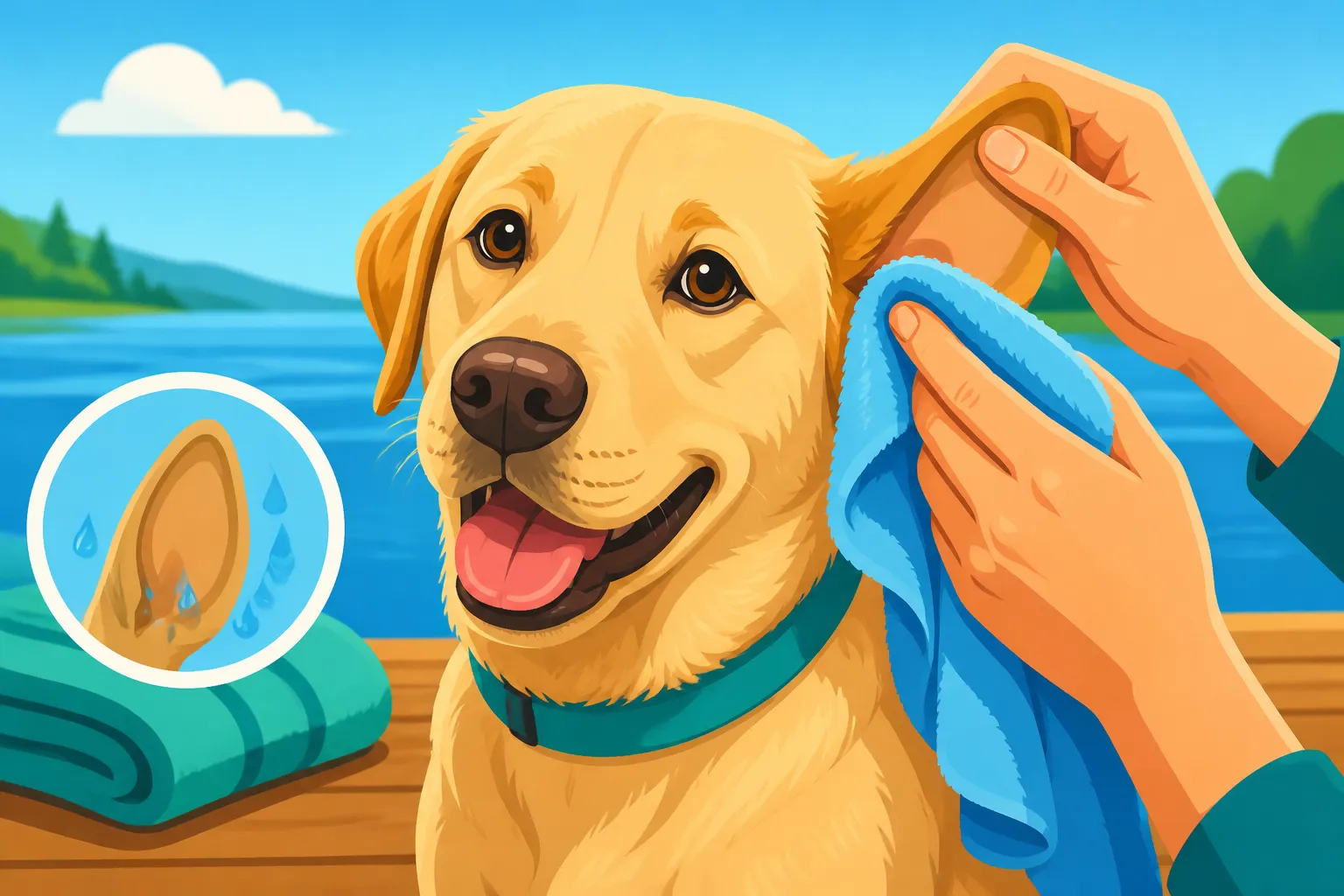
Once your Labrador is out of the water, and has had their enthusiastic full-body shake (which, let's be honest, usually means you're now as wet as they are!), it's time to focus on those ears. The key here is to be gentle but thorough. Start by using your towel to dry the outer ear flap and the immediate opening of the ear canal. Gently lift the ear flap to expose the inner surface and the entrance to the canal, wiping away any visible water. Don't rub too hard, as this can irritate the skin.
Next, take a fresh cotton ball or gauze pad and gently wipe the accessible parts of the ear canal. You're aiming to absorb moisture, not to scrub or delve deep. Twist the cotton ball slightly as you pull it out to ensure it picks up as much moisture as possible. Repeat this with clean cotton balls until they come out relatively dry. If you see any signs of redness, swelling, or discharge, this is your cue to be extra vigilant. Remember, the goal is to remove surface moisture, not to clean out wax or debris that might be deeper in the canal. If you suspect deeper issues, that’s a job for your vet. Many Labs tolerate this well, especially if you start the routine when they’re puppies and make it a positive experience with praise and treats.
When to Use an Ear Cleaner
A good ear cleaner isn't just for when you suspect trouble; it can be an excellent preventative tool, especially if your Labrador is a frequent swimmer or has a history of ear infections. After a particularly long swim, or a dip in less-than-pristine water (think a mucky pond versus a clean, chlorinated pool), an ear cleaner can provide an extra layer of protection. These cleaners are formulated to help dry out the ear canal, change the pH to inhibit microbial growth, and gently break down any wax or debris without causing irritation.
To use an ear cleaner, carefully follow the instructions on the product, but generally, it involves squirting a recommended amount of the solution into the ear canal, gently massaging the base of the ear for 20-30 seconds to help distribute the liquid, and then allowing your dog to shake their head. After they've shaken out the excess, use fresh cotton balls to wipe away any remaining cleaner and dislodged debris from the outer ear. It’s important not to overdo it; once or twice a week for regular maintenance is usually sufficient, but after every swim is recommended for prone dogs. Always check with your vet for guidance on which cleaner is best for your dog and how often to use it, as different dogs have different needs. You might find that integrating this into your post-swim Routine After a Labrador Swims in the Lake becomes second nature.
Here’s a quick overview of common ear drying and cleaning methods:
| Method | Description | Pros | Cons |
|---|---|---|---|
| Outer Ear Towel Dry | Wiping the visible ear flap and entrance with an absorbent towel. | Quick, easy, good for initial moisture removal. | Doesn't address moisture deep in the canal. |
| Cotton Ball Wipe | Gently wiping accessible parts of the canal with cotton balls/pads. | Absorbs deeper moisture, gentle on delicate skin. | Can be tedious, may not reach all areas if done incorrectly. |
| Drying Ear Cleaner | Liquid solution squirted into the canal, massaged, and shaken out. | Effectively dries, adjusts pH, helps prevent microbial growth. | Requires a specific product, some dogs dislike the sensation. |
| Air Drying (Passive) | Allowing ears to dry naturally without intervention. | No effort required from owner. | Highly ineffective for Labs, main cause of infections, very slow. |
| Alcohol/Vinegar Mix | Homemade solutions (diluted alcohol or vinegar). | Inexpensive, readily available. | Can be irritating, incorrect dilution can cause problems, not vet-approved. |
Beyond the Towel: Preventing Future Ear Woes
Drying your Labrador's ears after a swim is crucial, but true ear health is an ongoing commitment. It’s about building a routine, understanding your dog’s unique susceptibilities, and addressing underlying issues. A truly healthy Labrador ear is more than just dry; it's clean, calm, and free from chronic irritation.
Routine Ear Checks and Cleaning
The battle against ear infections isn't just waged after a swim; it's a continuous effort. Regular, routine ear checks are your first line of defense. Aim to check your Labrador's ears at least once a week, and certainly more frequently if they're prone to issues or have been swimming. During your check, gently lift the ear flap and visually inspect the inside of the ear. What you're looking for is a clean, pale pink canal, free of redness, swelling, or any unusual discharge. Give it a sniff – a healthy ear should have little to no odor. If you detect a strong, yeasty, or foul smell, that’s a red flag.
Beyond visual inspection, consider a routine cleaning schedule. For most Labradors, a gentle cleaning with a vet-approved solution every two to four weeks is sufficient, even without swimming. For those avid water dogs or individuals with a history of infections, a weekly cleaning might be more appropriate. Your vet can advise you on How Often to Clean a Labrador's Ears based on their specific needs. This proactive approach helps to keep the ear canal free of excessive wax and debris, which can also contribute to moisture retention and infection risk. Remember, consistency is key to catching problems early and maintaining optimal ear health.
Limiting Moisture Exposure
While it might seem counterintuitive for a breed famous for its love of water, strategic limitation of moisture exposure can be a game-changer for Labradors with chronic ear issues. This doesn't mean banning them from swimming entirely (that would be cruel!), but rather making smart choices and taking extra precautions. For example, if your Labrador is particularly prone to infections, perhaps limit their swims to cleaner bodies of water, like a well-maintained pool, rather than murky ponds or lakes with high bacterial counts.
After any water activity, ensure a super-thorough drying process, as detailed earlier. If you live in an area with high humidity, even rain can be enough to exacerbate existing ear issues. On rainy days, consider a doggy raincoat with a hood, or simply be extra diligent with drying after outdoor excursions. For dogs that get frequent baths, ensure their ears are protected from water entering the canal during bathing. You can place large cotton balls gently in their ears to act as a barrier, removing them immediately afterward. Remember, the goal isn't to prevent all moisture but to manage the lingering dampness that creates a hospitable environment for pathogens. Incorporating these practices into your Routine After a Labrador Swims in the Lake can significantly reduce the incidence of infections.
The Role of Diet and Allergies
Sometimes, ear infections aren't solely about external moisture; they can be a symptom of a deeper, systemic issue, particularly allergies. Many Labradors, unfortunately, are susceptible to environmental allergies (atopy) or food allergies, and one of the most common ways these allergies manifest is through skin inflammation, including in the ears. If your Labrador suffers from recurring ear infections despite diligent cleaning and drying, it’s worth exploring whether allergies might be at play.
Allergic reactions can cause inflammation and itchiness deep within the ear canal, leading to increased wax production and a compromised skin barrier, making them more vulnerable to secondary yeast and bacterial infections. If you notice other signs of allergies, such as itchy skin, paw licking, or gastrointestinal upset, bring this up with your veterinarian. They might suggest an elimination diet to identify food sensitivities or prescribe medications to manage environmental allergies. Sometimes, simply identifying and removing an allergen from your dog's diet or environment can dramatically reduce the frequency and severity of ear infections. Understanding the Signs a Labrador Has a Food Allergy can be crucial in getting to the root cause of chronic ear issues. Addressing allergies is not a quick fix, but it's often essential for long-term ear health and overall well-being.
When to Call the Vet: Recognizing Serious Ear Problems
Even with the most meticulous home care, sometimes an ear infection takes hold, or a problem arises that’s beyond what you can manage yourself. Knowing when to stop trying home remedies and pick up the phone to call your veterinarian is critical for your Labrador’s health and comfort. Delaying professional treatment can lead to more severe, painful, and ultimately, more expensive problems.
Telltale Signs of Infection
You know your Labrador best. Their normal behavior, their usual smells, and the way they typically react. So, when something seems off, trust your gut. The most common signs that an ear infection has taken root are fairly obvious once you know what to look for. One of the clearest indicators is excessive head shaking. It might start subtly, but if it becomes frequent or vigorous, something is definitely bothering them. Another classic sign is scratching at the ears, sometimes so intensely that they might break the skin around the ear, leading to secondary infections or hot spots.
Beyond visible actions, pay attention to odor and discharge. A healthy Labrador ear should have minimal to no smell. If you detect a strong, pungent, yeasty, or foul odor emanating from the ear, it's a huge red flag. Similarly, any discharge — whether it's dark brown and waxy, yellow and pus-like, or bloody — is a sign of infection. You might also notice redness or swelling of the ear flap or within the visible part of the ear canal. Sometimes, the ear will be noticeably warm to the touch. If your Labrador whines, pulls away, or shows signs of pain when you try to examine their ear, that's a clear signal they need professional attention. These symptoms can worsen quickly, so prompt action is important.
Don't Delay: Why Early Intervention Matters
It’s tempting to try a home remedy or wait a few days to see if an ear issue resolves on its own. After all, nobody enjoys an unexpected vet visit or potential Vet Costs for a Labrador Ear Infection. However, with ear infections, delay can be a serious mistake. What starts as a simple outer ear infection can quickly progress. The L-shaped ear canal, which traps moisture, can also trap infection, allowing it to move deeper into the middle or even inner ear. These deeper infections are much more difficult to treat, often requiring oral antibiotics, anti-fungals, and pain medication for weeks, not just topical drops. In severe cases, chronic infections can lead to permanent hearing damage, painful ear canal narrowing, or even rupture of the eardrum.
Beyond the physical discomfort and potential for long-term damage, unchecked ear infections can also become a significant financial burden. A simple course of drops for an early infection might cost a fraction of what extensive diagnostics, specialized medications, and repeat vet visits for a chronic or deep-seated infection would. This is precisely why having comprehensive pet insurance, like a plan from Healthy Paws, can be such a lifesaver. Knowing that a significant portion of those unexpected vet bills for diagnostics, medications, or even specialist referrals could be covered provides immense peace of mind. Early intervention means a quicker recovery for your beloved Labrador and less stress for your wallet. Don't gamble with your Labrador's health; if you see those red flags, call your vet right away.
Disclaimer
This article is intended for informational purposes only and is not a substitute for professional veterinary advice. Always consult with your veterinarian for any health concerns or before making any decisions about your Labrador’s health and treatment.