How Often a Labrador Needs an Eye Exam
It's incredibly stressful when you notice something seems off with your beloved Labrador's eyes. You might wonder if it's just a trick of the light, if they're a little tired, or if something more serious is brewing. Knowing how often your Labrador needs an eye exam can feel like a moving target, leaving you anxious about missing a crucial sign. This comprehensive guide will walk you through the ideal eye exam schedule for Labradors at every life stage, explain what to expect during these visits, and empower you to spot potential issues early.
Understanding Labrador Eye Health: Why Regular Exams Matter
Let's be honest, our Labradors are notorious for being stoic. They'll often try to power through discomfort, which means by the time they show obvious signs of pain or vision trouble, an underlying issue might be quite advanced. This is especially true for eye conditions. Their zest for life and unwavering loyalty often means they adapt to gradual vision loss without much complaint, making regular, proactive eye exams absolutely critical for their long-term well-being.
Labradors and Their Predisposition to Eye Conditions
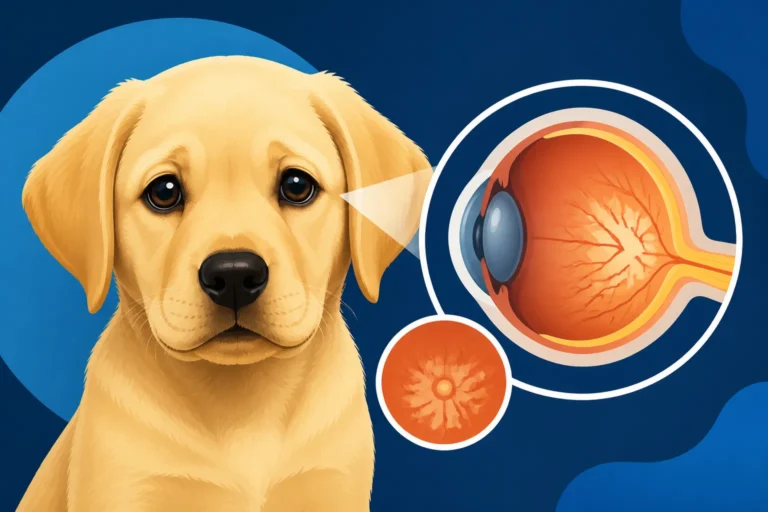
As a breed, Labradors are unfortunately susceptible to several inherited and acquired eye conditions that can significantly impact their quality of life, and in some cases, lead to blindness. It's not fair, I know, but it's our reality as Labrador parents. Conditions like Progressive Retinal Atrophy in Labradors, cataracts, and retinal dysplasia are more common in our beloved retrievers than in many other breeds. Imagine the heartache of seeing your playful pup struggle to navigate familiar spaces because of failing eyesight. This predisposition is exactly why we can't afford to be complacent about their ocular health. Understanding these risks drives home the point that a "wait and see" approach is simply not an option.
The Importance of Early Detection
Think of it like this: if you could catch a potential problem when it's just a tiny flicker, before it becomes a raging fire, wouldn't you? That's what early detection offers with eye conditions. Many eye diseases, if caught early, can be managed with medication, dietary changes, or even surgery, potentially preserving your Labrador's vision for years to come. For instance, some forms of glaucoma, if detected quickly, can be treated to relieve pressure and prevent irreversible damage.
Without regular exams, these conditions can progress silently, often until your dog is experiencing significant pain or irreparable vision loss. By the time you notice your Labrador bumping into furniture or becoming hesitant on stairs, the window for effective intervention might be closing. Regular veterinary eye checks become your best line of defense against these stealthy invaders, ensuring that any subtle changes are identified and addressed long before they become emergencies.
Recommended Eye Exam Schedule for Labradors
So, what's the magic number? While every dog is an individual, there’s a general guideline that provides a robust framework for keeping tabs on your Labrador’s precious peepers. This schedule isn't just about catching problems; it's about establishing a baseline, so your vet knows what's "normal" for your dog, making it easier to spot deviations.
Puppyhood and Early Life
When you first bring home that bouncy Labrador puppy, their health is a whirlwind of vaccinations, deworming, and growth spurts. During this initial phase, several critical eye checks should happen.
- First Vet Visit (8-10 weeks): Your puppy's very first vet appointment should include a thorough general health check, and that absolutely encompasses a basic eye exam. The vet will visually inspect their eyes for any obvious abnormalities, discharge, or signs of infection. This is where conditions like Retinal Dysplasia and Labrador Eye Panels might be initially screened, as some can manifest even at this young age. You're looking for clear, bright eyes, no excessive tearing, and pupils that respond equally to light.
- Breeder's Role: A responsible breeder should have already provided health clearances a Labrador breeder must show for the parent dogs, including recent eye certifications (like those from the Orthopedic Foundation for Animals – OFA, or the Canine Eye Registration Foundation – CERF, now handled by the American College of Veterinary Ophthalmologists – ACVO). This doesn't replace your vet's check-up, but it's a huge step in ensuring you're starting with good genetic stock. Ask about the puppy's parents' eye health history!
- Ongoing Observation: Between vet visits, you, the owner, are the primary observer. Look for any persistent squinting, redness, cloudiness, or sensitivity to light. If your puppy seems to have trouble tracking toys or navigating new spaces, don't dismiss it – bring it up with your vet immediately.
Adult Labradors: Routine Annual Check-ups
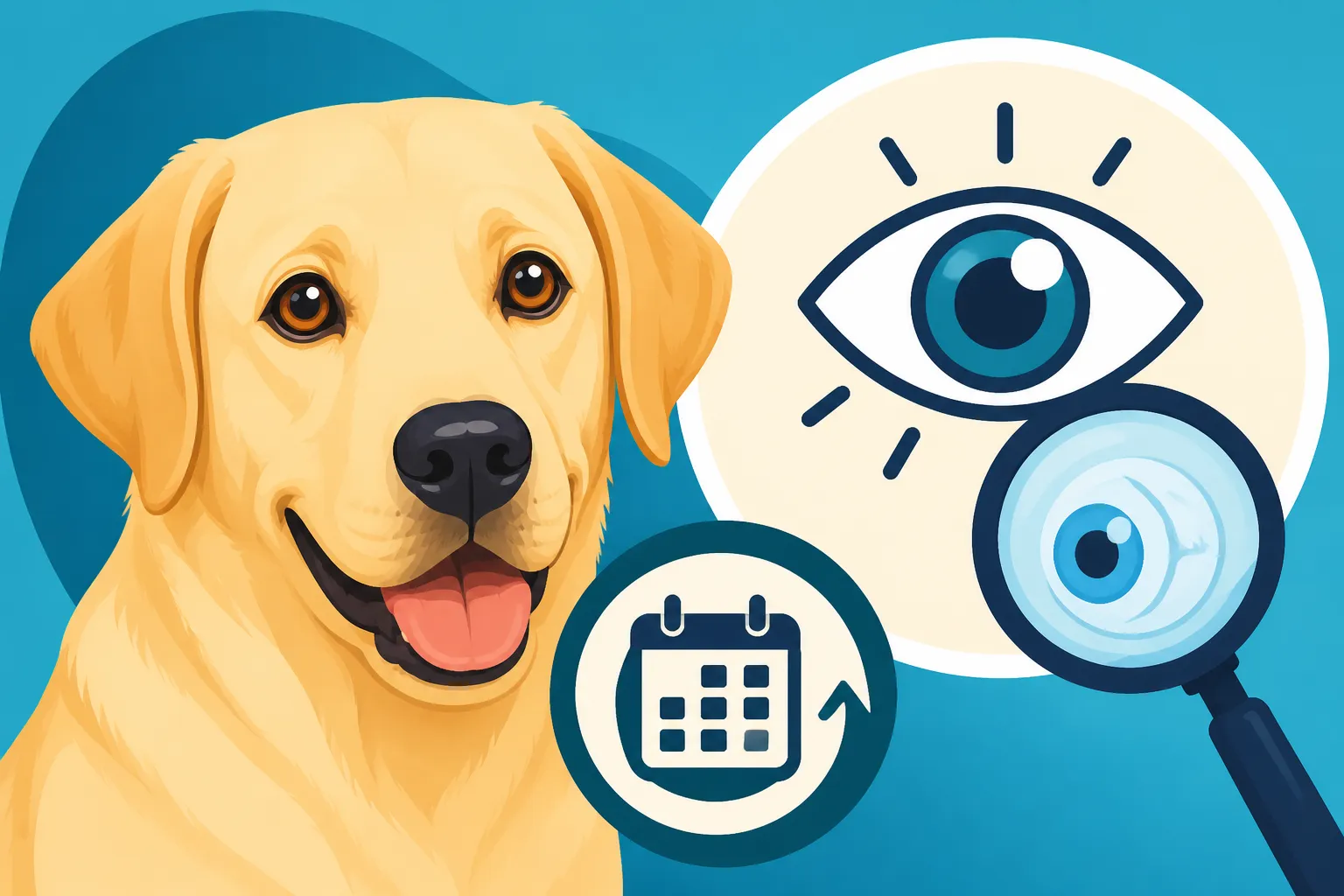
Once your Labrador settles into adulthood, generally from about one year old up to seven or eight years, an annual comprehensive veterinary exam is the gold standard. This yearly visit isn't just for their vaccines; it’s a critical opportunity for a full physical, including an in-depth look at their eyes.
- The Annual Exam: During this yearly check-up, your veterinarian will examine your Labrador's eyes using an ophthalmoscope to look at the retina, optic nerve, and lens. They'll also check for signs of inflammation, infection, or early cataract formation. It's a routine, yet incredibly important, part of their overall health assessment. This annual rhythm allows your vet to track subtle changes over time, establishing a pattern of health for your dog. For instance, a very slight clouding of the lens might be negligible one year, but if it progresses the next, it signals a developing issue.
- Breeds at Higher Risk: Given that Labradors are indeed prone to several eye conditions, this annual check-up isn't just a formality. It’s a necessity. Early cataracts, for example, can often be monitored for a while before they significantly impair vision, but only if they are found.
- Considering Specialists: For certain at-risk lines or if your vet detects something suspicious during a routine exam, they might recommend a consultation with a board-certified veterinary ophthalmologist. Think of it like getting a specialist referral for yourself. These professionals have specialized equipment and expertise to diagnose and treat complex eye conditions. While this might add to your overall pet care budget, potentially requiring you to tap into your Labrador emergency vet bills fund, their expertise can be invaluable for preserving your dog's sight.
Senior Labradors: Increased Frequency and Age-Related Issues
As our beloved Labradors enter their golden years, typically starting around age seven or eight, the frequency and importance of eye exams increase dramatically. Caring for a Senior Labrador means understanding that age brings a higher risk of various health issues, and their eyes are no exception.
- Bi-annual Exams: For senior Labradors, moving to bi-annual (every six months) eye exams is highly recommended. This allows for quicker detection of age-related conditions that can progress more rapidly. Your vet will be specifically looking for signs of nuclear sclerosis (a normal age-related clouding of the lens that usually doesn't affect vision significantly, but can be confused with cataracts), advanced cataracts, glaucoma, and chronic dry eye (keratoconjunctivitis sicca or KCS).
- Common Senior Eye Issues:
- Cataracts: While cataracts can occur at any age due to genetics, diabetes, or injury, they are significantly more common in older dogs. They cause a clouding of the lens, eventually leading to vision impairment or blindness. Detecting them early allows for monitoring and discussion of options, including cataract surgery prices for a Labrador, if deemed appropriate and if your dog is a good candidate.
- Glaucoma: This is a painful condition where fluid pressure builds up inside the eye, damaging the optic nerve. It can lead to rapid and irreversible blindness. Senior dogs are more susceptible, and early detection is paramount. Regular pressure checks (tonometry) can be part of their senior eye exams.
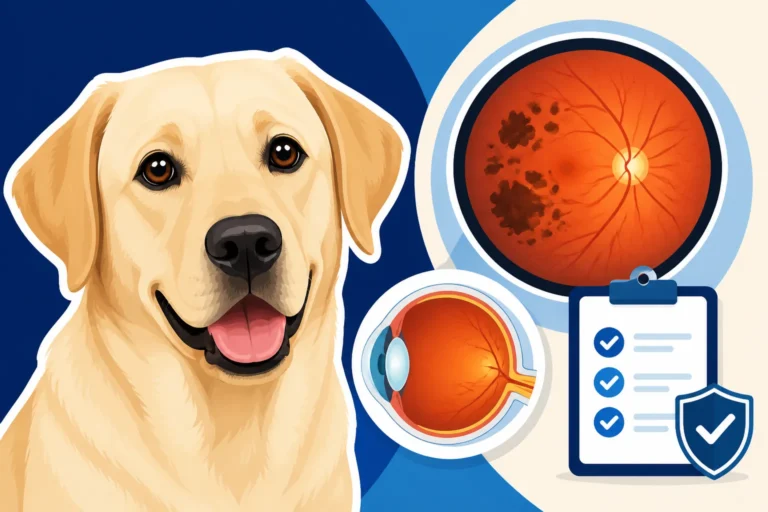
- Progressive Retinal Atrophy (PRA): Although some forms are genetic and appear earlier, others can manifest or progress significantly in older age. The first signs of retinal atrophy in a Labrador can be subtle, like night blindness or hesitation in dim lighting. Regular exams can help track how fast Labrador PRA progresses.
- Behavioral Changes to Watch For: Beyond scheduled exams, be extra vigilant with your senior Labrador. Are they bumping into objects more frequently, especially in low light? Are their pupils constantly dilated? Do they startle easily? These could be subtle indicators of vision loss that warrant an immediate vet visit, not a wait until the next scheduled exam. Remember, your vet might recommend additional diagnostic tests or medications, which could contribute to your Senior Labrador medication costs, but maintaining their comfort and vision is priceless.
What Happens During a Comprehensive Eye Exam
It's natural to wonder what exactly goes on during an eye exam for your dog. It's not like they can read an eye chart, right? Well, while they might not be identifying letters, the process is still incredibly thorough and designed to catch even the most minute issues affecting your Labrador's vision.
The Ocular Examination Process
A comprehensive eye exam for your Labrador typically involves several steps, starting with a general observation and moving into more detailed inspections.
- Initial Visual Inspection: Your vet will begin by simply observing your Labrador's eyes, noting their general appearance. Are they bright and clear? Is there any discharge, redness, swelling, or cloudiness visible to the naked eye? They'll also check how the eyelids sit, whether they roll in or out (entropion or ectropion), and if there are any abnormal hairs rubbing against the cornea. They'll also assess pupil size and symmetry, and how your dog tracks objects with their eyes.
- Palpation and Reflexes: The vet will gently feel around the eye and orbit for any lumps, bumps, or signs of pain. They'll also test basic reflexes like the pupillary light reflex (checking if the pupils constrict in response to light) and the menace reflex (a blink response to a sudden movement towards the eye, indicating the dog can see the movement).
- Magnified Examination: Using specialized tools like a transilluminator or a penlight, the vet will carefully examine the external structures of the eye, including the conjunctiva (the lining of the eyelids), sclera (the white of the eye), and cornea (the clear front surface). They're looking for inflammation, foreign bodies, scratches, or ulcers.
- Ophthalmoscopy: This is where it gets really interesting. Your vet will use an ophthalmoscope, a handheld instrument with a light and magnifying lens, to look deeper into the eye. They'll examine the iris (the colored part), the lens (checking for cataracts), the vitreous (the jelly-like substance filling the eyeball), and most importantly, the retina and optic nerve at the back of the eye. This allows them to detect internal problems that aren't visible from the outside.
Specialized Testing: When and Why Specific Tests Are Needed
Sometimes, a routine visual inspection and ophthalmoscopy aren't enough, or your vet might suspect a specific condition that requires further investigation. That's when specialized tests come into play.
- Schirmer Tear Test: This simple test measures tear production. A small strip of filter paper is placed inside the lower eyelid for one minute. Insufficient tear production can lead to "dry eye" (KCS), which causes chronic irritation and can damage the cornea if left untreated. Many Labradors, especially certain lines, can be prone to this.
- Fluorescein Stain Test: If your vet suspects a scratch or ulcer on the cornea, a special orange dye called fluorescein is applied to the eye. This dye adheres to any damaged areas on the cornea, making them glow bright green under a blue light, allowing the vet to see the extent of the injury.
- Tonometry: This test measures the intraocular pressure (IOP) within the eye. It's crucial for diagnosing glaucoma, a painful condition that can rapidly lead to blindness if not treated. A small probe gently touches the surface of the eye (after numbing drops) to get a reading. This is particularly important for older Labradors or those with a family history of glaucoma.
- Electroretinography (ERG): In cases of suspected retinal disease like PRA, an ERG might be recommended. This test measures the electrical activity of the retina in response to light, similar to how an EKG measures heart activity. It can detect retinal degeneration even before clinical signs are apparent.
- Ocular Ultrasound: If the vet can't see clearly into the back of the eye (e.g., due to dense cataracts or bleeding), an ultrasound can provide images of the internal structures, allowing them to assess the retina and optic nerve.
These tests, while sounding complex, are usually quick and well-tolerated by most Labradors, especially with a calm vet and maybe a tasty treat or two. If your Labrador needs specialized care, having pet insurance like Healthy Paws can be incredibly beneficial for managing the costs of advanced diagnostics and treatments.
Recognizing Warning Signs Between Exams
While regular vet visits are essential, you are on the front lines, observing your Labrador every single day. Being able to recognize subtle warning signs between scheduled eye exams can make all the difference in catching an issue early and preventing more serious complications. Our Labradors are so good at being tough, but even they will give us clues if we know what to look for.
Behavioral Cues and Physical Symptoms
Keep an eye out for changes in your Labrador’s behavior or physical appearance of their eyes. Even small changes can indicate a problem.
- Squinting or Excessive Blinking: If your Labrador is constantly squinting one or both eyes, or blinking more than usual, it's a clear sign of discomfort. This could be due to a foreign object, an injury, an ulcer, or even increased pressure from glaucoma.
- Redness or Swelling: The white part of the eye (sclera) should be mostly white, with minimal visible blood vessels. Persistent redness, especially if accompanied by swelling around the eye or eyelids, could indicate conjunctivitis, allergies, or a more serious infection or inflammation within the eye.
- Discharge: A little bit of clear discharge or "sleep" in the corner of the eye is usually normal. However, if the discharge is thick, yellow, green, or bloody, or if there's an excessive amount of clear, watery discharge, it's a red flag. This can point to infection, irritation, or blocked tear ducts.
- Cloudiness or Color Change: Any cloudiness in the cornea (the clear outer layer) or within the lens (behind the pupil) needs immediate attention. A bluish haze, a white film, or a yellow tint could indicate anything from corneal edema (swelling) to cataracts or glaucoma. Similarly, a noticeable change in the color of the iris (the colored part) can be a sign of inflammation.
- Sensitivity to Light (Photophobia): If your Labrador starts avoiding bright areas, seeking out darker rooms, or squinting intensely in normal light, it suggests photophobia. This is often a symptom of pain or inflammation within the eye.
- Rubbing or Pawing at the Eyes: While Labradors might occasionally scratch an itch, persistent pawing, rubbing their face on furniture, or trying to scratch their eyes with their hind paws means they are experiencing irritation or pain. This behavior can also worsen existing injuries.
- Vision Changes: This can be harder to spot, especially if it's gradual or affects only one eye. Look for hesitation when navigating familiar spaces, bumping into furniture, difficulty catching toys, or being startled easily. Pay close attention in dim lighting – if your Labrador becomes clumsy or hesitant after dark, it could be a subtle sign of Progressive Retinal Atrophy in Labradors or other forms of vision loss. Living With a Blind Labrador, while manageable, is best prepared for if you know what's coming.
When to Seek Urgent Veterinary Attention
Some eye issues simply cannot wait for the next routine appointment. If you observe any of the following, contact your veterinarian immediately or head to an emergency vet clinic. These situations can quickly become sight-threatening emergencies.
- Sudden Blindness: If your Labrador suddenly loses vision, even in one eye, it's a medical emergency. This could be due to sudden retinal detachment, acute glaucoma, or other severe conditions requiring immediate intervention.
- Severe Pain: If your dog is in obvious pain, constantly holding an eye shut, vocalizing, or becoming withdrawn due to discomfort, don't delay. Conditions like acute glaucoma are extremely painful and require urgent treatment to save the eye.
- Protruding Eyeball: If an eye appears to be bulging or protruding more than usual, this is a serious emergency. It could indicate trauma, a severe tumor behind the eye, or extreme pressure.
- Deep Eye Injury or Foreign Object: If you see a foreign object lodged in the eye, or if there's a visible deep cut or puncture wound, do not try to remove it yourself. Prevent your dog from rubbing or pawing at it, and seek veterinary care right away.
- Rapidly Worsening Symptoms: Any eye symptom that appears to be getting worse quickly – increasing redness, more discharge, faster clouding – warrants an urgent vet visit. The faster you act, the better the chances of a positive outcome.
Remember, when it comes to eye health, it's often better to be overly cautious. A quick call to your vet or a visit to an emergency clinic can prevent irreversible damage and save your Labrador's vision. Having a plan for these unexpected costs, perhaps through a dedicated savings account or pet insurance like Healthy Paws, can alleviate some of the stress during an emergency.
Protecting Your Labrador's Vision Long-Term
Beyond regular check-ups and vigilance, there are practical steps you can take every day to safeguard your Labrador's vision and overall eye health. It's about creating a protective environment and making informed choices throughout their lives.
Proactive Care and Lifestyle Tips
Small, consistent efforts can make a big difference in maintaining your Labrador's eye health for as long as possible.
- Balanced Nutrition: A high-quality, balanced diet provides essential vitamins and antioxidants that support overall health, including eye health. While no food is a magic bullet against inherited conditions, good nutrition can bolster their immune system and help prevent secondary issues. Some vets recommend specific supplements like omega-3 fatty acids or antioxidants, especially for older dogs, to support eye health. Always discuss any supplements with your vet first.
- Safe Play and Environment: Labradors love to run through brush, swim in murky ponds, and stick their heads out of car windows. While these are joys of being a Lab, they also pose risks to their eyes.
- Outdoor Hazards: Be mindful of thorny bushes, sharp sticks, or dense undergrowth that could cause eye injuries. After outdoor adventures, always do a quick check of your Labrador's eyes for debris.
- Car Safety: As tempting as it is for them, discourage your Labrador from riding with their head out the car window. Debris, insects, or even just strong wind can cause significant eye irritation or injury. Use a proper car restraint system.
- Chemicals: Be careful with household cleaning products, lawn chemicals, or even aerosol sprays. Ensure your Labrador is not exposed to fumes or direct contact, which can cause chemical burns to the eyes.
- Hygiene and Cleaning: Regular, gentle cleaning around your Labrador's eyes can prevent irritation and infection, especially for dogs prone to tear staining or excessive discharge.
- Gentle Wiping: Use a soft, damp cloth or a vet-approved eye wipe to gently clean away any crust or discharge from the corners of their eyes. Always wipe away from the eye, not towards it, and use a fresh part of the cloth for each eye to prevent spreading infection.
- Avoid Irritants: Do not use human eye drops or harsh soaps. If you suspect an eye infection or irritation, consult your vet before applying anything.
Genetic Screening and Responsible Breeding
This is a huge one, especially if you're bringing a Labrador puppy into your home or considering breeding your own. Many of the serious eye conditions Labradors face are inherited, meaning they're passed down from parent to offspring.
- Health Clearances: When choosing a Labrador puppy, always insist on seeing proof of up-to-date eye clearances for both parents. Reputable breeders will screen for conditions like Progressive Retinal Atrophy (PRA), hereditary cataracts, and retinal dysplasia through organizations like the ACVO (American College of Veterinary Ophthalmologists). These clearances ensure that the breeding pair are not affected by these inherited conditions, significantly reducing the risk of their puppies developing them. A truly ethical breeder will be proud to show you these documents and explain them.
- Genetic Panels: Beyond physical eye exams, genetic tests are available for some specific conditions. For instance, there are DNA tests for several forms of PRA. If you're running a genetic panel worth running on a Labrador, ensure it includes these eye-related markers. Even if a dog doesn't show symptoms of a genetic eye disease, they could be a carrier, meaning they could pass the gene to their offspring. Knowing this information allows responsible breeders to make informed decisions to produce healthier puppies.
- Impact on Lifespan: While directly related to their overall health, severe vision impairment can also affect a Labrador's quality of life and potentially impact their lifespan if secondary issues or accidents occur. Investing in good breeding practices and early detection truly is an investment in your dog's future.
By combining diligent observation at home with regular veterinary check-ups, proactive care, and informed choices about genetics, you can give your Labrador the best possible chance at a lifetime of clear, healthy vision. It might feel like a lot to keep track of, but the joy and companionship our Labs bring us are certainly worth the effort.
Disclaimer
This article is for general informational purposes only and does not constitute professional advice. Laws, prices and regulations vary by location and change over time. Consult a qualified professional for guidance on your specific situation.