Labrador Puppy Vaccination Schedule
Bringing home a new Labrador puppy is an absolute whirlwind of joy, excitement, and let's be honest, a fair bit of anxiety. You want to do everything right for this little bundle of energy, from finding the perfect chew toys that survive a Labrador to ensuring they grow into a healthy, happy adult. But navigating the myriad of vet visits, especially when it comes to their vaccination schedule, can feel like trying to solve a complex puzzle. This guide aims to demystify that schedule, explaining which shots your new Lab needs, when they need them, and why it all matters so much for their long-term well-being.
Understanding the Essential Vaccinations for Your Labrador Puppy
Just like human babies, puppies are vulnerable to a whole host of serious diseases, especially when they're young and their immune systems are still developing. Vaccinations are truly your first line of defense, offering protection against common and often deadly illnesses. For a Labrador puppy, with their inherent drive to explore, swim, and interact, a robust vaccination plan is non-negotiable.
The Core Distemper/Parvo Series
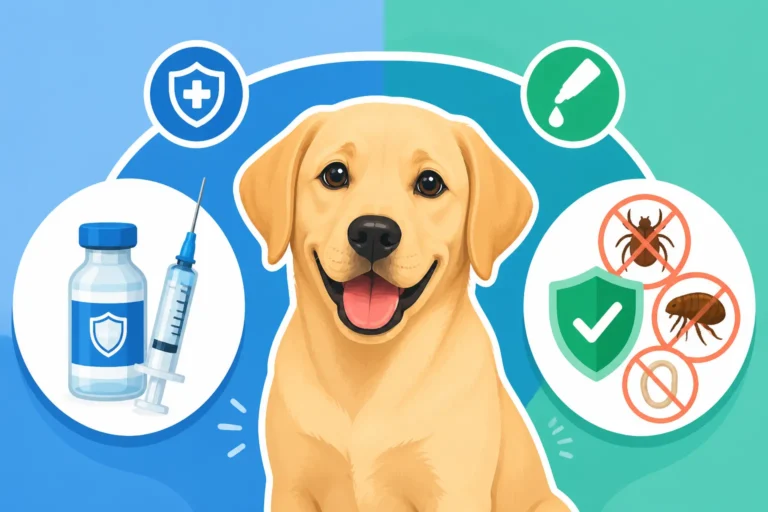
The "distemper series" or "DHPP/DA2PP" is actually a combination vaccine that protects against several very dangerous diseases. This is the cornerstone of your Labrador puppy's early immunization.
- Canine Distemper: This is a severe, often fatal viral disease that affects multiple body systems, including the respiratory, gastrointestinal, and nervous systems. Symptoms can range from fever and coughing to seizures and paralysis. It's highly contagious and can be transmitted through airborne exposure or contact with infected bodily fluids. Given how curious and active Labradors are, often sniffing every blade of grass and puddle, protecting them from this is paramount.
- Adenovirus (Hepatitis): This vaccine typically protects against two types of canine adenovirus. Canine Adenovirus Type 1 (CAV-1) causes infectious canine hepatitis, which can lead to severe liver damage, fever, vomiting, and even death. Canine Adenovirus Type 2 (CAV-2) is a common cause of kennel cough, a respiratory illness. While not usually fatal on its own, kennel cough can be incredibly unpleasant for your puppy and leave them vulnerable to secondary infections.
- Parvovirus (Parvo): Canine parvovirus is another highly contagious and often deadly viral disease, particularly devastating for puppies. It attacks the gastrointestinal tract, leading to severe vomiting, bloody diarrhea, lethargy, and dehydration. Parvo is incredibly hardy and can survive in the environment for months, making it a constant threat. Labrador puppies can be particularly susceptible to severe forms, and the cost of treating Labrador parvovirus can be exorbitant, highlighting the importance of prevention.
- Parainfluenza Virus: This is another common cause of kennel cough, contributing to respiratory issues. While generally not as severe as distemper or parvo, protecting against it helps ensure your puppy develops a healthy respiratory system without unnecessary challenges.
These core vaccines are typically given in a series of shots, usually 3-4 doses, spaced a few weeks apart. The reason for multiple doses is to ensure your puppy's immune system develops strong, lasting protection as their maternal antibodies (passed on from their mother) wane. Without the full series, your puppy remains vulnerable.
Rabies: A Non-Negotiable Protection
Rabies is a fatal viral disease that affects the nervous system of mammals, including humans. It's almost always transmitted through the bite of an infected animal. Because of the public health risk, rabies vaccination is legally required in most jurisdictions across the United States and Canada. Even if your Labrador puppy is destined to be an indoor dog, the risk of accidental exposure is always present, and the consequences are too dire to ignore.
The rabies vaccine is usually given as a single dose when your puppy is a bit older, typically around 12 to 16 weeks of age. After the initial vaccination, booster shots are required, usually every one or three years, depending on the type of vaccine used and local regulations. Your vet will keep you informed of the schedule for your area.
The Typical Labrador Puppy Vaccination Timeline
The precise timing of your Labrador puppy's vaccinations will be determined by your veterinarian, taking into account their age, local disease prevalence, and individual risk factors. However, there's a general schedule that most vets follow to ensure puppies receive optimal protection.
Early Puppyhood: The Critical Weeks (6-14 Weeks)
This period is bustling with vet visits, and for good reason. It's when your puppy is most vulnerable and their immune system is learning to stand on its own.
- 6-8 Weeks Old: This is often the time for your Labrador puppy's first vet visit, where they'll likely receive their first dose of the DHPP/DA2PP combination vaccine. Your vet will also perform a thorough physical exam to check for any underlying issues and discuss things like Labrador Puppy Health in the First Year and how to manage early puppy challenges. This is also a good time to begin discussing a Labrador Vaccination and Parasite Schedule more broadly, including deworming.
- 9-11 Weeks Old: Your puppy will receive their second dose of the DHPP/DA2PP vaccine. This booster is crucial for building immunity as the protective antibodies they received from their mother start to fade. It's a tricky window because while those maternal antibodies protect them, they can also interfere with the vaccine's effectiveness. Multiple doses help bridge this gap.
- 12-14 Weeks Old: The third dose of the DHPP/DA2PP vaccine is typically administered during this period. For many puppies, this third shot helps solidify their immunity. Around this time, your puppy will also likely receive their first rabies vaccination. Depending on your vet's protocol and local risk, discussions about optional vaccines like Leptospirosis might also begin. During these early weeks, it's really important to limit your puppy's exposure to unknown dogs and potentially contaminated areas until they've completed their full series. Socialization is vital, but it needs to be managed carefully with fully vaccinated, healthy dogs in controlled environments.
Later Puppyhood and Beyond (16 Weeks and Up)
By 16 weeks, your Labrador puppy should be well on their way to being fully protected.
- 16+ Weeks Old: If your vet recommends a fourth DHPP/DA2PP booster, or if your puppy started their series later, this is when it would be given. Your vet will confirm that all necessary vaccinations are complete for their initial series. The rabies vaccine given earlier will also need a booster, typically within a year, then every one to three years thereafter. Keeping up with these boosters throughout your Labrador's life is essential for maintaining their protection. For adult Labradors, yearly or tri-yearly boosters will be part of their routine vet visits, alongside discussions on nutrition, weight management (since Why Labradors Gain Weight So Easily is a common concern), and overall Caring for a Senior Labrador as they age.
Here's a simplified table summarizing a common Labrador puppy vaccination schedule:
| Vaccine | Typical Age (Approximate) | Doses Required | Notes |
|---|---|---|---|
| DHPP/DA2PP | 6-8 weeks | 1st dose | Distemper, Adenovirus, Parvovirus, Parainfluenza. Usually the first visit. |
| 9-11 weeks | 2nd dose | Booster shot, crucial for building immunity. | |
| 12-14 weeks | 3rd dose | Final shot of the core series. | |
| 16+ weeks | 4th dose (if needed) | Some vets recommend, especially in high-risk areas or if series started late. | |
| Rabies | 12-16 weeks | 1st dose | Legally required in most areas. |
| Leptospirosis | 12 weeks + | 2 doses (booster 2-4 weeks later) | Optional, based on lifestyle and regional risk. |
| Lyme Disease | 12 weeks + | 2 doses (booster 2-4 weeks later) | Optional, based on lifestyle and regional risk, especially in tick-prone areas. |
| Bordetella | 8 weeks + | 1-2 doses (oral/intranasal usually single, injectable 2 doses) | Optional, often for puppies frequently exposed to other dogs (daycare, boarding, dog parks). |
Always consult your veterinarian for the most accurate and personalized vaccination schedule for your Labrador puppy.
Optional Vaccinations and Regional Risks
Beyond the core vaccines, there are several "non-core" vaccinations that may be recommended for your Labrador, depending on their lifestyle, geographic location, and potential exposure risks. These decisions are best made in close consultation with your vet, who understands the prevalence of diseases in your specific area.
Leptospirosis: A Threat from Wildlife and Water
Leptospirosis is a bacterial disease that can affect both animals and humans. It's often spread through contact with contaminated water, soil, or the urine of infected wildlife (like raccoons, deer, or rodents). Given how much Labradors love water and exploring the outdoors, often wading into ponds or rivers, they can be at a higher risk.
- Why it might be recommended: If your Labrador lives in or frequently visits areas with standing water, goes hiking, interacts with wildlife, or lives in an area with known Leptospirosis outbreaks, your vet will likely recommend this vaccine.
- What to expect: It's typically given in a series of two shots, 2-4 weeks apart, usually starting around 12 weeks of age. Annual boosters are then required.
Lyme Disease: For the Outdoor Adventurer
Lyme disease is another bacterial infection spread through the bite of infected ticks. Symptoms can include lameness, fever, swollen lymph nodes, and kidney issues in severe cases. For Labradors who spend a lot of time outdoors, especially in wooded or grassy areas where ticks thrive, this vaccine can be a crucial layer of protection alongside regular Flea and Tick Products Safe for Labradors.
- Why it might be recommended: If you live in an area with a high incidence of Lyme disease or if your Labrador frequently explores fields, forests, or areas with tall grasses, your vet will likely suggest it. Lyme and Lepto Shots for Labradors are often discussed together.
- What to expect: Like Leptospirosis, it's typically a two-shot series, 2-4 weeks apart, starting around 12 weeks, followed by annual boosters.
Bordetella: The Kennel Cough Defense
Bordetella bronchiseptica is one of the primary culprits behind "kennel cough," a highly contagious respiratory infection. While not usually life-threatening, it can cause a persistent, hacking cough that sounds miserable for your puppy.
- Why it might be recommended: This vaccine is strongly advised for Labradors who will be spending time in environments where they'll be in close contact with many other dogs, such as doggy daycare, boarding facilities, dog parks, obedience classes, or grooming salons.
- What to expect: Bordetella vaccines can be given as an injection, an oral liquid, or an intranasal spray. The intranasal and oral versions often provide quicker protection and might only require a single dose, while the injectable form usually requires two doses. Booster frequency varies depending on the product and risk level, but often it's annually.
Your veterinarian, perhaps using insights from an organization like Healthy Paws for tracking regional health trends, is your best resource for tailoring these optional vaccines to your Labrador's specific needs.
Why Adhering to the Schedule Matters and What to Do If You Miss a Shot
It's easy to get overwhelmed with all the appointments and information during your Labrador puppy's first year. But consistently following the vaccination schedule your vet provides is one of the most important things you can do for their health. Skipping or delaying shots can leave your puppy dangerously exposed.
The Risks of an Incomplete Series
Each vaccine dose in a series builds upon the last, gradually strengthening your puppy's immune response. If you miss a dose, or don't complete the full series, your Labrador puppy will not develop sufficient immunity to fully protect them from these potentially deadly diseases.
- Window of Vulnerability: There's a period, typically between 6 and 16 weeks of age, where a puppy's maternal antibodies are declining, but their own immune system hasn't yet fully responded to vaccinations. This is known as the "window of susceptibility," and it's when they are most vulnerable to infections like parvovirus. Incomplete vaccinations prolong this dangerous window. This is also why strict management of your puppy's environment, avoiding public dog areas, is so crucial until their full series is complete.
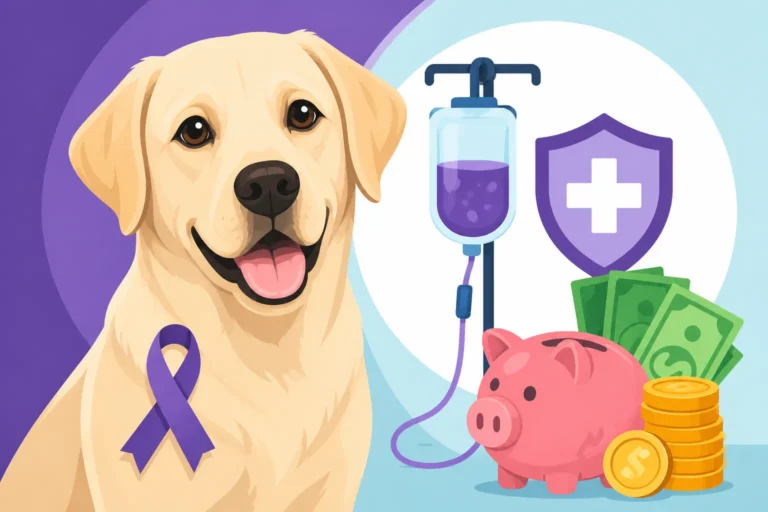
- Severe Illness and Cost: Diseases like parvovirus can quickly lead to severe illness requiring intensive veterinary care, including hospitalization, IV fluids, and medications. The cost of such treatments can be astronomical, easily running into thousands of dollars. While pet insurance from providers such as Healthy Paws can help offset these costs, preventing the illness in the first place is always the best approach. Investing in the full vaccination series is far more economical and humane than treating a preventable disease.
What to Do If You Miss a Vaccination Appointment
Life happens, and sometimes a vet appointment gets missed. It's a common worry among new puppy parents. The most important thing is not to panic, but to act quickly.
- Contact Your Vet Immediately: As soon as you realize you've missed a shot, call your veterinarian's office. They will advise you on the best course of action. In most cases, they won't make you restart the entire series. Instead, they'll simply pick up where you left off, continuing the vaccination schedule with the next due dose.
- Avoid Restarting: Unless specifically instructed by your vet, you generally do not need to restart a vaccination series from the beginning if a dose is missed. The established immunity from previous doses will still be there, and the goal is to continue building on it.
- Increase Caution: Until your puppy has completed their full vaccination series, continue to exercise extreme caution regarding their exposure to unfamiliar dogs or public places where unvaccinated animals might have been. This means holding off on dog park visits and group puppy classes until your vet gives the all-clear. However, remember that socialization is incredibly important for a young Labrador, so finding safe, controlled environments (like playdates with fully vaccinated adult dogs you know well) is still encouraged.
By understanding the importance of each vaccination, following the recommended schedule, and communicating openly with your veterinarian, you're setting your Labrador puppy up for a lifetime of health and happiness. Their first year is foundational, and proper vaccination is a huge part of that foundation.
Disclaimer
The information provided in this article is for general informational purposes only and does not constitute veterinary advice. Always consult with a qualified veterinarian for any health concerns or before making any decisions related to your Labrador Retriever's care and vaccination schedule.