Joint Supplements That Help a Labrador
It's heartbreaking to watch your once-bouncy Labrador slow down, struggle to get up, or hesitate before jumping into the car. Joint issues are a silent thief of joy for so many Labradors and their families, often starting subtly but progressing into painful, life-limiting conditions. This guide is dedicated to helping you understand how joint supplements can be a vital part of supporting your Labrador's joint health, exploring the ingredients that genuinely make a difference, and offering practical advice on integrating them into your dog's care routine.
Understanding Labrador Joint Health Challenges
Labrador Retrievers are renowned for their playful spirit, boundless energy, and love for activity, but these very traits, combined with their large size and genetic predispositions, often make them prime candidates for joint problems. It's a cruel irony that the characteristics we adore can sometimes contribute to future discomfort for our beloved companions. Owners often feel a deep sense of frustration, wondering if there was something more they could have done to prevent these issues, or how best to manage them once they appear.
The Reality of Canine Osteoarthritis
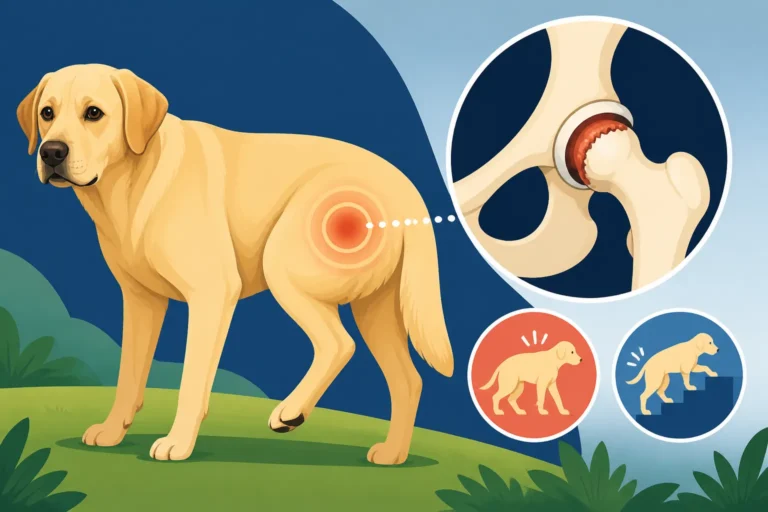
Osteoarthritis, often simply called arthritis, is a degenerative joint disease that is incredibly common in large breeds like Labradors. It’s not just an "old dog" disease; it can begin much earlier in life, silently eroding your dog's comfort and mobility. Essentially, osteoarthritis involves the breakdown of cartilage, the smooth, protective tissue that cushions the ends of bones within a joint. When this cartilage wears away, bones start to rub against each other, leading to pain, inflammation, stiffness, and reduced range of motion. Imagine sandpaper rubbing together inside a joint – that's often what it feels like. The frustration of seeing a dog who once leaped with abandon now struggle with stairs or a simple walk is profound, and it's vital to recognize that this isn't just "getting old"; it's a painful condition that needs attention.
The process often starts with microscopic damage that accumulates over time, exacerbated by factors such as genetics, obesity, injury, and conformation. For Labradors, their rapid growth rate as puppies and their active lifestyles can place significant stress on developing joints. While we love to see them chase a ball or splash in the lake, these activities, without proper care and monitoring, can contribute to the wear and tear that eventually leads to osteoarthritis. Early intervention and supportive measures are key to trying to slow this progression and maintain their quality of life for as long as possible.
Common Joint Conditions in Labradors
Beyond general wear and tear, Labradors are particularly prone to specific genetic joint conditions that lay the groundwork for early-onset arthritis. The two primary concerns that often haunt Labrador owners are hip and elbow dysplasia. These conditions are heartbreaking because they're often present from a young age, even if clinical signs don't show up until later. Many concerned owners will research extensively to understand conditions like Labrador Hip and Elbow Dysplasia to be prepared.
Hip dysplasia occurs when the hip joint, a ball-and-socket joint, doesn't form correctly. The ball (femoral head) and socket (acetabulum) don't fit snugly, leading to looseness, instability, and abnormal wear. Elbow dysplasia is a similarly complex condition involving abnormal development of the elbow joint, often leading to bone fragments, malformation, or incongruity. Both conditions inevitably lead to secondary osteoarthritis as the body tries to cope with the abnormal joint mechanics. It’s a bitter pill to swallow when you realize your dog might be in pain due to something they inherited, despite your best efforts.
Furthermore, Labradors can experience other orthopedic issues such as cruciate ligament tears, particularly the cranial cruciate ligament (CCL), which is similar to an ACL tear in humans. While not purely developmental, these injuries are often linked to underlying joint instability or chronic wear and tear, and once repaired, can still predispose the joint to arthritis down the line. Even without these specific conditions, simply being a large, active breed means a Labrador's joints are under more stress throughout their life compared to smaller, less active dogs, making them more susceptible to Labrador Arthritis in Middle Age. Recognizing the signs of discomfort and pain in a dog, especially a stoic breed like a Labrador, can be challenging, but understanding Reading Pain in a Stoic Labrador is crucial for early intervention.
Key Ingredients to Look for in Joint Supplements
When you walk into a pet store or browse online, the sheer number of joint supplements can be overwhelming. It feels like everyone is promising a miracle, and it's easy to get lost in the jargon. The key is to understand the science behind the most effective ingredients and what they actually do for your Labrador's joints. It's not about finding a magic bullet, but rather a combination of compounds that work synergistically to support joint health, reduce inflammation, and, hopefully, ease discomfort.
Glucosamine and Chondroitin: The Dynamic Duo
If there are two names that consistently pop up in joint supplement discussions, it's glucosamine and chondroitin. And for good reason! These two compounds are often referred to as the "building blocks" of cartilage and are fundamental to joint health. Glucosamine, an amino sugar, plays a crucial role in forming and repairing cartilage, the spongy tissue that acts as a cushion between bones. It helps stimulate the production of proteoglycans and collagen, essential components for healthy cartilage structure. By supporting cartilage repair, glucosamine can help maintain the joint's integrity and flexibility.
Chondroitin sulfate, a complex carbohydrate, works hand-in-hand with glucosamine. Its primary role is to provide elasticity to cartilage and inhibit the enzymes that break down cartilage over time. Think of it as helping the cartilage retain water, which is vital for its shock-absorbing properties and nutrient transport within the joint. Chondroitin also possesses anti-inflammatory properties, which can help reduce the swelling and pain often associated with arthritis. The synergy between glucosamine and chondroitin is what makes them such a powerful pair in joint support. They don't just patch things up; they actively contribute to the structure and resilience of the joint. Most commonly, these ingredients are derived from shellfish (glucosamine) and bovine or porcine cartilage (chondroitin), so if your dog has allergies, it's something to discuss with your vet.
Omega-3 Fatty Acids: More Than Just a Shiny Coat
When we think of omega-3s, shiny coats and healthy skin often come to mind, but their benefits extend deep into joint health, making them a cornerstone of any good joint supplement. The most important omega-3 fatty acids for joint health are Eicosapentaenoic Acid (EPA) and Docosahexaenoic Acid (DHA), which are primarily found in fish oil. These aren't just any fats; they are potent natural anti-inflammatories. Unlike some medications that suppress the immune system, EPA and DHA work by altering the body's inflammatory pathways, reducing the production of inflammatory molecules that contribute to joint pain and cartilage damage.
For a Labrador dealing with arthritis, reducing inflammation is key to improving comfort and mobility. Less inflammation means less pain and stiffness, allowing your dog to move more freely and enjoy their daily activities. When choosing an omega-3 supplement, focus on the concentration of EPA and DHA rather than just the total fish oil amount. Look for products that are molecularly distilled to remove heavy metals and other toxins, ensuring a pure and potent supplement. Many owners are surprised by how much relief a high-quality fish oil can provide, often seeing improvements in their dog's energy levels and willingness to engage in play.
MSM, Hyaluronic Acid, and Other Beneficial Additions
Beyond the big two, several other ingredients can significantly boost the effectiveness of a joint supplement by tackling different aspects of joint health. Methylsulfonylmethane (MSM) is a naturally occurring sulfur compound known for its anti-inflammatory and pain-relieving properties. It's often included in supplements to help reduce discomfort associated with arthritis and exercise, offering another layer of relief. Some owners swear by MSM for its ability to reduce swelling and improve mobility, especially in dogs with chronic pain.
Hyaluronic Acid (HA) is another valuable player. It's a major component of synovial fluid, the viscous liquid that lubricates the joints and provides shock absorption. Supplementing with HA can improve the quality and quantity of this fluid, essentially "greasing the wheels" of the joint. This can lead to smoother movement and reduced friction, which is particularly beneficial for stiff or creaky joints. You might find HA listed as sodium hyaluronate on ingredient lists.
Other powerful natural additions often include green-lipped mussel (GLM) extract, a source of unique omega-3s, glucosamine, chondroitin, and amino acids, all working together to reduce inflammation and support cartilage. Turmeric, or its active compound curcumin, is also a potent antioxidant and anti-inflammatory that can be highly beneficial. Ascorbic acid (Vitamin C) is an antioxidant that supports collagen production, though dogs produce their own, supplemental amounts can be helpful in stressed systems. The best supplements often combine several of these ingredients to create a multi-pronged attack on joint pain and degeneration, maximizing the chances of providing relief and support for your Labrador's precious joints.
Choosing the Right Joint Supplement for Your Labrador
Navigating the world of joint supplements for your beloved Labrador can feel like a minefield. With so many options, promises, and price points, how do you even begin to pick the right one? The truth is, there's no one-size-fits-all answer, and a thoughtful, informed approach is always best. This isn't just about throwing money at a problem; it's about making a genuine difference in your dog's comfort and quality of life.
Consulting Your Veterinarian: A Non-Negotiable Step
Before you even think about purchasing a joint supplement, the absolute first and most crucial step is to talk to your veterinarian. This isn't just a suggestion; it's a non-negotiable part of responsible pet ownership. Your vet can accurately diagnose the underlying cause of your Labrador's joint issues, whether it's early-stage arthritis, hip dysplasia, an injury, or something else entirely. Without a proper diagnosis, you're essentially guessing, and while supplements are generally safe, they are not a substitute for veterinary-prescribed medications or treatments for severe conditions.
Your vet can also guide you on appropriate dosages, potential interactions with other medications your Labrador might be taking, and recommend specific brands they trust based on their knowledge of efficacy and quality. They can help you understand Arthritis Signs in a Seven-Year-Old Labrador or other subtle cues your dog might be giving. They might even suggest diagnostic imaging like X-rays to get a clearer picture of the joint health. This professional insight is invaluable and ensures you're not wasting money on something ineffective or, worse, delaying proper medical treatment. They're your best partner in formulating a comprehensive plan to help your dog, and their advice will be tailored specifically to your Labrador's unique needs and health history.
Quality, Formulation, and Third-Party Testing
Once you've spoken with your vet, the next challenge is selecting a high-quality supplement from the myriad options available. This is where vigilance and a discerning eye come into play. Not all supplements are created equal, and unfortunately, the pet supplement industry isn't as tightly regulated as human pharmaceuticals. This means you need to be a savvy consumer. Look for reputable brands that are transparent about their ingredients, sourcing, and manufacturing processes. They should clearly state the amount of each active ingredient, not just proprietary blends.
Consider the formulation: Do you prefer a chew, a powder, or a liquid? Chews are often palatable and easy to administer, while powders can be mixed directly into food. Ensure the dosage is appropriate for your Labrador's weight, as under-dosing might render the supplement ineffective, and over-dosing could potentially cause issues. Most importantly, seek out brands that engage in third-party testing. This means an independent laboratory has verified the ingredients and their concentrations, ensuring purity, potency, and freedom from contaminants. Look for seals from organizations like the National Animal Supplement Council (NASC) or similar certifying bodies, which indicate adherence to quality standards. Pet insurance providers, like Healthy Paws, often encourage proactive health management and routine veterinary care, understanding that investing in quality supplements and vet visits can lead to better long-term outcomes and potentially fewer costly interventions down the line.
Setting Realistic Expectations and Long-Term Commitment
It’s natural to want instant results when your beloved Labrador is in pain, but it's crucial to set realistic expectations when it comes to joint supplements. These are not quick-fix medications; they are supportive therapies that work gradually over time. You might not see noticeable changes for several weeks or even a couple of months. Consistency is paramount; skipping doses or stopping too soon won't allow the ingredients to accumulate and work their magic. Think of it as tending a garden; you don't plant a seed and expect a full bloom overnight.
Joint supplements are best viewed as part of a long-term, holistic approach to joint care. They complement other crucial elements such as weight management, appropriate exercise, and regular veterinary check-ups. For instance, if your Labrador is overweight, no supplement alone will fully alleviate the strain on their joints. The goal isn't necessarily to "cure" arthritis, but to manage symptoms, reduce pain, improve mobility, and slow the progression of joint degeneration, allowing your Labrador to live a more comfortable and active life. This long-term commitment is an act of love and dedication, helping you in Slowing Joint Decline in an Older Labrador and ensuring they have the best possible quality of life.
Integrating Supplements into a Holistic Joint Care Plan
Joint supplements are powerful allies, but they truly shine when integrated into a broader, holistic strategy for your Labrador's joint health. Think of it like building a strong house; you need a solid foundation, sturdy walls, and a good roof. Supplements are just one of those essential components. For a Labrador, who often puts their joints through their paces, a comprehensive approach is the best way to ensure their comfort and mobility throughout their lives.
Diet and Weight Management
Perhaps the single most impactful factor in managing and preventing joint issues in Labradors is maintaining a healthy weight. It’s an incredibly simple concept, yet one that many owners struggle with, especially given how food-motivated Labradors can be. Every extra pound your Labrador carries puts exponentially more stress on their joints, accelerating cartilage wear and increasing inflammation. It’s a harsh truth, but it’s one that cannot be ignored. We often discuss Why Labradors Gain Weight So Easily because their genetic predisposition means we have to be extra vigilant.
Feeding a high-quality, balanced diet specifically formulated for large breed dogs (especially during puppyhood to manage growth rate) and adhering strictly to portion control are critical. Resist the urge to constantly give treats, or at least opt for low-calorie alternatives like carrots or green beans. If your Labrador is already overweight, working with your vet to implement a safe and effective weight loss plan is paramount. Shedding those extra pounds can dramatically reduce pain and improve mobility, often more effectively than any supplement alone. You might find resources on Labrador Obesity and the Years It Costs helpful, as maintaining a lean body condition is one of the most powerful things you can do to extend your Labrador’s comfortable lifespan.
Appropriate Exercise and Physical Therapy
Exercise is essential for a Labrador's physical and mental well-being, but when joint issues are present, the type and amount of exercise become critical. High-impact activities like intense fetching on hard surfaces or agility courses with sharp turns can exacerbate joint damage. Instead, focus on low-impact forms of exercise that maintain muscle strength without stressing the joints. Swimming is often hailed as the perfect exercise for Labradors with joint issues, as it allows them to move their limbs through their full range of motion without bearing weight. Long, gentle walks on soft surfaces like grass or trails are also excellent.
For Labradors with diagnosed conditions like hip or elbow dysplasia, or those recovering from injuries, physical therapy can be immensely beneficial. This might include hydrotherapy (underwater treadmill), therapeutic exercises to build specific muscle groups, massage, and stretching. These therapies are designed to improve strength, flexibility, and balance, reducing pain and improving overall function. If your dog has hip issues, seeking advice on Physical Therapy for a Labrador With Bad Hips could be a game-changer for their comfort. The goal is to keep them moving in a controlled, therapeutic way, preventing muscle atrophy that can further destabilize compromised joints.
Regular Vet Check-ups and Monitoring
Even with the best diet, exercise, and supplement regimen, regular veterinary check-ups are an indispensable part of a holistic joint care plan. Early detection of any new or worsening joint problems is key to effective management. Your vet can perform physical examinations, assess gait, and recommend follow-up imaging if necessary. They can monitor the progression of conditions like arthritis and adjust treatment plans as needed, incorporating everything from medication for pain flare-ups to discussions about advanced therapies.
These routine visits also provide an opportunity to discuss the effectiveness of the joint supplements you're using. If a particular supplement isn't yielding the desired results after a reasonable trial period, your vet might suggest an alternative or a different combination of ingredients. They can also ensure that your Labrador's overall health isn't being negatively impacted by any aspect of their care plan. Knowing that your pet insurance, like Healthy Paws, can help cover the costs of these essential vet visits, diagnostics, and even some alternative therapies, can bring immense peace of mind. It allows you to prioritize your Labrador's health without constantly worrying about the financial burden, fostering a proactive approach to their well-being and helping them potentially achieve a Median Labrador Lifespan in Veterinary Records.
Joint Supplement Comparison Table
To help you visualize the different roles of common joint supplement ingredients, here's a quick comparison. Remember to always consult your veterinarian before starting any new supplement regimen.
| Ingredient | Primary Benefit(s) | Mechanism of Action | Common Sources | What it Helps With |
|---|---|---|---|---|
| Glucosamine | Cartilage repair, anti-inflammatory | Stimulates cartilage matrix production (proteoglycans, collagen) | Shellfish (glucosamine HCl) | Osteoarthritis, joint flexibility |
| Chondroitin Sulfate | Cartilage elasticity, inhibits breakdown, hydration | Prevents cartilage-destroying enzymes, draws water to cartilage | Bovine/porcine cartilage | Joint shock absorption, stiffness |
| MSM (Methylsulfonylmethane) | Pain relief, anti-inflammatory, antioxidant | Reduces inflammation, supports connective tissue | Plants, supplements | Pain, stiffness, post-exercise recovery |
| Omega-3 Fatty Acids | Potent anti-inflammatory, reduces pain | Modulates inflammatory pathways (EPA, DHA) | Fish oil (salmon, anchovy, sardine) | Joint pain, swelling, overall inflammation |
| Hyaluronic Acid | Joint lubrication, shock absorption | Improves synovial fluid viscosity and elasticity | Fermentation, rooster combs | Stiff joints, reduced friction |
| Green-Lipped Mussel | Anti-inflammatory, cartilage support, broad nutrients | Unique omega-3s, glucosamine, chondroitin, amino acids | New Zealand green-lipped mussels | Comprehensive joint support, pain relief |
| Turmeric/Curcumin | Powerful anti-inflammatory, antioxidant | Blocks inflammatory pathways | Turmeric root | Inflammation, pain, oxidative stress |
Disclaimer
The information provided in this article is for educational purposes only and is not intended as a substitute for professional veterinary advice. Always consult with your veterinarian before starting any new diet, supplement, or exercise program for your Labrador Retriever, especially if they have existing health conditions or are on medication.