Limber Tail After a Labrador Swims
It's a sight no Labrador owner wants to see: your usually vibrant, tail-wagging companion comes out of the water, and suddenly, their tail is limp, lifeless, or held in a strange, half-cocked position. This sudden inability to wag, often accompanied by obvious pain, is known as "limber tail," or acute caudal myopathy, and it can be incredibly distressing to witness. This guide will walk you through what limber tail is, why it often happens after a good swim, how to provide comfort, and most importantly, how to help prevent this painful condition so your Labrador can enjoy all their favorite activities.
Understanding Limber Tail in Labradors
Limber tail, also commonly called cold tail, dead tail, swimmer's tail, or even "sprung tail," is a painful muscle injury affecting the tail base. It’s not just a funny quirk; it’s a real and often severely uncomfortable condition that can leave your usually stoic Labrador looking miserable.
What it Looks Like and Feels Like
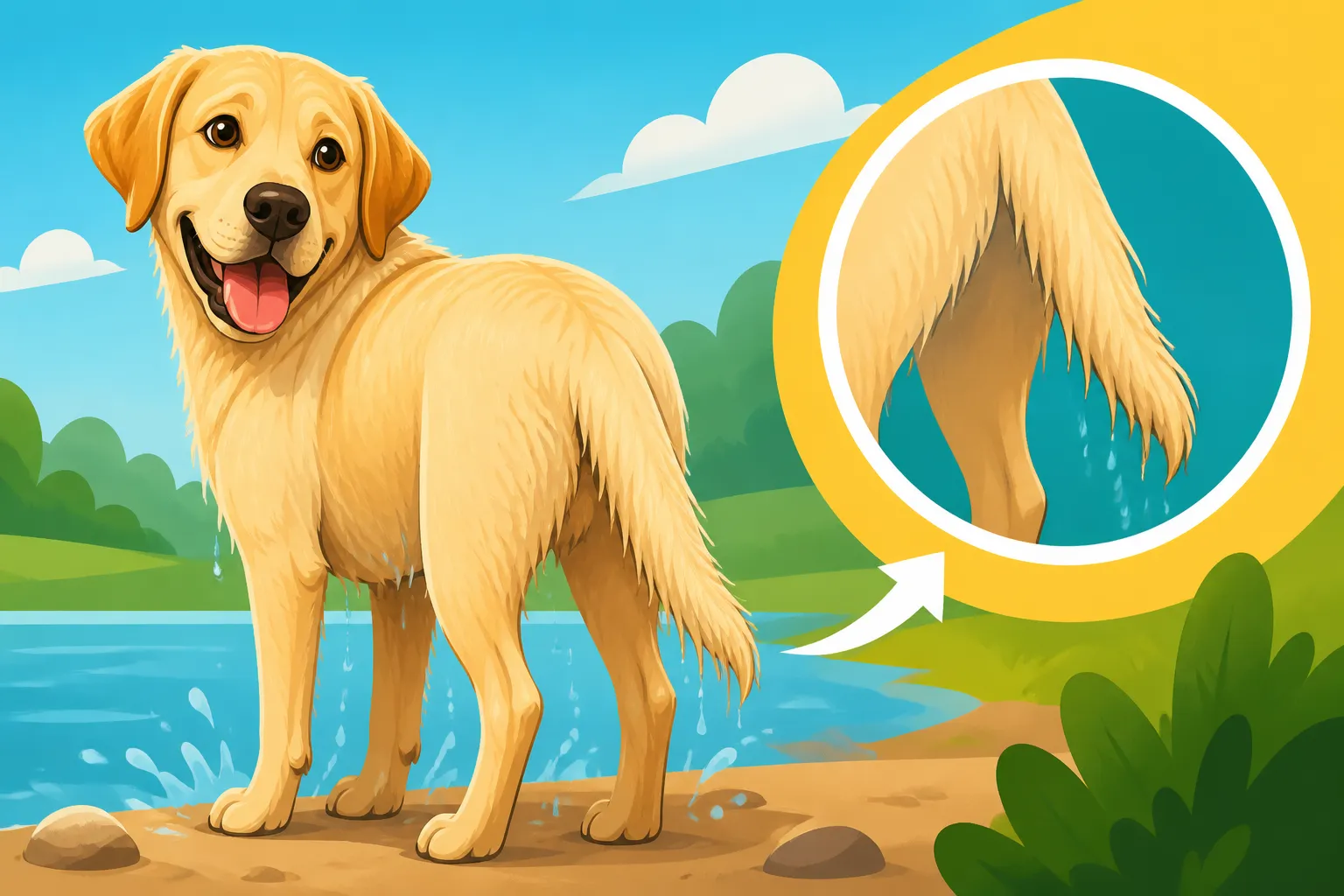
The most unmistakable symptom of limber tail is the sudden onset of a limp, flaccid tail. Your Labrador might hold it out a few inches from their body before it drops straight down, resembling a "dead" or broken tail. Sometimes, they'll hold it horizontally for a short distance before it hangs vertically, giving it a "half-mast" appearance. It's a stark contrast to the usual vigorous wag we all know and love.
Beyond the visible droop, pain is a huge component of limber tail. Your dog might yelp or whimper if you try to touch the base of their tail. They might be reluctant to sit down normally, often shifting their weight or sitting awkwardly to one side to avoid putting pressure on the painful area. You might also notice a general lethargy, a loss of appetite, or even reluctance to relieve themselves if moving their tail causes too much discomfort. Owners often report their dogs acting uncharacteristically quiet or withdrawn, seeing your usually stoic Labrador show signs of discomfort, as they often hide pain quite well, making it hard to interpret if you aren't keenly aware of Reading Pain in a Stoic Labrador. In some cases, there might be slight swelling at the very base of the tail where it meets the body, indicating inflammation in the muscles.
The Underlying Cause: Muscle Strain at the Tail Base
At its core, limber tail is an acute myopathy, which simply means a sudden disease of the muscle. Specifically, it affects the coccygeal muscles located at the base of your Labrador's tail. While the exact physiological mechanism isn't fully understood, it's believed to be a form of muscle strain, fatigue, or damage, possibly due to a temporary reduction in blood flow (ischemia) or a build-up of lactic acid from overexertion.
Think about how you feel after an intense workout involving muscles you don't normally use much – stiff, sore, perhaps even a bit swollen. That's essentially what happens to your Labrador's tail muscles. The tail is not just for wagging; it's a vital tool for balance, steering, and communication. During activities like swimming, a Labrador's tail acts like a powerful rudder, constantly moving to propel and guide them through the water. This intense, sustained use of the tail muscles, particularly when performing repeated retrieves in the water, is a major contributor. It’s similar to how an athlete might get a muscle strain from pushing too hard without proper conditioning, or how a Labrador might get Cruciate Ligament Tears in Labradors if not properly conditioned. When these muscles are worked unusually hard, especially in cold conditions, they can become fatigued, inflamed, and painful, leading to the characteristic limp tail.
Triggers and Risk Factors for Limber Tail
While the exact cause is muscular strain, certain activities and conditions significantly increase a Labrador's risk of developing limber tail. As the name "swimmer's tail" suggests, water activities are often at the top of the list.
The Swimming Connection
It's almost a cruel irony that one of a Labrador's most beloved activities – swimming – is a primary trigger for limber tail. Labradors are famously built for water work, with their dense, water-repellent double coats and strong, otter-like tails. However, even the most enthusiastic swimmer can overdo it.
The issue isn't just the act of swimming itself, but often the combination of factors:
- Prolonged or Intense Swimming: An hour-long session of fetching bumpers from a lake can put tremendous strain on the tail muscles. These muscles are constantly working to steer, balance, and propel the dog.
- Cold Water Immersion: Swimming in cold water, especially when the air temperature is also cool, can exacerbate the problem. Cold temperatures can cause blood vessels to constrict, potentially reducing blood flow to the tail muscles and contributing to muscle damage or delayed recovery. This is why it’s so important to consider Cold Water Safety for a Labrador when letting them enjoy a dip.
- Lack of Conditioning: A Labrador who spends most of their time lounging and then suddenly engages in a marathon swimming session is at higher risk. Their tail muscles aren't conditioned for that level of exertion.
- Excitement and Overexertion: The sheer joy and excitement of retrieving can make a Labrador push themselves far beyond their physical limits, ignoring early signs of fatigue until it's too late.
It's not uncommon for owners to describe a fun afternoon at the lake followed by a sudden, painful limp tail the next morning. This delay in symptoms is typical of muscle soreness and inflammation.
Other Potential Triggers
While swimming is a common culprit, limber tail isn't exclusively a "swimmer's" problem. Other scenarios can also put excessive strain on the tail muscles:
- Vigorous Exercise in Cold Weather: Even land-based activities, such as an intense day of hunting or extended play in chilly temperatures, can trigger limber tail. The cold, combined with strenuous and unusual tail movements (like those used for balance on uneven terrain), can be enough.
- Prolonged Crate Confinement: While less common, some anecdotal reports suggest that prolonged periods of crating, especially after vigorous activity, might contribute to limber tail if the dog's tail is held in an unnatural position or if they aren't given adequate opportunity to stretch and recover.
- Intense Training Sessions: Any activity that involves unusual or sustained tail movement can be a risk. A new obedience exercise requiring specific tail posture, or even an overly enthusiastic greeting session with lots of frantic wagging, could potentially contribute.
- Breed Predisposition: While Labradors are highly susceptible, other breeds known for their water retrieving abilities or active tail use, such as Golden Retrievers, English Pointers, Setters, and Beagles, can also experience limber tail. It speaks to the unique anatomy and function of their tails.
What to Do When Your Labrador Has Limber Tail
Finding your Labrador with limber tail can be alarming, but the good news is that it's usually a temporary condition. Knowing how to act quickly and appropriately can significantly aid their comfort and recovery.
Immediate Home Care and Comfort
The most important thing you can do right away is provide rest and pain relief.
- Strict Rest: This is paramount. No more swimming, no intense games of fetch, no long walks. Your Labrador needs complete rest for their tail muscles to recover. Keep them quiet and limit their movement as much as possible.
- Warmth and Comfort: Apply gentle warmth to the base of the tail. A warm compress, a heating pad on a low setting (always with a towel barrier and never left unattended), or even simply a warm blanket can help increase blood flow and ease muscle soreness. Ensure your Labrador is comfortable and cozy, perhaps in their favorite soft bed.
- Gentle Handling: Avoid touching or pulling on their tail, as it will be extremely painful. Be mindful when petting them, ensuring you don't accidentally bump the sensitive area.
- Observation: Keep a close eye on their overall demeanor, appetite, and ability to urinate and defecate. While rare, any sudden changes in these areas should prompt a vet visit.
When a Vet Visit is Essential
While many cases of limber tail resolve with rest, it's always wise to consult your veterinarian, especially if the pain is severe, if symptoms don't improve within a day or two, or if you're unsure of the diagnosis. It’s too easy to mistake limber tail for something more serious.
Your vet can:
- Confirm the Diagnosis: They'll perform a physical examination to rule out other, more serious conditions that can present similarly, such as tail fractures, spinal injuries (especially in the lower back), anal gland issues, or even prostate problems in male dogs. These conditions require entirely different treatments and can have much more severe consequences.
- Manage Pain: If your vet determines your Labrador is experiencing significant pain, they may prescribe Pain Medication Vets Prescribe for Labradors to help ease their discomfort. Non-steroidal anti-inflammatory drugs (NSAIDs) are commonly used to reduce pain and inflammation, making your dog much more comfortable during recovery. Remember, never give human pain medication to your dog, as it can be toxic.
- Advise on Recovery: Your vet can provide specific guidance on rest periods and when it's safe to gradually reintroduce activity.
Vet visits, especially for diagnostics and medication, can add up quickly. This is where having comprehensive pet insurance, such as a plan from Healthy Paws, can be incredibly beneficial. Knowing that a significant portion of unexpected veterinary expenses, like those for limber tail or even more serious issues, can be covered by your policy provides immense peace of mind. It allows you to make the best health decisions for your furry family member without financial stress. If you're wondering about coverage for pre-existing conditions or routine care, it's always worth researching Whether Insurance Covers Labrador Hip Dysplasia and similar policies.
Recovery Expectations
Most Labradors with limber tail will start to show improvement within a few days of rest and appropriate pain management. Full recovery, with normal tail wagging returning, typically takes about a week to ten days. During this time, continue with strict rest and follow your vet's instructions. Avoid any strenuous activity, even if they seem to be feeling better, to prevent a relapse or further injury. Gradual reintroduction to exercise is key.
Here's a quick overview of symptoms:
| Symptom | Description |
|---|---|
| Limp or Flaccid Tail | Tail hangs straight down from the base, or sticks out a few inches then drops. |
| Pain at Tail Base | Yelping, whining, or reluctance to let the tail be touched; sensitivity to palpation. |
| Abnormal Sitting | Sits awkwardly, leans to one side, or avoids sitting completely to prevent pressure on the tail. |
| Difficulty with Potty | May struggle or show discomfort during urination or defecation due to tail movement. |
| Lethargy/Withdrawal | Reduced activity, loss of appetite, or general signs of discomfort and unhappiness. |
| Swelling | Minor swelling or tenderness may be visible at the very base of the tail where it meets the body. |
| Reduced Wagging | Inability or refusal to wag the tail, even when excited. |
Preventing Future Limber Tail Episodes
Once your Labrador has experienced limber tail, they may be more prone to it in the future. Prevention is always better than cure, and thankfully, there are several steps you can take to reduce the risk of a recurrence.
Gradual Conditioning and Warm-ups
Just like human athletes, dogs need to be conditioned for intense physical activity. You wouldn't run a marathon without training, and your Labrador shouldn't go from a leisurely stroll to an hour of high-intensity water retrieves.
- Build Stamina Gradually: If your Labrador loves swimming or intense play, gradually increase the duration and intensity of these activities over weeks or months. Don't let them go "all out" if they haven't been active recently.
- Warm-up Before Intense Play: Before a vigorous swimming session or a long hike, engage in a gentle warm-up walk for 10-15 minutes. This gets their muscles warmed up and increases blood flow, reducing the risk of strain. Proper conditioning, as discussed in Exercise a Labrador Needs Each Day, is key.
- Consider Shorter Sessions: Break up long swimming or retrieving sessions with rest periods. Give their tail muscles a chance to relax and recover before continuing.
- Tailored Exercise: Remember that not all Labradors have the same energy levels or physical capabilities. How Far a Labrador Can Hike or how long they can swim depends on their individual fitness, age, and health.
Post-Swim Care and Drying
After any water activity, particularly in cold water, proper post-swim care is vital for preventing limber tail.
- Thorough Drying: Pay special attention to drying the base of their tail and their hindquarters. A towel dry is usually sufficient, but in very cold weather, you might want to keep them moving or indoors until they are completely dry and warm. Just like drying their ears thoroughly after a swim helps prevent Labrador Ear Infections and Swimming, drying and warming their tail area can reduce limber tail risk.
- Keep Them Warm: After swimming, especially in cool temperatures, don't let your Labrador stand around shivering. Keep them active and moving to maintain their body temperature, or get them into a warm, dry environment as quickly as possible. A dog towel or even a light coat can help.
- Avoid Drafts: After strenuous activity, their muscles are more vulnerable. Avoid exposing them to cold drafts or lying on cold, hard surfaces while they are recovering.
Recognizing the Signs of Overtiredness
Labradors are incredibly enthusiastic and often won't stop playing until they literally can't anymore. It's up to us, as their responsible owners, to recognize when they're pushing too hard and call it quits before an injury occurs.
- Watch for Fatigue: If your Labrador starts to slow down, lag behind, or seems less enthusiastic than usual, it's probably time for a break or to end the activity.
- Monitor Tail Position: If their tail starts to look a bit droopy, or they aren't wagging with their usual vigor even during play, it could be an early warning sign.
- Hydration: Ensure they have access to fresh water during and after exercise to prevent dehydration, which can also contribute to muscle issues.
By being proactive with conditioning, attentive with post-exercise care, and observant of your Labrador's signals, you can significantly reduce the chances of them experiencing the pain and discomfort of limber tail. Keeping them healthy and happy for a long, active life means understanding their needs, even when they're having too much fun to realize it themselves. For severe or chronic cases, a vet might recommend some forms of Physical Therapy for a Labrador With Bad Hips that can also apply to tail muscle recovery, focusing on gentle range of motion. If your Labrador is prone to joint issues, discuss options like Joint Supplements That Help a Labrador with your vet, though these won't directly prevent limber tail. Even with great care, unexpected health issues can arise. Having a good emergency fund or robust pet insurance from a provider like Healthy Paws can truly alleviate stress when facing conditions like limber tail or even something as serious as Labrador Bloat Risk and Deep Chests.
Disclaimer
The information provided in this article is for general informational purposes only and is not intended as a substitute for professional veterinary advice. Always seek the advice of your veterinarian or other qualified animal health provider with any questions you may have regarding a medical condition or treatment for your Labrador.