Physical Therapy for a Labrador With Bad Hips
It’s truly heartbreaking to watch your active, joyful Labrador Retriever start to slow down, struggle with stairs, or hesitate before jumping into the car. When hip issues, particularly hip dysplasia, begin to steal their zest for life, it’s a deeply frustrating and worrying time for any owner. This comprehensive guide will walk you through how physical therapy can be a game-changer, offering practical ways to manage pain, improve mobility, and restore some of that characteristic Lab bounce, even without surgery.
Understanding Why Physical Therapy Is Crucial for Labradors with Hip Issues
Seeing your once-spritely Labrador struggle with everyday movements like getting up from a nap or navigating slippery floors can be incredibly tough. Hip issues, particularly hip dysplasia (HD), are unfortunately common in our beloved breed, and they can significantly impact their quality of life. Physical therapy isn't just a fancy add-on; for many Labs, it's a fundamental part of managing this condition, whether as a standalone treatment or alongside other interventions.
The Impact of Hip Dysplasia on a Labrador's Life
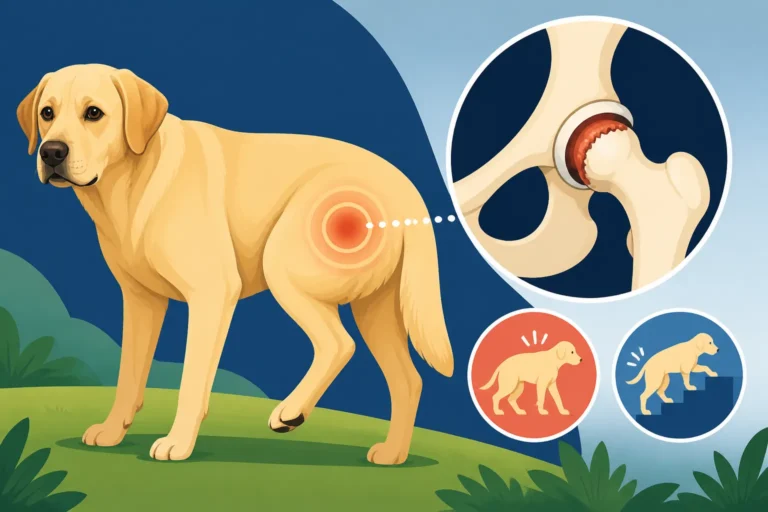
Hip dysplasia is a genetic condition where the hip joint doesn't form correctly. Instead of the ball (femoral head) fitting snugly into the socket (acetabulum), it's loose or malformed. Over time, this abnormal fit leads to cartilage breakdown, inflammation, pain, and eventually, degenerative joint disease or osteoarthritis.
For a Labrador, a breed renowned for its boundless energy, love for fetch, and enthusiasm for swimming, the impact of hip dysplasia can be devastating. They might show a reluctance to exercise, a noticeable limp, stiffness after resting, or difficulty climbing stairs or jumping. The chronic pain can also lead to changes in temperament, making them less playful or even withdrawn. Their muscles can atrophy due to disuse, further destabilizing the joint and creating a vicious cycle of pain and weakness. Without intervention, the condition often worsens, drastically limiting their activities and diminishing their overall well-being. It’s not just a physical limitation; it impacts their mental and emotional health too. Many owners worry about their Labrador's long-term comfort and mobility when faced with such a diagnosis, and rightly so.
How Physical Therapy Intervenes and Helps
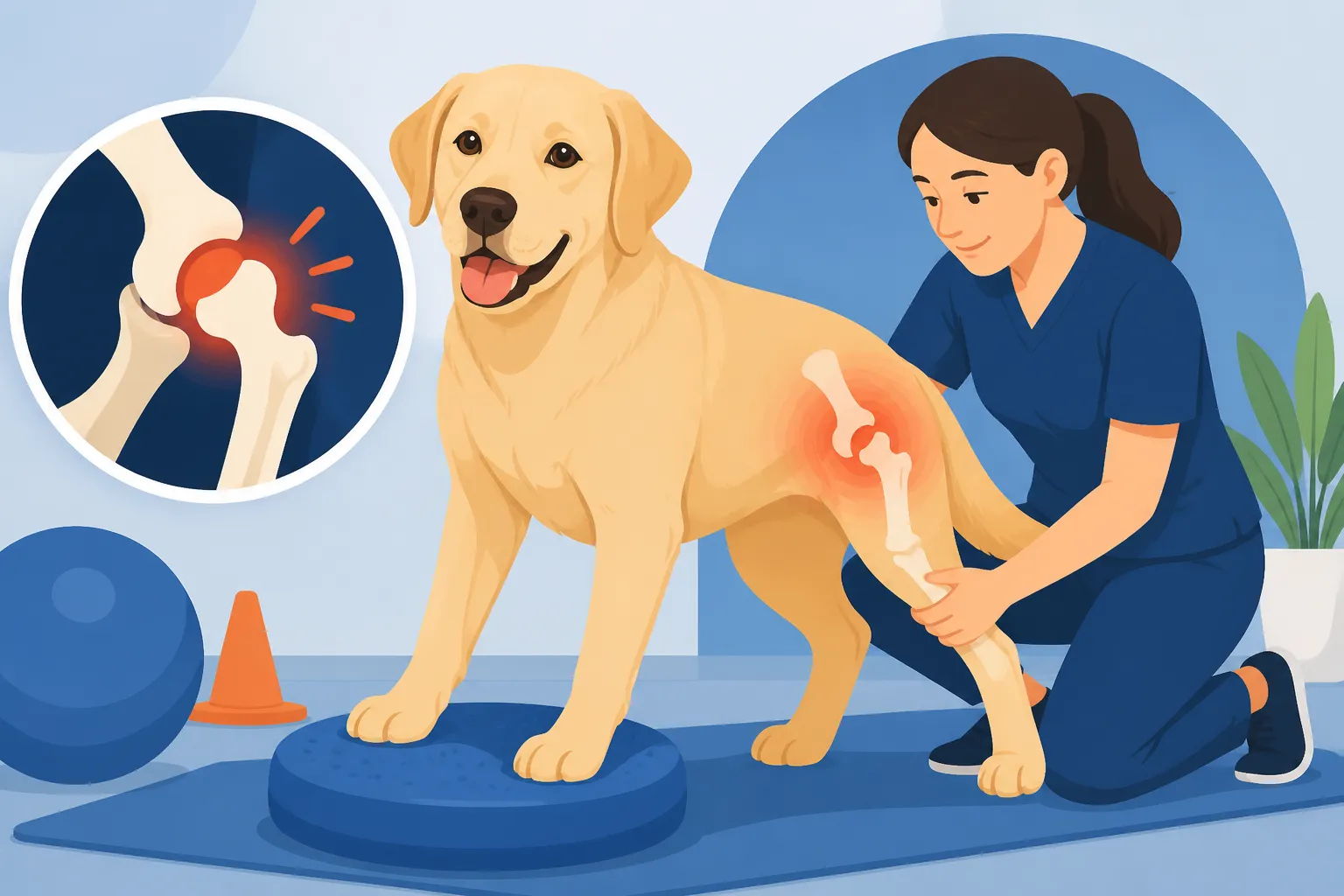
Physical therapy, often referred to as canine rehabilitation, is a non-invasive, structured approach designed to alleviate pain, restore function, and improve the quality of life for dogs with orthopedic and neurological conditions. For Labradors with hip dysplasia, it works by targeting several key areas.
Firstly, it focuses on strengthening the muscles surrounding the hip joint. Stronger glutes and hind limb muscles provide better support and stability to the joint, reducing the strain on the malformed structures. This improved muscular support can effectively "brace" the joint, making movement less painful and more controlled. Secondly, physical therapy aims to improve the range of motion in the hip joint. Through gentle exercises and stretches, therapists work to prevent stiffness and maintain as much flexibility as possible, which is crucial for comfortable movement. Thirdly, pain management is a significant component. Many modalities used in physical therapy, such as cold laser therapy or therapeutic ultrasound, help reduce inflammation and pain, allowing your Lab to move more comfortably and participate more actively in their rehabilitation. Ultimately, physical therapy helps to slow the progression of osteoarthritis by maintaining joint health and muscle support, often delaying or even preventing the need for invasive surgeries. It empowers your Labrador to use their body more effectively and with less discomfort.
When to Consider Physical Therapy
Physical therapy isn't a one-size-fits-all solution, but it’s beneficial in several scenarios for Labs with hip problems. The most common times to consider it include:
- Post-Diagnosis, Pre-Surgical: If your Labrador has been diagnosed with hip dysplasia but surgery isn't immediately recommended or you're exploring all conservative options first, physical therapy can be invaluable. It can strengthen the surrounding muscles, reduce pain, and improve comfort, potentially delaying the need for surgery. This is especially true for young Labradors whose growth plates are still developing.
- Post-Surgical Recovery: Following hip surgery, such as a Femoral Head Ostectomy (FHO) or Total Hip Replacement (THR), physical therapy is absolutely critical for successful recovery. It helps regain strength, restore range of motion, and rebuild proprioception (the sense of where their body is in space). Without proper post-operative rehab, the surgical outcome might not be as favorable. For more on surgical options, you might be interested in Cost of Hip Surgery for a Labrador Retriever.
- Conservative Management: For Labradors with mild to moderate hip dysplasia where surgery isn't an option (due to age, other health concerns, or owner preference), physical therapy becomes the cornerstone of conservative management. It focuses on lifelong pain management and maintaining mobility.
- Geriatric Support: Older Labradors, especially those experiencing Labrador Arthritis in Middle Age, can greatly benefit from physical therapy to alleviate age-related stiffness, improve balance, and maintain muscle mass, helping them stay comfortable and active longer. For insights into general care for older Labs, check out Caring for a Senior Labrador.
It’s always best to consult with your veterinarian as soon as you notice any signs of discomfort or mobility issues. They can diagnose the problem, potentially through screenings like those offered by OFA and PennHIP Screening for Labradors, and then refer you to a certified canine rehabilitation therapist to create a tailored plan.
Common Physical Therapy Techniques for Canine Hip Health
When your Labrador is dealing with bad hips, the world of physical therapy offers a diverse toolkit of techniques, each designed to address specific needs. It's not just about simple stretches; it's a comprehensive approach that can range from exercises you can perform gently at home to advanced treatments with specialized equipment.
Therapeutic Exercises You Can Do at Home
While a professional therapist will design a specific program, many beneficial exercises can be done in the comfort of your home, reinforcing clinic visits and maintaining progress. The key here is controlled and gentle movement, always paying close attention to your Labrador's comfort level.
- Passive Range of Motion (PROM) Exercises: These involve gently moving your Labrador’s joint through its natural range of motion without them actively participating. For hips, this means carefully flexing and extending the hind leg. This helps prevent stiffness, improves circulation, and maintains joint health. It's crucial to learn the correct technique from a professional to avoid causing pain or injury.
- Controlled Leash Walks: Short, slow, controlled walks on soft, even surfaces are excellent. Avoid hills, stairs, or slippery areas initially. The goal is steady, rhythmic movement, not speed or distance. Gradually, as strength improves, you might introduce very slight inclines. These walks build endurance and strengthen supporting muscles without undue stress.
- Standing and Shifting Exercises: Ask your Labrador to stand square, then gently shift their weight from side to side or front to back. This improves balance and engages core and limb muscles. You can also try "three-legged stands" for short durations once strength improves, encouraging weight-bearing on the affected hip.
- Cookie Stretches: Use a high-value treat to encourage your Labrador to stretch gently. For example, hold a cookie to their flank to encourage a controlled lateral bend, or between their front paws to encourage a bow. These build flexibility and core strength.
- Cavaletti Poles: Simple low poles laid on the ground, creating obstacles for your Labrador to step over, can improve proprioception, balance, and hind limb muscle engagement. Start with just a couple of poles very low to the ground and gradually increase.
Always remember: if your Labrador shows any signs of pain or resistance, stop the exercise immediately. Consistency is more important than intensity.
Hydrotherapy and Underwater Treadmills
Hydrotherapy, or water therapy, is often a cornerstone of rehabilitation for dogs with hip issues, and for good reason. Water provides buoyancy, which significantly reduces the impact and weight bearing on painful joints, allowing for exercise that might be impossible on land.
- Underwater Treadmill: This is perhaps the most common form of hydrotherapy. Your Labrador walks on a treadmill inside a tank filled with water. The water level can be adjusted to support different amounts of your dog’s weight. The buoyancy of the water lessens the load on their hips, reducing pain while the resistance of the water helps build muscle strength and improve gait. It’s an incredibly effective way to strengthen hind legs, improve stamina, and encourage a more natural stride without the strain of gravity. Many dogs who are reluctant to move on land will happily trot on an underwater treadmill.
- Swimming: Controlled swimming in a warm water pool can also be beneficial, providing a full-body workout without impact. For Labs who naturally love the water, this can be a very enjoyable form of therapy. However, it's crucial that swimming is done under supervision, perhaps with a life vest, to ensure correct form and prevent overexertion or further injury, especially if they try to compensate for a painful hip. The ideal environment for this is often a dedicated canine rehabilitation center.
Manual Therapies and Modalities
Beyond active exercises, physical therapists employ various hands-on and equipment-based techniques to reduce pain, inflammation, and improve tissue health.
- Therapeutic Massage: Just like in humans, massage can reduce muscle tension, improve circulation, and alleviate pain. A certified therapist can use specific techniques to target tight muscles around the hips and back, which often compensate for hip pain. Regular massage can also help you recognize subtle signs of discomfort in your otherwise stoic Labrador, as discussed in Reading Pain in a Stoic Labrador.
- Joint Mobilization: This involves specific, gentle movements applied to the joint to improve its range of motion and reduce stiffness. These techniques require a skilled therapist to perform correctly and safely.
- Cold Laser Therapy (Low-Level Laser Therapy – LLLT): This non-invasive treatment uses specific wavelengths of light to stimulate cellular function, promoting healing, reducing inflammation, and alleviating pain. It's often used directly over the hip joints and surrounding muscles.
- Therapeutic Ultrasound: Different from diagnostic ultrasound, therapeutic ultrasound uses high-frequency sound waves to generate heat deep within tissues, increasing blood flow and promoting healing, or at a lower intensity, to reduce inflammation and pain.
- Electrical Stimulation (E-stim): Techniques like Neuromuscular Electrical Stimulation (NMES) can be used to strengthen atrophied muscles by causing them to contract, while Transcutaneous Electrical Nerve Stimulation (TENS) can provide pain relief. These are often used when a Labrador is reluctant to use a limb.
- Acupuncture: While not strictly a "physical therapy" technique, many canine rehabilitation centers offer acupuncture, which can be very effective in managing chronic pain associated with hip dysplasia by stimulating specific points on the body to release natural pain relievers.
These advanced modalities are typically performed by certified professionals in a clinic setting. Combining these treatments with home exercises creates a powerful, multi-faceted approach to managing your Labrador's hip health.
The Role of a Certified Canine Rehabilitation Professional
When your Labrador is facing hip issues, navigating the best treatment path can feel overwhelming. This is where a certified canine rehabilitation professional becomes your guiding light, offering not just expertise but also crucial support in tailoring a plan that truly works for your specific dog.
Why Expertise Matters
You might be tempted to try some exercises at home based on online videos, but for a condition like hip dysplasia, the nuanced understanding of a certified professional is indispensable. A Certified Canine Rehabilitation Therapist (CCRT) or Certified Canine Rehabilitation Practitioner (CCRP) has undergone extensive specialized training beyond general veterinary medicine. They possess a deep understanding of canine anatomy, biomechanics, and the physiological responses to injury and exercise.
This expertise allows them to:
- Accurately Assess: They can perform a thorough gait analysis, palpate muscles and joints, and identify compensatory patterns your Labrador might be exhibiting due to pain. Often, Labs are stoic and don't overtly show pain, but a professional can read the subtle signs.
- Develop Tailored Plans: Every Labrador's hip dysplasia is unique, varying in severity, age of onset, and impact on daily life. A professional creates an individualized rehabilitation program, choosing the right combination of exercises and modalities that are safe and effective for your dog, not just a generic plan.
- Ensure Proper Technique: Incorrectly performed exercises can worsen the condition or cause new injuries. The therapist ensures each movement is done correctly, teaching you how to safely perform home exercises and knowing when to progress or modify them.
- Monitor Progress and Adjust: They continually assess your Labrador's response to therapy, making necessary adjustments to the plan. What works one week might need tweaking the next, and their experienced eye can spot these needs.
- Provide Support and Guidance: Beyond the physical aspects, they offer emotional support and practical advice, helping you understand your Labrador's condition better and empowering you to be an active participant in their recovery journey.
This level of specialized care ensures that your Labrador receives the most effective and safest rehabilitation, maximizing their chances for improved comfort and mobility.
What to Expect During Initial Consultations
Your first visit to a canine rehabilitation center might feel a bit like a regular vet visit, but with a focus purely on movement and function. Here's a typical rundown of what you can expect:
- Comprehensive History: The therapist will start by taking a detailed history of your Labrador. This includes their medical records, diagnosis, past treatments, current medications, daily routine, specific activities they struggle with, and your goals for their rehabilitation. Don't forget to mention any specific concerns you have, like Labrador Hip Dysplasia Signs and Onset you've observed.
- Physical Examination and Gait Analysis: This is where the detective work truly begins. The therapist will perform a thorough physical exam, focusing on range of motion in all joints, muscle mass evaluation, and palpation to identify areas of pain or tension. They'll also observe your Labrador's gait (how they walk and run) on different surfaces, looking for subtle lameness, compensatory movements, or weaknesses. This might involve walking on a leash, going up and down stairs, or even trotting on a treadmill.
- Discussion of Findings and Goal Setting: After the assessment, the therapist will explain their findings, showing you where your Labrador is struggling and why. Together, you'll establish realistic goals for the therapy. These might include reducing pain, increasing muscle strength, improving joint flexibility, enhancing endurance, or getting back to specific activities.
- Creating a Customized Treatment Plan: Based on the assessment and goals, the therapist will outline a tailored rehabilitation program. This plan will detail the specific therapeutic exercises, manual therapies, and modalities (like laser or hydrotherapy) that will be used. They'll also teach you initial home exercises and provide clear instructions.
- Scheduling Follow-Up Sessions: Rehabilitation is rarely a one-off event. You'll typically schedule a series of follow-up sessions, with the frequency depending on the severity of the condition and the intensity of the program.
It's an interactive process, and you should feel comfortable asking any questions you have. This initial consultation is crucial for laying the groundwork for your Labrador's successful recovery and long-term management of their hip condition.
Integrating PT into Your Labrador's Daily Routine
The real magic of physical therapy happens when the clinic work is consistently reinforced at home. Your active participation is key to your Labrador's success and ongoing comfort.
- Establish a Routine: Dogs thrive on routine. Try to incorporate home exercises into your Labrador’s daily schedule at consistent times. Maybe it’s a short session after their morning walk, or some gentle PROM while they relax in the evening.
- Keep it Positive and Fun: Labradors are highly motivated by food and praise! Use high-value treats and enthusiastic encouragement to make therapy sessions enjoyable. Keep sessions short, especially at first, to prevent boredom or fatigue. Five to ten minutes, a couple of times a day, is often more effective than one long, grueling session.
- Monitor and Adapt: Pay close attention to your Labrador during and after exercises. Are they showing signs of pain or discomfort? Are they making progress? Keep a log if it helps. Communicate regularly with your rehabilitation therapist about what you're observing. They can help you adjust the intensity or duration of exercises as needed.
- Create a Safe Home Environment: Think about your home from your Labrador's perspective. Are there slippery floors that could cause them to fall? Consider runners or non-slip mats. Are stairs a challenge? Ramps can be incredibly helpful for getting in and out of cars or ascending steps. An orthopedic dog bed can also provide crucial support for aching joints.
- Manage Expectations: Rehabilitation is a journey, not a sprint. Some improvements might be subtle and gradual. Celebrate small victories, like a slightly longer walk or easier movement. Be patient with your Labrador and yourself. Consistency, even on days when progress feels slow, is what truly makes a difference. Remember, the goal of Managing Labrador Hip Dysplasia Without Surgery is long-term comfort and mobility.
By integrating physical therapy thoughtfully into your Labrador’s daily life, you become their most important partner in managing hip issues, helping them live their fullest, happiest life possible. And remember, financial support for these vital therapies can be a huge relief, with pet insurance providers like Healthy Paws often covering physical therapy costs as part of their comprehensive plans.
Supporting Your Labrador's Hip Health Beyond Therapy
Physical therapy is a powerful tool, but it's just one piece of a larger puzzle when it comes to managing your Labrador's hip health. A holistic approach that includes careful weight management, appropriate nutrition, home modifications, and regular veterinary oversight will provide the best possible support for their joints and overall well-being.
Maintaining a Healthy Weight
This point cannot be stressed enough: maintaining a lean, healthy weight is perhaps the single most impactful thing you can do for a Labrador with hip issues. Every extra pound your Labrador carries puts exponentially more stress on their joints, especially their hips. Think of it like this: if you're carrying a heavy backpack all day, your knees and hips feel it. Your dog feels it even more intensely.
Research consistently shows that How Being Overweight Shortens a Labrador's Life and significantly exacerbates joint conditions. For a Labrador already prone to weight gain due to their genetics (many have a gene mutation that affects satiety, making them constantly hungry), this requires diligent attention.
- Strict Portion Control: Work with your vet or rehabilitation therapist to determine the ideal caloric intake for your Labrador based on their ideal body weight and activity level. Use a measuring cup or, even better, a kitchen scale to ensure accurate portions at every meal. Avoid free-feeding entirely.
- Healthy Treats: Limit high-calorie treats. Instead, opt for low-calorie alternatives like baby carrots, green beans, or small pieces of their regular kibble.
- Regular Exercise (Appropriate to Condition): While intense exercise might be limited, consistent, controlled movement is still vital for burning calories and maintaining muscle mass. Follow your therapist's guidance on safe exercise levels.
- Body Condition Scoring: Learn how to assess your Labrador's body condition. You should be able to easily feel their ribs without pressing hard, and they should have a discernible waist when viewed from above.
By keeping your Labrador lean, you directly reduce the mechanical load on their hips, decrease inflammation, and often make them feel significantly more comfortable and mobile. It's a continuous effort but yields immense benefits.
Nutrition and Joint Supplements
What goes into your Labrador's bowl plays a crucial role in supporting their joint health. While a balanced diet is fundamental, specific nutrients and supplements can offer additional benefits.
- High-Quality Dog Food: Choose a reputable dog food formulated for large breeds or those with joint support, ensuring it provides appropriate protein, fat, and carbohydrate levels. Avoid foods with excessive fillers or unhealthy additives.
- Omega-3 Fatty Acids: These powerful anti-inflammatory agents can significantly reduce joint pain and stiffness. Look for supplements containing EPA and DHA from sources like fish oil (salmon oil, cod liver oil) or krill oil. Ensure the product is specifically formulated for dogs and has proper dosage instructions.
- Glucosamine and Chondroitin: These are natural components of cartilage. While their effectiveness can vary, many owners and vets find Joint Supplements That Help a Labrador containing glucosamine and chondroitin beneficial in supporting cartilage health and reducing inflammation. They are often combined in a single supplement.
- MSM (Methylsulfonylmethane): Another supplement often found in joint formulas, MSM is thought to have anti-inflammatory and pain-relieving properties.
- Green-Lipped Mussel: This increasingly popular supplement is a natural source of glucosamine, chondroitin, and omega-3 fatty acids, offering comprehensive joint support.
Always discuss any dietary changes or supplements with your veterinarian before introducing them, especially if your Labrador is on other medications. They can help you choose the right products and ensure correct dosing.
Home Modifications for Comfort and Safety
Making simple adjustments around your home can dramatically improve your Labrador's comfort, prevent further injury, and support their mobility.
- Non-Slip Flooring: Slippery floors (hardwood, tile) are treacherous for dogs with bad hips. Provide rugs, carpet runners, or paw grips to give them better traction, especially in high-traffic areas or where they need to get up and down.
- Orthopedic Beds: A supportive, high-quality orthopedic dog bed is a must. It distributes your Labrador's weight evenly, relieves pressure on sore joints, and provides insulation from cold floors. Look for beds with dense, supportive foam, not just soft stuffing.
- Ramps and Stairs: If your Labrador struggles with stairs, jumping into the car, or getting onto furniture (if allowed), consider using ramps. A well-placed ramp can save their joints from painful impacts and awkward movements.
- Elevated Food and Water Bowls: For some dogs with severe hip or neck issues, elevated bowls can make eating and drinking more comfortable, as they don't have to bend down as far.
- Assistance Harnesses: A rear-support harness with a handle can be invaluable for helping your Labrador stand up, navigate stairs, or provide stability during short walks. This can be a lifesaver for you and your dog.
The Importance of Regular Vet Check-ups
Even with a dedicated physical therapy program and diligent home care, regular check-ups with your primary veterinarian are absolutely essential. They are your partner in managing your Labrador's long-term hip health.
- Monitoring Progression: Your vet can monitor the progression of their hip dysplasia and osteoarthritis through physical exams and, if necessary, follow-up X-rays.
- Medication Management: Pain management is a critical component of living with hip dysplasia. Your vet can prescribe appropriate non-steroidal anti-inflammatory drugs (NSAIDs) or other pain medications, adjusting dosages as needed to keep your Labrador comfortable.
- Addressing New Issues: Joint issues can sometimes lead to compensatory problems in other parts of the body (e.g., back pain from altering gait). Regular check-ups allow your vet to spot and address these issues early.
- Overall Health: These visits also ensure your Labrador is up-to-date on vaccinations, parasite prevention (see Labrador Vaccination and Parasite Schedule), and general health screenings, all of which contribute to their overall well-being and ability to recover.
A collaborative approach between you, your veterinarian, and your canine rehabilitation therapist provides the most comprehensive and effective care for your Labrador with bad hips. And with good pet insurance, like a plan from Healthy Paws, the financial burden of these ongoing treatments and consultations can be significantly alleviated, allowing you to focus on your dog's health without added stress.
Physical Therapy Techniques for Canine Hip Dysplasia
| Technique | Description | Key Benefits | Can Be Done at Home? |
|---|---|---|---|
| Passive Range of Motion (PROM) | Gentle manipulation of the hip joint through its full range by a handler. | Maintains joint flexibility, prevents stiffness, improves circulation. | Yes (with training) |
| Controlled Leash Walks | Slow, structured walking on even, soft surfaces. | Builds muscle strength and endurance, improves gait, reduces impact. | Yes |
| Cavaletti Poles | Stepping over low obstacles in a controlled manner. | Enhances proprioception, balance, hind limb coordination, muscle engagement. | Yes (simple setup) |
| Hydrotherapy (Underwater Treadmill) | Walking on a treadmill submerged in water. | Reduces weight-bearing stress, builds muscle, improves gait, cardiovascular health. | No (specialized facility) |
| Therapeutic Massage | Manual techniques to release muscle tension and improve circulation. | Reduces pain, alleviates stiffness, improves tissue healing. | Yes (basic, with training) |
| Cold Laser Therapy | Uses specific light wavelengths to reduce inflammation and pain. | Accelerates healing, decreases swelling, provides pain relief. | No (veterinary equipment) |
| Electrical Stimulation (NMES/TENS) | Applies electrical currents to stimulate muscles or reduce pain. | Strengthens atrophied muscles, provides pain relief. | No (veterinary equipment) |
| Joint Mobilization | Specific, gentle movements to improve joint mechanics and flexibility. | Restores joint movement, reduces stiffness. | No (specialist only) |
Disclaimer
The information provided in this article is for general informational purposes only and is not a substitute for professional veterinary advice, diagnosis, or treatment. Always seek the advice of your veterinarian or other qualified animal health provider with any questions you may have regarding a medical condition or treatment for your Labrador.