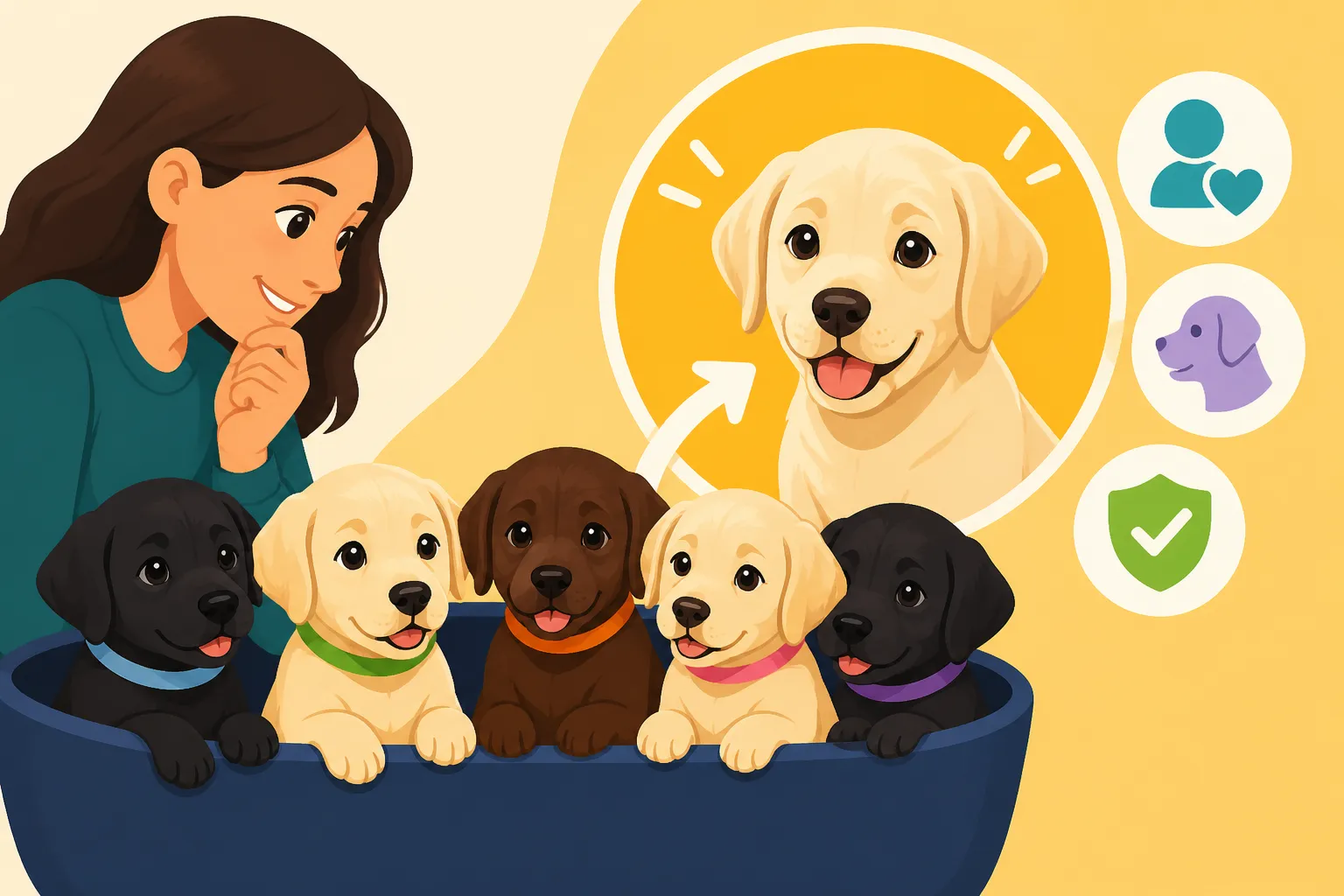
Choosing Your Labrador Puppy From the Litter
The moment you finally get to choose your Labrador puppy from a bustling litter is incredibly exciting, but it can also feel overwhelming. How do you pick the "right" one when they're all so adorable and seem perfect? This guide will walk you through the essential steps and observations to help you make an informed decision, ensuring you bring home a healthy, well-adjusted puppy that's a perfect fit for your family and lifestyle.
Understanding the Importance of Early Observation
It’s incredibly easy to get swept away by the sheer cuteness of a litter of Labrador puppies; their soft fur, clumsy movements, and tiny yaps are irresistible. However, resisting the urge to immediately pick up the first puppy you see and instead taking a step back to observe them before you interact is crucial. This initial observation period, ideally before the puppies even notice your presence, gives you an unvarnished look at their natural behaviors and the inherent dynamics within the group. You're not just looking for the puppy that comes to you first; you're trying to understand their baseline personalities and how they interact with their world when humans aren't the center of attention.
The Natural Dynamics of a Labrador Litter
When you first encounter a litter of Labrador puppies, find a comfortable, quiet spot a little distance away and just watch. You’ll begin to notice fascinating interactions: a subtle pecking order emerging, varying energy levels, and different approaches to play and rest. Some puppies will be bold and adventurous, eagerly exploring their surroundings or initiating wrestling matches. Others might be more reserved, preferring to observe from the sidelines, or perhaps curling up for a nap with a chosen sibling. These initial interactions are your first clues to their individual temperaments. Are they all tumbling over each other? Are some contentedly chewing on a toy while others are chasing tails? Who usually initiates play, and who typically ends up on the bottom of the pile during a puppy scrum? These observations can tell you a lot about their emerging confidence, social skills, and natural drive.
It’s also important to see how they interact with their littermates and, if she’s present and comfortable with visitors, their mother. A healthy, well-adjusted litter often plays robustly, engaging in active, but appropriate, play behaviors. Crucially, they should also settle down easily for naps and show signs of comfort and security. If you see a puppy consistently excluded from play, or one that seems overly aggressive, fearful, or withdrawn towards its siblings, these are significant observations worth noting and potentially discussing with the breeder. While puppy dynamics can be fluid, consistent patterns can indicate underlying personality traits that might prove challenging.
Why Your First Impression Might Be Misleading
We all have a natural inclination to be drawn to the most outgoing puppy, the one that immediately bounds over to us, tail wagging, or the one that appears to be the cuddliest. While these traits are undoubtedly charming and appealing, they might not tell the whole story of a puppy's true personality. The puppy that first approaches you could be the most confident and social, which is wonderful, but it could also simply be the most food-motivated if the breeder has been using treats to encourage interaction. Conversely, a shy puppy that hangs back isn't necessarily a poor choice; it might just need a little more time to warm up and can blossom into a loving companion once it feels secure. Similarly, the "sleepy" puppy might simply be well-rested from a previous play session, or it could be exhibiting a genuine lack of energy, which warrants closer attention.
The key is to spend enough time observing so that you can see a range of behaviors from each puppy. A good, ethical breeder will understand this need for observation and will encourage it, often allowing multiple visits if possible. They should also be able to provide invaluable insights into each puppy's personality, as they've spent far more time with them from birth. Your ultimate goal isn't just to pick the most charismatic or "cutest" pup in a single fleeting moment, but to identify the one whose emerging personality aligns best with your lifestyle, expectations, and the type of companionship you're seeking. Remember, these are formative weeks, and a puppy's environment and early experiences heavily influence its development and long-term well-being, as discussed in detail in guides like Labrador Puppy Health in the First Year.
Evaluating Physical Health and Development
Beyond the enchanting personalities, a puppy's physical health is paramount when making your selection. You want to ensure you're bringing home a robust little companion with the best possible start in life. This involves a careful visual inspection, gentle handling, and asking the right, thorough questions about their early care and genetic background.
Key Signs of a Healthy Labrador Puppy
When you finally get to gently handle the puppies, take your time with each one. Conduct a quick, systematic check:
- Eyes: Look for clear, bright eyes with no discharge, cloudiness, or signs of irritation.
- Ears: The ears should be clean, free of any strong odor, excessive wax, redness, or discharge, which could indicate an infection.
- Nose: A puppy's nose should be slightly damp but not actively runny or crusty.
- Mouth: Gently open their mouth to check for healthy, pink gums and developing puppy teeth. The bite should look correct, though puppy teeth are still growing.
- Coat and Skin: Their coat should be soft, full, and shiny, without any bald patches, redness, flakes, or signs of fleas or other parasites.
- Body Condition: The puppy should feel sturdy and well-fed, but not overly fat or scrawny. You should be able to feel their ribs easily, but not see them protruding sharply.
- Movement: Observe how they move. A healthy Labrador puppy should be agile, coordinated, and move without any limping, stiffness, or discomfort.
- Overall Demeanor: They should have a good appetite, drink water readily, and respond to their environment with appropriate curiosity and energy for their age.
Pay attention to their bathroom habits; clean bedding and a generally tidy puppy area are good signs of attentive breeder care and healthy digestion. Any signs of persistent coughing, sneezing, excessive lethargy, vomiting, or diarrhea should be considered a red flag and warrant immediate discussion with the breeder and, if necessary, a veterinarian. Reputable breeders will often provide a health guarantee and will have had their puppies vet-checked, with their Labrador Puppy Vaccination Schedule and deworming up-to-date.
Health Clearances and Breeder Responsibilities
A truly responsible and ethical breeder will be entirely transparent about the health of both the puppies and their parent dogs. This is non-negotiable. They should have performed specific, breed-appropriate health clearances on the parent dogs for common Labrador issues. These typically include screenings for conditions such as Labrador Hip and Elbow Dysplasia, certain eye conditions like Progressive Retinal Atrophy, and genetic diseases like Exercise-Induced Collapse (EIC) and Centronuclear Myopathy (CNM). Ask to see physical copies of these certifications, often from organizations like the Orthopedic Foundation for Animals (OFA) or PennHIP. A breeder who proudly shares their dogs' health records and patiently explains what they mean is a strong indicator of good practice and dedication to the breed's health. If a breeder is evasive or dismissive about providing health information, this is a serious warning sign, as is buying a puppy whose parentage has not had proper genetic screening, which can lead to heartbreaking issues down the line.
Furthermore, inquire extensively about the puppy's early veterinary care. By the time you choose your puppy, they should have had at least one, if not two, comprehensive vet visits. These visits typically include their first round of vaccinations, deworming treatments, and a general health check-up. This initial veterinary oversight is crucial for ensuring a healthy start. Make sure you understand precisely what has been done and what follow-up care is needed, including scheduling The First Vet Visit for a Labrador Puppy with your own veterinarian shortly after bringing your new companion home. Preparing for potential veterinary costs is also wise; pet insurance providers like Healthy Paws can be invaluable for helping to cover unexpected vet bills, which is especially important with larger breeds that can be prone to specific orthopedic conditions. Being prepared financially for potential health issues is a fundamental part of responsible pet ownership.
Assessing Temperament and Behavior
The temperament of your Labrador puppy will largely dictate how well they integrate into your home, blend with your family dynamics, and adapt to your lifestyle. While all puppies are still developing and their personalities will continue to evolve, there are some reliable indicators you can observe and even gently test for to get a sense of their emerging personality traits.
Gentle Puppy Temperament Observations
While formal "temperament tests" like the Volhard Puppy Aptitude Test are often conducted by breeders on puppies at 7-8 weeks of age, you can perform a few gentle, informal observations that offer valuable insights. Always ask the breeder's permission before attempting any of these, and ensure the puppies are comfortable and not overly stressed.
Here are a few modified components to look for:
- Social Attraction: Step a short distance away from the main litter group and gently clap your hands or make soft, encouraging noises. Observe which puppies approach you. Do they come eagerly with a wagging tail, cautiously, or do they not approach at all? The one that confidently and happily approaches often indicates a good balance of friendliness and self-assuredness.
- Following: Once a puppy has approached, walk a few steps away at a normal pace. Does the puppy readily follow you? A puppy that follows willingly often demonstrates a natural desire to be with people and is generally more biddable and trainable.
- Gentle Restraint: With the breeder's guidance, gently pick up a puppy and cradle them for a few seconds. Does the puppy initially resist briefly and then relax, struggle strongly, or not resist at all? A brief struggle followed by relaxation suggests a resilient and adaptable nature. Overly dominant (intense struggling) or overly submissive (collapsing in fear) reactions can be signals worth noting and discussing further.
- Reaction to Sound/Stimulus: Gently drop a set of keys or make a sudden, but not terrifying, noise a short distance away from the playing puppies. How do they react? Do they startle and quickly recover, explore the sound source, or cower for a prolonged period? A quick startle followed by curiosity or a rapid return to play indicates good resilience.
These observations are not definitive pass/fail tests, but rather additional tools to provide data points. It’s essential to discuss your observations with the breeder, as they can provide crucial context based on their daily interactions with the litter. For example, some puppies are naturally more reserved initially but blossom into confident dogs once they feel secure in a new home.
Matching Personality to Your Lifestyle
Consider your household dynamics and honest expectations. Are you looking for a quiet, cuddly companion for a more relaxed home, or an active adventure buddy for hiking and training?
- The Go-Getter/Leader: This puppy is often the first to explore, initiate play, and appears fearless. They might be an excellent fit for highly active families, individuals interested in dog sports, hunting, or training for specific working roles. However, these puppies will require very consistent training, like what's outlined in When to Start Training a Labrador Puppy, and plenty of mental and physical stimulation to prevent boredom and potential destructive behaviors.
- The Middle-of-the-Road Pup: These puppies are typically adaptable, friendly, and display a balanced temperament—neither overly assertive nor overly shy. They usually play well with littermates and show a calm yet curious interest in people and their surroundings. This temperament often suits a wide range of family dynamics and is generally a good "all-around" choice for most pet owners.
- The Reserved/Quiet One: This puppy might hang back initially, observe before engaging, and prefer quieter, more gentle interactions. They could be a wonderful, deeply loyal companion for a calmer household or an individual who enjoys a more relaxed pace. They might need a bit more dedicated and gentle socialization to build confidence, as detailed in Socializing a Labrador Puppy, but can become incredibly devoted and loving in the right environment.
Generally, it’s advisable to avoid picking the puppy that seems overly fearful, aggressive, or constantly overwhelmed, especially if you're a first-time owner. While early experiences play a role, these traits can be challenging to manage, requiring significant expertise and commitment. A Labrador’s inherent Labrador Temperament and Personality is generally friendly, outgoing, and eager to please, so significant deviations from this standard usually warrant caution.
Practical Considerations Before Bringing Your Puppy Home
Choosing the right puppy from the litter is an exciting milestone, but it's just the first step on a long and rewarding journey. Preparing your home and understanding the immediate needs of your new family member are equally crucial for a smooth and stress-free transition for both you and your puppy.
Essential Supplies and Initial Care Planning
Before your chosen puppy even sets a paw in your home, you need to have a few key essentials ready and waiting. A comfortable, appropriately sized crate is a must-have; it's invaluable not just for safe travel but also for Crate Training a Labrador Puppy, which is immensely helpful for house-training, managing puppy independence, and providing a secure den for your pup. You’ll also need sturdy food and water bowls, a suitable collar and leash for those first walks, and an ample supply of chew toys. Labradors are known for their powerful chewing, especially when teething, so durable, high-quality toys from retailers like Chewy are a wise investment to redirect their natural mouthing behavior away from your furniture and belongings. Don’t forget basic grooming tools such as a soft brush, nail clippers or a grinder, and a vet-approved ear cleaner.
When it comes to food, it's always best to stick to the specific brand and type of food the breeder has been using for at least the first week or two. This continuity helps avoid stomach upset caused by sudden dietary changes, which a puppy is particularly susceptible to during the stressful transition to a new home. If you plan to switch to a different food, do so very gradually over several days, mixing increasing amounts of the new food with decreasing amounts of the old. Many owners opt for high-quality commercial kibble designed for large breed puppies, while others explore fresh food options like Ollie, which provides pre-portioned, human-grade meals that can be an excellent fit for a growing Labrador, particularly if they have specific dietary needs or sensitivities. Always consult your veterinarian when considering significant dietary changes, especially for a rapidly growing puppy. Understanding Choosing Dog Food for a Labrador Retriever is an ongoing process throughout their life.
The Importance of Breeder Support and Follow-Up
A truly responsible and ethical breeder's relationship with you doesn’t end the moment you pick up your puppy and drive away. They should ideally be a valuable resource for advice, guidance, and ongoing support in the weeks, months, and even years to come. Reputable breeders invest an immense amount of time, effort, and care into raising healthy, well-socialized puppies, and they genuinely want them to thrive in their new homes. Do not hesitate to reach out to them with questions about feeding, initial training challenges, or any concerns you might have about your puppy's adjustment or health.
A good breeder will also provide you with a comprehensive puppy packet. This typically includes vital documents such as detailed vaccination records, a deworming schedule, a written health guarantee, and possibly even a small bag of the food the puppy has been eating, along with a favorite toy or blanket that smells of their littermates and mother. This information is absolutely vital for your initial vet visits and for accurately monitoring your puppy's ongoing health. They might also offer specific guidance on common puppy challenges, such as how to manage Labrador Puppy Mouthing and How to Redirect It effectively. Establishing a good, open relationship with your breeder can be an ongoing source of valuable information and provide immense peace of mind as you navigate the exciting, sometimes challenging, journey of puppy parenthood.
A Quick Checklist for Puppy Selection
To help consolidate your observations and decision-making process, here's a useful checklist.
| Trait Category | What to Look For (Positive Signs) | What to Be Cautious About (Red Flags) |
|---|---|---|
| Physical Health | Clear, bright eyes; clean ears; soft, full, parasite-free coat; healthy pink gums; sturdy build; agile, coordinated movement; good appetite and energy. | Discharge from eyes/nose; dirty/inflamed ears; patchy coat, fleas, or skin lesions; pale gums; distended belly (not from recent meal); limping, stiffness, or reluctance to move; persistent coughing/sneezing/diarrhea; visible parasites. |
| Temperament | Confident yet gentle; curious and exploratory; approaches people readily with enthusiasm; plays robustly but settles easily; recovers quickly from mild startling; enjoys gentle handling; seeks attention without being overly demanding. | Overly shy, fearful, or withdrawn; aggressive towards littermates or people; constantly hiding; excessive, frantic nipping/biting (beyond typical puppy mouthing); extreme submission (e.g., urinating from fear); ignores environment or people; obsessive behaviors like tail-chasing. |
| Interaction | Engages with littermates in balanced, appropriate play; shows appropriate deference or respect for the mother; responsive to gentle human interaction and affection; curious about new sights, sounds, and smells without excessive fear. | Consistently bullied or bullying other pups to an extreme degree; avoids interaction with siblings or people; shows signs of discomfort or aggression when handled; constant whining or barking without clear cause; appears overly stressed by the environment. |
Making the Final Decision with Confidence
Choosing your Labrador puppy is a deeply personal and emotional process, but it should be an informed one. While it's absolutely important to be analytical and consider all the factors we've discussed, from health clearances to temperament observations, ultimately, trust your gut feeling too. You're looking for a companion that will bring immense joy and integrate smoothly into your life for many wonderful years to come.
Trusting Your Instincts (and the Breeder's Input)
After diligently observing the litter, carefully evaluating physical health, and assessing the individual temperaments, you might find yourself strongly drawn to one particular puppy. This innate connection or "spark" is indeed important, but it should ideally be backed up by your objective observations and the information gathered. Don't let pure emotion completely override common sense or ignore any concerning health or behavioral signs. If a puppy you're deeply drawn to exhibits any red flags, discuss them thoroughly and honestly with the breeder. A good breeder will address your concerns directly and help you understand the full picture.
Conversely, sometimes the "perfect" puppy on paper, based on all your objective checks, might not quite click with you emotionally. It’s absolutely okay to let your heart have a significant say, especially if the puppy is demonstrably healthy and well-adjusted. Remember, the breeder has spent countless hours with these puppies and their parents. They know the subtle nuances of each pup's personality far better than anyone else. They should be able to offer invaluable guidance, perhaps even suggesting a puppy that aligns perfectly with your described lifestyle and preferences. If you've chosen a reputable breeder, they are deeply invested in finding the right home for each of their precious puppies, ensuring a happy life for both the dog and its new family.
Preparing for a Lifetime of Companionship
Bringing a Labrador puppy home is a significant and long-term commitment, extending well over a decade. They require consistent training, ongoing socialization, proper nutrition (including understanding the nuances of Feeding a Labrador Through Every Life Stage to prevent issues like Labrador Obesity and the Years It Costs), and regular veterinary care throughout their entire lives. You'll need to consider how you will handle the demanding puppy phase, including chewing, house-training, and initial obedience, and then prepare for the high energy and demands of their adolescence. Labradors are known for their exuberance and need for engagement well into their second and third years.
By making a thoughtful, informed, and heart-felt choice now, you are laying the foundation for a strong, loving, and enduring bond. Your chosen Labrador puppy will grow into a loyal, energetic, and endlessly affectionate companion, bringing years of happiness, laughter, and maybe a little bit of beautiful chaos into your life. Embrace the journey with open arms and a prepared heart!
Disclaimer
This guide provides general information and recommendations for choosing a Labrador Retriever puppy. Always consult with a qualified veterinarian for specific health advice regarding your individual puppy, and work with a professional, reputable breeder for ethical and healthy puppy selection.