Socializing a Labrador Puppy
Bringing home a Labrador puppy is incredibly exciting, but it also comes with the weighty responsibility of raising a well-adjusted, confident companion. Many new owners worry about doing enough to expose their little fluffball to the world without overwhelming them, especially before all their vaccinations are complete. This comprehensive guide will walk you through the essential steps and considerations for effectively socializing your Labrador puppy, ensuring they grow into a calm and happy adult dog ready for anything life throws their way.
Understanding the Critical Socialization Window
One of the most crucial concepts in puppy rearing is the "socialization window." It’s a period of immense learning and development that significantly shapes your puppy's perception of the world. Missing or mishandling this window can have long-lasting effects.
What is the Socialization Window and Why It's Crucial?
Imagine your Labrador puppy's brain as a sponge, soaking up every experience, sound, smell, and interaction in these early weeks. The critical socialization window typically runs from about 3 weeks to 16 weeks of age. During this time, puppies are naturally curious and more open to new experiences, perceiving them as normal rather than scary. They're wired to learn what's safe and what isn't, and what's a normal part of their environment. Think of it as their prime opportunity to learn that the world isn't a terrifying place, but rather a rich, interesting one full of things to explore and enjoy. If they don't encounter a variety of positive stimuli during this period, their brain often categorizes anything novel later on as potentially dangerous, leading to fear and anxiety.
The Risks of Missing the Window
It's a heartbreaking reality that puppies who don't receive adequate socialization within this critical timeframe are far more likely to develop behavioral issues later in life. These can manifest as fear of strangers, aggression towards other dogs, anxiety in new environments, or extreme reactions to common sounds like vacuum cleaners or thunderstorms. For a Labrador, a breed known for its friendly and outgoing nature, a lack of socialization can completely undermine their natural temperament, leading to a dog that's constantly stressed, reactive, or even dangerous. You might find your once-playful puppy turning into an adult Labrador who barks incessantly at every visitor, lunges at dogs on walks, or becomes a trembling mess during car rides. It's a heavy burden to try and "fix" these deep-seated fears in an adult dog, which is why proactive socialization is so vital.
Balancing Socialization with Vaccine Schedules
This is often the biggest source of anxiety for new puppy parents: how do you safely socialize your puppy before they've had all their shots? Your vet will rightly advise caution against exposing your puppy to high-risk areas like dog parks until their immune system is fully developed. However, avoiding all new experiences until 16 weeks can be just as detrimental. The key is controlled exposure. This means seeking out safe, low-risk environments. Think about carefully selected puppy classes where all participants are up-to-date on vaccines, or inviting known, healthy, vaccinated adult dogs over to your home for supervised interactions. Carrying your puppy in a sling or stroller in public places allows them to observe the world without touching potentially contaminated ground. Even car rides, observing people from a distance, or having calm, dog-savvy friends meet your puppy at home are all part of safe, early socialization. For more on this delicate balance, check out Socializing a Labrador Before Vaccines Finish.
The Goal of Labrador Puppy Socialization: Positive Exposure, Not Overwhelm
Effective socialization isn't about throwing your puppy into every conceivable situation. It's about careful, positive, and controlled introductions that build confidence and positive associations.
Quality Over Quantity: Gentle Introductions
When socializing your Labrador puppy, remember that a few really good experiences are far more valuable than dozens of overwhelming or negative ones. The goal is to create positive emotional responses. If your puppy is visibly stressed, cowering, or trying to escape, you’ve gone too far, too fast. Each new experience should be a chance for your puppy to explore, investigate, and then conclude, "That was fun!" or "That was interesting and safe!" This means going at your puppy's pace, allowing them to approach new things on their terms, and always pairing novel experiences with high-value treats and praise. For example, if you're introducing them to a new sound, play it softly at first, feed them a treat, and gradually increase the volume as they remain calm and happy.
Avoiding Traumatic Experiences
A single bad experience during the critical window can set your puppy back significantly, creating a lifelong fear. This is why vigilance is so important. Avoid dog parks or crowded public places where you can't control the environment or the other dogs. Don't let well-meaning strangers overwhelm your puppy, especially children who might be too rough or loud. If another dog is too boisterous or aggressive, intervene immediately and remove your puppy from the situation. Similarly, sudden loud noises or startling events can be traumatic. If a loud truck goes by, don't ignore your puppy's fear; instead, calmly reassure them, offer a treat, and redirect their attention. The aim is to build positive associations, not create fearful ones.
Building Confidence, Not Just Tolerance
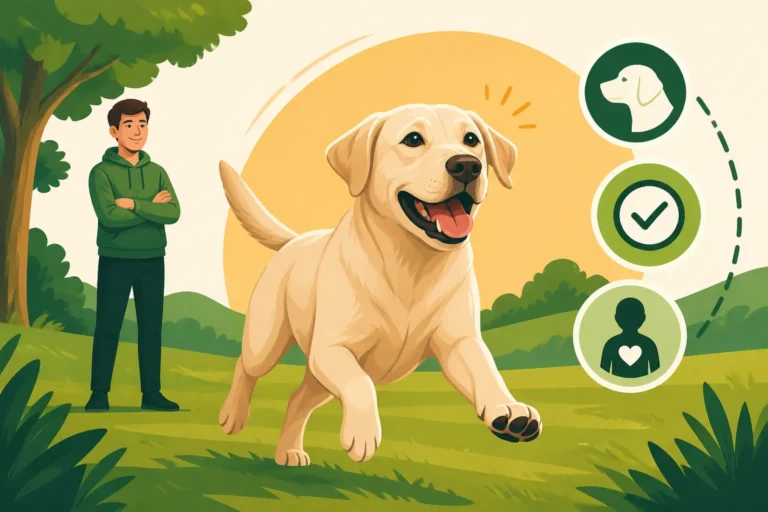
True socialization isn't just about your puppy tolerating new things; it's about them thriving and being genuinely comfortable. A confident Labrador puppy will investigate new sights and sounds with a wagging tail, approach friendly strangers for a sniff, and engage in appropriate play with other dogs. This confidence is built on a foundation of positive experiences, where they learn they can rely on you to keep them safe and that new things are generally good. It’s about empowering them to be resilient and adaptable. This process involves gentle exposure, ample praise, and delicious rewards like tiny pieces of boiled chicken or cheese. Think of it as building a strong mental toolkit for navigating the world with grace and self-assurance.
A Step-by-Step Approach to Socializing Your Labrador Puppy
Socialization isn't just about meeting dogs and people. It's a holistic process that encompasses all senses and environments.
Sounds and Textures: The Indoor World
Start small, right within your home. Expose your Labrador puppy to a wide variety of household sounds: the vacuum cleaner, the doorbell, the washing machine, pots and pans clanging, children playing, music, and TV. Initially, introduce these sounds at a low volume and pair them with treats and calm reassurance. Gradually increase the intensity as your puppy becomes comfortable. Similarly, introduce them to different textures under their paws: carpet, tile, hardwood, grass, concrete, gravel, even a tarp or bubble wrap. Make it a game! Toss treats onto new surfaces and let them explore. The more varied and positive these early sensory experiences are, the less likely your adult Labrador will be startled or reactive to everyday occurrences. Remember, a calm, curious approach is what you’re aiming for.
Novel Objects and Environments: Exploring Beyond the Home
Once your puppy is comfortable with home sounds and textures, it's time to branch out. Take them for short, positive outings. Carry them through busy streets (if they're not fully vaccinated yet), letting them observe people, cars, and buses from a safe distance. Visit friends' houses with well-behaved pets, or stroll through a pet-friendly store (again, carrying them if needed). Introduce them to people wearing hats, sunglasses, or uniforms. Let them see bicycles, skateboards, strollers, and umbrellas. Every new object, sight, and smell is a learning opportunity. Always bring high-value treats to create positive associations. A new environment should mean good things happen! For specific advice on preparing for vet visits, which are a major new environment for many puppies, consider how to begin Getting a Labrador Comfortable in the Car.
Meeting New People: Gentle Hands and Calm Voices
Labradors are generally people-lovers, but even they need positive introductions to strangers. Encourage calm, gentle interactions. Ask people to crouch down (not stand over them), offer a treat, and let the puppy approach them. Discourage excited squeals or rough petting. Make sure your puppy meets people of all ages, sizes, and appearances: men, women, children, people with beards, people in wheelchairs, people with hats. Each positive encounter reinforces the idea that humans are friendly and trustworthy. Always supervise interactions, especially with young children, and teach both your puppy and the children appropriate ways to interact. For guidance on safe introductions, refer to Introducing a Labrador to Children. The goal is a confident, happy wag, not a fearful retreat.
| Exposure Category | Example Experiences | Best Practices |
|---|---|---|
| Sounds | Vacuum, doorbell, traffic, children playing, music, storms | Start quiet, use treats, gradually increase volume/intensity |
| Surfaces/Textures | Grass, gravel, carpet, tile, wood, grates, sand, puddles | Toss treats, make it a game, allow sniffing and investigation |
| People | Men, women, children, uniforms, hats, glasses, wheelchairs | Gentle approach, offer treats, no overwhelming physical contact |
| Objects/Sights | Bicycles, strollers, umbrellas, shopping carts, balloons | Observe from distance, reward calm curiosity, let puppy approach |
| Other Animals | Calm, vaccinated dogs; cats; small birds (from distance) | Controlled, supervised, short sessions, ensure positive interaction |
| Environments | Car rides, vet office (happy visits), pet store, park | Keep positive, short, focus on observation, use high-value rewards |
Safe Interactions with Other Dogs
For many Labrador owners, one of the biggest socialization goals is having a dog that gets along well with other canines. This requires careful, intentional exposure.
Choosing Appropriate Playmates
Not all dogs are good for puppy socialization. A bad interaction can be incredibly damaging, teaching your puppy that other dogs are scary or aggressive. You need to be extremely selective. Look for adult dogs that are:
- Fully vaccinated: To protect your puppy from illness.
- Known to be calm and gentle: Dogs that tolerate puppies well and have good social skills.
- Not overly exuberant or pushy: Avoid dogs that might bowl over or intimidate your small puppy.
- Well-adjusted and not resource guarders: You don't want an adult dog correcting your puppy too harshly or guarding toys/food.
Ask friends or family if their dogs fit the bill, or seek out reputable trainers who run structured puppy play sessions. Remember, a polite sniff and a gentle play bow from an appropriate adult dog is worth a thousand chaotic wrestling matches with unknown dogs.
Supervised Play Sessions
When your Labrador puppy does interact with another dog, supervision is paramount. Keep sessions short, typically 5-10 minutes for young puppies, and ensure both dogs are enjoying themselves. Look for signs of appropriate play:
- Play bows: A front end down, rear end up signal.
- Role reversal: Dogs taking turns being "chaser" and "chased."
- Soft mouths: No hard biting or yelping.
- Taking breaks: Dogs disengaging, shaking off, or resting before resuming play.
If you see one dog pinning the other, excessive barking, growling, or one dog trying to hide, it’s time to intervene. Gently separate them and give them a break. Always end on a positive note. Remember, quality over quantity! You want your puppy to learn proper canine communication and appropriate play etiquette.
Puppy Classes and Daycare
Enrolling your Labrador puppy in a well-run puppy socialization class can be invaluable. These classes are specifically designed for young puppies, usually require proof of initial vaccinations, and are led by experienced trainers who can facilitate positive interactions and teach you how to read dog body language. They often have safe, enclosed areas for puppies to play and explore. Similarly, a high-quality puppy daycare can offer structured playtime, but again, research is key. Ensure the facility screens dogs for temperament and vaccination status, has experienced staff supervising play, and separates dogs by size and play style. These environments can provide crucial, safe opportunities for your puppy to interact with a variety of other dogs, which is essential for developing good social skills. For more insight into these structured environments, you might find Whether Puppy Class Is Worth It for a Labrador helpful. Many online programs like BAXTER & Bella also offer guidance on how to evaluate and choose good in-person classes and provide virtual socialization checklists to help.
Mastering Car Rides and Vet Visits
These are two common experiences that can be incredibly stressful for a poorly socialized puppy. Turning them into positive adventures is a huge win.
Making the Car a Positive Place
Many Labradors end up associating the car only with vet visits, leading to anxiety, drooling, and even vomiting. Start early and make car rides a happy experience. Begin with short trips, even just sitting in the parked car for a few minutes, giving treats and praise. Gradually increase the duration and destination. Drive around the block and then go straight home for a play session. Take your puppy to fun places, like a quiet park or a friend's house, not just the vet. Always ensure your puppy is safe and secure in the car, either in a comfortable crate or with a safety harness and seatbelt. A comfortable, familiar blanket can also help. Pairing car rides with high-value chews or puzzle toys can also create positive associations, making the car a place of calm enjoyment. For more detailed advice, check out Getting a Labrador Comfortable in the Car.
Positive Vet Experiences
The vet's office can be a scary place with strange smells, cold tables, and pokes. Counteract this by making "happy visits" a regular occurrence. Even before your puppy needs shots, drop by the vet's office just to say hello. Have your puppy meet a friendly vet tech, get a treat, and receive some gentle praise. The goal is for them to associate the clinic with positive interactions, not just unpleasant procedures. During actual appointments, bring super high-value treats (like squeezable cheese or peanut butter) to distract and reward your puppy. Ask the vet and vet techs to handle your puppy gently, praising them for calm behavior. Practice handling your puppy at home – touching their paws, ears, mouth – so they're used to being examined. This preparation can significantly reduce stress for both you and your Labrador.
Introducing Your Labrador Puppy to Specific Scenarios
Beyond general environments, certain specific interactions require careful, intentional introductions.
Socializing with Children and Babies
If you have children or plan to have them, early, positive exposure to kids is critical. Labradors are often fantastic family dogs, but they need to learn appropriate manners. Teach children how to interact gently with the puppy: no pulling tails, no roughhousing, always supervising interactions. Teach your puppy to be gentle too, discouraging nipping or jumping up. Never leave a puppy and a young child unsupervised. Create positive associations for your puppy with children by having kids offer treats, engage in calm play, or simply exist peacefully in the same space. If you have a baby, introduce your puppy to the baby's scent before they meet, and ensure early interactions are calm and controlled. The goal is to build a foundation of mutual respect and gentle interaction. For practical tips, consult Introducing a Labrador to Children and Whether Labradors Are Safe Around Babies.
Meeting Other Pets
Introducing your Labrador puppy to other pets, especially cats or small animals, requires patience and a gradual approach. For cats, start with scent swapping (rubbing a cloth on one and letting the other sniff it) before visual introductions. Use gates or crates for initial meetings, allowing them to see each other from a distance while keeping everyone safe. Reward calm behavior from both animals. Keep your puppy on a leash during early supervised interactions, ensuring they learn to respect the cat's space. For small pets like guinea pigs or rabbits, introductions should be even more controlled and always supervised, with the smaller animal in a secure enclosure. Labradors have a strong prey drive, so the goal isn't necessarily co-habitation with small prey animals, but rather teaching your puppy to be calm and respectful of their presence. Introducing a Labrador to a Cat offers more in-depth advice.
Handling New Sights and Sounds in Public
The world is full of novel sights and sounds, and your Labrador puppy needs to learn to navigate them calmly. This means taking them (safely, if not fully vaccinated, by carrying them or in a stroller) to places with moderate stimulation. Think about bustling street corners, construction sites (from a safe distance!), parks with lots of activity, or even outdoor cafes. Expose them to:
- Traffic: Cars, trucks, motorcycles.
- Public transport: Buses, trains (from a distance).
- Crowds: People walking, talking, laughing.
- Unusual objects: Statues, fountains, flags flapping.
Always keep these exposures positive. If your puppy notices something new, calmly acknowledge it, offer a treat, and praise their curiosity or calm acceptance. Avoid coddling or excessive reassurance if they show mild fear, as this can inadvertently reinforce anxiety. Instead, be upbeat and encouraging, showing them there's nothing to worry about. For specific guidance on managing reactions to loud noises, refer to Introducing a Labrador Puppy to Loud Noises.
Continued Socialization Beyond Puppyhood
Socialization isn't a one-time event that ends at 16 weeks; it's an ongoing process throughout your dog's life.
Adolescent Challenges and Re-socialization
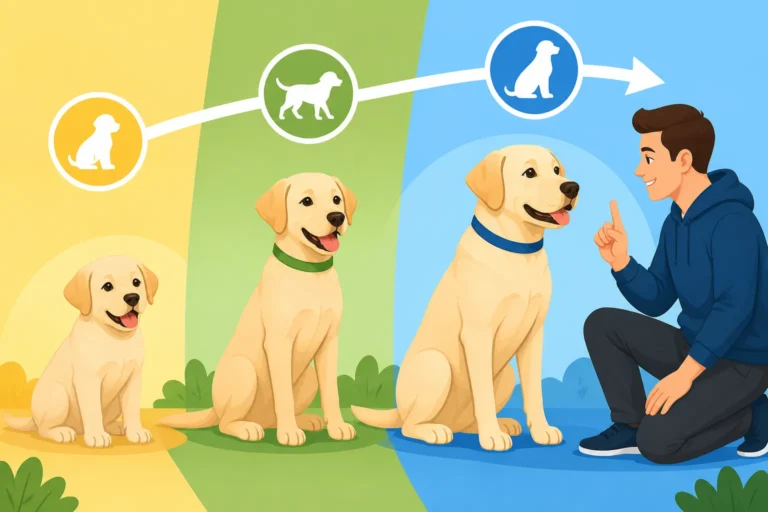
Just when you think you have a perfectly socialized puppy, adolescence hits! Around 6-18 months, Labradors can experience a "fear period" or simply become more independent and less focused on you. They might suddenly react to things they previously ignored, or become selective about which dogs they want to play with. This is a normal developmental stage, but it means you need to continue your socialization efforts. Revisit places you went when they were puppies, expose them to new things, and reinforce positive experiences. Don't assume that because they were good at 4 months, they'll automatically be good at 12 months. This period often requires a "re-socialization" approach, gently reintroducing new experiences and reinforcing good manners. It's a tricky time, and understanding how to navigate it is crucial. For detailed strategies on this period, read Handling a Labrador Between Six and Eighteen Months.
Maintaining Skills Throughout Adulthood
Even a well-adjusted adult Labrador benefits from continued exposure to new situations. Regular outings to different parks, walks in new neighborhoods, visits to pet-friendly stores, and continued, appropriate interactions with various dogs and people will keep their social skills sharp. It prevents them from becoming complacent or developing anxieties later in life. Think of it like keeping a muscle toned – if you don't use it, you lose it. Make new experiences a regular part of your routine, whether it's exploring a new hiking trail, having friends over, or visiting a different dog park occasionally. This ongoing effort ensures your Labrador remains a confident, resilient, and joyously social companion for years to come.
Essential Tools and Resources for Socialization
Having the right tools and knowing where to find help can make the socialization journey much smoother.
Training Aids and Toys
A few key items can significantly aid your socialization efforts:
- High-Value Treats: These are non-negotiable! Small, soft, incredibly delicious treats (like bits of cheese, cooked chicken, or commercial soft training treats) will be your best friend for creating positive associations. Keep a steady supply handy. For ideas on what really motivates a food-driven pup, check out Treats That Motivate a Food-Driven Labrador.
- Treat Pouch: A belt-worn treat pouch makes it easy to access rewards quickly and efficiently during outings or training sessions. You can find many practical options on Amazon.
- Long Line: A 15-30 foot long line allows your puppy to explore new environments and practice recall in a safe, controlled manner, especially when they're not ready for off-leash freedom.
- Comfortable Harness: A well-fitting, comfortable harness (rather than just a collar) can make your puppy's first walks and public outings more pleasant and safer for their neck.
- Puzzle Toys/Chews: For crate training or keeping your puppy calm during observations from a distance, long-lasting chews or puzzle toys filled with peanut butter or yogurt can be incredibly helpful.
- Clicker: If you're using marker training, a clicker can be a precise way to mark desired behaviors during socialization. Find out more about Marker Training a Labrador With a Clicker.
Online Courses and Professional Help
While hands-on experience is vital, online resources can provide structured guidance. Programs like BAXTER & Bella offer comprehensive online puppy training and socialization courses that can complement your real-world efforts. They provide step-by-step instructions, video demonstrations, and support, which can be particularly helpful for navigating challenges like crate training, potty training, and early manners, all of which tie into a well-socialized puppy.
Don't hesitate to seek professional help if you encounter challenges. A certified professional dog trainer or a veterinary behaviorist can provide personalized guidance, especially if your puppy exhibits fear, reactivity, or aggression. They can offer insights, techniques, and support tailored to your Labrador's specific needs, ensuring you have the best chance of raising a well-adjusted, confident dog. Sometimes, what seems like a small issue can escalate without the right intervention, so reaching out early is always a good idea.
Disclaimer
This article is for general informational purposes only and does not constitute professional advice. Laws, prices and regulations vary by location and change over time. Consult a qualified professional for guidance on your specific situation.