How Long a Labrador Waitlist Runs
Wanting to bring a Labrador Retriever into your home is an exciting dream, but the reality of finding a well-bred puppy often comes with a surprising challenge: the waitlist. It can be incredibly frustrating to feel ready for a new furry family member only to discover you might be waiting for months, or even years, for the right puppy. This guide will help you understand why these waitlists exist, what to expect, and how to navigate the process while preparing for your future companion.
Understanding Labrador Breeder Waitlists
When you first decide on a Labrador, you might imagine finding a puppy quickly, perhaps after a few phone calls or a quick online search. However, many prospective owners soon encounter the reality of a "waitlist" when they reach out to reputable breeders. This isn't a tactic to be exclusive; it's a fundamental part of ethical breeding and a strong indicator that you're looking in the right place.
Why Waitlists Exist for Reputable Breeders
Reputable Labrador breeders don't operate like puppy mills or large-scale commercial kennels. They prioritize the health, temperament, and well-being of their dogs above all else. This commitment to quality, rather than quantity, inherently limits the number of puppies they produce each year.
Think about it: a responsible breeder is usually someone who considers their breeding dogs cherished family members. They invest heavily in extensive health testing for both parents, screening for common Labrador ailments like Labrador Hip and Elbow Dysplasia, various eye conditions, and genetic predispositions like Exercise-Induced Collapse. These tests, which can be costly and time-consuming, ensure that they are doing everything possible to produce healthy puppies, reducing the likelihood of future heartache and expensive vet bills for you. This meticulous process means fewer litters, as a female Labrador might only be bred a few times in her life, and only when she's in peak condition, often with significant recovery time between litters.
Furthermore, these breeders are deeply invested in finding the right homes for their puppies. They're not just selling dogs; they're placing family members. This means they conduct thorough screenings of potential buyers, often requiring applications, interviews, and even home visits. The demand for puppies from such dedicated breeders far outweighs the supply, creating a natural queue of eager families. It's a sign that the breeder is respected and produces the kind of Labrador that people truly want to welcome into their lives – one with a solid temperament, good health, and an excellent pedigree.
The Deposit System and What It Means
Once a reputable breeder has approved you as a suitable candidate for one of their puppies, they will almost always ask for a deposit to secure your place on their waiting list. This isn't just a fee; it's a mutual commitment. For you, the buyer, it signifies your serious intent and ensures that when a suitable litter arrives, you have a spot reserved. For the breeder, it helps them gauge genuine interest and plan their litters accordingly, knowing they have committed homes waiting for their precious puppies.
Typically, this deposit will be non-refundable, or refundable only under very specific circumstances (e.g., if the breeder cannot produce a puppy for you within a certain timeframe or if a health issue arises that prevents the puppy from being placed). It usually secures your position on a list for a future litter, rather than a specific puppy from a current litter. When puppies are born, you'll generally be notified and invited to select your puppy based on your position on the list and the available pups, often around 6-8 weeks of age after temperament assessments. This system ensures fairness and allows the breeder to match puppies to the most appropriate homes based on their developing personalities and your family's lifestyle.
Understanding What a Labrador Breeder Contract Covers is also important at this stage, as it will often detail the terms of the deposit and the expectations for both parties.
Factors Influencing Waitlist Length
The length of a Labrador waitlist isn't a fixed duration; it's a dynamic period influenced by several key factors. Some of these are within your control, while others are simply a matter of timing and demand.
Breeder Reputation and Demand
The more sought-after a breeder, the longer their waitlist tends to be. Breeders who consistently produce healthy, well-socialized Labradors with predictable temperaments and who excel in areas like conformation, field trials, or service work, naturally attract more prospective owners. Word-of-mouth recommendations, success in dog sports, and transparent health testing results contribute to their popularity.
For instance, a breeder known for producing successful hunting dogs might have a long list of clients looking for field-line Labradors, eager to secure a puppy from proven working parents. Similarly, a breeder specializing in English Labradors with their typically calmer demeanor and blockier heads might have families lining up for their particular aesthetic and temperament. Many families are looking for a Labrador Temperament and Personality that fits perfectly into their home, and the most reputable breeders are best positioned to provide that. These are the breeders who usually have stringent criteria for potential owners, asking detailed questions about your lifestyle, experience with dogs, and what you hope to achieve with your Labrador. They want to ensure their puppies go to homes where they will thrive. While the wait can be lengthy, often stretching from 12 months to two years, it's generally considered a worthwhile investment in a dog that has the best possible start in life, both genetically and developmentally.
Preferred Coat Color or Gender
Your specific preferences regarding a puppy's coat color or gender can significantly impact your wait time. While Labradors come in Black, Yellow, and Chocolate, certain colors or genders might be more popular at any given time, or simply less common in a particular litter.
For example, black Labradors are often the most numerous in a litter and can sometimes mean a slightly shorter wait, simply because there are more of them. Yellow Labradors are incredibly popular, and the demand for different shades, from light cream to "fox red," can fluctuate. Chocolate Labradors, while charming, can sometimes be trickier to come by in large numbers in every litter, and there's also the ongoing discussion around their Chocolate Labradors and Their Shorter Lifespan, which some prospective owners take into account.
Similarly, if you're set on a female puppy, but a litter primarily produces males, your wait might extend until the next litter. If you're open to either gender and any of the standard colors, your chances of getting a puppy sooner are generally higher. It's always a good idea to discuss your preferences with the breeder, but also to be flexible. Sometimes, being open to a male instead of a female, or a black Labrador instead of a yellow, can shave several months off your waiting period without compromising on health or temperament. A great breeder will match you with a puppy based on personality first, then color and gender, ensuring the best fit for your family.
Time of Year and Litter Frequency
The timing of your application and the breeder's own schedule for litters play a huge role. There can be seasonal peaks in demand, for instance, with many families hoping to bring a puppy home during summer vacation or around the holidays when they have more time off work. This increased demand during specific times of the year can naturally lead to longer waitlists for puppies born during those periods.
Ethical breeders also don't constantly churn out litters. A healthy female Labrador will typically only be bred every 12 to 18 months, sometimes even longer, and often for a limited number of litters in her lifetime. This allows her body to fully recover and ensures she maintains excellent health. Consequently, a breeder might only have one or two litters per year. If you apply just after a litter has been born and all puppies are spoken for, you're likely waiting for the next planned breeding, which could be many months away. If a planned breeding doesn't "take," or if a litter is smaller than anticipated, that can also push back the timeline for everyone on the list. This is why it’s so important to find a breeder who is transparent about their breeding plans and honest about potential delays.
Typical Labrador Waitlist Timelines
Understanding the typical length of a Labrador waitlist can help manage expectations and reduce anxiety. It's rarely an instant gratification process, but rather a journey that requires patience and foresight.
The Average Wait for a Well-Bred Puppy
For a truly well-bred Labrador puppy from a reputable breeder, you should realistically prepare for a wait time that ranges anywhere from six months to two years. Yes, you read that right – two years is not uncommon for the most sought-after lines or for breeders with very limited, highly selective breeding programs. This timeframe often surprises first-time Labrador owners, who might be used to finding puppies more quickly through other avenues.
This extensive waiting period is a direct consequence of the ethical breeding practices discussed earlier: thorough health clearances, careful temperament assessment, responsible breeding frequency, and immense demand for healthy, well-adjusted puppies. When you commit to such a wait, you're not just waiting for any puppy; you're waiting for a puppy that has been thoughtfully planned, meticulously raised for its first eight weeks, and comes from parents with proven health and temperament. It's an investment in a companion that is more likely to live a long, healthy life and possess the wonderful qualities Labradors are known for. During this time, you can also start looking into options like Pet Insurance for a Labrador Retriever to prepare for future healthcare costs, with companies like Healthy Paws offering comprehensive plans.
What Can Speed Up the Process (or Slow It Down)
While the average wait can be long, there are a few scenarios that might either shorten your wait or, conversely, extend it further.
Speeding Up the Process:
- Flexibility: Being open-minded about gender or coat color is often the quickest way to reduce your wait. If you're on a list for a yellow female but a litter produces mostly black males, and you're willing to consider a black male, you might get a puppy sooner.
- Unforeseen Availability: Occasionally, a family on the waitlist might have a sudden change in circumstances (moving, new job, etc.) and decide they can no longer take a puppy. If you're next on the list and flexible, you might get a call for an unexpected opening.
- Larger-than-Expected Litter: While breeders plan for a certain litter size, nature can sometimes surprise everyone. A larger litter means more puppies available, potentially moving the list along faster.
Slowing Down the Process:
- Missed Breeding: Sometimes, a planned breeding doesn't result in a pregnancy, or the litter size is much smaller than hoped. This can push everyone on the list back to the next planned litter.
- Specific Requirements: If you have very precise requirements (e.g., "I only want a fox red female with strong retrieving drive from a specific sire"), your wait will almost certainly be at the longer end of the spectrum, as these highly specific matches are rare.
- Health Concerns: In rare cases, a puppy might develop a health issue before placement, making it unsuitable for a family and thus reducing the available numbers.
It’s crucial to maintain open and realistic communication with your breeder throughout this period. They want to place their puppies in the best homes possible, and understanding your flexibility (or lack thereof) helps them manage their list effectively. This waiting period also gives you ample time to dive deep into topics like Labrador Puppy Feeding Amounts and Schedule or research specialized diets from brands like Ollie, ensuring you're well-prepared nutritionally.
Managing the Wait and Preparing for Your Labrador
The waiting period for a Labrador puppy, while potentially long, is a fantastic opportunity. It's a chance to truly immerse yourself in preparation, ensuring that when your new family member finally arrives, your home and routine are ready.
Staying Engaged With Your Breeder
Think of your relationship with your breeder as a partnership. They are entrusting you with a precious life, and you are trusting them to provide a healthy, well-socialized puppy. Regular, respectful communication is key. Don't be a nuisance, but don't disappear either. A good breeder will appreciate updates on your life changes and will often send updates, photos, or even videos of the parent dogs or nascent litters.
Use this time to deepen your knowledge. Ask the breeder questions about the parent dogs – their temperaments, their health clearances, what titles they hold, and their daily routines. Inquire about how they approach Socializing a Labrador Puppy and what they recommend for continued socialization once your puppy comes home. Understanding their breeding philosophy and puppy-raising protocols will not only strengthen your bond but also give you invaluable insights into how your puppy will have been prepared for life with you. Many reputable breeders are passionate educators and love sharing their knowledge, especially when they see a committed future owner.
Practical Preparations During the Waiting Period
The months or years on a waitlist fly by when you're busy preparing. This is your prime opportunity to get everything in order, both physically and mentally, for your new Labrador.
1. Puppy-Proof Your Home: Labradors, especially puppies, are notorious for exploring with their mouths. Get down on their level and look for anything chewable, swallowable, or dangerous. Secure cabinets, put away electrical cords, store toxic substances, and remove fragile items. You'll be glad you did this before a tiny, inquisitive puppy arrives.
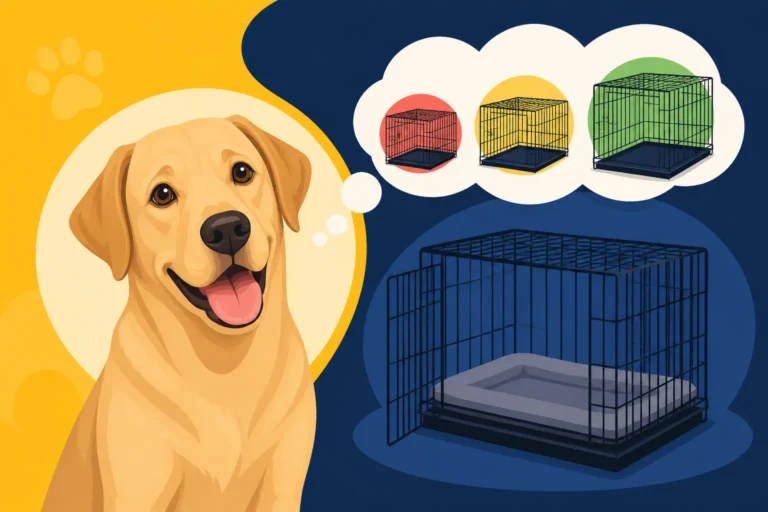
2. Gather Supplies: Start collecting all the essentials. This includes a crate (which is invaluable for Crate Training a Labrador Puppy), a comfortable dog bed, food and water bowls, a leash and collar (or harness), grooming tools, and a variety of appropriate chew toys. Online retailers like Chewy are excellent resources for everything you'll need, often offering competitive prices and convenient delivery. Don't forget puppy-specific cleaning supplies for inevitable accidents!
3. Research Vets and Puppy Classes: Don't wait until your puppy is home to find a veterinarian. Research local vets, read reviews, and schedule an introductory visit. You'll want a vet you trust for your puppy's initial health checks and vaccination schedule. Also, look into local puppy socialization classes or basic obedience courses. Early training and socialization are crucial for a well-adjusted Labrador. This is also a good time to consider the First Year Costs New Labrador Owners Forget and budget accordingly.
4. Educate Yourself on Training and Behavior: Read books, watch reputable videos, and listen to podcasts about puppy raising, positive reinforcement training, and Labrador-specific behaviors. Understanding concepts like bite inhibition, house-training techniques, and how to build a strong recall will be incredibly beneficial. Learning about Training a Labrador From Puppy to Adult will give you a head start.
5. Adjust Your Routine: Think about how your daily schedule will change. Who will feed the puppy, when will potty breaks happen, and who will handle exercise and training? Puppies require significant time and commitment, especially in the first few months. Having a family plan in place beforehand will make the transition smoother.
By utilizing this waiting time wisely, you'll not only prepare your home but also yourself, setting the stage for a successful and joyful life with your new Labrador Retriever.
| Factor Affecting Waitlist Length | Typical Impact | How to Influence It (If Applicable) |
|---|---|---|
| Breeder Reputation | Longer wait | Choose a less in-demand breeder (but risk quality) |
| Desired Coat Color | Varies | Be flexible on color |
| Desired Gender | Varies | Be flexible on gender |
| Litter Frequency | Longer wait | No direct influence on breeder's schedule |
| Time of Year | Varies | Plan for off-peak seasons if possible |
| Flexibility on Specifics | Shorter wait | Be open to various options |
| Unforeseen Cancellations | Shorter wait | Stay engaged and ready for unexpected calls |
Disclaimer
The information provided in this article is for general informational purposes only and does not constitute professional veterinary advice. Always consult with a qualified veterinarian or animal health professional for any concerns about your Labrador Retriever's health, diet, or training.