A First Aid Kit for a Labrador Retriever
There’s nothing quite like the heart-stopping moment when your beloved Labrador encounters an unexpected emergency. Whether it’s a minor cut from a stray branch on a trail, a surprise allergic reaction, or something more serious, feeling unprepared can amplify the stress immensely. This guide is here to help you navigate those anxious times by showing you how to assemble a comprehensive first aid kit specifically designed for your adventurous, and sometimes stoic, Labrador Retriever.
Why Your Labrador Needs a Dedicated First Aid Kit
Our Labradors, with their boundless energy and insatiable curiosity, often find themselves in situations where a little bump or scrape is almost inevitable. They’re outdoor enthusiasts, water lovers, and notorious sniffers of all things interesting – which unfortunately includes things that can sting, cut, or otherwise injure them. Having a dedicated first aid kit isn't just a convenience; it's a crucial part of responsible pet ownership, giving you the immediate tools to help your furry friend until professional veterinary care can be sought.
Their Love for Adventure and the Outdoors
Labradors thrive on activity. Whether they're fetching in the park, swimming in the lake, hiking a local trail, or simply exploring the backyard, their adventurous spirit means they're constantly interacting with their environment. This exposure, while wonderful for their physical and mental health, also puts them at risk for a variety of minor injuries. A rogue thorn, a sharp rock, an insect bite, or even just over-exertion can quickly turn a fun outing into a concerning situation. Imagine being miles into a hike and realizing your Lab has a deep cut on their paw pad; a well-stocked kit can make all the difference in getting them safely back home.
Understanding a Labrador's High Pain Tolerance
One of the most endearing, yet sometimes challenging, traits of a Labrador is their incredible stoicism. They are often dubbed "tough dogs" or "brave souls," and while this speaks to their resilient nature, it also means they can mask pain and discomfort surprisingly well. A Labrador might be limping slightly, but still eagerly wag their tail or want to continue playing, making it difficult for an owner to gauge the severity of an injury. By the time they show obvious signs of distress, an issue could be quite advanced. This is why immediate assessment and the ability to provide basic first aid are so important. Knowing how to recognize subtle cues and address them quickly can prevent a minor issue from escalating. You can learn more about Reading Pain in a Stoic Labrador to better understand their subtle signals.
Common Mishaps and Minor Injuries
From their wagging "otter tails" to their webbed paws, Labradors have a few physical characteristics that make them prone to specific ailments. Hot spots, those inflamed, red, weeping lesions, are incredibly common, especially in humid weather or if they've been swimming frequently. Paw pad injuries, from cuts and abrasions to punctures, are also regular occurrences given their active lifestyles. Ear infections are another frequent issue, particularly for Labs who love the water, as moisture can get trapped in their floppy ears. Having the right supplies to clean a wound, soothe an irritated patch of skin, or temporarily bandage a paw until you can get to the vet can prevent further complications and provide immediate relief.
Essential Medical Supplies for Your Labrador's Kit
When it comes to medical supplies, think versatility. You want items that can handle everything from a small scrape to stabilizing a more serious injury. Remember, this kit is for immediate intervention, not a replacement for veterinary care. Always consult your vet after any significant incident.
Wound Care and Infection Prevention
Cuts, scrapes, and abrasions are almost a given with an active Labrador. Being prepared to clean and cover these wounds is paramount.
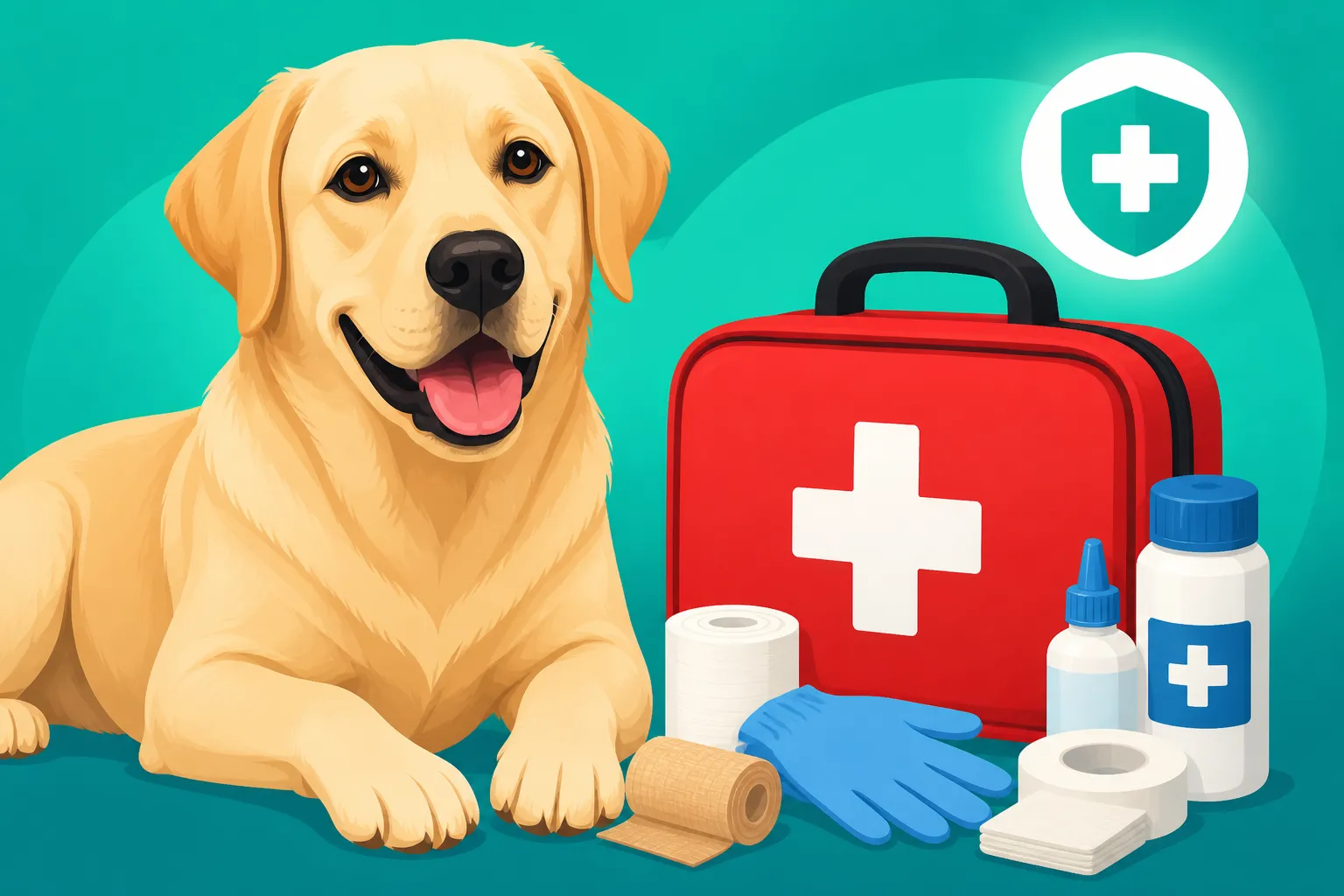
- Antiseptic Wipes or Solution: Look for individual wipes containing chlorhexidine or povidone-iodine. These are excellent for cleaning wounds without stinging. If you opt for a solution, a small bottle of Vetericyn Plus wound and skin care spray is a fantastic, non-toxic option. For instance, if your Lab snags their paw on a broken branch during a walk around Lake Springfield, you can immediately clean the area to prevent infection.
- Sterile Gauze Pads and Rolls: Various sizes (2×2, 4×4 inches) are useful for covering wounds or applying pressure to stop bleeding. Rolls can be used to wrap larger areas.
- Self-Adhering Bandages (Vet Wrap): This stretchy, self-sticking bandage material is a lifesaver. It doesn’t stick to fur, provides light compression, and stays in place. Always apply it snugly but not so tight that it cuts off circulation. You'll often find these at local pet stores or online from brands like 3M.
- Adhesive Tape: Medical tape or athletic tape can secure gauze or wraps, especially if the Vet Wrap isn't quite holding in a tricky spot, like near a joint.
- Blunt-Tip Scissors: Essential for cutting bandages, gauze, or even carefully trimming fur away from a wound. The blunt tips minimize the risk of accidentally poking your dog.
- Saline Solution: A small bottle of sterile saline solution (like contact lens solution, but ensure it's plain saline) can be used to flush out dirt, debris, or irritants from eyes or wounds. This is much safer than tap water for delicate areas.
Medications and Toxin Management
While you should never administer medication without veterinary guidance, having certain items on hand can be critical in emergencies, particularly for toxin ingestion or allergic reactions.
- Activated Charcoal (Powder or Liquid): This can absorb certain toxins if ingested, but must only be given under explicit direction from your veterinarian or pet poison control. Improper use can be dangerous.
- Diphenhydramine (Benadryl): For acute allergic reactions (like bee stings or insect bites), your vet might advise a specific dose of this antihistamine. Always know the correct dosage for your Labrador's weight before an emergency strikes. A sudden facial swelling after an unknown bug bite at the dog park in City Park can be incredibly alarming, and having Benadryl on hand, with vet instructions, could be vital.
- Hydrogen Peroxide 3%: In very specific situations, and only under immediate veterinary instruction, hydrogen peroxide can induce vomiting. However, it can also cause severe irritation, so never use it without professional guidance. This is an absolute last resort.
- Topical Antibiotic Ointment: A small tube of Neosporin (ensure it does NOT contain pain relievers like benzocaine or lidocaine, as these can be toxic if licked) can be applied to minor cuts or abrasions once cleaned.
Many pet owners find peace of mind knowing that services like Healthy Paws can help cover the unexpected costs that arise from accidental ingestions or sudden illnesses. Dealing with an emergency is stressful enough without the added worry of a hefty vet bill.
Diagnostic and Protective Items
Knowing what's going on with your Lab, and protecting yourself, are key components of a first aid response.
- Digital Rectal Thermometer: A quick and accurate way to check for fever or hypothermia. Normal canine temperature is 101-102.5°F (38.3-39.2°C). Lubricate the tip with petroleum jelly.
- Non-Latex Gloves: Protect both you and your dog from potential contamination during wound care.
- Flashlight or Headlamp: Essential for examining wounds or navigating in low light, especially if an incident occurs during an evening stroll.
- Magnifying Glass: Useful for identifying small splinters, thorns, or ticks embedded in fur or skin.
- Tweezers: Fine-tipped tweezers are perfect for removing splinters, thorns, or ticks. If you live in an area with high tick populations, like the wooded trails outside Willow Creek, having these on hand is critical. You can also review Flea and Tick Products Safe for Labradors to ensure year-round protection.
Non-Medical Essentials and Tools
Beyond the purely medical, a good first aid kit includes practical items for safe handling, transport, and general comfort.
Restraint and Transport Aids
Even the most gentle Labrador can become anxious or uncharacteristically reactive when in pain. Safety for both of you is paramount.
- Basket Muzzle: This is non-negotiable. An injured or frightened dog, even your dog, might bite out of pain or fear. A basket muzzle allows them to pant and drink but prevents biting. Practice putting it on your dog calmly so it’s not a completely foreign object during an emergency.
- Sturdy Leash and Collar/Harness: Always have a spare, reliable leash and collar (or harness) in your kit. If your dog slips their collar or it gets damaged, you need a way to safely secure them.
- Emergency Blanket/Old Towel: A large, sturdy blanket can serve multiple purposes: keeping your dog warm if they're in shock, providing a clean surface to work on, or even acting as an improvised stretcher for a large, injured Labrador who cannot walk on their own. For older Labs, this can be invaluable alongside Ramps and Mobility Aids for an Old Labrador.
- Pet Carrier (if applicable) or Improvised Sling: If your Labrador is small enough, a carrier is the safest way to transport them when injured. For larger Labs, a sturdy blanket or a tarp can be fashioned into a sling to help carry them to your vehicle.
Comfort and Emergency Contact Information
In an emergency, quick access to information and a bit of comfort can make a huge difference.
- Pet First Aid Book/Guide: Even with online resources, a physical guide can be invaluable if you're out of cell service or need quick, offline instructions. Many organizations offer excellent guides specifically for dogs.
- Emergency Contact List: This list should include:
- Your primary veterinarian’s phone number.
- The number for the nearest 24-hour emergency veterinary clinic.
- The ASPCA Animal Poison Control Center (APCC) hotline (1-888-426-4435) or the Pet Poison Helpline (1-855-764-7661). There is usually a fee, but it's often worth it. You should also consider learning What to Do If a Labrador Eats Chocolate.
- A trusted friend or family member who can assist or make decisions if you are incapacitated.
- Copy of Vaccination Records/Health Info: Keep a laminated copy or digital file of your Labrador’s most recent vaccination history and any known allergies or medical conditions. This is essential if you need to visit an unfamiliar emergency vet. You can track this information closely with your vet's guidance on a Labrador Vaccination and Parasite Schedule.
- Recent Photo of Your Dog: In the unfortunate event your Labrador gets lost during an emergency, a clear, recent photo can aid in their recovery.
Understanding your financial options for emergencies is also crucial. Companies like Healthy Paws offer pet insurance that can help manage the significant costs associated with sudden accidents or illnesses, allowing you to focus on your Lab’s recovery without added financial strain. This is especially true for unexpected situations that may require extensive treatment.
Dealing with Environmental Hazards
Labradors love being outside, and sometimes that means dealing with extreme weather or tricky terrains.
- Paw Balm/Wax: Products like Musher's Secret can protect paw pads from hot pavement in summer, rough terrain, or ice and salt in winter. This is particularly important for Labs who spend a lot of time outdoors, whether it's hiking the Cascades or walking city streets.
- Cooling Mat or Bandana: For hot climates, a cooling mat or a bandana that can be soaked in water can help prevent heatstroke during strenuous activity. Labradors, especially black ones, can overheat quickly. Learning about Treating a Hot Spot on a Labrador also involves keeping them cool and dry.
- Small Towel or Absorbent Cloth: For cleaning up mud, drying paws, or applying pressure to a bleeding wound.
- Bottled Water and Collapsible Bowl: Staying hydrated is important for both you and your Lab, especially during or after a stressful event.
Assembling and Maintaining Your Kit
Once you have all your supplies, how you organize and maintain them is just as important as what’s inside. A well-organized kit means quick access when seconds count.
Choosing the Right Container and Storage Spot
The container for your first aid kit needs to be durable, waterproof, and easily identifiable. A plastic tackle box, a sturdy waterproof bag, or a dedicated pet first aid container are all good options. Label it clearly with "DOG FIRST AID" or "LABRADOR EMERGENCY KIT."
Consider having two kits:
- Home Kit: This can be a larger, more comprehensive kit stored in an easily accessible location, like a pantry shelf or a laundry room cabinet, away from children and pets.
- Travel/Car Kit: A smaller, more portable version to keep in your car, especially if you frequently take your Labrador on adventures, to the dog park, or on road trips. This ensures you're always prepared, whether you're at home in Austin or camping in Big Bend National Park.
Regular Checks and Replenishments
A first aid kit is only useful if its contents are up-to-date and complete. Make it a habit to check your kit regularly, perhaps every six months or at the beginning of each season.
- Check Expiration Dates: Medications, antiseptic wipes, and even sterile gauze can expire. Replace anything past its prime.
- Replenish Used Items: If you’ve used anything from the kit, replace it immediately. Don't wait for the next "check-up."
- Seasonal Adjustments: Depending on where you live and the time of year, you might want to swap out certain items. For instance, more cooling aids in summer, extra paw protection in winter.
- Battery Check: If your flashlight or thermometer uses batteries, check them regularly. Nothing worse than a dead battery in an emergency.
Proactive health management is key, and maintaining an emergency fund or considering pet insurance from providers like Healthy Paws can alleviate financial stress during unforeseen circumstances. They’re a valuable partner in ensuring your Labrador always has access to the best care.
Practicing Emergency Responses
Knowing you have the supplies is one thing; knowing how to use them is another. Take the time to familiarize yourself with basic pet first aid techniques.
- Learn Basic Canine CPR: While hopefully never needed, knowing the basics of canine CPR can be a lifesaver. Local pet stores or community centers often offer pet first aid courses.
- Practice Bandaging: Try bandaging your Labrador’s paw or leg when they are calm. This helps you get a feel for how to apply wraps and helps your dog get used to the sensation.
- Temperature Taking: Practice taking your Labrador’s rectal temperature so you know how they react and what a normal reading feels like.
- Recognize Emergency Symptoms: Be familiar with critical symptoms like those of bloat. Understanding Bloat Symptoms in a Labrador Retriever and knowing Emergency Steps When a Labrador Bloats could be the difference between life and death.
By taking these steps, you’re not just assembling a collection of items; you’re building confidence and readiness to protect your beloved Labrador in an emergency.
Here's a handy table summarizing the essential items for your Labrador's first aid kit:
| Category | Essential Items | Purpose |
|---|---|---|
| Wound Care | Antiseptic Wipes/Solution (Chlorhexidine/Povidone-Iodine), Sterile Gauze Pads, Vet Wrap, Adhesive Tape, Blunt-Tip Scissors, Saline Solution | Cleaning wounds, stopping bleeding, covering injuries, preventing infection |
| Medication/Toxin Mgmt. | Activated Charcoal (Vet-directed), Diphenhydramine (Benadryl – Vet-dosed), Hydrogen Peroxide 3% (Vet-directed), Non-pain relief Topical Antibiotic Ointment | Toxin absorption, allergic reactions, minor infection prevention |
| Diagnostic/Protective | Digital Rectal Thermometer, Non-Latex Gloves, Flashlight, Magnifying Glass, Tweezers | Assessing health, personal protection, examining minor issues |
| Restraint/Transport | Basket Muzzle, Sturdy Leash/Collar, Emergency Blanket/Large Towel, Pet Carrier/Sling | Safety for handler and pet, secure transport |
| Information/Comfort | Pet First Aid Book, Emergency Contact List (Vet, ER Vet, Poison Control), Vaccination Records, Recent Photo, Bottled Water, Collapsible Bowl | Guidance, quick access to help, identification, hydration |
| Environmental Protection | Paw Balm/Wax, Cooling Mat/Bandana, Small Absorbent Towel | Protecting paws, preventing heatstroke, quick clean-ups |
Disclaimer
The information provided in this article is for informational purposes only and does not constitute veterinary advice. Always consult with a qualified veterinarian for any health concerns or before making any decisions related to your Labrador's medical care. In an emergency, seek immediate veterinary attention.