Elbow Dysplasia in Labrador Retrievers
Discovering that your beloved Labrador is struggling with a painful joint condition like elbow dysplasia can be incredibly distressing and confusing for any owner. It's a common orthopedic problem in our active, big-hearted retrievers, often leading to chronic pain and reduced mobility. This guide aims to break down everything you need to know about elbow dysplasia in Labrador Retrievers, from understanding its causes and recognizing symptoms to navigating diagnosis, treatment options, and long-term management to ensure your furry friend can live as comfortably and happily as possible.
What Exactly Is Elbow Dysplasia in Labradors?
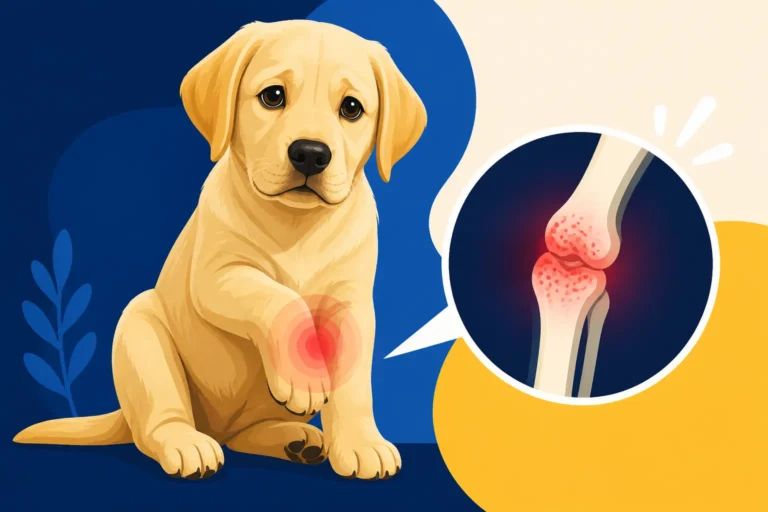
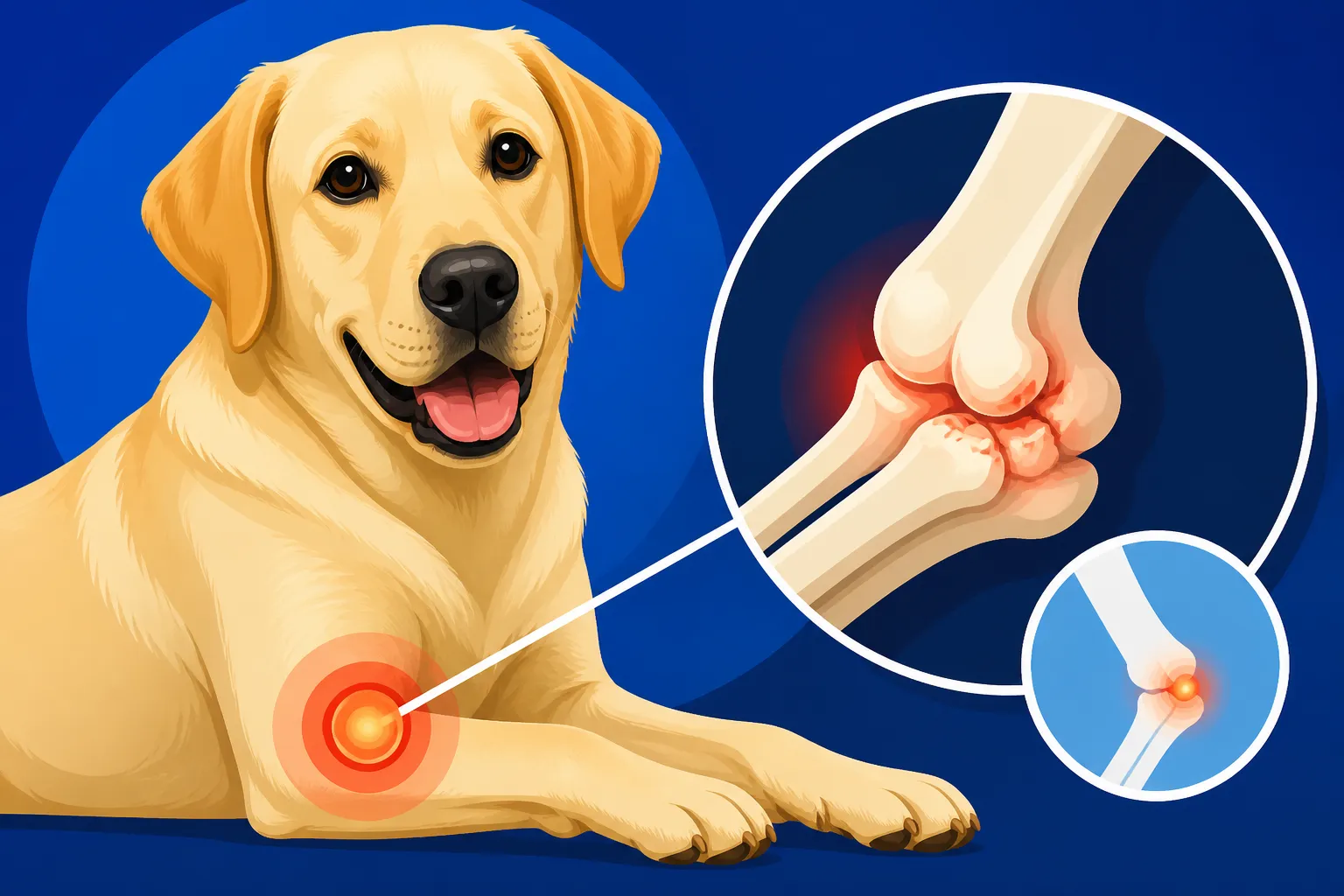
Elbow dysplasia (ED) isn't just one condition; it's actually a catch-all term for several developmental abnormalities that can occur in a Labrador's elbow joint. This complex joint, where the humerus (upper arm bone), radius, and ulna (forearm bones) meet, needs to fit together perfectly to function smoothly. When something goes wrong during a puppy's rapid growth, these components don't develop or align correctly, leading to instability, abnormal pressure, and eventually, painful arthritis. It's a progressive disease, meaning it tends to worsen over time, and it's particularly prevalent in large, fast-growing breeds like our Labs.
The underlying issue is often multifactorial, meaning there are several things at play that contribute to its development. The bones and cartilage just don't grow at the right pace or in the right shape, causing friction and damage rather than a smooth, gliding motion. This abnormal wear and tear irritates the joint, leading to inflammation and the breakdown of cartilage, which is essentially the natural shock absorber in the joint.
Over time, the body tries to stabilize the joint by laying down new bone, leading to osteophytes (bone spurs), which are characteristic of osteoarthritis. This creates a vicious cycle: the abnormal development causes damage, which causes pain and further degeneration, and so on. It's a heartbreaking reality for many Labrador owners because it often starts when their dogs are still very young and full of boundless energy, only to manifest as stiffness and lameness much sooner than expected.
Understanding the Complexities of the Elbow Joint
The elbow joint is a marvel of biological engineering, allowing for both flexion (bending) and extension (straightening) of the front leg. It's made up of three bones: the humerus, which comes down from the shoulder, and the radius and ulna, which extend down into the paw. For a Labrador to move gracefully and without pain, these three bones must align perfectly, with the cartilage surfaces cushioning every movement.
In a healthy elbow, the joint surfaces are perfectly congruent, meaning they fit together like custom puzzle pieces. The cartilage is smooth and resilient, allowing for fluid motion. This intricate structure is designed to withstand the considerable forces put upon it by an active, powerful dog like a Labrador, whether they're fetching a ball, swimming in a lake, or bounding through a field.
When elbow dysplasia is present, this perfect congruence is disrupted. There might be a step in the joint surface, a piece of cartilage that didn't develop properly and chipped off, or abnormal bone growth. These imperfections cause grinding, pinching, and inflammation every time the dog moves. It's like having a pebble in your shoe that constantly rubs and irritates, eventually causing a sore. For a Labrador, who loves to use their body to the fullest, this constant irritation can be incredibly debilitating.
Primary Causes of Elbow Dysplasia
Elbow dysplasia is widely considered a polygenic, multifactorial disease, which sounds complicated, but essentially means it's influenced by a combination of genetics and environmental factors. You can't point to a single gene or a single incident and say, "That's why my Lab has ED." Instead, it's usually a perfect storm of predisposition and external influences. This makes prevention tricky, but understanding the contributing factors can help reduce risk.
The genetic component is significant, meaning certain lines of Labradors are more prone to developing the condition. This is why reputable breeders go to great lengths to screen their breeding stock, often with certifications from organizations like the Orthopedic Foundation for Animals (OFA). Despite careful breeding, genes can still be passed down, and even a pup from excellent parents can sometimes develop ED if the genetic cards fall just right.
Environmental factors also play a crucial role, especially during a Labrador puppy's rapid growth phase. Things like diet, exercise, and even how fast a puppy gains weight can influence whether they develop ED or how severe it becomes. It's not about outright abuse or neglect, but rather subtle everyday choices that can impact skeletal development in a genetically predisposed puppy.
The Strong Genetic Link
The role of genetics in elbow dysplasia cannot be overstated. It's believed to be inherited, but not in a simple dominant or recessive pattern. Rather, multiple genes contribute to the predisposition, making it a complex trait to breed out entirely. This means that even if a parent dog has excellent, clear elbows, they can still carry genes that, when combined with genes from another parent, could result in offspring with ED. This is why Genetic Panels Worth Running on a Labrador can be so valuable for breeders.
This genetic complexity highlights the importance of choosing a breeder who not only screens their breeding dogs but also understands the pedigrees and health history of multiple generations. They should be able to show you clear health certifications for both parents, demonstrating that they are free of detectable elbow dysplasia. Organizations like the OFA assign grades to elbows, from "normal" to various grades of dysplasia, helping breeders make informed decisions. Asking to see these Health Clearances a Labrador Breeder Must Show is non-negotiable when searching for a puppy.
Even with the best genetic planning, Mother Nature can still throw a curveball. The goal of responsible breeding is to significantly reduce the risk, not eliminate it entirely, as it's nearly impossible with polygenic traits. However, by selecting breeding pairs with excellent elbow health and a history of clear elbows in their lines, breeders stack the odds in favor of healthier puppies, giving them the best possible start in life.
Environmental Factors and Rapid Growth
Beyond genetics, a Labrador puppy's early environment and growth rate significantly impact their chances of developing or exacerbating elbow dysplasia. The rapid growth common in large breeds is a double-edged sword; while impressive, it means their bones and joints are undergoing massive changes in a short period, making them vulnerable to imbalances.
One critical environmental factor is diet. Overfeeding, especially with diets too high in calories or calcium, can promote excessively rapid growth, putting undue stress on developing joints. It might sound counterintuitive, but feeding a large breed puppy food that promotes slower, more controlled growth, rather than trying to make them as big as possible, is essential. Consult your vet for advice on appropriate food and portion sizes, particularly for Labrador Puppy Feeding Amounts and Schedule.
Excessive or inappropriate exercise during puppyhood can also be detrimental. While Labs are active, activities like long-distance running, jumping from heights, or intense, repetitive impact on hard surfaces should be avoided until their growth plates have closed, usually around 12-18 months of age. Short, frequent play sessions on soft ground are far better for their developing joints than intense, prolonged activities. Too much rough-and-tumble play or forced exercise can contribute to the micro-traumas that encourage the development of ED.
Recognizing the Signs and Symptoms
Identifying elbow dysplasia early in your Labrador can be challenging, as Labs are notoriously stoic and excellent at masking pain. They often try to push through discomfort, especially when excited. However, paying close attention to subtle changes in their gait, activity level, and behavior can give you clues. Symptoms usually begin to appear between 4 and 12 months of age, when puppies are still growing rapidly, but they can sometimes manifest later as osteoarthritis progresses.
Lameness is the most common sign, often intermittent at first and typically worse after exercise or after resting. You might notice your Labrador holding a front leg slightly out to the side or shifting weight away from the affected limb. They might become reluctant to play as vigorously as before, or avoid activities like jumping into the car or going up and down stairs. It’s not always a dramatic limp; sometimes it’s just a stiffness or a subtle change that only you, as their dedicated owner, would pick up on.
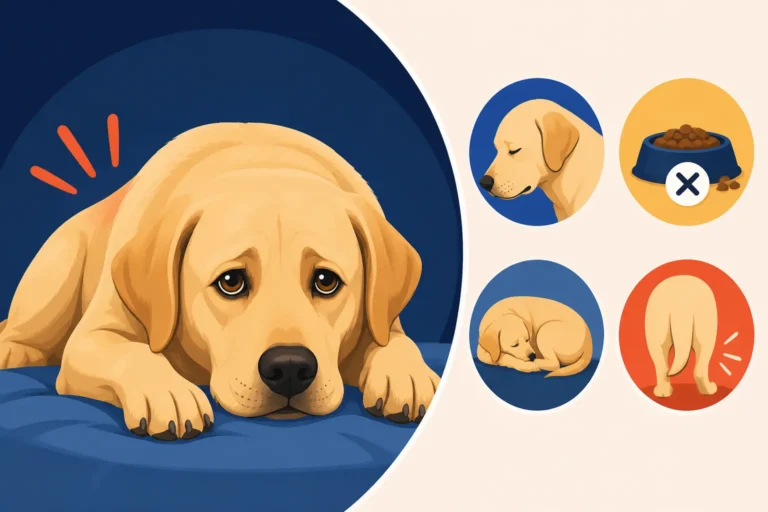
Other signs can include a decreased range of motion in the elbow, swelling around the joint, or a crackling sound (crepitus) when the joint is moved. Muscle atrophy in the shoulder of the affected leg might also occur as the dog uses that limb less. Reading Pain in a Stoic Labrador is a skill every owner develops, and subtle cues like changes in mood, appetite, or even how they lie down can be indicators of discomfort.
Early Warning Signs in Puppies
For young Labrador puppies, the signs of elbow dysplasia can be incredibly subtle, often dismissed as "growing pains" or just normal puppy clumsiness. This is a critical period, though, because early intervention can sometimes make a difference in managing the condition. Owners might notice a slight, intermittent lameness that seems to come and go, especially after periods of rest or vigorous play. One day they're fine, the next they're a bit stiff, and then they seem to recover.
Another common early sign is an altered gait. A puppy with elbow dysplasia might "paddle" with their front paws or keep their elbows tucked in unusually tightly or held out awkwardly. They might not extend their leg fully when running or seem reluctant to put full weight on one front leg. It's often worse after a nap, where they might struggle to get up or seem stiff for the first few minutes of movement.
You might also observe changes in their behavior. A normally boisterous Labrador puppy might show reduced enthusiasm for play, seem tired more quickly, or be hesitant to jump up or engage in rough-and-tumble with littermates or other dogs. If you gently feel their elbows, you might notice warmth or tenderness, or they might react with a slight flinch. Any consistent or recurring stiffness, lameness, or reluctance to use a front leg fully in a growing puppy warrants a visit to your veterinarian for a thorough check-up.
Progressive Symptoms in Adult Dogs
As elbow dysplasia progresses and leads to osteoarthritis, the symptoms in adult Labradors become more pronounced and persistent. What might have been an intermittent limp in puppyhood can become a constant, debilitating lameness. The morning stiffness or stiffness after resting will become more severe and last longer, taking your Labrador a significant amount of time to "warm up" and move comfortably.
You'll likely notice a marked decrease in their activity levels. Your once-eager retriever might now hesitate before going for walks, avoid stairs, struggle to get into the car, or be reluctant to jump for a toy. They might also begin to shift their weight more noticeably, trying to compensate for the pain in the affected elbow by putting more strain on their other limbs or their hindquarters. This can sometimes lead to secondary issues like Labrador Arthritis in Middle Age in other joints due to the altered biomechanics.
Chronic pain can also lead to behavioral changes. Your Labrador might become more irritable, less tolerant of handling, or even show signs of aggression if their painful joint is touched. They might lick or chew at the affected area excessively. Muscle loss (atrophy) can become evident in the shoulder and upper arm of the affected leg, as they naturally use it less. If you observe any of these progressive signs, it’s imperative to consult your vet to discuss pain management and potential interventions, as the quality of life for your beloved companion is paramount.
Diagnosing Elbow Dysplasia
Diagnosing elbow dysplasia requires a combination of clinical examination and advanced imaging. Your veterinarian will start with a thorough physical exam, carefully manipulating your Labrador's elbow joints to assess their range of motion, check for pain, swelling, or crepitus (a crackling sound). They'll also observe your dog's gait and how they bear weight. Based on these findings, they'll likely recommend radiographs (X-rays) to get a clearer picture of the bone structure.
X-rays are the primary diagnostic tool for elbow dysplasia. Specific views are needed to adequately visualize all the components of the elbow joint and identify abnormalities. Your vet may need to sedate your Labrador to get proper, pain-free positioning for these X-rays, as even minor movements can obscure details. These images can reveal signs such as osteophytes (bone spurs), sclerosis (increased bone density), and changes in the joint space, all indicative of ED and secondary osteoarthritis.
In some cases, especially if X-rays are inconclusive or a more detailed view of the soft tissues (cartilage, ligaments) is needed, your vet might recommend more advanced imaging techniques. These can include a CT (computed tomography) scan or an MRI (magnetic resonance imaging). These provide 3D images and a much finer level of detail, which can be crucial for surgical planning. Often, these specialized diagnostics are done at a veterinary orthopedic specialist clinic.
Veterinary Examination and Initial Assessment
When you bring your Labrador to the vet with concerns about lameness or stiffness, the first step will always be a comprehensive physical examination. Your vet will watch your dog walk, trot, and stand, looking for any asymmetry in their gait, changes in posture, or reluctance to bear weight on a limb. They'll likely palpate (gently feel) the affected leg, starting from the toes and moving up to the shoulder and neck, checking for swelling, warmth, tenderness, or muscle wastage.
Specifically for the elbow, the vet will perform a series of flexion and extension tests, gently bending and straightening the joint while listening and feeling for any clicks, pops, or grinding sensations. They'll also assess the range of motion – how far the joint can comfortably move in all directions. A reduced range of motion, coupled with signs of pain or discomfort during these manipulations, will strongly suggest an elbow issue.
During this initial assessment, your vet will also gather a detailed history from you. They'll ask about when you first noticed the symptoms, how they've progressed, what activities seem to make it worse or better, and if there have been any changes in your Labrador's diet, exercise routine, or overall behavior. This information, combined with the physical findings, helps your vet formulate a diagnostic plan and rule out other potential causes of lameness, such as a Cruciate Ligament Tears in Labradors or other injuries.
X-rays and Advanced Imaging Techniques
Once the clinical examination points towards elbow dysplasia, the next crucial step is typically radiography, or X-rays. Standard X-ray views for diagnosing elbow dysplasia include lateral (side) and flexed lateral projections, as well as craniocaudal (front-to-back) views. These specific angles are designed to highlight the various bones and joint spaces, allowing the vet to identify common lesions associated with ED, such as fragmented coronoid processes, ununited anconeal processes, or osteochondritis dissecans (OCD) lesions.
Because obtaining perfectly positioned, diagnostic quality X-rays can be challenging, especially on a potentially painful or uncooperative dog, sedation is almost always recommended. This ensures your Labrador is comfortable and still, allowing the veterinary team to get clear, precise images without causing undue stress or exacerbating pain. The X-rays will be evaluated for specific markers of elbow dysplasia and graded according to systems like the OFA scheme, which helps standardize diagnosis across the veterinary community.
For more complex cases, or when surgical intervention is being considered, your vet might recommend a referral for advanced imaging like a CT scan. A CT scan provides cross-sectional, 3D images of the bones and soft tissues, offering a far more detailed view than traditional X-rays. This is particularly useful for identifying subtle fragments of bone or cartilage, assessing the exact degree of joint incongruity, and planning the precise surgical approach. While more expensive, these advanced tools can provide invaluable information for treatment decisions, which is where having good pet insurance like Healthy Paws can be incredibly helpful.
Treatment Options for Elbow Dysplasia
Treating elbow dysplasia in Labradors is a multi-faceted approach aimed at managing pain, preserving joint function, and improving your dog's quality of life. The chosen treatment depends heavily on the severity of the condition, your dog's age, and the specific type of lesion present. Broadly, options fall into two categories: conservative (non-surgical) management and surgical intervention.
Conservative management is often the first line of defense, especially for mild to moderate cases, or for dogs who are not surgical candidates. This approach focuses on alleviating pain and inflammation, supporting joint health, and preventing further degeneration. It typically involves a combination of medication, controlled exercise, weight management, and supportive therapies.
Surgical options are considered when conservative management isn't sufficient, when specific lesions are amenable to repair, or when the goal is to prevent the progression of severe osteoarthritis. There are various surgical techniques, ranging from minimally invasive arthroscopy to more complex procedures like osteotomies (bone cutting) or even total elbow replacement in very severe, end-stage cases. The decision to pursue surgery is a significant one, and it's essential to have a thorough discussion with your vet and potentially a board-certified veterinary orthopedic surgeon.
Conservative (Non-Surgical) Management
For many Labradors with elbow dysplasia, especially those with milder forms or older dogs where surgery might not be an option, conservative management can provide significant relief and improve their comfort. This approach is all about controlling pain and inflammation, maintaining muscle strength, and slowing the progression of arthritis.
Pain management is central to conservative care. This typically involves non-steroidal anti-inflammatory drugs (NSAIDs) to reduce pain and inflammation, which your vet will prescribe and monitor. Other medications, such as gabapentin or amantadine, might be used in conjunction with NSAIDs for more chronic or neuropathic pain. Joint supplements containing glucosamine, chondroitin, and omega-3 fatty acids can also be beneficial in supporting cartilage health, though their effects vary between individual dogs.
Weight management is absolutely critical. Labrador Obesity and the Years It Costs is a real concern, and carrying extra pounds puts immense stress on already compromised joints, significantly worsening pain and accelerating joint degeneration. Working with your vet to achieve and maintain a lean body condition for your Labrador is one of the most impactful things you can do. Regular, controlled exercise, such as short, frequent walks on soft surfaces or swimming, can help maintain muscle mass without overstressing the joint. Physical Therapy for a Labrador With Bad Hips (and elbows!) can also be hugely beneficial, providing structured exercises to improve strength, flexibility, and balance.
Surgical Interventions
When conservative management isn't enough to provide a good quality of life, or if specific lesions are present that can be corrected surgically, your veterinary orthopedic surgeon might recommend various surgical procedures. The goal of surgery is often to remove painful bone fragments, correct joint incongruity, or slow the progression of osteoarthritis.
One common surgical technique is arthroscopy, a minimally invasive procedure where a small camera and instruments are inserted into the joint through tiny incisions. This allows the surgeon to visualize the joint directly, identify lesions like fragmented coronoid processes or OCD flaps, and remove them. Arthroscopy is less invasive than traditional open surgery, leading to faster recovery times and less post-operative pain.
More complex procedures, such as ulnar osteotomy (cutting the ulna bone to correct joint incongruity) or sliding humeral osteotomy, may be considered to realign the joint surfaces and relieve abnormal pressure. In severe, end-stage cases where pain is intractable and quality of life is severely impacted, a total elbow replacement (TER) might be an option. This is a highly specialized and expensive procedure, but it can offer significant pain relief and improved function for carefully selected candidates. The choice of surgery depends entirely on the specific type of elbow dysplasia and its severity, underscoring the importance of consulting with an experienced veterinary surgeon.
Living With a Labrador With Elbow Dysplasia
Living with a Labrador diagnosed with elbow dysplasia is a long-term commitment that requires patience, dedication, and a proactive approach to their care. It's a journey that focuses on managing pain, maintaining mobility, and adapting your lifestyle to ensure your beloved companion remains as comfortable and happy as possible. This often means adjusting expectations about their activity levels, being vigilant about their comfort, and working closely with your veterinary team.
One of the biggest challenges is accepting that while treatments can manage the condition, elbow dysplasia is often a chronic, progressive disease. Your Labrador may have good days and bad days, and you'll need to learn to recognize the subtle signs of increased pain or discomfort. It's about finding a rhythm that works for both of you, focusing on quality of life over intense, unrestricted activity.
Supportive care at home is paramount. This includes things like providing comfortable, orthopedic bedding, using ramps or steps to help them get into cars or onto furniture, and ensuring non-slip flooring to prevent falls and undue stress on their joints. Regular check-ups with your vet are essential to monitor the progression of the disease and adjust pain management strategies as needed. It's a marathon, not a sprint, and with thoughtful care, your Labrador can still enjoy a fulfilling life.
Long-Term Management and Pain Control
Effective long-term management of elbow dysplasia is primarily about consistent pain control and preventing further joint deterioration. This involves a daily regimen of medication, supplements, and lifestyle adjustments tailored to your Labrador's individual needs. It's crucial to stick to the vet's prescribed pain medication schedule, even on days when your dog seems to be doing well, as consistent management helps keep inflammation at bay.
Your veterinarian might recommend a combination of therapies, including regular NSAIDs, disease-modifying osteoarthritis drugs (DMOADs) like Adequan injections, and a range of joint supplements. It's important to discuss any over-the-counter supplements with your vet, as not all are effective, and some can interact with prescribed medications. Monitoring your Labrador for any side effects from long-term medication use is also vital, with regular blood work to check liver and kidney function.
Beyond medication, maintaining a healthy weight is perhaps the most significant factor in long-term comfort. Even a few extra pounds can dramatically increase the load on affected joints. A carefully controlled diet, often using specialized weight management formulas, is key. Furthermore, a consistent, moderate exercise routine, focusing on low-impact activities like swimming or short, controlled walks, will help maintain muscle mass and joint flexibility without causing excessive wear and tear. Slowing Joint Decline in an Older Labrador involves a holistic approach, often including regular vet visits to fine-tune these management strategies.
Adapting Your Home and Lifestyle
Adapting your home and lifestyle can significantly improve the daily comfort and mobility of a Labrador living with elbow dysplasia. The goal is to minimize stress on their joints and make everyday activities easier and less painful. This starts with creating a safe and comfortable environment where they can move freely without struggling.
Orthopedic dog beds are a game-changer. These beds provide superior cushioning and support for aching joints, helping to relieve pressure points and promote more restful sleep. Place them in easily accessible, draft-free areas where your Labrador likes to rest. For getting into and out of cars, or onto sofas and beds (if they're allowed), consider investing in ramps or pet steps. These eliminate the need for jumping, which can be very jarring and painful for compromised elbows.
Addressing slippery floors is another critical step. Hardwood, tile, or laminate floors can be challenging for dogs with joint pain, as they struggle to get traction, leading to slips and falls that can cause further injury. Lay down non-slip rugs or runners in high-traffic areas, or consider applying paw grips or anti-slip socks to your Labrador's paws. Finally, remember to adjust your exercise routine. While your Labrador still needs activity, swap intense, high-impact games for gentler alternatives. Longer, slow walks, swimming, or mentally stimulating puzzle toys can provide enrichment without overtaxing their joints.
The Role of Pet Insurance
When facing a diagnosis like elbow dysplasia, the financial implications of veterinary care can be a heavy burden on top of the emotional stress. This is where pet insurance can play a crucial role, providing financial peace of mind and allowing you to make treatment decisions based on what's best for your Labrador, rather than solely on cost. Knowing you have support for costly diagnostics, surgeries, and long-term medications can alleviate a lot of worry.
Elbow dysplasia often requires significant investment in diagnostics, specialist consultations, potential surgeries, and ongoing pain management medications throughout your dog's life. These costs can quickly accumulate, ranging from hundreds to thousands of dollars, depending on the severity and chosen treatment path. If you've been proactive and enrolled your Labrador in a pet insurance plan before any symptoms of elbow dysplasia appear, many of these expenses could be covered.
For instance, companies like Healthy Paws offer comprehensive coverage that can help with these major medical expenses. They typically cover accidents and illnesses, including genetic and hereditary conditions like elbow dysplasia, as long as the condition isn't pre-existing (i.e., symptoms appeared or were diagnosed before enrollment or after the waiting period). This means that if your Labrador is covered, you can focus on their recovery and comfort, knowing that a significant portion of the vet bills might be reimbursed.
Covering Costs of Diagnosis and Surgery
The journey of diagnosing and treating elbow dysplasia can be financially demanding. Initial vet consultations, multiple X-rays, potential sedation, and specialist referrals all add up. If advanced imaging like CT scans or MRIs are required, the costs can escalate significantly, often running into thousands of dollars even before a definitive treatment plan is established.
Should surgery be recommended, the expenses can be substantial. Arthroscopic procedures, osteotomies, or especially total elbow replacements are complex operations requiring skilled veterinary surgeons, anesthesia, post-operative care, and rehabilitation. A single surgery for elbow dysplasia can easily cost anywhere from $3,000 to $7,000 or more per elbow, and some Labradors may require surgery on both.
Having pet insurance, such as a plan from Healthy Paws, can make these daunting costs much more manageable. Most comprehensive policies will cover a significant percentage of these diagnostic tests, specialist fees, and surgical procedures, assuming the condition is not pre-existing. This allows you to say "yes" to the best possible care for your Labrador without having to make agonizing financial choices during an already stressful time. It empowers you to pursue advanced treatments that might otherwise be out of reach.
Supporting Long-Term Pain Management and Rehabilitation
Beyond initial diagnosis and potential surgery, elbow dysplasia is a chronic condition that often requires lifelong management. This means ongoing costs for pain medications, anti-inflammatory drugs, joint supplements, and potentially therapeutic injections. Regular physical therapy sessions, hydrotherapy, or chiropractic adjustments might also be recommended to maintain mobility and comfort, and these can add up over time.
For Labradors with severe arthritis resulting from ED, regular check-ups, ongoing prescription refills, and even specialized mobility aids become part of their routine care. These recurring expenses, while individually smaller than a single surgery, accumulate significantly over months and years. Without insurance, these continuous out-of-pocket costs can be financially draining for many families.
Pet insurance policies designed for chronic conditions can be a lifeline here. Many plans cover these recurring prescription costs, ongoing therapies, and rehabilitation sessions, again, provided the condition isn't pre-existing. This long-term financial support from a provider like Healthy Paws means you can provide your Labrador with consistent, high-quality care, helping them manage their pain and maintain a good quality of life throughout their years, ensuring their comfort is prioritized without constant financial strain.
Disclaimer
The information provided in this article is for general informational purposes only and does not constitute veterinary advice. Always consult with a qualified veterinarian for any health concerns or before making any decisions about your Labrador's health or treatment plan.