Why a Labrador’s Tail Should Never Curl
Labrador breed standards explain why a curled tail deviates from the otter tail designed for water work and signals mixed ancestry.
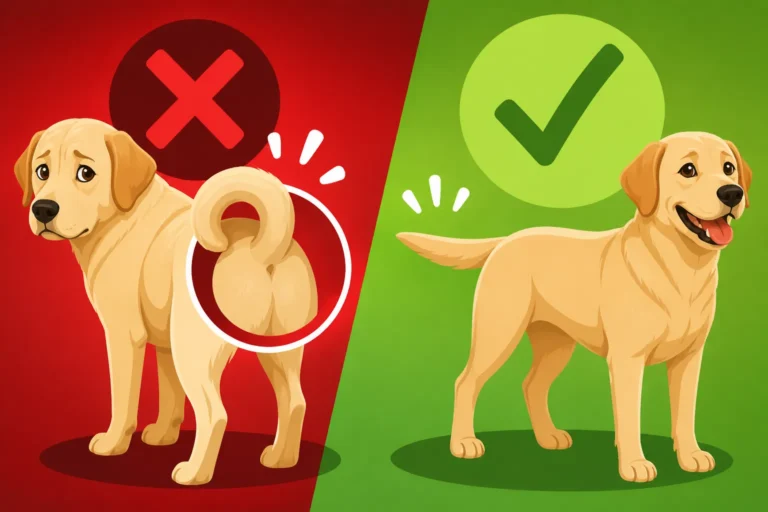
Labrador breed standards explain why a curled tail deviates from the otter tail designed for water work and signals mixed ancestry.
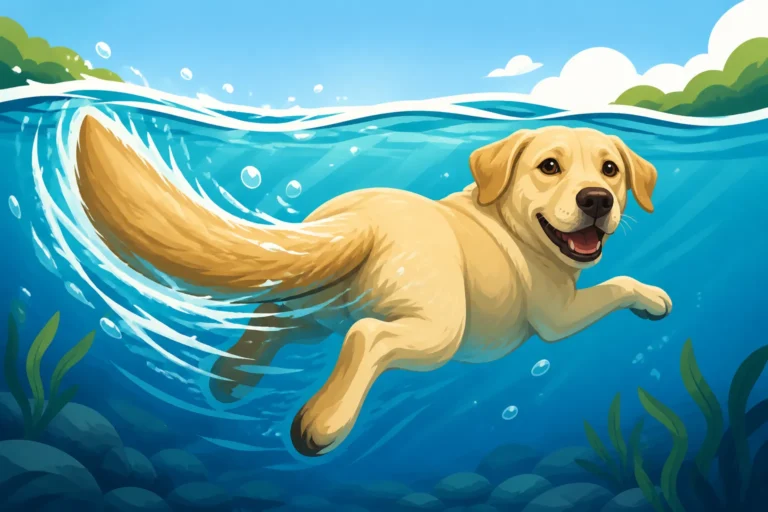
The Labrador otter tail functions as a powerful underwater rudder and propeller using thick muscles and waterproof fur.
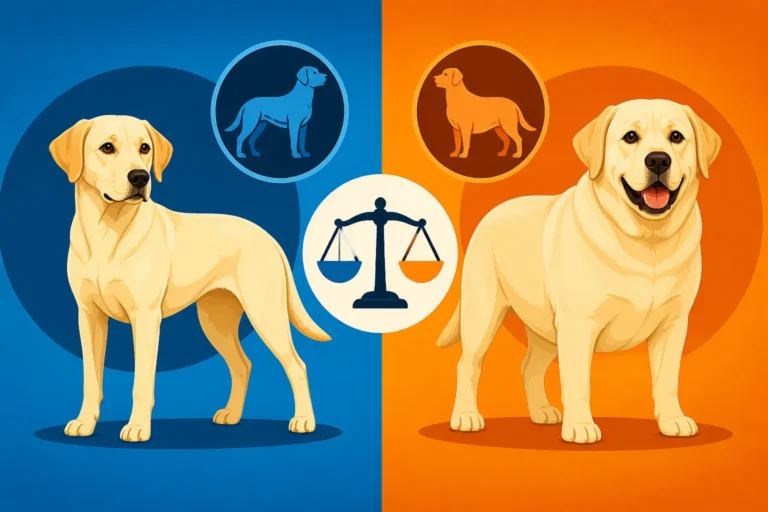
English Labrador physical differences and heavier blocky appearances stem from selective show-line breeding goals and conformation standards.
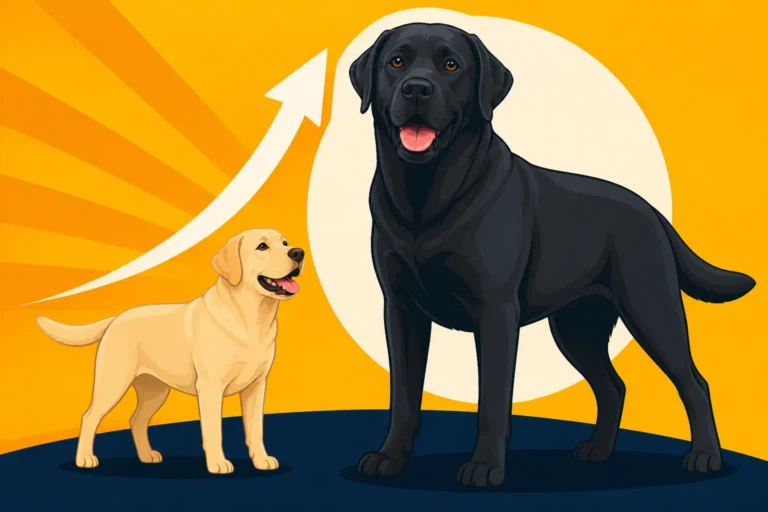
Oversized Labrador Retrievers exceed standard American Kennel Club height and weight ranges due to natural genetic variance.
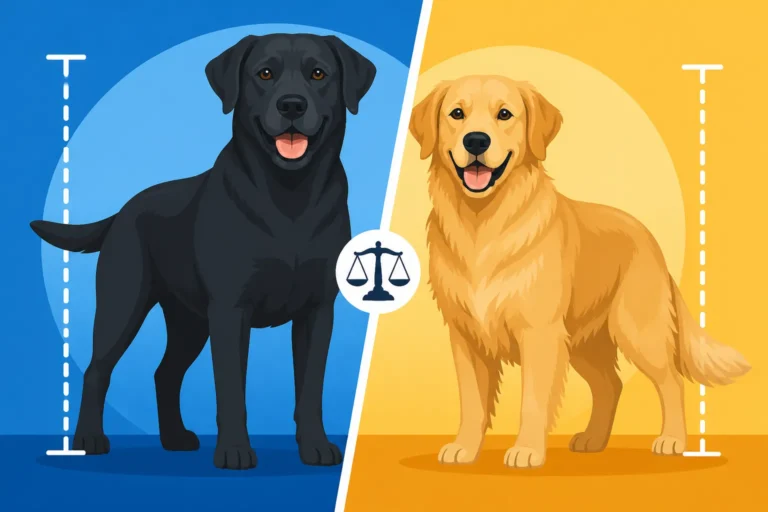
Male and female Labrador Retriever height, weight, and muscular build standards compared to Golden Retrievers.
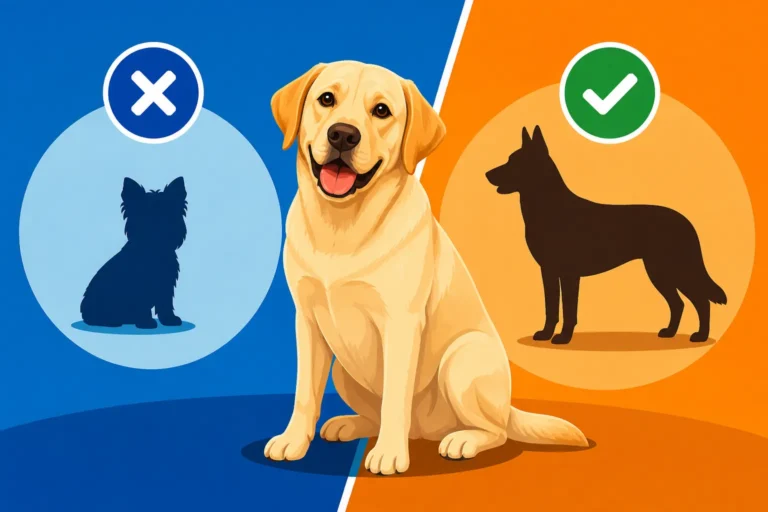
Labrador Retriever size classification explained using American Kennel Club standards for height and weight ranges.

Labrador physical development timelines explain how puppies reach full height at twelve months and gain muscle mass through their third year.
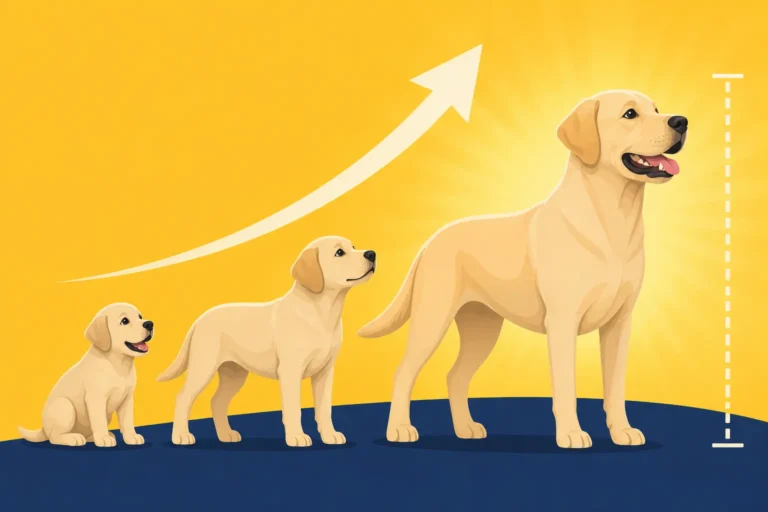
Labrador growth timelines explain when puppies stop growing taller, detailing rapid puppy spurts and adolescent stages.

Official American Kennel Club weight ranges for male and female Labradors, plus factors explaining natural body variations.
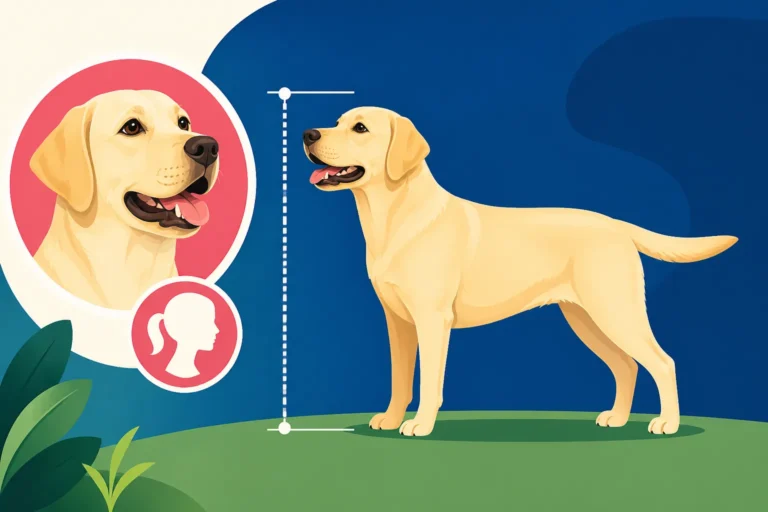
The official height standards for female Labrador Retrievers range from 21.5 to 22.5 inches according to kennel clubs.