What an Otter Tail Does in the Water
When you watch your Labrador swim, whether it's gracefully gliding through a lake or enthusiastically splashing in the ocean, you might notice something special about their tail. It's not just a happy wagging appendage; it's a powerful tool, a finely tuned piece of canine anatomy perfectly evolved for their aquatic lifestyle. This unique characteristic, often dubbed the "otter tail," plays a crucial role in your Labrador's ability to navigate, balance, and retrieve in water. We're going to dive into the specifics of what makes this tail so effective and how it helps your beloved Labrador excel in their favorite element.
The Design Marvel: What Defines an Otter Tail?
Many dog breeds have tails, but none quite match the distinctive "otter tail" of a Labrador Retriever. This isn't just a fanciful name; it describes a tail specifically designed for performance in water, bearing a remarkable resemblance to the tail of its namesake in terms of function and form. It's a key part of their heritage and contributes significantly to their overall utility as a retrieving dog.
More Than Just a Pretty Wag: Anatomy of the Labrador Tail
Imagine a rudder on a boat – it's thick, strong, and capable of precise movements to steer the vessel. Now picture your Labrador's tail. It's incredibly thick at the base, bulging with powerful muscles, and then tapers gradually to a fine point. Unlike many other breeds, you won't find any long feathering or fringes of hair on a Labrador's tail. Instead, it's covered in short, dense fur, which keeps it streamlined and prevents it from acting like a waterlogged brush. This design is no accident; it's the result of centuries of selective breeding for dogs that could work tirelessly in icy waters, bringing back game for fishermen and hunters.
This anatomical structure provides immense strength and leverage. The robust musculature allows the tail to move with considerable force and agility, propelling and steering the dog through water with remarkable efficiency. When you feel the base of your Labrador's tail, you'll immediately understand its power; it's firm and packed with muscle, not soft and delicate. This solid, muscular foundation is what sets the otter tail apart and enables its incredible utility both in and out of the water. It’s an integral part of their working anatomy, directly linked to their purpose. For a broader understanding of its physical characteristics, you can read more about The Labrador Otter Tail Explained.
The Importance of the Double Coat on the Tail
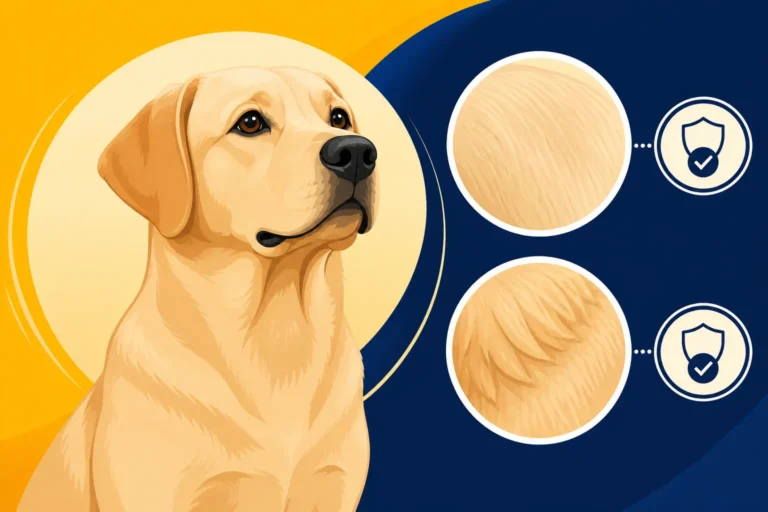
A Labrador's coat is famous for its waterproof qualities, and the tail is no exception. It's covered in the same dense, short, and relatively coarse outer coat that covers the rest of their body, paired with a soft, thick, and insulating undercoat. This double-layer system is absolutely crucial for the tail's effectiveness in water. The outer coat acts as a barrier, shedding water immediately and preventing the tail from becoming heavy and cumbersome. This allows it to remain buoyant and easy to maneuver, rather than dragging the dog down.
The undercoat, meanwhile, provides an extra layer of insulation, which is vital when a Labrador is plunging into cold lakes, rivers, or oceans. Without this natural waterproofing and insulation, the tail would quickly become saturated and lose its agility, hindering the dog's performance and potentially leading to discomfort or even hypothermia in extreme conditions. It’s a perfect example of form meeting function, where every aspect of the Labrador’s design, right down to the hair on its tail, is optimized for its historical role. This remarkable coat is a key feature in the Labrador Coat Type in the Standard, highlighting its importance for the breed.
A Rudder and a Propeller: The Tail's Function in Water
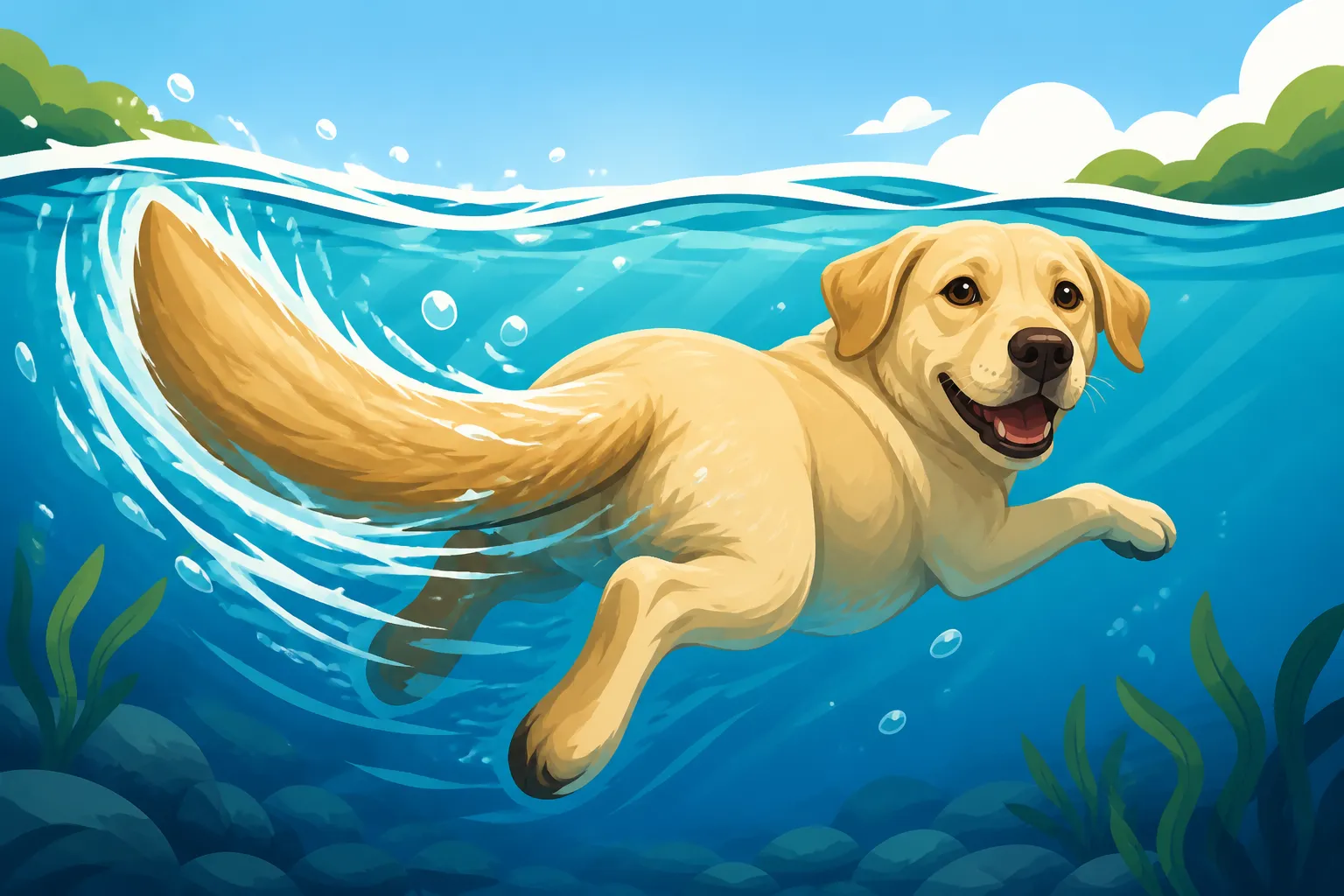
The primary role of the otter tail, as its name suggests, comes alive when your Labrador hits the water. It transforms from a wagging limb into a dynamic piece of equipment, acting as both a sophisticated rudder and a subtle propeller, granting your dog unparalleled control and efficiency in aquatic environments.
Steering Through the Waves: How the Tail Acts as a Rudder
When a Labrador swims, their strong, muscular tail works in powerful, sculling motions, sweeping from side to side like the rudder of a boat. This isn't just a gentle sway; it's a deliberate, forceful movement that allows the dog to steer with incredible precision. Imagine your Labrador making a sharp turn in the water to track a fallen dummy or navigate around an obstacle. The tail provides the necessary leverage and directional control to execute these maneuvers quickly and efficiently, even against strong currents. Dogs with thinner, less muscular, or heavily feathered tails simply cannot achieve this level of agile steering; their tails would either get waterlogged or lack the force to make effective changes in direction.
This rudder-like action is particularly important for retrievers, who often need to make quick decisions and adjust their course to find and collect objects in the water. Without this powerful steering mechanism, a Labrador would be less efficient and more easily fatigued, struggling to maintain a straight path or execute tight turns. This functional tail is directly tied to their success in demanding retrieving tasks, enhancing their natural ability to perform Water Retrieves for a Labrador in Summer with grace and power.
The Tail's Contribution to Propulsion and Balance
While the powerful rear legs and Labrador Webbed Feet and Swimming are the primary source of propulsion in the water, the otter tail also contributes a supplementary, albeit subtle, thrust. Each strong sweep of the tail helps to push water backward, adding to the dog's forward momentum. More critically, perhaps, the tail is a vital component for maintaining balance and stability, especially when the Labrador is carrying a retrieved item. Think about a Labrador swimming back with a heavy duck in its mouth; the tail acts as a counterweight, helping to keep their body level and their head above the surface.
This constant adjustment and counterbalance prevent the dog from capsizing or losing its orientation, allowing it to swim confidently and strongly even with a bulky load. It ensures that the dog can use its front paws and powerful paddling legs effectively, without being destabilized by the retrieved item or turbulent water. The efficiency gained from this perfectly designed tail means a Labrador can swim for longer periods without tiring, making them exceptional candidates for activities like Swimming as Exercise for a Labrador and extended retrieving sessions. The dense coat on the tail, as with the rest of their body, is also crucial here because Why a Labrador Coat Is Water Resistant helps maintain buoyancy and reduce drag, contributing to overall swimming efficiency.
Beyond the Pond: Tail Functions on Land
While the "otter tail" is famous for its aquatic prowess, its design and musculature serve crucial purposes even when your Labrador is firmly on dry ground. It's a versatile appendage, fundamental not only for movement but also for conveying a rich tapestry of emotions and intentions.
Communication Central: A Tail's Expressive Power
The Labrador's tail is arguably their most expressive body part, serving as a primary means of communication both with humans and other dogs. Every wag, tuck, or held-high position conveys a wealth of information. A rapid, full-body wag, for instance, is almost universally understood as a sign of happiness, excitement, or friendly greeting. It's often accompanied by a happy grin and wiggling hips, making it impossible to misinterpret. This expressive tail is a significant aspect of Labrador Temperament and Personality, making them highly readable and engaging companions.
Conversely, a tail tucked low between the legs signals fear, submission, or anxiety. A tail held high and stiff might indicate alertness, curiosity, or even a degree of dominance or challenge, depending on the context and the rest of the dog's body language. Subtle shifts in the tail's height and movement can signal nuances of mood, helping your Labrador navigate complex social interactions with other canines and communicate their needs or desires to their human family. Understanding these cues is essential for fostering a strong bond with your dog and interpreting their emotional state.
Balance and Agility: Helping Your Labrador Navigate Terrains
The powerful musculature and solid construction of the otter tail are not just for swimming; they also play a vital role in your Labrador's terrestrial agility and balance. Think of the tail as a canine counterbalance. When your Labrador is sprinting across a field, making a sharp turn, or launching into a jump to catch a frisbee, their tail acts as a dynamic counterweight. It shifts and swings to help maintain equilibrium, preventing them from toppling over during rapid changes in direction or sudden stops.
This balancing act is particularly evident when Labradors are engaged in high-energy activities like agility courses, field trials, or even just boisterous play in the park. The tail helps them land gracefully after a jump, adjust their center of gravity on uneven terrain, and regain composure after an unexpected slip. Without this powerful balancing tool, their movements would be less fluid, more clumsy, and potentially more prone to injury. It’s an unsung hero of their athletic capabilities, ensuring they remain steady and nimble whether they're retrieving a bird or just chasing a ball.
Keeping the Otter Tail in Top Condition
Given how hard your Labrador's tail works, especially if they're a water enthusiast, it's crucial to give it the care and attention it deserves. A healthy tail is a happy, functional tail, and knowing what to look out for can prevent discomfort or more serious issues.
Preventing "Limber Tail" and Other Injuries
One of the most common issues associated with a Labrador's tail, particularly for those who love to swim, is a condition often called "limber tail," "cold water tail," "swimmer's tail," or even "dead tail." It's an acute muscular sprain or strain at the base of the tail, causing it to hang limply, often only partially raised or held straight out a few inches before dropping. It's incredibly painful for the dog and usually results from overexertion, especially in cold water, or after intense swimming when the tail muscles are unused to such strenuous activity.
To help prevent limber tail, introduce your Labrador to water activities gradually, especially if they haven't swum much recently. Ensure they have opportunities to warm up before vigorous play and consider limiting their time in very cold water. After a swim, especially in chilly conditions, thoroughly Drying a Labrador After a Swim can help prevent the muscles from stiffening. If your dog gets limber tail, they'll likely be very sensitive around the tail area, might have difficulty sitting, and you may notice reluctance to wag. Rest and pain management prescribed by your vet are typically needed for recovery, which can take several days to a week. Similarly, be mindful of blunt force trauma; a vigorously wagging tail can easily hit hard objects, leading to bruising or fractures, so supervise play in confined spaces.
Routine Care for a Healthy, Happy Tail
Maintaining your Labrador's otter tail doesn't require complex grooming routines, but consistent, mindful care goes a long way. Regularly check the tail for any cuts, scrapes, or burrs that might have become embedded, especially if your dog loves to romp through tall grass or dense underbrush. While the short coat on the tail makes matting rare, a quick brush-through with a deshedding tool, which you can easily find at retailers like Chewy, can help remove loose hair and keep the skin healthy.
After any adventure, particularly if your Labrador has been swimming in murky ponds, lakes, or the ocean, it's a good idea to rinse their tail thoroughly. This helps remove dirt, sand, salt, or any potential irritants that could lead to skin issues. If you live near the coast, definitely remember Rinsing a Labrador After Salt Water. Use a mild dog shampoo if bathing the whole dog, but often a simple rinse with fresh water is sufficient for the tail. Regularly inspect the base of the tail for any signs of swelling, tenderness, or unusual lumps, as these could indicate injury or other health concerns. Early detection is always key. If you're looking for quality grooming supplies or even specialized shampoos for sensitive skin, check out the wide range of products available on Chewy, which can help keep your Labrador's entire coat, including their incredible tail, in prime condition. For a comprehensive look at general care, refer to Caring for a Labrador's Otter Tail.
Here's a quick comparison of the otter tail's features and functions:
| Tail Feature | Function in Water | Function on Land | Care Considerations |
|---|---|---|---|
| Thick Muscular Base | Powerful leverage for steering | Strength for balance and agility | Check for limber tail, swelling, pain |
| Tapering Shape | Hydrodynamic, minimizes drag | Aesthetic, aids subtle balance | Minimal grooming needed, keep clean |
| Dense, Short Coat | Water repellent, quick-drying | Protection from elements, minor insulation | Thorough drying after swims, check for debris |
| Flexibility/Strength | Strong rudder, aids minor propulsion | Expressive communication, counterbalance | Avoid trauma, gradual introduction to strenuous activity |
This remarkable tail is a testament to the Labrador Retriever's heritage, a legacy passed down from their ancestors, the St. John's water dogs, who assisted How Fishermen Used Labrador Ancestors in the chilly waters of Newfoundland. Coupled with their famous Why Labradors Have Soft Mouths, the otter tail makes the Labrador a truly unique and capable canine companion, ready for any adventure, especially those involving water.
Disclaimer
This article is for general informational purposes only and does not constitute professional advice. Laws, prices and regulations vary by location and change over time. Consult a qualified professional for guidance on your specific situation.