What the Dilute Gene Does to a Chocolate Coat
The dilute gene at the D locus transforms a chocolate Labrador coat into charcoal, while two recessive alleles cause this change.
Is this the right one for you?
Origins and temperament, size and coat, what living with one is actually like, and how it compares to the breeds people weigh against it.
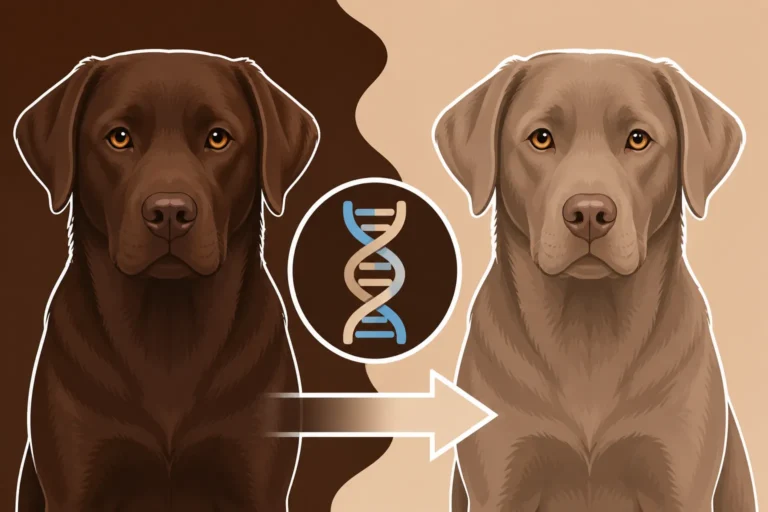
The dilute gene at the D locus transforms a chocolate Labrador coat into charcoal, while two recessive alleles cause this change.
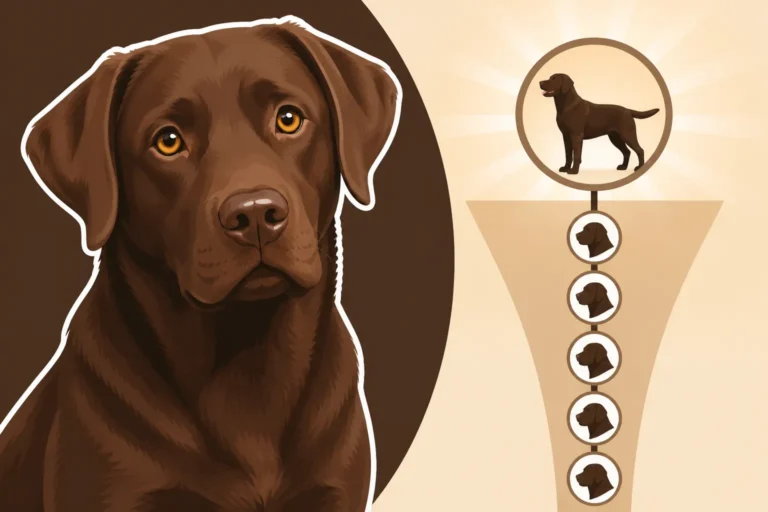
Chocolate Labradors come from narrow genetic lines because dogs must inherit two recessive alleles to show brown coats.
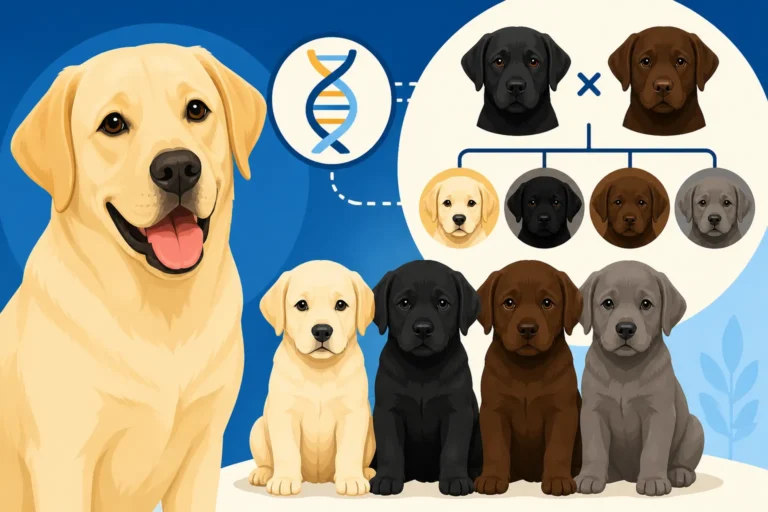
Labrador puppy coat colors and genetic predictions depend on B and E locus gene combinations inherited from parents.

Yellow Labrador puppy coat shade changes from cream to fox red as dogs mature into adulthood, driven by genetics.

White Labrador coat colors represent pale yellow genetics within the three recognized purebred retriever categories.
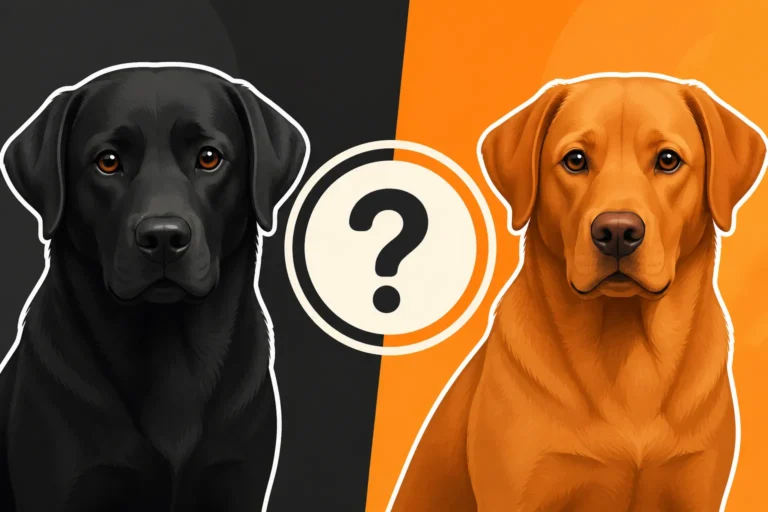
Fox Red Labrador genetics explain why this deep coat color is not a separate category but simply a dark shade of yellow.

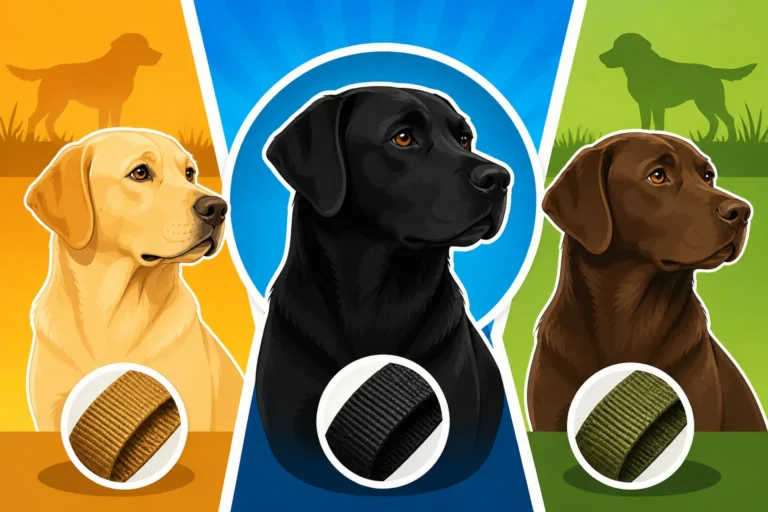
The American Kennel Club officially recognizes only black, yellow, and chocolate coat colors for Labrador Retriever dogs.
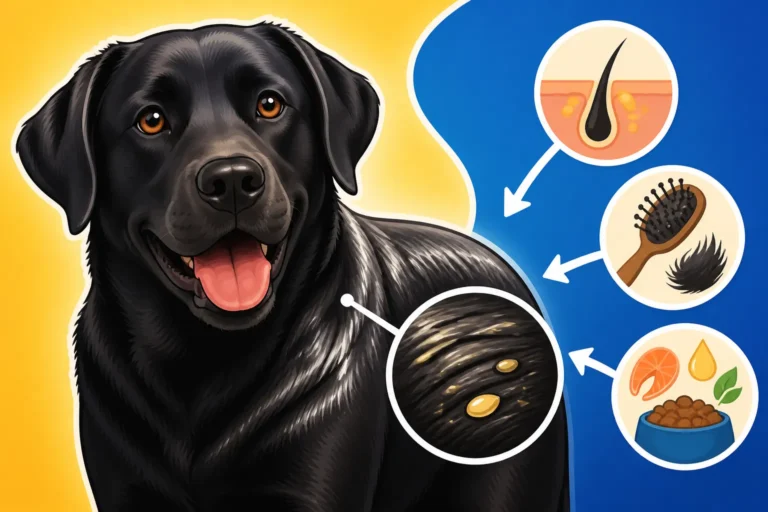
Natural sebum and waterproof guard hairs create the oily texture on a Labrador double coat, repelling cold water.
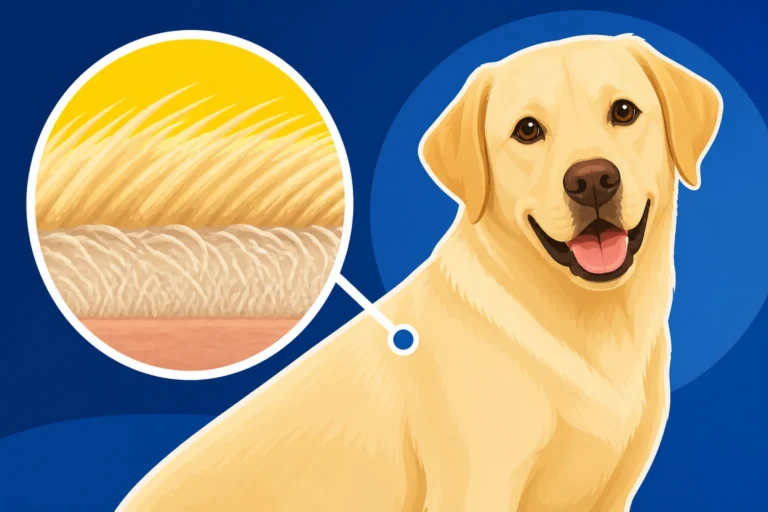
Labrador Retriever double coats use oily guard hairs and dense undercoats to repel water and provide thermal insulation.
Labrador paw webbing compared to Golden Retriever webbing and how these unique flipper feet provide swimming power.