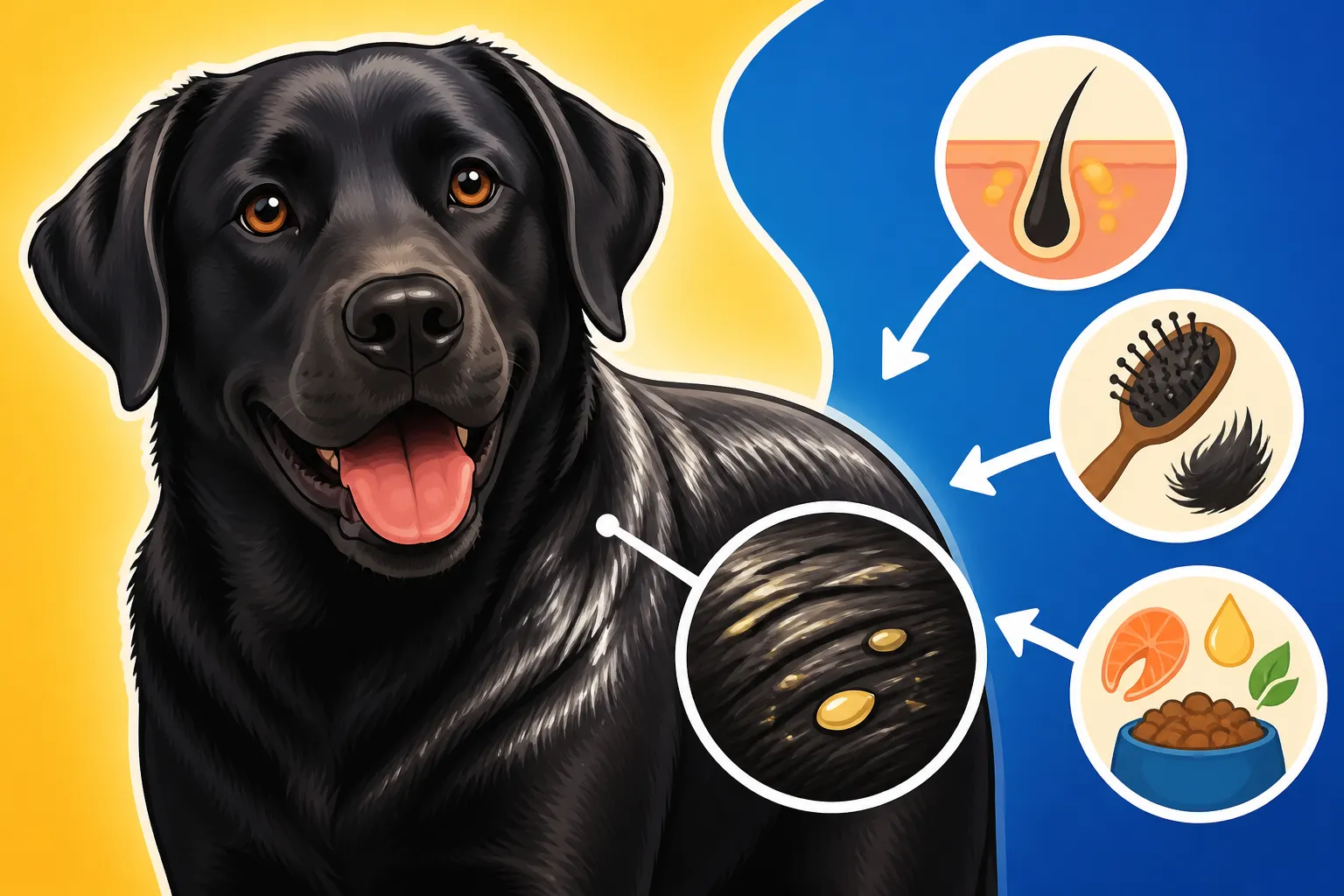
What Makes a Labrador’s Coat Feel Oily
That slightly greasy, slick feel to your Labrador's coat can sometimes make you wonder if they've rolled in something unspeakable or if you're just not bathing them enough. It's a common observation for Labrador owners, and often, it leads to a bit of confusion and even frustration. This guide is here to shed some light on why your Labrador's coat has that particular texture, explaining the natural science behind it, how to tell if it's healthy or a sign of an issue, and how best to care for that wonderfully water-repellent fur.
The Unique Structure of a Labrador's Double Coat
One of the most defining characteristics of a Labrador Retriever, beyond their boundless energy and insatiable appetite, is their incredible coat. It’s not just a single layer of fur; it's a sophisticated double coat designed by nature for the exact purpose Labradors were originally bred for: retrieving waterfowl from icy waters. This dual-layer system is the primary reason behind that "oily" feel you've noticed.
The Guard Hairs and Their Water-Repellent Qualities
The outer layer of a Labrador’s coat consists of what we call "guard hairs." These hairs are somewhat coarse, short, dense, and remarkably straight. When you run your hand over your Labrador, especially when their coat is clean and healthy, you’ll notice a certain stiffness or resilience to these hairs. They aren't soft and silky like some breeds; they have a robust quality.
The magic of these guard hairs lies in their natural design and the oils they carry. Each guard hair acts like a tiny, water-shedding gutter. They lie tightly packed and overlap, creating a protective shield. More importantly, these hairs are coated in a natural sebum, which is your dog's own skin oil. This sebum is what gives the guard hairs that distinct slick or slightly greasy feel. This isn't dirt; it's a protective, natural waterproofing agent. Think of it like the wax on a car or the natural oils on a duck's feathers – water just beads up and rolls right off. This ingenious adaptation is precisely What Makes a Labrador's Coat Repel Water, allowing them to dive into freezing lakes and emerge relatively dry, with the water shedding away from their skin rather than soaking through. Without this natural oil, their coat would quickly become waterlogged, weighing them down and chilling them to the bone.
The Soft, Dense Undercoat
Beneath those protective guard hairs lies the second component of the Labrador's incredible coat: the undercoat. This layer is remarkably different. It's much shorter, incredibly soft, and extremely dense, almost woolly in texture. If you've ever tried to brush out a Labrador during "coat blow" season, you know just how much of this fluffy undercoat they can produce!
The undercoat serves as the Labrador’s natural insulation. It traps a layer of warm air close to their skin, protecting them from cold water and chilly weather. In the winter months, this undercoat will thicken significantly, acting like a built-in down jacket. In warmer months, or during seasonal shedding (often called "blowing their coat"), much of this undercoat is shed to allow for better airflow and cooling. The undercoat itself doesn't typically feel "oily" in the same way the guard hairs do, but it benefits from the sebum distributed through the coat, which keeps it supple and prevents matting against the skin. When the undercoat becomes matted or excessively thick with dead hair, it can interfere with proper air circulation and the natural distribution of oils, potentially leading to skin issues beneath. Understanding The Labrador Coat Type in the Standard helps appreciate this marvel of nature.
The Role of Natural Oils and Sebum Production
The key to that "oily" feel on your Labrador's coat is sebum, a waxy, oily substance produced by sebaceous glands in their skin. Every dog produces sebum, but Labradors, by their very nature and genetic predisposition, tend to produce a healthy amount more than many other breeds.
Why Labradors Produce So Much Sebum
Labradors were bred to be retrieving machines, often working in cold, wet environments. Their history as "St. John's Water Dogs" on the coasts of Newfoundland meant they needed to be impervious to the elements. This selective breeding favored dogs with exceptionally water-resistant coats, and a robust production of sebum is integral to that resistance. Think of it as their built-in wetsuit.
This higher sebum production isn't a flaw; it's a feature. It's what allows them to plunge into a frigid pond to fetch a duck without shivering uncontrollably moments later. This natural oil acts as a barrier, not just against water, but also against dirt, minor irritants, and even some environmental allergens. It keeps their skin moisturized and healthy, preventing dryness and cracking, which can be particularly important in harsh weather conditions. So, when you feel that slickness, remember you're feeling a testament to generations of purposeful breeding and natural adaptation.
How Sebum Protects Skin and Coat
Sebum isn't just about waterproofing; it plays a crucial role in overall skin and coat health. It creates a natural, protective barrier that helps to:
- Repel Water and Dirt: As mentioned, it's the primary waterproofing agent, causing water to bead and roll off rather than penetrate to the skin. This also means dirt often sits on top of the coat rather than getting ingrained, making them relatively easy to clean with a good brush.
- Maintain Skin Hydration: Sebum keeps the skin moisturized and prevents it from becoming dry, flaky, or irritated. A healthy skin barrier is crucial for fending off potential pathogens.
- Provide Natural Shine and Flexibility: The oils help to condition the guard hairs, keeping them flexible and preventing breakage. A healthy, well-oiled coat has a natural sheen, not a dull or brittle appearance.
- Protect Against Pathogens: The slightly acidic nature of sebum, along with its antimicrobial properties, can help protect the skin from certain bacteria and fungi, reducing the risk of skin infections.
When sebum production is out of balance—either too little or, more commonly in Labradors, too much due to an underlying issue—that's when problems can arise, potentially leading to Labrador Ear and Skin Disease.
When "Oily" Becomes a Problem: Distinguishing Natural from Unhealthy
It's one thing for your Labrador's coat to feel naturally well-oiled and water-resistant, but it's another entirely for it to be excessively greasy or emit an unpleasant odor. Knowing the difference is key to ensuring your dog's health and comfort.
Signs of a Healthy Oily Coat
A healthy Labrador coat, despite its "oily" feel, should still look vibrant and feel robust. Here’s what to look for:
- Feel: The outer guard hairs will have a definite, slightly stiff, slick texture. The undercoat, when you part the guard hairs, should feel soft and dense.
- Water Resistance: When your Labrador gets wet, you should see water pearl off their coat, with their skin underneath remaining largely dry, especially after a brief exposure.
- Odor: A healthy Labrador's coat should have a mild, natural "dog" smell, or perhaps no strong odor at all. It shouldn't be pungent, rancid, or yeasty.
- Skin Condition: Part their fur and look at the skin underneath. It should be clean, pale pink, and free from redness, flakes, scabs, bumps, or excessive oiliness.
- Comfort: Your Labrador shouldn't be excessively scratching, licking, or chewing at their coat. They should appear comfortable and content in their skin.
Regular Brushing a Labrador's Coat is essential not just for managing shedding, but also for distributing these natural oils evenly and keeping the skin healthy.
Red Flags: When to Consult a Vet
While a certain level of oiliness is normal, there are clear signs that indicate the natural oil production has gone awry and warrants a trip to the vet. These red flags include:
- Excessive Greasiness or Stickiness: If your Labrador feels truly greasy or sticky to the touch, leaving a residue on your hands, it's often a sign of overproduction of sebum or a change in its composition. This isn't just protective; it's problematic.
- Strong, Unpleasant Odor: A rancid, yeasty, or otherwise foul smell emanating from their coat is a major red flag. This often indicates a bacterial or yeast infection thriving in the excessively oily environment.
- Skin Changes: Look for redness, inflammation, scaling, dandruff, or dry, crusty patches on the skin. You might also notice pimples, pustules, or hair loss in certain areas.
- Persistent Itching or Licking: If your Labrador is constantly scratching, biting, or excessively licking specific areas of their body, especially their paws, groin, or underarms, it suggests discomfort. This could be due to allergies, parasites, or an underlying skin infection. Such behaviors can quickly lead to Hot Spots and Allergies in Labradors.
- Dull or Matted Coat: While Labradors aren't prone to matting like long-haired breeds, an unhealthy, excessively oily coat can sometimes appear dull, clumpy, or become a breeding ground for problems.
These symptoms can point to several underlying issues, such as:
- Allergies: Environmental, food, or flea allergies can cause skin irritation, leading to increased sebum production and secondary infections.
- Bacterial or Yeast Infections: These opportunistic infections often take hold when the skin barrier is compromised or when excessive oil creates a favorable environment for microbes.
- Parasites: Fleas, mites, and other parasites can cause intense itching and skin reactions.
- Hormonal Imbalances: Conditions like hypothyroidism can sometimes manifest with skin and coat changes, including oiliness or dullness.
- Poor Diet: A diet lacking essential fatty acids or other vital nutrients can negatively impact skin and coat health.
If you observe any of these red flags, it's crucial to consult your veterinarian. They can diagnose the underlying cause and recommend appropriate treatment, which might include medicated shampoos, antibiotics, antifungals, dietary changes, or allergy management.
Maintaining a Healthy, Naturally Oily Coat
Keeping your Labrador's coat in prime condition doesn't mean trying to strip away all its natural oils. It's about working with their coat to keep it healthy, functional, and clean without compromising its protective qualities.
Grooming Practices to Support Coat Health
Effective grooming for a Labrador is less about aesthetics and more about health and function.
- Regular Brushing: This is your number one tool. Daily or at least several times a week, especially during heavy shedding seasons, brushing helps to remove loose hair from the undercoat, prevents matting, and most importantly, distributes those natural oils evenly across the guard hairs. A rubber curry brush or a deshedding tool like a Furminator can be invaluable for Labradors. Brushing stimulates the skin and promotes healthy circulation, ensuring the sebum spreads where it needs to go, rather than accumulating in one spot or causing a greasy feeling due to uneven distribution. For comprehensive guidance, refer to Labrador Shedding and How to Manage It.
- Strategic Bathing: Resist the urge to bathe your Labrador too frequently, especially if their coat feels oily. Over-bathing, particularly with harsh shampoos, can strip away those vital natural oils, paradoxically leading the skin to produce more sebum in an attempt to compensate, or worse, leaving the skin dry and irritated. Aim for baths only when truly necessary – when they're visibly dirty or smelly from rolling in something truly foul. For most Labradors, every few months or as needed is plenty. When you do bathe, use a high-quality dog shampoo specifically formulated for their skin type; mild, moisturizing formulas are often best. You can find excellent options on Chewy. Detailed advice on How Often to Bathe a Labrador is available.
- Thorough Drying, Especially After Water Activities: Labradors love water, and that's great for exercise! However, their dense coat, especially the undercoat, can trap moisture against the skin if not dried properly. This moist, warm environment is a perfect breeding ground for bacteria and yeast, which can lead to skin infections and a rancid smell. After a swim, towel dry your Labrador thoroughly, especially their belly, chest, and around their ears. A dog-specific blow dryer on a cool setting can also be very helpful for getting deep into that dense undercoat. Learn more about Drying a Labrador After a Swim.
- Never Shave a Labrador: Seriously, don't do it. While it might seem like a good idea to shave a thick-coated dog in summer, it's actually detrimental. The double coat provides insulation against both cold and heat, and shaving it off leaves their delicate skin exposed to sunburn, insect bites, and can permanently damage the natural regrowth pattern, interfering with their natural waterproofing. This is why Why You Never Shave a Labrador is such important advice.
Nutritional Support for Skin and Coat
What goes into your Labrador's bowl has a direct impact on the health of their skin and coat.
- High-Quality Diet: A diet rich in high-quality protein and healthy fats is fundamental. Look for dog foods where meat is the first ingredient, and avoid fillers or artificial additives.
- Essential Fatty Acids: Omega-3 and Omega-6 fatty acids are crucial for skin and coat health. These can be found in ingredients like fish oil, flaxseed, and certain vegetable oils. They help maintain the skin's barrier function, reduce inflammation, and promote a healthy, shiny coat. Many premium dog foods available on Chewy incorporate these vital nutrients.
- Supplements: If your Labrador's diet isn't providing enough essential fatty acids, your vet might recommend supplements. Fish oil, specifically, is a popular choice for its Omega-3 benefits, helping to reduce dryness and flakiness while promoting a healthy sheen. You can learn more in Fish Oil for a Labrador's Coat and Joints.
- Hydration: Ensure your Labrador always has access to fresh, clean water. Good hydration is vital for overall health, including skin and coat condition.
Making informed choices about Choosing Dog Food for a Labrador Retriever is one of the best steps you can take for their coat health.
Common Misconceptions About the Labrador's Coat
It's easy to fall into traps based on how a Labrador's coat feels, but understanding these common misconceptions can save you a lot of hassle and keep your dog healthier.
"My Labrador Is Dirty Because They Feel Oily"
This is perhaps the most common assumption, and it's almost always incorrect. As we've discussed, that "oily" feel is a natural, protective layer of sebum. It's the hallmark of a healthy, functional Labrador coat, not necessarily a sign that they need a scrub down. If your Labrador has been running through puddles or playing in the mud, yes, they might be dirty. But if they've just been relaxing on the couch and you notice that slick texture, it's their coat doing its job.
The danger in this misconception is that it often leads to owners over-bathing their dogs. Stripping away these natural oils repeatedly can disrupt the skin's pH balance, lead to dryness and irritation, and as mentioned, can cause the sebaceous glands to go into overdrive, producing even more oil in a vicious cycle.
"They Need to Be Washed Constantly"
Following on from the previous point, the idea that a "greasy" coat requires constant washing is a myth. For the reasons above, frequent bathing can do more harm than good for a Labrador. Their coat is designed to be self-cleaning to a certain extent, with dirt often staying on the surface to be brushed away.
Instead of reaching for the shampoo every time you feel that natural oil, consider these alternatives:
- Vigorous Brushing: A good brush will work wonders. It removes loose dirt, dead hair, and helps spread those healthy oils, often making the coat feel less concentratedly oily in one spot.
- Rinsing with Plain Water: If your Labrador has been swimming in a lake or rolling in something a little questionable but not truly foul, a thorough rinse with plain water can be effective. Follow up with towel drying and brushing.
- Spot Cleaning: For small, localized dirty spots, you can use a damp cloth or a pet-safe waterless shampoo, often found on Chewy, rather than a full bath.
| Condition | Healthy Oily Coat | Unhealthy Oily Coat |
|---|---|---|
| Feel | Slick, resilient guard hairs; soft undercoat | Greasy, sticky, leaves residue on hands |
| Odor | Mild "dog" smell or no strong odor | Strong, rancid, yeasty, or foul smell |
| Skin Appearance | Clean, pale pink, no flakes, redness, or bumps | Red, inflamed, scaly, crusty, pimples, hair loss |
| Itching/Licking | Minimal, normal grooming | Frequent, intense scratching, licking, chewing |
| Coat Luster | Natural, healthy sheen | Dull, clumpy, matted areas |
| Water Repellency | Water beads and rolls off easily | Water soaks in, coat gets quickly saturated |
| Underlying Cause | Natural sebaceous gland function | Infection (bacterial/yeast), allergies, parasites, systemic |
This article is for general informational purposes only and does not constitute professional advice. Laws, prices and regulations vary by location and change over time. Consult a qualified professional for guidance on your specific situation.