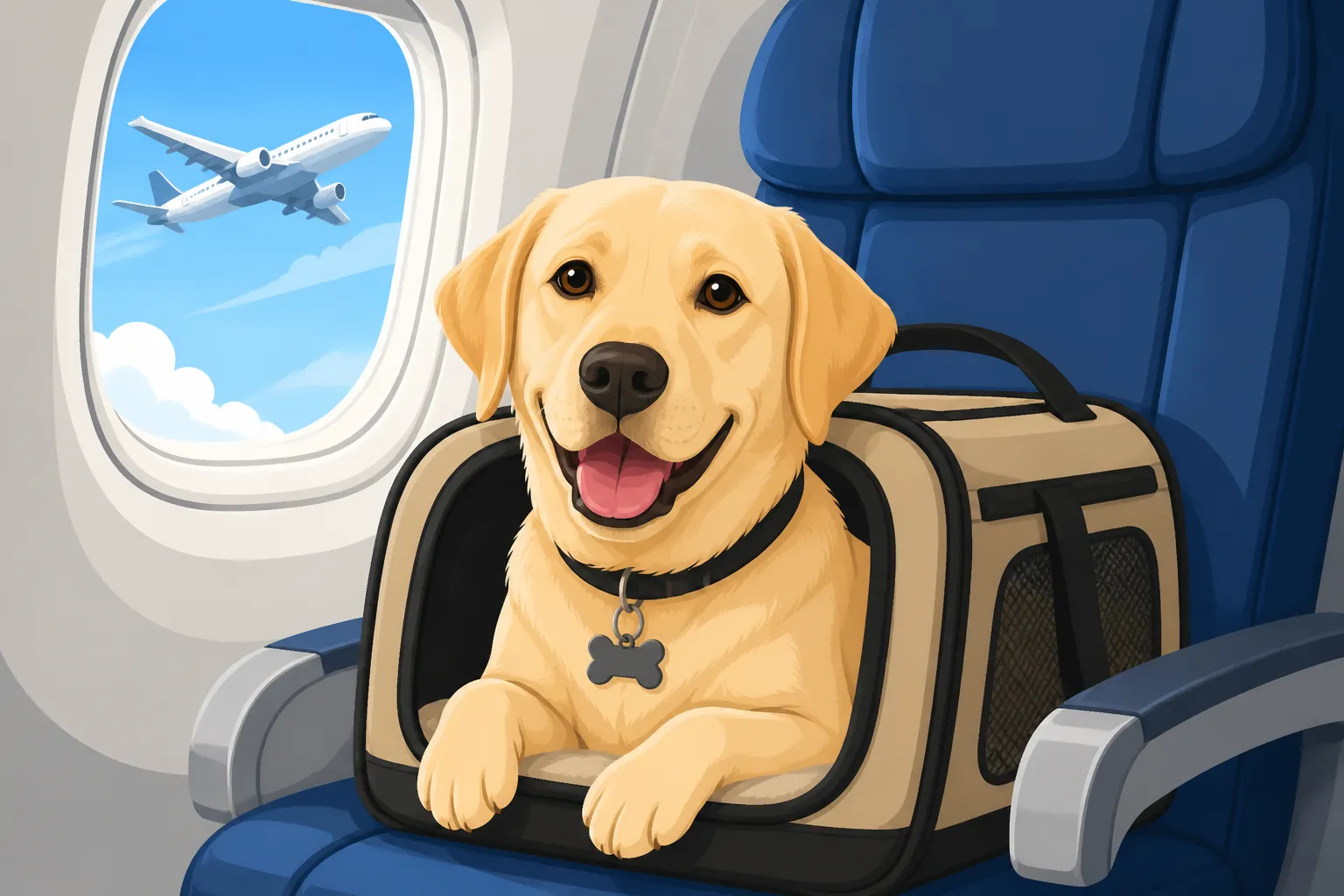
Flying With a Labrador Retriever
Thinking about flying with your beloved Labrador Retriever can feel like navigating a maze of airline policies, crate regulations, and endless "what ifs." It's totally understandable to feel overwhelmed, as the thought of your happy-go-lucky companion being stressed or unsafe during air travel is a significant concern for any devoted pet parent. This comprehensive guide is here to untangle that complexity, offering clear, realistic advice on how to prepare yourself and your Labrador for a safe and as stress-free as possible flight experience, whether they're flying by your side or in cargo.
Navigating Airline Regulations and Choosing Your Labrador's Travel Path
Deciding to fly with your Labrador is just the first step; the next is understanding the labyrinthine rules set by airlines and regulatory bodies. Every airline has its own specific policies, and these can change without much notice, making pre-planning absolutely critical. The most significant decision you'll face is whether your Labrador can fly in the cabin with you or if they'll need to travel in cargo.
Understanding In-Cabin vs. Cargo Options
For most Labrador owners, the dream is to have their furry best friend curled up under the seat in front of them. However, for a Labrador Retriever, this is rarely an option due to their size. Airlines typically restrict in-cabin pets to small animals that can fit comfortably in a carrier under the seat. This usually means the combined weight of the pet and carrier must be under 20-25 pounds, and the carrier dimensions are quite snug. Given that an adult Labrador can easily weigh 55-80 pounds or more, they simply don't fit these criteria. This means that for the vast majority of Labs, especially adult ones, air travel will involve flying in the cargo hold.
While the thought of your Labrador in cargo can be daunting, it's important to understand that airlines have specific procedures and environments designed for animal transport. The cargo hold where pets travel is pressurized and temperature-controlled, just like the passenger cabin. It's not the same as the general baggage compartment. However, conditions can vary, and direct human oversight is limited once the plane is in the air. For this reason, many owners consider cargo travel only when absolutely necessary, such as during a permanent relocation or a long-distance move where driving isn't feasible.
Airline-Specific Rules and Restrictions
Once you've accepted that cargo is the likely path for your Labrador, it's time to dive into the specifics of various airlines. Each airline publishes its pet travel policies, which can differ significantly. Some airlines, like Alaska Airlines and American Airlines, have fairly robust pet cargo programs, while others might have more stringent seasonal restrictions or even outright bans on certain breeds or sizes during extreme temperatures. For instance, many airlines will not transport pets in cargo if temperatures at either the origin, destination, or connecting airports are forecast to be below 20°F (-7°C) or above 85°F (29°C). This is a critical factor, especially for Labradors, who are susceptible to temperature extremes. It's advisable to check these restrictions well in advance and consider flying during milder seasons if possible.
Furthermore, some airlines may have breed-specific restrictions, particularly for brachycephalic (short-nosed) breeds, due to respiratory risks. While Labradors are not typically on these restricted lists, it's always worth double-checking. You'll also need to consider layovers. Direct flights are almost always preferred to minimize stress and transfer risks. If a layover is unavoidable, ensure it's long enough for your dog to be handled properly but not so long that they are subjected to prolonged stress in an unfamiliar environment. Always verify the airline's policy on international travel if your destination is outside your home country, as import permits, quarantine regulations, and additional veterinary checks can add layers of complexity.
Essential Health and Veterinary Preparations for Flight
Before your Labrador can even think about boarding a plane, their health needs to be in tip-top shape. This isn't just a recommendation; it's a non-negotiable requirement for airlines and often for entry into different states or countries. Neglecting these steps can lead to your Labrador being denied boarding or facing complications upon arrival.
Mandatory Health Checks and Vaccinations
Your first port of call should be your veterinarian, ideally several months before your planned travel date. They will be your best resource for navigating the health requirements. Most airlines and destinations require a health certificate issued by a licensed veterinarian within a specific timeframe – often 10 days, sometimes less, before travel. This certificate confirms that your Labrador is fit to fly and shows no signs of infectious disease. Your vet will conduct a thorough physical examination, checking their heart, lungs, eyes, ears, and overall condition.
Beyond the general health certificate, you'll need to ensure your Labrador is up-to-date on all required vaccinations. This typically includes rabies, distemper, parvovirus, and adenovirus. Depending on your destination, additional vaccines like bordetella (kennel cough) or leptospirosis might be necessary. Some locations may also require proof of flea, tick, and heartworm prevention. For international travel, the requirements become significantly more complex, often involving microchipping, specific blood tests (like rabies titer tests), and import permits that can take weeks or even months to process. Discussing your travel plans early with your vet is crucial to avoid last-minute panic or delays. You might also want to ask about preventative measures like Labrador Bloat Risk and Deep Chests if your travel involves significant changes in diet or stress, as this condition can be life-threatening.
Sedation: To Sedate or Not to Sedate?
The question of sedating a Labrador for air travel is one that often weighs heavily on owners, and it's a topic that veterinarians and airlines approach with extreme caution. The vast majority of veterinarians and airline guidelines strongly advise against sedating pets for air travel, especially in cargo. The reasons are serious:
- Respiratory and Cardiac Risks: At altitude, the air pressure and oxygen levels change, which can unpredictably interact with sedatives. This can lead to respiratory distress, cardiovascular problems, and even death.
- Temperature Regulation: Sedatives can impair a dog's ability to regulate their body temperature, making them more vulnerable to heatstroke or hypothermia in varying cargo hold temperatures.
- Balance and Coordination: Sedated dogs may lose their balance and coordination, increasing the risk of injury during handling or turbulence. They might also struggle to shift positions to relieve discomfort or to drink water.
- Delayed Recognition of Issues: If a problem arises, a sedated dog might not show clear signs of distress, delaying intervention.
Instead of sedation, focus on conditioning your Labrador to their travel crate and ensuring they are as comfortable and calm as possible. Some vets may recommend mild anti-anxiety medications if absolutely necessary and after careful consideration, but these are typically non-sedating, anxiety-reducing drugs used under strict veterinary guidance, and are very different from traditional sedatives. Always have this discussion with your vet well in advance, understanding the risks and alternatives.
Crate Training and Travel Gear Essentials
The travel crate isn't just a container; it's your Labrador's temporary home, safe haven, and legal requirement for air travel. Investing in the right crate and ensuring your Labrador is comfortable and secure within it is paramount to a successful journey.
Choosing the Right IATA-Compliant Travel Crate
For cargo travel, airlines adhere to strict guidelines set by the International Air Transport Association (IATA) for live animal transport. This means your standard wire crate or collapsible fabric carrier won't cut it. You'll need a rigid, well-ventilated, sturdy plastic or wooden crate that meets specific IATA standards.
Here's what to look for:
- Material: Must be solid-sided (plastic or wood) with metal hardware (no plastic clips) and adequate ventilation on at least three sides (four for international flights).
- Size: Crucially, the crate must be large enough for your Labrador to stand up, turn around, and lie down in a natural position comfortably. If they can't do this, the airline can and will deny boarding. Measure your dog carefully:
- Length: From nose to base of tail, plus half the height from ground to elbow.
- Height: From ground to top of head or tip of ear (whichever is higher) when standing, ensuring enough clearance to stand upright without stooping.
- Width: Twice the width of your Labrador's widest point to allow turning.
- A good tip is to choose a crate that seems a little too big when they are curled up, but perfectly sized when they stretch out.
- Identification: The crate must have "LIVE ANIMAL" stickers on the top and sides, arrows indicating "THIS WAY UP," and a securely attached label with your name, address, phone number, and destination contact information. Many airlines also require a photo of your Labrador on the crate.
- Food and Water: Attach two empty food and water dishes inside the crate, accessible from the outside without opening the door. Some airlines may require you to provide a small bag of food taped to the top. A water bottle with a drip feeder can also be useful.
- Absorbent Bedding: Provide a comfortable, absorbent mat or blanket. Avoid loose items that could shift and obstruct ventilation or pose a choking hazard. Shredded paper or a thin, non-absorbent mat works best. You can find durable options on sites like Chewy that stand up to enthusiastic Labs.
Crate Acclimation and Comfort Items
Getting your Labrador used to their travel crate is arguably the most important preparation step. This isn't something you can rush; start weeks, or even months, before your flight. The goal is for your Labrador to view the crate as a safe, comfortable den, not a scary confinement tool.
- Positive Reinforcement: Start by feeding meals inside the crate, offering high-value treats, and playing gentle games around it. Never use the crate as punishment.
- Gradual Increase in Time: Begin with short periods, gradually increasing the time your Labrador spends in the crate. This includes closing the door for longer durations and eventually leaving the room. For tips on managing the initial discomfort, you might find guidance in Crate Training a Labrador Puppy even for older dogs.
- Overnight Stays: Have your Labrador sleep in the crate overnight to get them completely comfortable with extended periods of confinement.
- Familiar Scents: Place a worn t-shirt or blanket with your scent, or a familiar dog bed (if appropriate for the crate's interior), inside the crate. This can provide immense comfort during a stressful journey.
- Chew Toys: Provide a favorite, durable chew toy (like a Kong stuffed with frozen peanut butter) to help alleviate boredom and anxiety during transit. Ensure it's not something they can chew into small, ingestible pieces.
Avoid putting toys that could become projectiles or choke hazards inside the crate. The aim is familiarity and comfort, not overstimulation.
The Travel Day: Managing Logistics and Stress
The day of travel is often the most nerve-wracking for pet owners. Meticulous planning and a calm demeanor on your part can significantly impact your Labrador's experience.
Pre-Flight Routine and Check-in Procedures
On travel day, stick to as normal a routine as possible. A good, long walk or vigorous play session several hours before departure can help expend energy and encourage a calmer state for your Labrador. Avoid feeding a large meal close to flight time; a light meal or no meal 4-6 hours prior is often recommended to prevent motion sickness or an upset stomach. Offer plenty of water right up until check-in. Just before heading to the airport, ensure your Labrador has a final potty break.
At the airport, you'll need to check in your Labrador at the airline's cargo facility or designated counter, not necessarily at the regular passenger check-in. Allow ample time, as this process can take longer than checking in your own luggage. The airline staff will inspect the crate for IATA compliance, verify documentation (health certificate, vaccination records, import permits if international), and confirm temperatures. They will attach identification tags and may ask you to remove your Labrador from the crate briefly for a final inspection. Be prepared for this interaction to be somewhat detached; airline staff are focused on protocol, not necessarily bonding with your pet.
During and After the Flight
Once your Labrador is checked in, you won't see them again until arrival. This can be the hardest part for owners. Try to focus on the fact that you've done everything you can to prepare them. During the flight, your Labrador will be in a climate-controlled, pressurized compartment. Modern airliners are designed to keep animals as safe as possible.
Upon arrival, pick up your Labrador as quickly as possible. This might be at a dedicated cargo office or a special baggage claim area. Once reunited, conduct a quick visual health check. Offer water immediately. If your flight was long, or your Labrador seems particularly stressed, find a quiet area for a potty break and a short, calming walk. Observe them closely over the next 24-48 hours for any signs of illness, injury, or unusual behavior. This is also where having Pet Insurance for a Labrador Retriever can provide peace of mind, covering unexpected vet visits if your Lab develops an issue post-flight. You could also consider a fresh food option like Ollie, which some owners find helps with digestion regularity post-travel, as consistent, quality food can reduce stress on their system.
Addressing Common Travel Challenges and Safety Concerns
Even with the best preparation, flying with a Labrador can present challenges. Being aware of potential issues and how to mitigate them is key to a smoother experience.
Extreme Temperatures and Travel Risks
Temperature restrictions are one of the most significant hurdles for pet air travel. As mentioned, airlines have strict temperature limits to protect animals from heatstroke or hypothermia. This means planning your travel during milder seasons – spring or fall – is often essential, especially if your route takes you through regions known for extreme heat or cold.
- Heat: Labradors, with their dense double coats, are susceptible to overheating. During warm weather, consider early morning or late-night flights when temperatures are cooler. Ensure the crate is well-ventilated, and avoid direct sun exposure during transit.
- Cold: While Labs generally tolerate cold better than heat, prolonged exposure in frigid temperatures can still be dangerous. Ensure the crate has adequate bedding and consider using a crate cover for insulation during ground transport, removing it once inside a climate-controlled area.
Always monitor weather forecasts for your departure, layover, and arrival cities. If temperatures are predicted to be outside the airline's safe range, be prepared for the possibility of rescheduling or finding alternative travel arrangements. Some owners even invest in small, battery-operated fans for crates during ground transport in warmer climates, though these must be securely attached and approved by the airline.
| Condition for Refusal (General Guidelines) | Temperature Range | Rationale |
|---|---|---|
| Too Cold | Below 20°F (-7°C) | Risk of hypothermia, especially for older or young animals. |
| Too Hot | Above 85°F (29°C) | Risk of heatstroke, breathing difficulties. |
| Brachycephalic breeds (short-nosed) | Any extreme | Increased risk due to inherent breathing issues. |
Note: These are general guidelines; always check your specific airline's policy.
Dealing with Stress and Anxiety
Despite your best efforts in crate training, the unfamiliar sights, sounds, and smells of an airport and airplane can be incredibly stressful for a Labrador.
- Scent Familiarity: As discussed, a blanket or shirt with your scent can be a powerful comfort.
- Interactive Toys: A mentally stimulating chew toy can provide a distraction and outlet for nervous energy.
- Calming Aids: Consult your vet about natural calming supplements, such as Zylkene or L-theanine, which might help reduce anxiety without sedation. These should be tested at home first to gauge your Labrador's reaction.
- "Do Not Disturb" Signs: Attach a polite note to the crate asking handlers to minimize noise and interaction where possible, letting them know your dog is stressed.
It's crucial to understand that even the most well-adjusted Labrador might experience some stress or anxiety during air travel. Your calm demeanor throughout the process can help transmit a sense of security to your dog. For long-term anxiety issues, resources like Labrador Anxiety Around Fireworks or Living With an EIC Affected Labrador might offer insights into managing stress generally, which can be applied to travel preparation.
Emergency Preparedness and What to Do If Things Go Wrong
Even with the most thorough planning, unexpected situations can arise. Being prepared for emergencies is part of responsible pet travel.
- Emergency Contact Information: Ensure your Labrador wears a collar with up-to-date ID tags, including your phone number and email. Have copies of all essential documents (health certificate, vaccination records, airline booking) both on your person and attached to the crate.
- Veterinary Kit: Pack a small A First Aid Kit for a Labrador Retriever with basic supplies like bandages, antiseptic wipes, and any prescription medications your Labrador takes.
- Emergency Fund: Travel can be expensive, and emergency vet care abroad or in an unfamiliar city can be even more so. Having an emergency fund or pet insurance from a provider like Healthy Paws can be invaluable. Research local veterinary clinics at your destination in advance.
- Lost Pet Protocol: In the rare and unfortunate event that your Labrador goes missing during transit, know the airline's protocol. Ensure their microchip is registered and updated with your current contact information.
Flying with a Labrador is a significant undertaking, but with careful planning, communication with your vet and airline, and a focus on your dog's comfort and safety, it can be done successfully. While it may not be their favorite way to travel, your Labrador's adaptability and your diligent preparation will be their best allies in reaching your destination safely.
Disclaimer
Please remember that this guide provides general information and advice regarding flying with a Labrador Retriever. Airline policies, international regulations, and veterinary recommendations can change frequently and vary based on specific circumstances. Always consult directly with your chosen airline, a qualified veterinarian, and the relevant authorities (e.g., USDA, destination country's animal health office) for the most accurate and up-to-date requirements and advice for your specific travel plans. The safety and well-being of your Labrador are paramount.