Keeping a Labrador Without a Yard
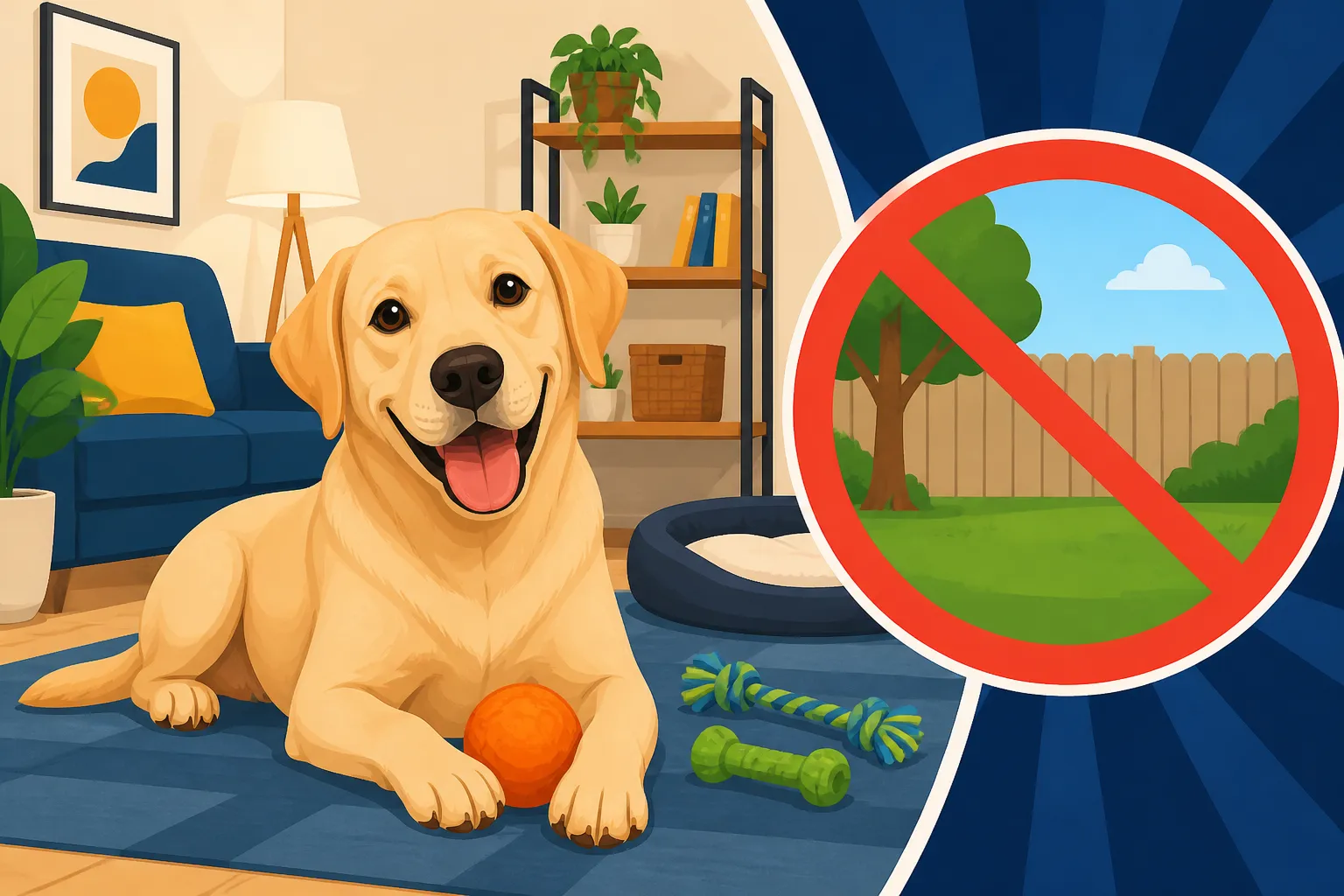
It’s a common worry, isn't it? The image of a Labrador instantly conjures up visions of sprawling green yards, endless fetch, and wide-open spaces. Many prospective owners are held back by the fear that if they don't have a huge backyard, they simply can't provide a happy, fulfilling life for such an energetic breed. The truth is, while Labs certainly love their outdoor time, a physical yard is far from the only, or even the most important, factor in their well-being. This guide is here to bust that myth and show you exactly how to raise a thriving, well-adjusted Labrador Retriever, even if your "yard" is just a small balcony or a nearby park.
Dispelling the Myth: Labradors and the Yard Conundrum
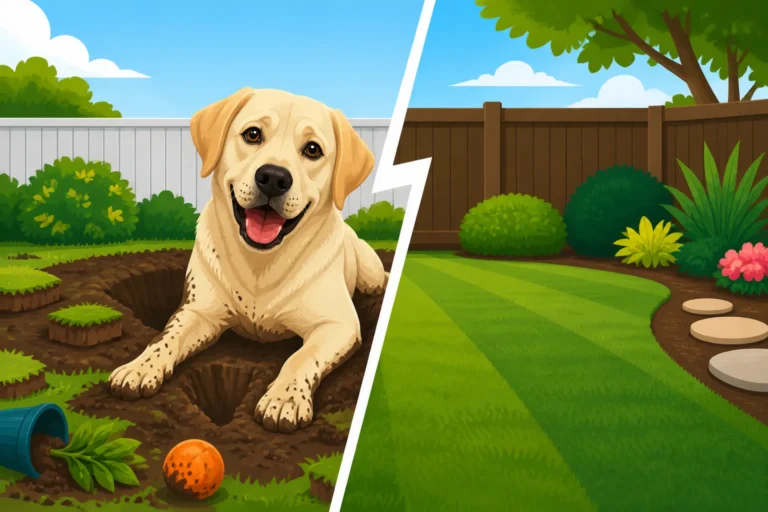
When you picture a Labrador, it's easy to fall into the trap of assuming they need a huge, fenced-in backyard to be truly happy. This misconception often stops wonderful, dedicated people from bringing a Lab into their lives, simply because their living situation doesn't fit this idyllic, yet often inaccurate, picture. The reality is far more nuanced, and understanding a Labrador's true needs can open up a world of possibilities for urban and apartment dwellers.
Why the "Big Yard" Idea Persists
The image of a dog frolicking in a large yard is deeply ingrained in our perception of pet ownership, especially for active breeds like Labradors. We see pictures, we read breed descriptions that mention "active homes," and we assume this translates directly to square footage of private green space. Historically, many working breeds, including the Labrador's ancestors like the St. John's Water Dog, were indeed accustomed to vast open areas for their duties. However, modern Labradors, while retaining their joyful energy and retrieving drive, have adapted to a wide variety of living situations. Their needs are more about consistent engagement and physical outlets than the sheer size of a fenced perimeter.
It’s understandable to feel like you’re doing your dog a disservice if you don’t have that perfect quarter-acre for them to roam. Many experienced dog owners, even those with yards, often find themselves surprised by how little their Lab actually uses the yard for structured exercise beyond a quick potty break or a sniff-around. The real exercise, the kind that tires them out both physically and mentally, almost always happens outside the confines of their own property, whether that's a long walk, a run, or dedicated playtime at a park. Thinking about a Labrador's needs in terms of activity and interaction, rather than just space, is key to unlocking a successful yard-free lifestyle.
What Labradors Truly Need Beyond a Fence
What a Labrador truly craves isn't just space; it's activity, interaction, and purpose. They are social creatures who thrive on being part of the family, involved in daily routines, and having a job to do, even if that job is just retrieving a favorite toy. A Labrador confined to a large yard with minimal human interaction or without structured exercise will likely become bored, destructive, and potentially develop behavioral issues, regardless of how much space they have. It's the quality and consistency of their physical and mental stimulation that matters most.
Imagine a Labrador left alone in a huge yard all day versus one who lives in a small apartment but gets two long, engaging walks, a trip to the dog park, and regular training sessions. The apartment dog is almost certainly going to be happier, healthier, and better behaved. These dogs need to burn energy, yes, but they also need companionship, mental challenges, and consistent training. A fenced yard can be a convenience, but it's not a substitute for these fundamental needs. Focusing on these core requirements will allow you to confidently welcome a Labrador into your home, regardless of whether you have a sprawling estate or a cozy city pad.
Mastering the Great Outdoors Without Your Own Yard
Living without a yard simply means you'll be taking on the role of chief exercise provider, rain or shine. But trust me, this isn't a burden; it's an opportunity to strengthen your bond with your Labrador and explore your community in new ways. You'll become intimately familiar with every dog-friendly path, park, and green space within a reasonable distance, turning mundane walks into exciting adventures for your pup.
Creative Ways to Provide Physical Exercise
Long walks are, of course, a staple for any Labrador, but they are especially crucial when you don't have a yard. Aim for at least two substantial walks daily, ideally 30-60 minutes each, where your Labrador can really stretch their legs and sniff to their heart's content. Don't underestimate the power of "sniff walks" where you let them explore scents at their own pace; this is incredibly mentally stimulating for them. Beyond standard walks, get creative! Many cities now have fantastic dog parks where your Labrador can run off-leash and socialize. Just make sure you understand the park rules and your dog's temperament around other canines. For high-energy Labs, consider a game of fetch with a durable ball launcher or a long line in a safe, open field. Just be mindful of your Labrador's growth plates closing before engaging in high-impact activities with a young pup.
Consider integrating different types of exercise throughout the week to keep things interesting and work different muscle groups. If you enjoy running, many Labradors make excellent running partners once they're fully grown and have been properly conditioned. Cycling with your dog on a leash attachment can also be a fantastic way to cover more ground. Even a brisk walk with varied terrains, like hills or trails, can be more tiring and stimulating than a flat, paved path. Don't forget about swimming if you have access to a safe lake or dog-friendly pool; it's one of the best low-impact exercises for Labs, especially as they get older or if they need to lose some weight. Regular exercise is also critical for managing Labrador obesity and the years it costs.
Utilizing Local Parks and Dog-Friendly Spaces
Your local parks, especially those with designated off-leash areas, will become your best friend. A good dog park provides a safe, fenced environment where your Labrador can truly unleash their energy, play with other dogs, and explore new smells. Before heading out, do a quick search online for "dog parks near me" or check local city/county websites. Many communities, even in urban areas, have fantastic facilities. For instance, in cities like Portland, Oregon, there are numerous off-leash parks like Forest Park and Sellwood Riverfront Park. In Denver, Colorado, Cherry Creek State Park offers expansive off-leash areas. Even smaller towns often boast community dog parks.
Beyond dedicated dog parks, many general public parks allow leashed dogs on trails and in open spaces. Always check local ordinances regarding leash laws and where dogs are permitted. Utilizing these spaces regularly means your Labrador gets consistent exposure to new sights, sounds, and smells, which contributes to a well-socialized and confident dog. Remember to always bring water, pick up after your dog, and be respectful of other park users to ensure these spaces remain dog-friendly for everyone. If you're struggling to fit in enough exercise yourself, consider hiring a trusted dog walker. Services like those found on Rover or Wag can provide valuable midday walks or park trips, giving your Lab the exercise they need while you're at work. This can significantly help with the Annual Cost of Keeping a Labrador Retriever as these services are an ongoing expense.
| Activity Type | Description | Frequency | Benefits |
|---|---|---|---|
| Brisk Walks | Leashed walks in varied environments (street, park trails, urban areas). | 2-3 times/day | Physical exercise, scent enrichment, neighborhood exploration. |
| Dog Park Visits | Off-leash play and socialization in a fenced area. | 3-5 times/week | High-energy release, social skills, mental stimulation. |
| Fetch/Flirt Pole | Targeted play in a safe, open space (park, field). | 3-4 times/week | Intense physical exertion, fulfills retrieving drive. |
| Swimming | Water play at a dog-friendly beach, lake, or pool. | 1-2 times/week | Excellent low-impact cardio, great for joints, builds confidence. |
| Hiking/Running | Longer, more strenuous activities on trails or paved paths (for adult Labs). | 1-2 times/week | Endurance building, advanced mental and physical challenge. |
| Training Games | Short, structured training sessions focused on obedience or tricks. | Daily, 5-10 min | Mental stimulation, strengthens bond, reinforces good behavior. |
| Puzzle Toys | Food-dispensing toys that require problem-solving. | Daily | Independent mental exercise, slows eating. |
Beyond the Physical: Keeping a Labrador's Mind Engaged Indoors
While physical exercise is paramount, a tired Labrador isn't just one whose body is worn out; it's also one whose mind has been put to work. Labradors are intelligent, eager-to-please dogs, and if their brains aren't stimulated, they can become bored, leading to destructive behaviors, excessive barking, or general restlessness, no matter how much space they have. Mental exercise is just as important, especially when living without a large yard.
Mental Stimulation and Training for Urban Labs
Mental exercise is your secret weapon for a happy, calm Labrador in a yard-free environment. Incorporate short, frequent training sessions throughout the day. Labradors love to learn, and five to ten minutes of focused training can be as tiring as a long walk. Work on basic obedience cues like "sit," "stay," "down," and "come," or introduce new tricks like "shake a paw," "roll over," or "fetch a specific toy." These sessions not only tire their brains but also strengthen your bond and improve their overall manners, which is essential for polite public outings. Many local pet stores or community centers offer Labrador Training Class Costs at various levels, which can be a great way to engage your pup and meet other dog owners.
Puzzle toys are another fantastic way to provide independent mental stimulation. Fill a Kong with peanut butter or a high-quality treat like those from Ollie, freeze it, and your Labrador will spend a good chunk of time trying to get every last bit out. There are countless interactive puzzle feeders available from retailers like Chewy that require your dog to manipulate parts to release kibble. These slow down eating, prevent boredom, and give your dog a "job" to do, mimicking their natural foraging instincts. You can also play indoor scent games, hiding treats around the house and encouraging your Labrador to "find it." This taps into their incredible sense of smell and is surprisingly tiring for them.
Managing Common Labrador Behaviors in Smaller Spaces
Labradors, bless their hearts, have a few endearing quirks that can become less endearing in a smaller living space if not managed properly. Labrador puppy mouthing and how to redirect it is a prime example. Those sharp puppy teeth can do a number on furniture and hands, and in a confined space, there's less room for escape! Consistency is key: redirect mouthing onto appropriate chew toys. When they mouth you, a firm "no" and then offering a toy works wonders. For adult Labs, chewing is often a sign of boredom or anxiety, so ensuring they have plenty of appropriate chew items and mental enrichment is crucial.
Counter surfing and food theft are classic Labrador moves, driven by their insatiable appetites. Living in a smaller kitchen or an open-plan living area means tempting items are often within reach. Proactive management is your best defense: keep counters clear, don't leave food unattended, and use baby gates if necessary to restrict access to certain areas when you can't supervise. Teach a solid "leave it" command early on. Barking can also be an issue, especially if your Labrador is reacting to every sound from neighbors or passersby. Identify the triggers and work on desensitization, or use white noise machines to muffle external sounds. Crate training a Labrador puppy can also be a lifesaver, providing them with a safe, den-like space where they can relax and feel secure, especially when you need a break or need to leave them alone for short periods.
Navigating Apartment Living: Practical Tips for a Harmonious Home
Living with a Labrador in an apartment or smaller home is absolutely achievable, but it does require a bit more intentionality and planning than if you had acres of land. It's all about creating a well-structured routine, managing expectations, and making smart choices about your home environment.
Setting Up Your Home for a Yard-Free Labrador
Creating a functional and comfortable space for your Labrador in a yard-free home involves thoughtful arrangement and essential gear. First, designate a specific "zone" for your dog where they can relax and feel secure. This might be a cozy corner with an orthopedic dog bed, ideally placed where they can still see and be part of the family action without being underfoot. For puppies, a crate is indispensable for House Training a Labrador Retriever and providing a safe haven. Choose a sturdy, appropriately sized crate that allows them to stand, turn around, and lie down comfortably.
Consider durable, easy-to-clean flooring if possible, or invest in washable area rugs to protect carpets from inevitable mud, water, and shedding. Labradors are notorious for shedding, especially during their "coat blows" in spring and fall, so having an effective vacuum cleaner and deshedding tools is a must. For apartment dwellers, noise can be a concern. Invest in high-quality chew toys and puzzle feeders to keep your Lab quietly occupied, and consider soundproofing options like heavy curtains or white noise machines if your dog is prone to alert barking. Making sure your Labrador has a comfortable, designated space where they feel safe and where you can control their environment is key to a peaceful cohabitation.
Establishing a Routine and Managing Expectations
A consistent daily routine is the cornerstone of success for any Labrador, but it's even more crucial when living without a yard. Dogs thrive on predictability, and knowing when to expect walks, meals, and playtime can significantly reduce anxiety and improve behavior. Start the day with a substantial walk to burn off morning energy and allow for a potty break. Follow this with breakfast and some quiet time. Schedule another long walk or a trip to the dog park in the afternoon, along with shorter potty breaks throughout the day. Evenings can be for training, puzzle toys, and cuddles.
It's important to manage your expectations. A Labrador is a high-energy breed, and even with the best routine, they will have bursts of puppy-like enthusiasm well into adulthood. They might occasionally get the zoomies in your living room, knock over a lamp with their powerful tail, or track in mud despite your best efforts. Be patient and understanding. Acknowledge that you've chosen an active breed, and a little bit of chaos is part of the charm! However, consistent training, plenty of exercise, and ample mental stimulation will mitigate most behavioral challenges. Remember, a bored Labrador is a destructive Labrador, regardless of their living quarters. Being proactive with their needs will pay dividends in a calm, happy companion.
Essential Gear and Resources for the Urban Labrador Owner
Successfully raising a Labrador without a yard means leaning on a few key pieces of equipment and knowing where to find help and resources. These tools aren't just conveniences; they're vital for ensuring your dog's well-being and your peace of mind.
Must-Have Supplies for Apartment Living
When your living space doesn't include a yard, every piece of gear you acquire for your Labrador should serve a purpose in enhancing their comfort, safety, or your ability to manage them outdoors. A sturdy leash and collar or harness are non-negotiable. For a powerful breed like a Labrador, a good quality front-clip harness can make a huge difference in managing pulling on walks. Brands like Easy Walk or Freedom Harness are often recommended for their effectiveness. Don't forget poop bags – lots of them! – and a dispenser that clips to your leash. Being a responsible pet owner in public spaces is paramount.
Indoors, invest in a comfortable, durable dog bed that fits your space. Labradors appreciate a soft place to rest, and an orthopedic bed can be particularly beneficial as they age. High-quality, indestructible chew toys are a must to protect your furniture. Think KONG Extremes, Nylabones, or West Paw Zogoflex toys. For feeding, slow-feeder bowls or puzzle feeders are excellent for our notoriously fast-eating Labs, preventing bloat and making mealtime more engaging. Finally, a reliable source for food and supplies is essential. Online retailers like Chewy offer a vast selection of everything from kibble and treats to beds and toys, delivered right to your door, which is incredibly convenient for urban dwellers.
Exploring Pet Insurance and Local Services
Living without a yard often means more trips to public parks, dog runs, and doggy daycares, increasing exposure to other dogs and potential accidents or illnesses. This is where pet insurance can be a real lifesaver. Companies like Healthy Paws offer comprehensive plans that can help cover unexpected vet bills from injuries, illnesses, or even certain genetic conditions common in Labradors, like Labrador Hip and Elbow Dysplasia. Knowing you have financial support for potential emergencies, like a swallowed foreign object from a park adventure or an unexpected illness, can provide immense peace of mind. When choosing a policy, pay attention to deductibles, reimbursement percentages, and any waiting periods or exclusions for pre-existing conditions. Understanding Pet Insurance for a Labrador Retriever is a critical component of responsible ownership.
Beyond insurance, explore local services that can support your yard-free Labrador lifestyle. Doggy daycares offer supervised play and socialization, providing an excellent outlet for energy during your workday. Professional dog walkers can provide midday exercise, ensuring your Lab gets their much-needed activity even when you can't be there. Many cities also have dog-friendly establishments, from cafes with outdoor patios to breweries that welcome well-behaved pups. Look into local canine sports clubs that offer agility, obedience, or scent work classes – these are fantastic ways to engage your Labrador mentally and physically, providing a structured outlet for their drive that doesn't require a private yard.
Budgeting for a Yard-Free Labrador Lifestyle
Owning a Labrador, regardless of your living situation, comes with financial responsibilities. However, specific considerations for yard-free living can impact your budget differently. Understanding these costs upfront will help you prepare and ensure your Labrador receives everything they need for a happy, healthy life.
The True Costs of Consistent Exercise
When you don't have a yard, consistent, high-quality exercise for your Labrador becomes an explicit cost, not just a casual activity. This means budgeting for things like dog park memberships (if applicable), gas for driving to trails or beaches, and potentially specialized gear like long lines or hands-free leashes for running. If your schedule is packed, the cost of a professional dog walker or doggy daycare becomes a regular expense. In a major city, a 30-minute dog walk can range from $20-$30, and full-day daycare can be $40-$60 per day. These costs add up quickly and are critical investments in your Labrador's well-being if you can't provide all the exercise yourself. For example, Hiring a Dog Walker for a Labrador is a common strategy for busy owners without yards.
Furthermore, signing your Labrador up for activities like agility classes, dock diving, or obedience training not only provides fantastic mental and physical stimulation but also comes with registration fees. While these are optional, they are highly beneficial for a dog without constant access to a private outdoor space. These expenses are part of the equation when considering the Annual Cost of Keeping a Labrador Retriever, and they replace the "free" exercise a large yard might offer. Planning for these recurring costs is essential to avoid cutting corners on your Labrador's crucial activity needs.
Renting, Travel, and Unexpected Expenses
Living with a large dog like a Labrador in a rented property, whether an apartment or a house, often comes with additional financial considerations. Many landlords charge a pet deposit, which can be several hundred dollars, and some also levy monthly "pet rent," typically $25-$75 per month. Finding dog-friendly housing can also be more challenging and sometimes more expensive, as weight or breed restrictions might limit your options. Always read your lease carefully regarding pet policies before bringing a Labrador home. Understanding the nuances of Renting an Apartment With a Labrador is critical to avoid surprises.
Unexpected expenses are a reality for any pet owner, but some can be amplified in a yard-free environment. Your Labrador might chew on furniture out of boredom or anxiety, leading to repair or replacement costs. Trips to the vet might be needed for paw injuries from urban walks, or if they ingest something undesirable from a park (another reason pet insurance like Healthy Paws is a good idea!). When traveling, boarding costs for a large dog can be substantial, or if you take them with you, pet-friendly hotels often charge additional fees. Even daily essentials like high-quality food, perhaps a fresh food subscription like Ollie, might be a bit more expensive but can contribute significantly to their overall health, potentially reducing future vet bills. Planning for a robust emergency fund is always a smart move when owning a Labrador.
Disclaimer
The information provided in this article is for general informational purposes only and does not constitute veterinary advice. Always consult with a qualified veterinarian for any health concerns or before making any decisions about your Labrador's care, diet, or exercise regimen. Individual results may vary, and the specific needs of your dog should always be taken into account.