Hot Spots and Allergies in Labradors
Few things are quite as frustrating for a Labrador owner as seeing their beloved dog constantly scratching, licking, or chewing at their skin, only to discover a weeping, angry red patch seemingly overnight. These skin issues, often manifesting as hot spots or chronic allergies, don't just cause discomfort for your Lab; they can be a real headache to diagnose and manage, leaving you feeling helpless. This comprehensive guide aims to demystify hot spots and allergies in Labradors, offering deep insights into their causes, diagnosis, and the most effective strategies for treatment and long-term prevention.
Understanding Hot Spots in Labradors
Hot spots are one of those things that can appear out of nowhere, often escalating from a tiny irritation to a significant problem in mere hours. They're a common complaint among Labrador owners, especially given their dense coats and love for water.
What Exactly is a Hot Spot?
Scientifically known as acute moist dermatitis, a hot spot is essentially a localized skin infection that develops very quickly. It starts when something irritates your Labrador's skin, leading them to scratch, lick, or chew excessively at the spot. This self-trauma breaks the skin barrier, creating an open wound that becomes warm, moist, and the perfect breeding ground for bacteria.
Visually, hot spots are unmistakable. You'll typically see a red, raw, inflamed lesion that might be oozing or weeping pus. The fur around the area often becomes matted and sticky, making the patch appear even larger and more aggressive than it initially might be. What starts as a small, barely noticeable itch on their flank can, by morning, be a dinner-plate-sized lesion that's painful to the touch and radiating heat. It's a shocking sight for any pet parent, and the speed at which they develop can be truly alarming. Labradors, with their enthusiastic licking and strong desire to "fix" any irritation, are particularly adept at turning a minor annoyance into a full-blown hot spot almost instantly.
Common Triggers for Hot Spots
A hot spot is rarely the primary problem; it's almost always a secondary infection caused by an underlying irritant that prompted the initial licking. Understanding these triggers is key to both treatment and prevention.
One of the most significant factors for Labradors is moisture retention. Their thick, dense double coats are fantastic for swimming and keeping them warm, but they can also trap moisture against the skin after a dip in the lake, a rainy walk, or even just a bath that wasn't thoroughly dried. This creates a humid environment perfect for bacterial growth. Imagine if you wore wet clothes for hours on end; your skin wouldn't be happy either!
Another major culprit is insect bites. A single flea bite, mosquito bite, or even a spider bite can be intensely itchy for a Labrador, especially if they have a heightened sensitivity. This irritation prompts them to lick and chew, igniting the hot spot cycle. If your Lab has flea allergy dermatitis, even one flea can set off a cascade of itching that quickly turns into a hot spot. Parasites like mites can also cause intense localized itching.
Underlying allergies are also huge players. Whether it's environmental allergens like pollen, dust mites, or certain grasses, or even a food allergy, the constant, generalized itching can lead a Labrador to focus on a particular spot, licking it until a hot spot forms. We'll delve deeper into allergies shortly, but it's crucial to understand their role here.
Sometimes, poor grooming or matted fur can create skin irritation. If the undercoat isn't brushed out regularly, mats can pull on the skin, cause friction, and trap debris, leading to discomfort and subsequent licking. Even a small scratch from a thorn or a rough patch of ground can be the initial spark. Finally, stress or boredom can also play a role. A bored or anxious Labrador might resort to compulsive licking as a self-soothing mechanism, inadvertently creating a hot spot without any primary skin irritant at all.
Unraveling Labrador Allergies
While hot spots are typically acute, localized issues, allergies in Labradors are often a chronic, systemic challenge that can lead to recurrent skin problems, including those nasty hot spots. Pinpointing the specific allergen can feel like detective work, requiring patience and a close partnership with your veterinarian.
Types of Allergies Affecting Labradors
Labradors, unfortunately, are quite susceptible to various types of allergies, each with its own set of challenges for both dog and owner.
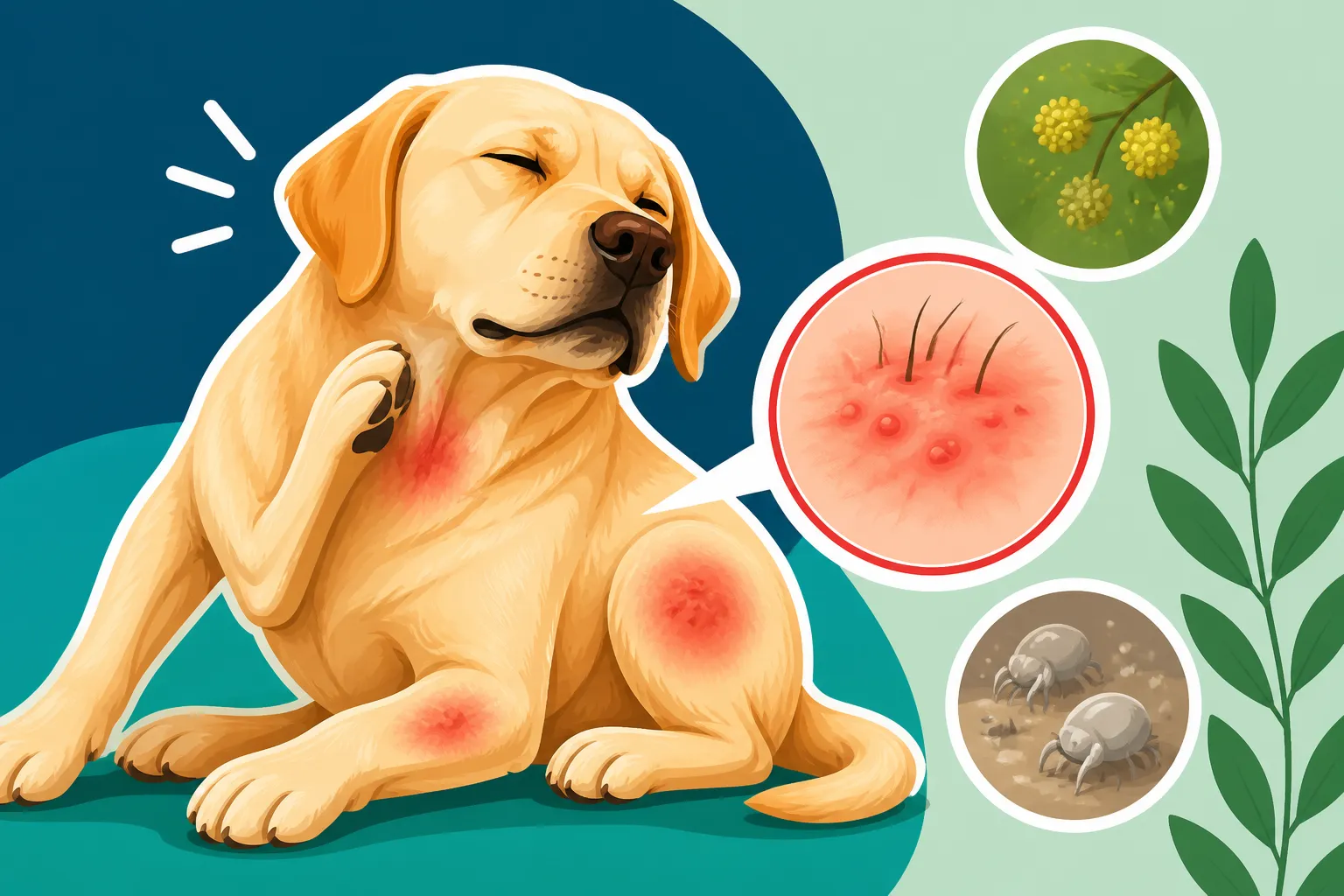
Environmental Allergies (Atopic Dermatitis): This is by far one of the most common types of allergies in Labradors, similar to hay fever in humans. Dogs can be allergic to things found in their environment, such as pollen from trees, grasses, and weeds, dust mites (which are ubiquitous in our homes), molds, and even dander from other animals. These allergens are typically inhaled or absorbed through the skin, triggering an immune response that manifests primarily as itching. The severity can vary seasonally, with some Labs suffering intensely during spring and fall pollen seasons, while others are bothered year-round by indoor allergens.
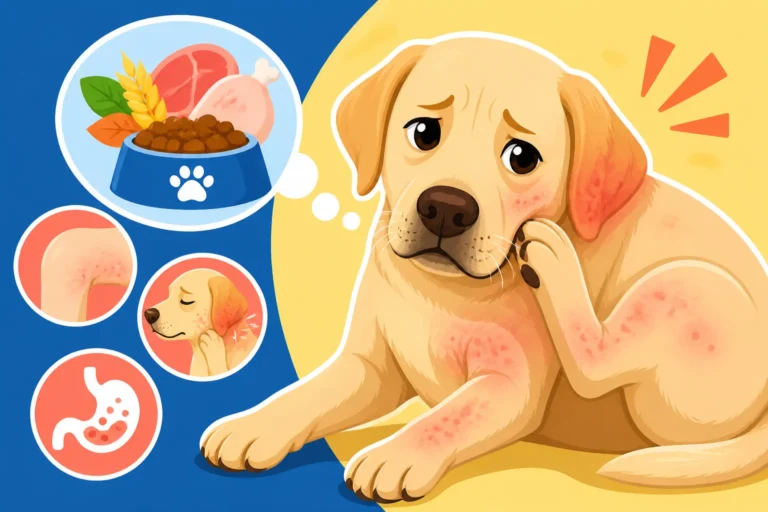
Food Allergies: While less common than environmental allergies, food allergies can be particularly frustrating because they require a meticulous approach to identification and management. Unlike food intolerances (which cause digestive upset without an immune reaction), food allergies involve an immune response to a specific protein source. Common culprits include proteins like chicken, beef, dairy, wheat, soy, and sometimes fish. The symptoms can be purely dermatological, purely gastrointestinal, or a combination of both.
Contact Dermatitis: This type of allergy occurs when your Labrador's skin comes into direct contact with an irritating substance. Think of it like a localized rash you might get from touching poison ivy. Common triggers can include certain types of grass, cleaning products used on floors, carpet deodorizers, specific shampoos, or even materials in their bedding. The reaction is typically confined to the area of contact.
Flea Allergy Dermatitis (FAD): This is an intense allergic reaction to the saliva of fleas. For most dogs, a few flea bites might cause minor itching, but for a Labrador with FAD, even a single flea bite can trigger an extreme, widespread, and prolonged bout of itching. The intensity of the reaction is disproportionate to the number of fleas present, making rigorous flea control paramount.
Recognizing the Symptoms of Allergic Reactions
Identifying an allergic reaction in your Labrador often comes down to observing changes in their behavior and physical condition. The signs can be subtle at first, but left unaddressed, they can lead to significant discomfort and secondary health issues.
The hallmark symptom of almost all allergies is itching (pruritus). Your Labrador might constantly scratch with their back leg, rub their face on furniture or the carpet, or, as we discussed with hot spots, lick and chew obsessively at certain areas. This itching can be generalized, affecting their whole body, or localized to specific areas like their paws, ears, belly, or armpits. If you notice your Labrador constantly licking their paws raw, it's a strong indicator of an underlying allergic issue. For more on this, you might find our guide on Why Labradors Lick Their Paws Raw helpful.
Beyond the itching, you'll often see visible signs on their skin. This includes redness and inflammation, which can make their skin appear pink or even fiery red. The skin might also be flaky or greasy, and chronic itching can lead to thickened, darkened (hyperpigmented) skin, sometimes described as "elephant skin." Hair loss (alopecia) is also common, particularly in areas that are frequently scratched or licked, such as the flanks, belly, and base of the tail.
Recurrent ear infections are a classic sign of allergies in Labradors. Their floppy ears already make them prone to issues, but if your Lab is getting ear infections frequently – characterized by redness, wax buildup, a strong odor, and head shaking – allergies are a very likely underlying cause. Our article on Labrador Ear Infections and Swimming has more information on this.
For food allergies specifically, while skin symptoms are common, you might also observe gastrointestinal upset, such as chronic vomiting or diarrhea, soft stools, or excessive flatulence. These symptoms often occur in conjunction with skin issues but can sometimes be the only indicators of a food sensitivity.
Chronic scratching and licking inevitably break the skin barrier, making your Lab susceptible to secondary skin infections. These can be bacterial (leading to pus, crusts, and more itching) or yeast infections (causing a greasy feel, strong odor, and reddish-brown discoloration, especially between the paw pads and in skin folds). These secondary infections exacerbate the itching, creating a frustrating cycle for both you and your Labrador.
| Symptom Category | Environmental Allergies (Atopic Dermatitis) | Food Allergies | Flea Allergy Dermatitis (FAD) |
|---|---|---|---|
| Primary Symptoms | Itching (paws, ears, belly, armpits, face) | Itching (often widespread), GI upset | Intense itching (tail base, hindquarters) |
| Skin Appearance | Redness, inflammation, flaky skin, hair loss | Redness, inflammation, hair loss, thickened skin | Redness, inflammation, scabs, hair loss |
| Ear Issues | Frequent ear infections | Can cause ear infections | Less common primary ear issue |
| Paw Issues | Constant paw licking/chewing | Paw licking/chewing | Less common primary paw issue |
| GI Symptoms | Rare | Common (vomiting, diarrhea) | Rare |
| Seasonal Variation | Often seasonal (pollen), can be year-round (dust mites) | None | Can be year-round if fleas persist |
| Speed of Onset | Gradual, worsens over time | Gradual, can appear at any age | Acute, intense reaction after a bite |
Diagnosing Skin Conditions in Your Labrador
When your Labrador is clearly uncomfortable due to itching, getting to the bottom of the problem is paramount. This often involves a thorough investigation with your veterinarian, who will act as your Sherlock Holmes in identifying the elusive allergens or triggers. The diagnostic process can be extensive, but it's crucial for effective treatment.
The Vet Visit: What to Expect
Your initial vet visit for skin issues will be comprehensive. Your veterinarian will start with a thorough physical examination, meticulously inspecting your Labrador's skin, coat, ears, and paws. They’ll be looking for signs of inflammation, infection, hair loss, and any specific lesions like hot spots.
A critical part of the process is gathering a detailed history from you. Expect questions about:
- Your Labrador's diet (current food, treats, human food).
- Their environment (indoor/outdoor, recent changes, contact with new plants or animals).
- Their flea and tick prevention routine (Flea and Tick Products Safe for Labradors).
- When the symptoms started, how they've progressed, and if they're seasonal.
- Any previous treatments and their effectiveness.
- Other symptoms, like gastrointestinal upset or changes in energy.
To rule out parasitic causes, your vet will likely perform a skin scraping. This involves gently scraping a small area of skin with a blade (often after applying mineral oil) and examining the sample under a microscope to look for mites like Demodex or Sarcoptes. While not all mites are found this way, it’s a quick and essential first step.
They will also perform cytology, which involves taking an impression smear or tape strip from the affected skin, staining it, and examining it under a microscope. This helps identify the presence and type of secondary infections – whether bacterial (cocci, rods) or yeast (Malassezia) – which are very common complications of allergic skin.
For environmental allergies, blood tests (IgE tests) are available that can measure antibodies to various environmental allergens. However, it's important to understand that the accuracy and clinical relevance of these tests can be debated among veterinary dermatologists. A positive test doesn't always mean a clinical allergy, and a negative one doesn't always rule it out. Often, they are used to guide immunotherapy rather than for definitive diagnosis. In some cases, your vet might recommend referral to a veterinary dermatologist for intradermal allergy testing, which is considered the gold standard for identifying specific environmental allergens. This involves injecting tiny amounts of common allergens under the skin and observing for localized reactions, similar to human allergy testing.
Running an Elimination Diet for Food Allergies
If food allergies are suspected, your veterinarian will almost certainly recommend an elimination diet. This is not a simple food switch; it's a rigorous diagnostic process that requires immense commitment and discipline from you. Our article on Running an Elimination Diet on a Labrador provides a deeper dive, but here's the essence:
The goal is to feed your Labrador a diet containing a novel protein source (one they have never eaten before, like duck, venison, rabbit, or kangaroo) and a novel carbohydrate source (like potato, sweet potato, or green peas) for a strict period of 8 to 12 weeks. Alternatively, your vet might prescribe a hydrolyzed protein diet, where the protein molecules are broken down into such tiny pieces that the immune system doesn't recognize them as allergens.
During this period, nothing else can pass your Labrador's lips. This means no regular treats, no table scraps, no flavored medications, no flavored chew toys, and absolutely no sneaking them a bite of your chicken. Even a tiny exposure to the offending allergen can invalidate the entire trial. Imagine trying to identify a single needle in a haystack – if you keep adding more hay, you'll never find it!
After the 8-12 weeks, if your Labrador's symptoms have significantly improved or resolved, you then enter the challenge phase. This involves reintroducing single, previous food ingredients (like chicken or beef) one at a time, over a few days, and carefully observing for a return of symptoms. If symptoms reappear after reintroducing chicken, for example, then chicken is identified as the allergen. This allows you to then select a long-term diet that completely avoids that specific ingredient. It’s a painstaking process, but it's the most reliable way to definitively diagnose a food allergy. Keep in mind that vet visits, diagnostic tests, and specialized foods can add up, but many pet insurance providers like Healthy Paws can help manage the financial burden of these investigations.
Treating and Managing Hot Spots and Allergies
Once the underlying causes are identified, or at least narrowing them down, the focus shifts to providing relief for your Labrador and establishing a long-term management plan. Treatment for hot spots is typically immediate and targeted, while allergy management often involves ongoing strategies.
Immediate Relief for Hot Spots
When a hot spot flares up, quick action is key to prevent it from worsening. The first and most crucial step is to clip the fur around the hot spot. This might seem counterintuitive, but Labradors have dense coats, and leaving the hair matted over a moist, infected area creates a perfect anaerobic environment for bacteria to thrive and prevents air from reaching the skin. Clipping allows the skin to dry, makes it easier to clean, and helps topical medications penetrate.
Once the area is clipped, gentle cleaning with an antiseptic solution is necessary. Your vet might recommend a chlorhexidine-based wipe or spray. This helps remove pus, debris, and surface bacteria. After cleaning, the vet will likely prescribe topical treatments, which can include antibiotic/steroid creams or sprays. The steroid component reduces inflammation and itching, while the antibiotic tackles the bacterial infection.
To stop the cycle of licking and chewing, an E-collar (Elizabethan collar) is essential. Yes, your Labrador will likely look miserable, and they might bump into everything, but it's vital for healing. Without it, they'll just reopen the wound and make all your efforts futile.
For more severe or widespread infections, or if the hot spot isn't improving with topical treatments, your vet will prescribe oral antibiotics. These tackle the bacterial infection from the inside out. They might also prescribe oral steroids for a few days to quickly reduce the intense inflammation and itching, giving your Labrador some much-needed relief and breaking the itch-scratch cycle. Our guide on Treating a Hot Spot on a Labrador goes into more detail on these immediate care steps.
Long-Term Allergy Management Strategies
Managing allergies in Labradors is often a marathon, not a sprint. It requires consistency, patience, and a multi-faceted approach, as there's rarely a single "cure."
Environmental Allergies
For environmental allergies (atopic dermatitis), a range of strategies can be employed:
- Antihistamines: Over-the-counter antihistamines like cetirizine (Zyrtec) or diphenhydramine (Benadryl) can be tried, but their effectiveness in dogs is highly variable. Some Labs respond well, while others show no improvement. Always consult your vet for appropriate dosing.
- Omega-3 Fatty Acid Supplements: These supplements, rich in EPA and DHA, can help improve the skin barrier function and reduce inflammation. They aren't a standalone treatment but can be a valuable adjunctive therapy.
- Immunotherapy (Allergy Shots or Oral Drops): This is considered the best long-term solution for many dogs with environmental allergies. Based on specific allergy testing (blood or intradermal), a custom vaccine is formulated containing tiny amounts of the allergens your Lab reacts to. Administered as injections or oral drops, it works by gradually desensitizing the immune system. It's not a quick fix; it can take 6-12 months to see full effects, but it can significantly reduce the need for other medications.
- Regular Bathing with Medicated Shampoos: Frequent bathing with shampoos containing ingredients like chlorhexidine (antibacterial), miconazole (antifungal), or colloidal oatmeal (soothing) can help remove allergens from the coat, treat secondary infections, and moisturize the skin.
- Environmental Control: While impossible to completely eliminate, reducing exposure to allergens can help. This includes frequent vacuuming, washing bedding weekly in hot water, using air purifiers, and wiping down your Labrador's paws and belly after outdoor excursions, especially during high pollen seasons.
- Prescription Medications: When other strategies aren't enough, your vet might prescribe medications like Apoquel (oclacitinib) or Cytopoint (lokivetmab). Apoquel is an oral medication that targets specific pathways involved in itching, providing rapid relief. Cytopoint is an injectable antibody treatment that specifically neutralizes a key protein involved in triggering itch, offering relief for 4-8 weeks with a single injection. Both have revolutionized allergy management for many dogs, but they are prescription-only and require veterinary oversight. Given the potential for ongoing prescription costs, having pet insurance like Healthy Paws can be incredibly beneficial.
Food Allergies
Once a food allergy is diagnosed via an elimination diet, management is straightforward: strict avoidance of the trigger ingredients. This usually means feeding a prescription hydrolyzed protein diet or a carefully selected novel protein diet for the rest of your Labrador's life. Reading labels becomes second nature, and you'll need to be vigilant about treats, chews, and anything else your Lab might ingest.
Flea Allergy Dermatitis
For FAD, the key is year-round, consistent, and highly effective flea prevention. This isn't just during warm months; fleas can be a problem indoors all year. Modern oral medications like Bravecto, NexGard, or Simparica are highly effective, as are some topical options. It’s also crucial to treat the environment to eliminate eggs and larvae, not just the adult fleas on your dog.
Prevention is Better Than Cure: Proactive Care
While treating active hot spots and managing chronic allergies is essential, prevention is always the best strategy. By implementing proactive care routines and making some lifestyle adjustments, you can significantly reduce your Labrador's risk of developing these uncomfortable skin conditions.
Grooming Routines to Prevent Skin Issues
Your Labrador's thick, water-resistant double coat is one of their most defining features, but it also requires diligent care to keep skin issues at bay.
Regular brushing is paramount. Labradors are notorious for shedding, and during "coat blow" seasons (typically spring and fall), they can shed an astonishing amount of undercoat. If this dead hair isn't removed, it can trap moisture, debris, and allergens against the skin, creating an ideal environment for irritation and infections. Investing in good deshedding tools, like a slicker brush and a deshedding rake, can make a huge difference. Our article on Deshedding Tools for a Labrador offers some great options. Regular brushing also distributes natural oils, keeping the skin and coat healthy, and allows you to routinely inspect their skin for any early signs of redness, bumps, or parasites.
Given their love for water, thorough drying after swimming or baths is non-negotiable. Don't just towel dry the surface; try to get deep into the undercoat. A high-velocity pet dryer can be a game-changer here, forcing air through the coat and ensuring the skin is completely dry. Pay particular attention to their armpits, groin, and ears. Trapped moisture in their floppy ears is a recipe for ear infections, which are often linked to underlying allergies. Drying a Labrador's Ears After the Lake is a great resource for this.
Checking paws and ears regularly should become part of your routine. After walks, especially through tall grass or muddy areas, inspect their paws for foreign objects, cuts, or excessive licking between the pads. Clean their ears weekly or after swimming, using a vet-approved ear cleaner to prevent buildup.
Finally, remember that proper nutrition is the foundation of healthy skin and coat. A high-quality dog food that provides essential fatty acids, vitamins, and minerals supports a strong skin barrier, making your Labrador less susceptible to irritants and allergens.
Environmental Controls and Lifestyle Adjustments
Beyond grooming, several environmental and lifestyle changes can help minimize allergy triggers and prevent skin flare-ups.
Consistent flea and tick prevention is non-negotiable. As we discussed, flea allergy dermatitis can be devastating, and even a non-allergic Lab will get itchy from fleas. Stick to a year-round prevention schedule recommended by your vet, especially since Flea and Tick Products Safe for Labradors are plentiful and effective.
Keeping living areas clean is crucial, particularly if dust mites or mold are suspected allergens. Regular vacuuming (with a HEPA filter if possible), wiping down surfaces, and washing pet bedding frequently can significantly reduce indoor allergen loads. Consider using allergen-proof covers for your own bedding if your Labrador sleeps with you.
Managing stress and boredom can indirectly prevent skin issues. A bored or anxious Labrador might resort to compulsive licking, chewing, or scratching as a coping mechanism, even without an initial skin irritant. Ensure your Lab gets adequate physical exercise for their energy level, plenty of mental stimulation (puzzle toys, training sessions), and social interaction. A tired, happy Labrador is less likely to develop destructive licking habits.
Avoiding known irritants is common sense but can be tricky. If you know your Labrador reacts to a specific cleaning product, switch to pet-safe alternatives. If certain grasses trigger a reaction, try to walk them in different areas or rinse their paws after walks.
Finally, regular vet check-ups are essential. Your veterinarian can catch subtle changes early, recommend appropriate preventive care, and address any concerns before they escalate into major problems. While routine vet spending on a Labrador might seem like an extra cost, it's an investment in their long-term health and can prevent more expensive emergency treatments down the road. Having pet insurance like Healthy Paws can provide immense peace of mind, knowing that you're financially prepared for both routine and unexpected health challenges, allowing you to focus solely on your Labrador's well-being.
Disclaimer
The information provided in this article is for general informational purposes only and is not intended as a substitute for professional veterinary advice. Always consult with a qualified veterinarian for any health concerns or before making any decisions related to your Labrador's health and treatment.