Recovery Time After Labrador Cruciate Surgery
Discovering your beloved Labrador has torn a cruciate ligament is a gut punch, leaving many of us anxious and overwhelmed about what comes next. The thought of surgery is daunting enough, but the real challenge often lies in the long, often demanding, road to recovery. This comprehensive guide is here to walk you through the entire journey, from immediate post-op care to full long-term rehabilitation, giving you a clear picture of what to expect and how to best support your loyal companion.
Understanding Cruciate Ligament Tears in Labradors
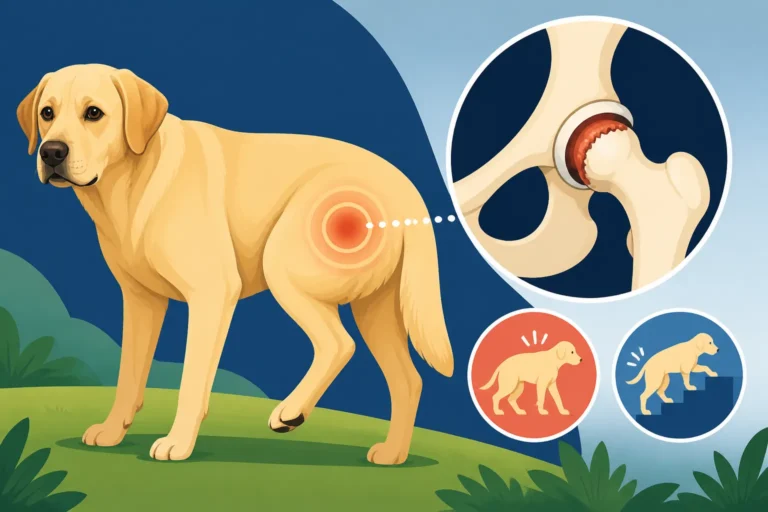
A torn cranial cruciate ligament (often called an ACL tear, though technically different in dogs) is one of the most common orthopedic injuries we see in Labradors. It’s not just a minor limp; it’s a significant injury that can cause chronic pain and severely limit your dog's mobility if not addressed. Many Labrador owners feel heartbroken seeing their normally boisterous dog struggling to put weight on a leg, and it's a completely valid reaction. This isn't just a physical injury; it impacts their quality of life, their joy in chasing a ball, or even just trotting beside you on a walk.
Why Labradors Are Prone to Cruciate Injuries
Labradors, with their enthusiastic nature and solid builds, unfortunately, carry a predisposition to these types of injuries. Their athletic, often high-impact lifestyles, coupled with their genetic makeup, contribute to the risk. Imagine a powerful, energetic dog suddenly twisting awkwardly during a vigorous game of fetch or taking a misstep while zooming across the yard. Their strong leg muscles can sometimes put immense strain on the ligaments, especially if there's any underlying weakness or degeneration. Obesity is also a huge contributing factor; extra weight puts immense stress on their joints, making tears more likely. We often hear stories from owners whose Labs were just playing normally when it happened, leading to immense guilt, but often, it's just an unfortunate combination of their genetics and their inherent Labrador zest for life. It's a testament to their spirit, but also their Achilles heel in some ways. For a deeper dive into how this happens, you can read about Cruciate Ligament Tears in Labradors.
Common Surgical Procedures
When it comes to fixing a torn cruciate ligament in a Labrador, there isn't just one magic bullet solution, but several highly effective surgical techniques. The most common procedures for larger, active breeds like Labradors are often TPLO (Tibial Plateau Leveling Osteotomy) and TTA (Tibial Tuberosity Advancement), though sometimes a simpler lateral suture technique (also known as extracapsular repair) is used for smaller, less active dogs or specific cases.
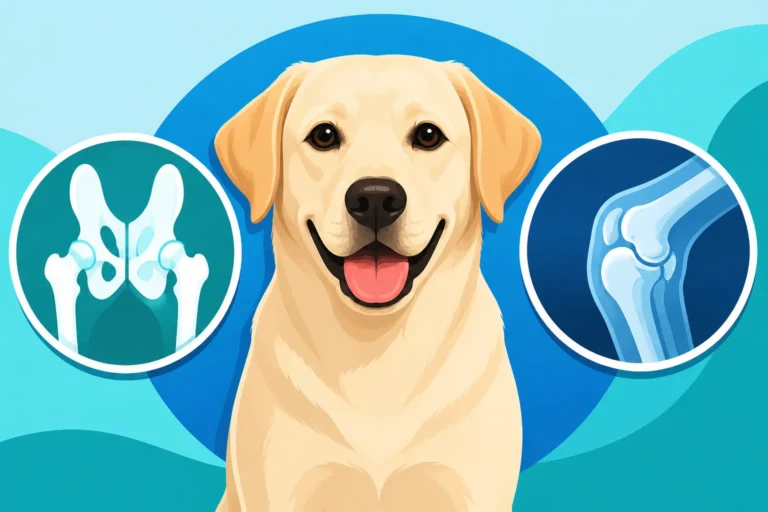
TPLO surgery is frequently recommended for Labradors because it changes the biomechanics of the knee joint. Instead of trying to repair the torn ligament directly (which is often difficult to do successfully in a dog's knee), the surgeon reshapes the tibia bone (shin bone) to create a more stable angle. This means that even without a functional cranial cruciate ligament, the knee remains stable during weight-bearing. It sounds drastic, involving cutting and plating bone, but it's incredibly effective at restoring function for active dogs. While TPLO offers excellent long-term outcomes, the recovery is a commitment. For a complete understanding of what this specific procedure involves, check out What Happens During a Labrador TPLO Operation.
TTA is another bone-cutting procedure, but it shifts the tibial tuberosity (the front part of the shin bone) forward. This changes the angle of the patellar ligament, neutralizing the forces that cause the tibia to slide forward during weight-bearing. Both TPLO and TTA are considered advanced orthopedic surgeries, requiring specialized training and equipment, and typically result in a good to excellent prognosis for a return to normal activity. Your vet, or a veterinary orthopedic surgeon, will discuss which approach is best for your specific Labrador, taking into account their size, activity level, and the specific nature of the tear. This initial consultation is crucial, as it sets the stage for the entire recovery journey.
The Initial Post-Surgery Period: Weeks 1-8
The first eight weeks post-surgery are the most critical. This is where patience becomes your superpower, and strict adherence to your veterinary surgeon’s instructions is paramount. It’s a period of intense restriction, which can be challenging for an energetic Labrador who just wants to be themselves. Owners often describe this phase as the hardest, wrestling with their dog's boundless energy while trying to keep them still.
Strict Confinement and Pain Management
Immediately after surgery, your Labrador will need strict confinement. This typically means a crate, a small exercise pen, or a very small, secure room. The goal is to prevent any running, jumping, twisting, or rough play that could jeopardize the surgical repair. Every single potty break needs to be on a short leash, directly outside and back in, with no dawdling or off-leash exploration. This can be incredibly frustrating for a Labrador, who usually revels in sniffing every blade of grass, but it's non-negotiable for proper bone and tissue healing. You might notice your dog trying to put some weight on the leg surprisingly quickly, but this isn't an invitation for more activity; it’s a sign that the pain is managed, not that the healing is complete.
Pain management is a huge part of this initial phase. Your vet will prescribe a combination of medications, typically including anti-inflammatories and pain relievers. It’s vital to follow the dosing schedule precisely, even if your dog seems comfortable. Undermanaged pain not only causes suffering but can also hinder recovery by making your dog reluctant to use the leg correctly in the controlled ways prescribed. You might also be sent home with ice packs or instructions for cold therapy, which can significantly reduce swelling and discomfort in the first few days. Many owners worry about their stoic Labradors, as these dogs are famously good at hiding discomfort. Learning to recognize subtle signs of discomfort, like lip licking, panting, or a reluctance to lie down in certain positions, is essential during this time. For more on this, you might find Reading Pain in a Stoic Labrador helpful.
Early Rehabilitation Exercises
While strict confinement is key, early, controlled physical therapy also begins almost immediately. This isn’t about running or jumping; it’s about gentle, passive range-of-motion exercises. Your vet or a certified canine rehabilitation therapist will demonstrate how to gently flex and extend your Labrador’s knee, ensuring the joint doesn't stiffen up and encouraging healthy blood flow. These exercises are often performed multiple times a day for short durations.
In addition to passive range of motion, short, controlled leash walks for bathroom breaks are the only "exercise" permitted. These walks should be slow and deliberate, discouraging any sudden movements. Many owners find it helpful to use a supportive sling under their Labrador's belly to help them bear weight and prevent slipping, especially on slick surfaces. This not only aids in mobility but also gives the owner more control, which is crucial when dealing with a strong, excited Labrador. The goal of this phase is not to strengthen the leg but to minimize muscle atrophy, maintain joint flexibility, and allow the bone and soft tissues to begin the primary stages of healing without disruption. Think of it as laying a solid foundation for the much more active rehabilitation that will come later. It's tough, but absolutely necessary.
The Intermediate Recovery Phase: Months 2-6
Once the initial eight weeks are safely behind you and your vet has confirmed the bone is beginning to heal (often via X-rays), you’ll gradually transition into the intermediate recovery phase. This period is all about carefully increasing activity and strengthening the limb, building on the foundation established in the first two months. This is often where owners feel a bit more optimistic, seeing their Labrador regain more mobility, but it's also a phase where overdoing it can still lead to setbacks.
Controlled Leash Walks and Strengthening
During months two through six, the emphasis shifts from strict rest to controlled, progressive exercise. This means increasing the duration and frequency of your Labrador’s leash walks. These aren’t just potty breaks anymore; they are therapeutic walks designed to build muscle and improve endurance. You might start with 10-15 minute walks a few times a day and gradually increase them to 30-45 minutes by the end of this phase, always on a leash and always on even ground. Avoid steep hills, slippery surfaces, and definitely no off-leash running or rough play.
Structured exercises introduced during this phase might include slow leash walking on varied terrain (like grass or a slight incline), gentle inclines and declines, and balancing exercises. Standing three-legged, encouraging specific weight shifts, or using wobble boards (under professional guidance) can help rebuild proprioception and strength. Swimming can also be an excellent non-weight-bearing exercise, if cleared by your vet, as it allows for full range of motion without impact. The key is control and progression. Don’t jump straight to vigorous activity. Each increment should be small, and you should always observe your Labrador for any signs of lameness or discomfort afterward. Remember, consistency is more important than intensity at this stage.
Monitoring Progress and Potential Setbacks
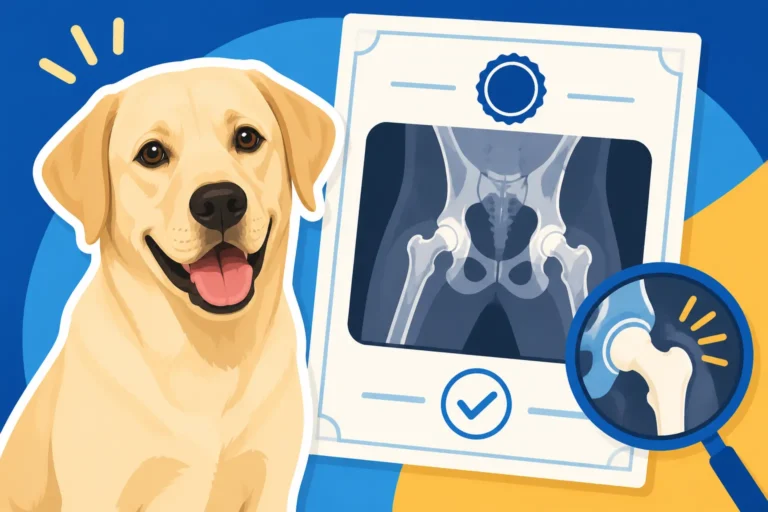
Throughout the intermediate phase, continuous monitoring of your Labrador's progress is vital. You’ll be looking for improvements in weight-bearing, muscle mass (the affected leg often atrophies initially), and overall comfort. Regular follow-up appointments with your veterinary surgeon or rehab specialist will include physical examinations and sometimes further X-rays to assess bone healing. They will guide you on increasing activity levels safely.
It’s also crucial to be realistic: setbacks can happen. A momentary lapse in judgment, a slip on a slick floor, or an unexpected burst of energy can sometimes lead to a minor strain or a temporary increase in lameness. If you notice any sudden changes—increased limping, swelling, pain, or a reluctance to use the leg—it's imperative to scale back activity immediately and contact your vet. Don’t push through pain. Your Labrador, being the stoic breed they are, might not always vocalize discomfort clearly, so watch for subtle cues. This is also a time when ensuring your pet insurance, like a policy from Healthy Paws, is up-to-date and covers such rehabilitation is incredibly reassuring. Knowing you have support can ease the stress of unexpected vet visits or continued therapy.
Long-Term Recovery and Lifetime Management: Beyond 6 Months
Reaching the six-month mark often feels like a huge milestone, and it absolutely is! By now, most Labradors are showing significant improvement and are well on their way to full functional recovery. However, "full recovery" doesn't necessarily mean forgetting about the injury. It means integrating careful management into their lifelong care to support their joints and prevent future issues.
When "Normal" Life Resumes
For many Labradors, by 6 to 9 months post-TPLO surgery, they can gradually return to most of their previous activities. This includes running, playing fetch, and enjoying off-leash time in safe, controlled environments. However, it's a gradual return, not a sudden leap. Your vet or rehab specialist will give you the green light to slowly reintroduce these activities. It's often recommended to avoid high-impact activities like intense agility jumps or long-distance running on hard surfaces, especially if they weren't conditioned for it previously, or if your vet suggests otherwise. The goal is to allow your Labrador to enjoy a full, active life without putting undue stress on the repaired joint or increasing the risk of injury to the other knee (which, unfortunately, has a higher chance of tearing after one has been repaired).
Many owners, myself included, often wonder if their Lab will ever be truly "normal" again. The good news is, for most, the answer is a resounding yes! They might not be quite as nimble as a puppy, but they can typically run, swim, and play with gusto. Think of it as a new normal, where you're more mindful of their body and how they move. This might involve warming them up with a short walk before intense play, and cooling down afterward. Remember that a full, functional recovery doesn't just happen; it's the result of diligent post-operative care and a well-structured rehabilitation program.
Ongoing Support for Joint Health
Even after what appears to be full recovery, lifelong joint care is incredibly important for a Labrador who has undergone cruciate surgery. The operated knee, and often the "good" knee, will benefit from ongoing support to minimize the development of arthritis, which is a common long-term consequence of joint trauma. Many owners find that incorporating certain routines and supplements can make a significant difference.
Maintaining a healthy weight is absolutely paramount. As we discussed earlier, Labradors are prone to weight gain, and even a few extra pounds can put immense strain on recovering joints. This is where careful portion control and regular exercise become a cornerstone of their care. You might want to revisit Keeping a Labrador at a Healthy Weight for helpful tips. Joint supplements, such as glucosamine, chondroitin, and omega-3 fatty acids, can also play a crucial role in supporting cartilage health and reducing inflammation. While they aren't a cure-all, many vets recommend them for long-term joint support. Check out Joint Supplements That Help a Labrador for more information. Regular low-impact exercise, such as swimming or controlled walks, helps maintain muscle mass and joint flexibility without excessive stress. Lastly, regular veterinary check-ups, even if just once a year, allow your vet to monitor joint health and address any emerging issues like Labrador Arthritis in Middle Age promptly. Proactive care is truly the best defense for your Labrador's joints in the years to come.
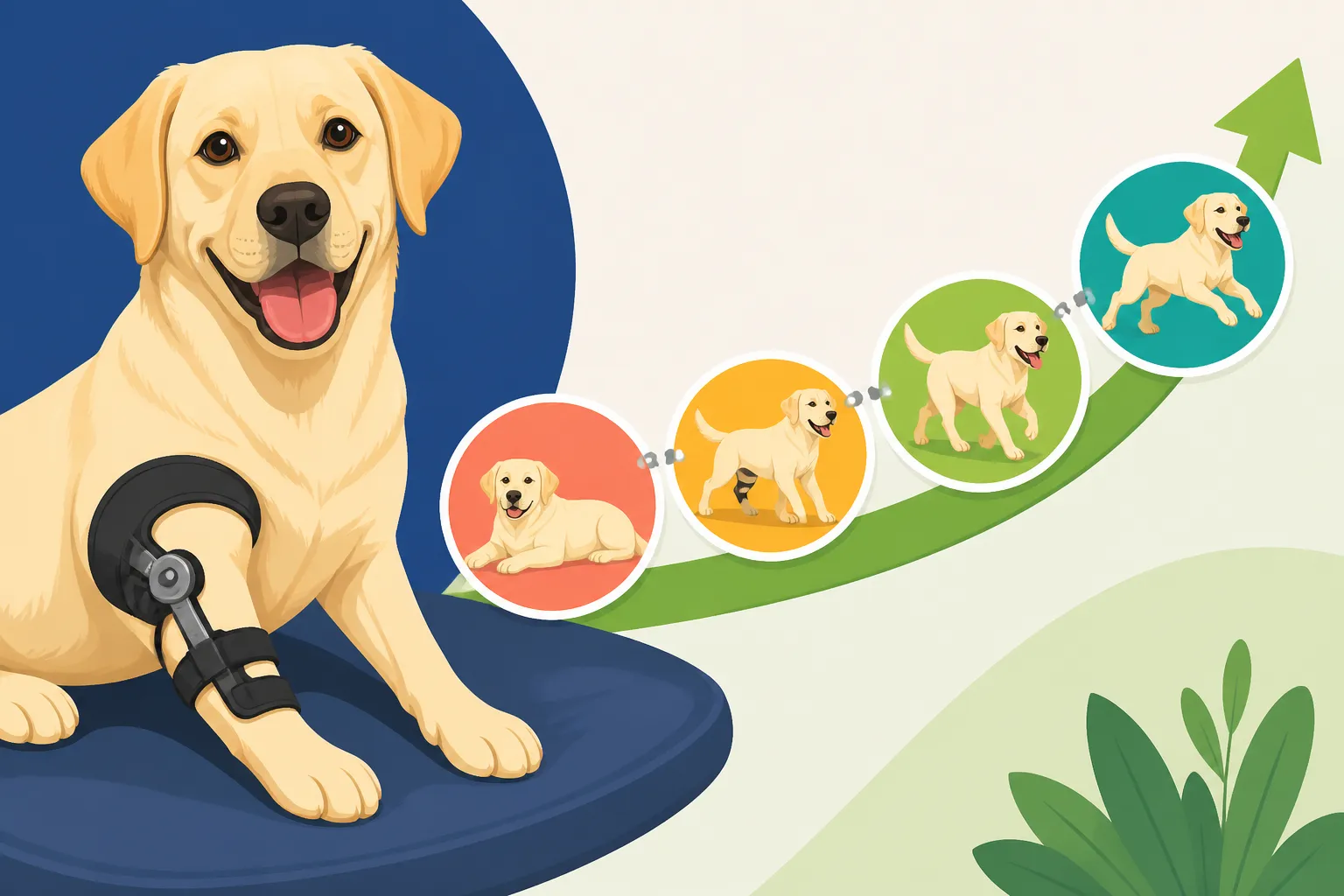
Here's a quick overview of the recovery phases:
| Phase | Duration | Key Focus | Allowed Activities (General) | Common Challenges |
|---|---|---|---|---|
| Initial Confinement | Weeks 1-8 | Strict Rest, Pain/Swelling Management | Short, controlled leash potty breaks, passive range of motion exercises | Managing boredom, preventing slips/jumps, medication compliance |
| Intermediate Rehab | Months 2-6 | Gradual Strengthening, Controlled Exercise | Progressive leash walks, incline/decline work, balancing, swimming (vet approved) | Over-exertion, subtle lameness, maintaining motivation |
| Long-Term Management | 6 Months + & Lifelong | Full Activity Return, Preventative Care | Return to running/play (gradual), ongoing joint support, weight management | Preventing re-injury, managing arthritis, consistency in care |
Remember, every Labrador is an individual, and their recovery journey will have its own pace and nuances. Listen to your vet, observe your dog carefully, and trust the process. And having comprehensive pet insurance, like a plan from Healthy Paws, can truly be a lifesaver, covering a significant portion of these substantial vet and rehab costs, allowing you to focus on your Labrador's healing without added financial stress. This journey requires dedication, but seeing your Labrador happy and active again makes every effort worthwhile. For insights into preparing financially, Labrador Emergency Vet Bills can be very informative.
Disclaimer
The information provided in this article is for general informational purposes only and does not constitute veterinary advice. Always consult with a qualified veterinarian or a certified canine rehabilitation therapist for any health concerns or before making any decisions about your Labrador's medical care or treatment plan.